

2006-2011 Hyundai Accent & Kia Rio A/C Compressor: Why It Fails and How to Replace It
This guide covers common A/C compressor failure symptoms, replacement costs, and what to look for when buying a used unit for your 2006-2011 Hyundai Accent or Kia Rio.
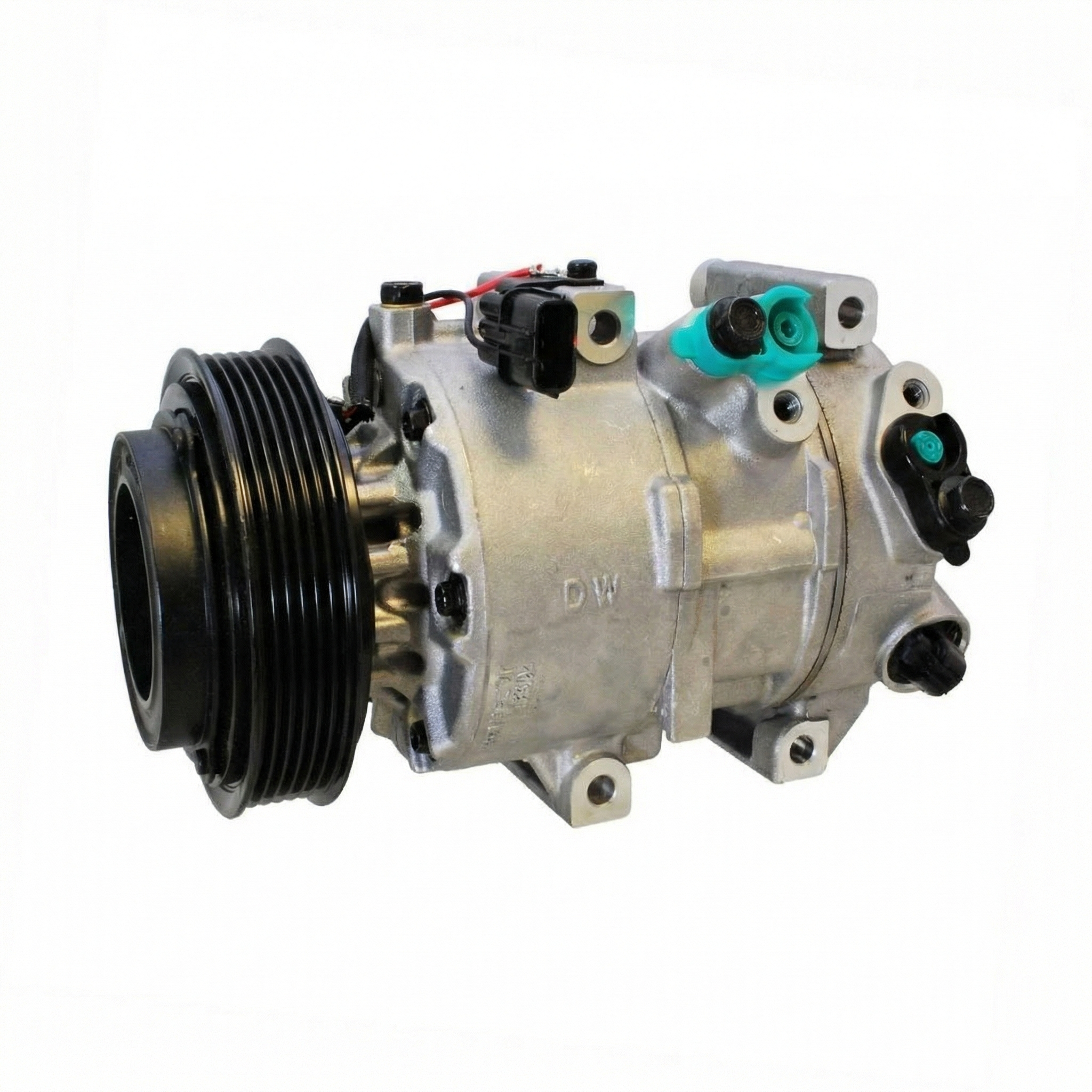
- This compressor fits 2006-2011 Accent & Rio with the 1.6L engine and MANUAL A/C controls only.
- If the compressor failed internally, you MUST replace the receiver/drier and expansion valve, and flush the system to prevent immediate failure of the new part.
- The most common failure symptoms are warm air from the vents and grinding/squealing noises when the A/C is on.
- Professional installation is highly recommended due to the legal requirement to use special equipment to recover and recharge the R-134a refrigerant.
Symptoms of a Failing A/C Compressor
A bad A/C compressor on your 2006-2011 Hyundai Accent or Kia Rio will make itself known, especially on a hot day. Here are the most common signs that your compressor is failing:
- Warm Air from Vents: This is the most obvious symptom. If the compressor isn't working, the refrigerant isn't being pressurized, and the cooling cycle can't start. You'll get ambient or even warm air from the vents when the A/C is on.
- Loud Noises When A/C is On: A failing compressor can make several distinct noises. A grinding or squealing noise can indicate a bad internal bearing. A loud clicking 🎬 Watch: How to identify that grinding noise from your compressor. sound when the A/C cycles on and off could be a failing clutch, while a constant rattling might mean the compressor itself is coming apart internally.
- Compressor Clutch Not Engaging: The front of the compressor has a clutch that engages to turn the compressor's internal pump. If you turn on the A/C and don't see the outer plate of the pulley start spinning with the belt, the clutch isn't engaging. This could be due to a bad clutch coil, a blown fuse, a bad relay, or low refrigerant levels causing the pressure switch to prevent engagement.
- Visible Refrigerant Leak: The A/C system uses a special oil (PAG 46 for this vehicle) mixed with the refrigerant. A common failure point is the compressor's shaft seal. If this seal fails, it can leak oily, greasy residue onto the compressor body and surrounding area.
Known Issues, Recalls, and Technical Service Bulletins (TSBs)
As of early 2026, there are no specific recalls or TSBs from Hyundai, Kia, or the National Highway Traffic Safety Administration (NHTSA) directly related to the A/C compressor for the 2006-2011 Hyundai Accent and Kia Rio.
However, owners should be aware of other recalls for this platform:
- Hyundai Accent (2006-2009): NHTSA recall 13V113000 was issued for a malfunctioning stop lamp switch that could prevent brake lights from illuminating or cause issues with cruise control.
- Kia Rio (2006-2008): NHTSA recall 12V244000 addresses a defect in the front passenger seat's occupant classification system (OCS) sensor mat, which could cause the passenger airbag to not deploy correctly in a crash.
While these recalls do not affect the A/C system, it is wise to check if your vehicle has had these safety repairs performed.
Compatibility Warning: This A/C compressor is for vehicles equipped with the 1.6L engine and manual climate controls only. It will not fit or function on models with automatic temperature control systems.
Buying a Used A/C Compressor: What to Check
A used OEM compressor can be a smart, cost-effective alternative to expensive new parts, but careful inspection is key. Here’s what to look for before you buy:
- Check the Pulley and Clutch: Spin the pulley by hand. It should spin freely and quietly. A rough, noisy, or wobbly pulley indicates bad bearings. Next, try to spin the center plate of the clutch (the part that doesn't spin with the belt). It should turn with some resistance but be smooth, not seized or grinding.
- Inspect for Leaks: Look for heavy, oily residue around the ports where the lines connect and especially around the front shaft seal behind the clutch. A little dust and grime is normal, but a wet, oily film is a major red flag for a leak.
- Examine the Ports: The suction and discharge ports should have been capped on the donor vehicle to prevent moisture and debris from entering. If the ports are open to the air, the compressor may be contaminated internally.
- Look for Physical Damage: Check the compressor housing for any cracks or significant corrosion. Also, inspect the electrical connector to ensure it isn't broken or damaged.
- Verify Part Numbers: Match the part number on the used compressor to the list of known OEM numbers to ensure compatibility with your Hyundai Accent or Kia Rio.
Cost to Replace A/C Compressor
The cost can vary significantly based on whether you do the work yourself and the type of parts you use. Professional replacement is expensive due to the specialized equipment needed to handle the refrigerant.
| Part/Service | Estimated Cost |
|---|---|
| New OEM Compressor | $410 - $740 |
| New Aftermarket Compressor | $190 - $350 |
| Remanufactured Compressor | $250 - $420 |
| Used OEM Compressor | $50 - $125 |
| Shop Labor (including system evacuation and recharge) | $250 - $600+ |
| Total Professional Job (New Aftermarket) | $750 - $1,500+ |
Pro Tip: When replacing the compressor, you MUST also replace the A/C receiver/drier (also called an accumulator) and the expansion valve. Most compressor warranties are void if you don't. This is because a compressor failure often sends metal debris through the system, and the old drier contains moisture and contaminants that will destroy the new compressor.
Replacement Overview & Difficulty
Replacing the A/C compressor is an advanced job, primarily because it requires legally mandated handling of refrigerant with specialized equipment.
- Difficulty: 4 out of 5
- DIY Feasible: Not recommended for beginners. Requires A/C recovery/recharge machine, vacuum pump, and manifold gauges.
- Estimated Time: 2-4 hours, plus time for system evacuation and recharge.
Basic Steps:
- Evacuate Refrigerant: A licensed shop must use a recovery machine to safely remove all R-134a refrigerant from the system. It is illegal and harmful to the environment to vent it into the atmosphere.
- Remove Drive Belt: Loosen the alternator to release tension on the serpentine belt and remove it from the A/C compressor pulley.
- Disconnect Lines & Electrical: Unplug the single-wire electrical connector from the compressor. Use a wrench (typically 10mm) to unbolt the refrigerant line manifold from the top of the compressor. Be ready to cap the lines and ports immediately.
- Unbolt Compressor: Remove the four mounting bolts that hold the compressor to the engine block. The compressor can then be removed from the vehicle, usually from below. 🎬 See this walkthrough for replacing the compressor and expansion valve.
- Prepare New Compressor: Drain the oil from the old compressor and measure the amount. Drain the shipping oil from the new compressor and add the same amount of fresh PAG 46 oil. Rotate the compressor hub by hand 10-15 times to distribute the oil.
- Installation: Installation is the reverse of removal. Use new, lubricated O-rings on the A/C lines. Torque all bolts to factory specifications.
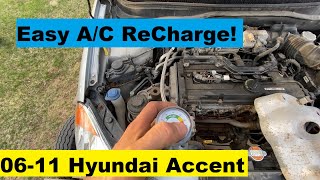
- Vacuum and Recharge: This is the final, critical step. A vacuum pump is used to remove all air and moisture from the system. Then, the exact specified amount of R-134a refrigerant and additional oil is charged back into the system using a manifold gauge set and a scale. 🎬 Watch: DIY guide for recharging the A/C on your Accent.
Frequently Asked Questions (FAQ)
Can I just replace the A/C clutch and not the whole compressor?
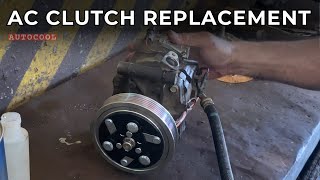
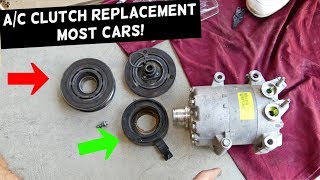
Yes, clutch kits are available. This is a viable repair if you have confirmed the compressor itself is good and only the clutch coil or bearing has failed. However, replacing just the clutch can be as labor-intensive as replacing the whole compressor, and if the compressor fails internally later, you will have to do the job all over again.
My A/C works when it's cool outside but blows warm when it's hot. What's wrong?
This is a classic symptom of a system that is low on refrigerant due to a small leak. When the outside temperature is high, the system pressures are also higher, and an undercharged system cannot cool effectively. Before replacing the compressor, it's essential to have a technician check for leaks.
Do I need to flush the A/C system when I replace the compressor?
Yes, especially if the old compressor failed internally (a 'black death' failure). Metal shavings and debris from the old compressor can contaminate the entire system. Flushing the condenser, evaporator, and hoses is critical to ensure the new compressor isn't damaged by this debris. Failure to flush the system will void the warranty on most new and remanufactured compressors.
What type of oil and how much refrigerant does my Accent or Rio need?
The 2006-2011 Hyundai Accent and Kia Rio A/C systems use R-134a refrigerant and PAG 46 compressor oil. The exact refrigerant capacity is critical and should be on a sticker under the hood. If the sticker is missing, consult a repair manual, but it is typically around 16-18 ounces. Overcharging or undercharging the system will result in poor performance and can damage components.
Helpful Videos

Technical Specifications
OEM Part Numbers: 9770117511 977011E000 977011E001 977011G000 977011G010 977011G010DR 97701G000
Compressor Type: DV13, Pulley Grooves: 4, Pulley Diameter: 120mm, Voltage: 12V, Refrigerant: R-134a, Oil: PAG 46
We Have This Part in Stock

The information in this article is provided for general reference and educational purposes only. Vehicle specifications, procedures, and part compatibility can vary by production date, trim level, and region. Always consult your vehicle's factory service manual and verify part numbers before purchasing or performing repairs. Safety-critical components such as airbags, seat belts, and braking systems should be installed by a qualified professional.
- Hyundai Accent:
- Kia Rio: