

2002-2007 Grand Cherokee & Commander A/C Compressor: Noises, Leaks, and Diagnosis
This guide covers common failure symptoms, replacement costs, and what to inspect when buying a used A/C compressor for your 2002-2007 Jeep Grand Cherokee or 2006-2007 Jeep Commander.
- For the 2006-2007 Jeep Commander, you must verify if the vehicle has rear A/C, as the compressors are different.
- Before replacing the compressor, always check for simpler issues like a blown fuse, a bad relay, or low refrigerant.
- When replacing the compressor, you MUST also replace the receiver/drier and expansion valve to prevent immediate failure of the new unit.
- A catastrophic compressor failure ('black death') requires flushing the entire system and replacing multiple components, not just the compressor.
Symptoms of a Failing A/C Compressor
When an A/C compressor starts to fail, it usually provides several warning signs. Ignoring them can lead to more expensive repairs, as a catastrophic failure can send metal debris throughout the entire A/C system.
1. A/C Blows Warm or Hot Air
The most obvious symptom is a lack of cold air from the vents. If the compressor is weak or has failed, it cannot properly pressurize the refrigerant, which is essential for the cooling process. This could also be caused by low refrigerant, so it's important to check the system pressure first.
2. Unusual Noises When A/C is On
You may hear grinding, rattling, or a high-pitched squealing when the A/C is turned on. These sounds often indicate failing internal components, such as worn-out bearings. A clicking sound could point to an issue with the A/C clutch or an electrical problem like a faulty relay.
3. Visible Refrigerant Leaks
The compressor has seals that can fail over time, leading to leaks. Refrigerant is mixed with a special oil (PAG oil), so a leak often appears as a greasy or oily residue on the body of the compressor or on components below it.
4. A/C Clutch is Not Engaging
The compressor has a clutch on its pulley that is activated by an electromagnet. When you turn on the A/C, this clutch should engage with a distinct 'click', causing the center part of the pulley to spin with the belt. If the clutch doesn't move, it could be a problem with the clutch itself, a blown fuse, a bad relay, or low refrigerant pressure preventing the system from turning on.
Vehicle-Specific Issues and Recalls
There are no major recalls or widespread Technical Service Bulletins (TSBs) specifically for A/C compressor failure on these Jeep models. However, owners have reported common issues.
2002-2007 Jeep Grand Cherokee (WJ & WK)
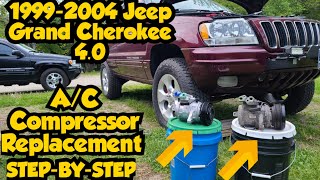
For both the 2002-2004 (WJ) and 2005-2007 (WK) generations, 🎬 See how to replace the compressor on a 4.0L Grand Cherokee. the most common A/C problems are standard component failures due to age and mileage, such as compressor clutch failure or leaks. Electrical issues, like a failed A/C relay or pressure switch, can also mimic compressor failure by preventing the clutch from engaging.
2006-2007 Jeep Commander (XK)
Compatibility Warning: For the Jeep Commander, it is critical to know if the vehicle is equipped with rear air conditioning. The A/C compressor for models without rear A/C is different from the one used on models with rear A/C. Ensure you are purchasing the correct part for your specific vehicle configuration.
Commander owners have reported issues with the rear A/C lines corroding, as they are routed over the wheel wells and exposed to road salt and debris. While this is not a compressor issue, a leak in the rear lines will cause the entire system to lose refrigerant and stop cooling, which can be misdiagnosed as a bad compressor.
Buying a Used A/C Compressor: What to Check
A used OEM Mopar compressor can be a reliable and cost-effective alternative to a new aftermarket part. However, careful inspection is key to avoiding a bad part.
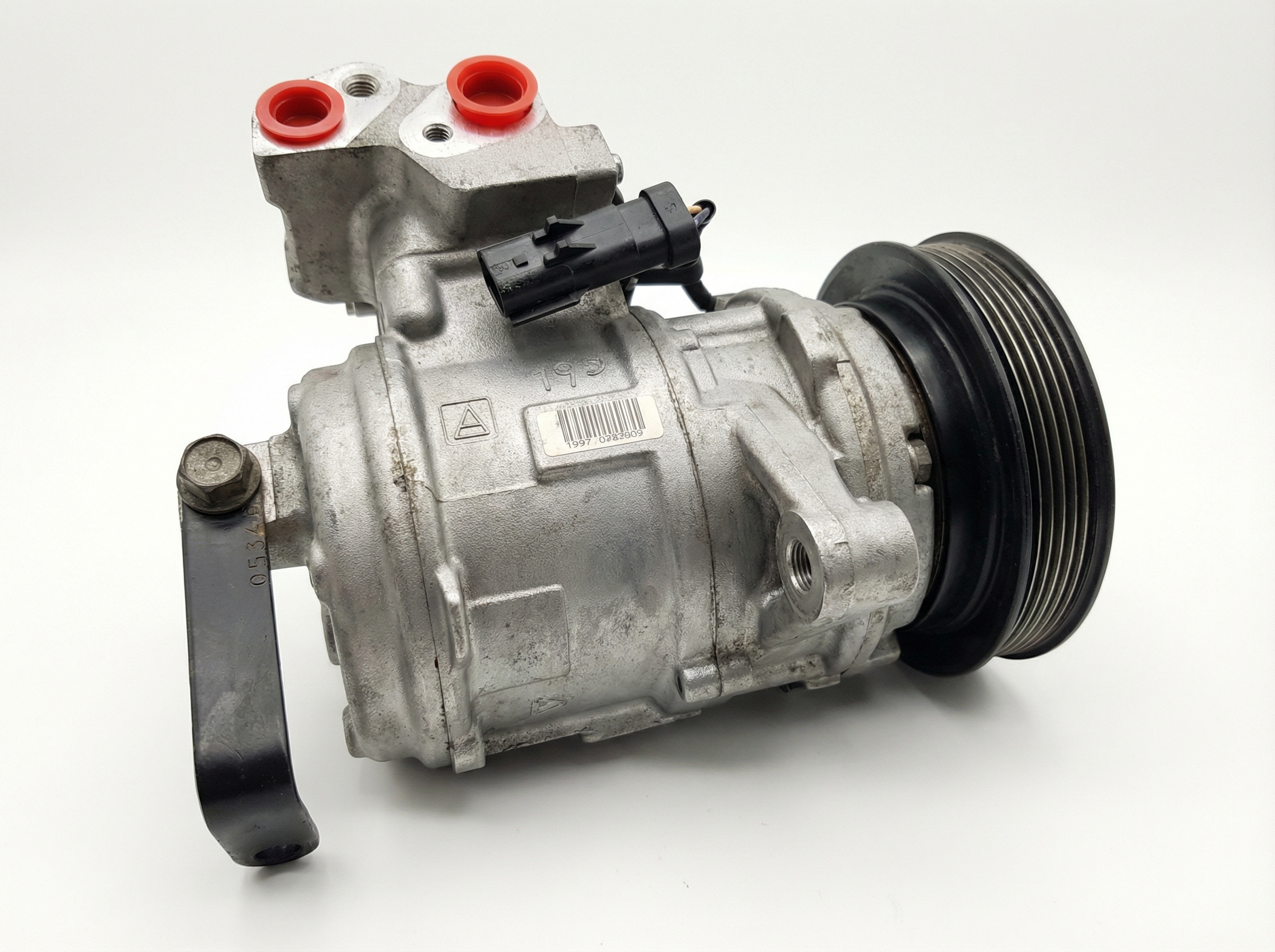
- Inspect the Ports: Look inside the inlet and outlet ports for any signs of dark, gritty oil or metal shavings. The presence of metal indicates the previous compressor failed internally, a condition known as "black death." Do not buy a compressor with any signs of internal contamination.
- Check the Clutch: The outer pulley should spin freely by hand. The center hub of the clutch should not spin with the pulley unless the clutch is engaged. If possible, use a 12V power source to test that the clutch engages with a solid click.
- Look for Leaks: Examine the compressor body, especially around the seals where the two halves of the case meet, for any signs of oily residue that would indicate a leak.
- Verify Part Numbers: Match the part number on the used compressor to the list of known OEM numbers to ensure compatibility.
- Ask About the Donor Vehicle: A compressor from a lower-mileage vehicle involved in a rear-end collision is generally a better bet than one from a high-mileage vehicle or one with front-end damage.
Replacement Overview and Difficulty
Replacing the A/C compressor is an advanced DIY job that requires special tools. 🎬 Watch this step-by-step guide to replacing your Jeep's A/C compressor. The biggest challenge is handling the refrigerant, which legally must be recovered by a certified shop before the system is opened.
- Difficulty: 4 out of 5
- Key Steps:
- Have the refrigerant professionally evacuated from the system.
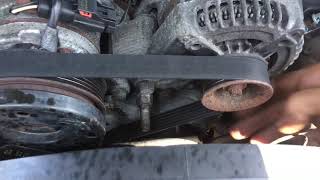
- Release the serpentine belt tension and remove the belt from the compressor pulley.
- Disconnect the electrical connector and the refrigerant lines from the compressor.
- Unbolt and remove the old compressor.
- Drain the oil from the used compressor and add the correct amount of new PAG oil.
- Install the new compressor, reconnect lines with new O-rings, and plug in the connector.
- Crucially, you must also replace the A/C receiver/drier (or accumulator) and the expansion valve (or orifice tube). Skipping this step can cause debris from the old system to destroy the replacement compressor and may void warranties.
- Have a shop pull a deep vacuum on the system to remove all air and moisture, then recharge it with the precise weight of refrigerant specified on the under-hood sticker.
Pro Tip: After installing the new compressor but before starting the engine, manually turn the center hub of the clutch by hand about 10 times. This helps circulate the new oil inside the compressor to prevent a dry start-up.
Cost Comparison
Prices can vary based on location and supplier. The estimates below are for the compressor part only, unless otherwise noted.
| Part Type | Estimated Cost | Notes |
|---|---|---|
| New OEM (Mopar) | $550 - $950 | Often discontinued or hard to find. |
| New Aftermarket | $150 - $370 | Quality can vary significantly. |
| Remanufactured | $100 - $250 | A rebuilt original unit. |
| Used OEM | $75 - $150 | A cost-effective option if inspected properly. |
| Shop Labor (Replacement) | $170 - $410 | Includes system evacuation and recharge. |
OEM Part Numbers
This A/C compressor is shared across several model years and engines. Always verify the part number on your existing compressor before purchasing a replacement. Known compatible Mopar part numbers include:
- 05014415AA
- 55116807AB
- 55116807AC
- 55116807AD
- 55116834AB
- 55116834AC
- 55116834AD
Frequently Asked Questions (FAQ)
Can I just replace the A/C clutch and not the whole compressor?
Sometimes, but it's often not worth it. If the compressor's internal bearings are worn and causing the noise or failure, a new clutch won't fix the root problem. Often, the cost of a clutch kit plus the labor to install it is close to the price of a complete remanufactured or used compressor assembly.
My A/C isn't working, but the compressor isn't making noise. What else should I check?
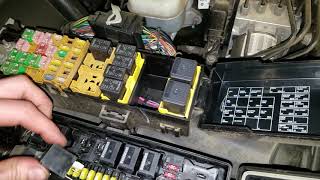
Before condemning the compressor, check the simple things first. Ensure the system has the correct refrigerant charge, as low pressure will prevent the compressor from engaging. Also, check the A/C compressor clutch fuse and relay in the vehicle's fuse box. A faulty relay is a common and inexpensive fix.
🎬 Watch: How to find the A/C fuse and relay on a Commander.What is A/C "black death"?
This refers to a catastrophic internal failure of the compressor, which sends fine metal shavings and contaminated black oil throughout the entire A/C system. If this happens, simply replacing the compressor is not enough. The condenser, expansion valve, and receiver/drier must be replaced, and all lines must be thoroughly flushed to remove the debris. Failure to do so will cause the new compressor to fail almost immediately.
Do I need to add oil to my used compressor?
Yes. You should drain any oil that is in the used compressor and measure how much came out. Then, add the vehicle-specific amount of new, correct-viscosity PAG oil before installation. This ensures the compressor is properly lubricated.
Helpful Videos
Technical Specifications
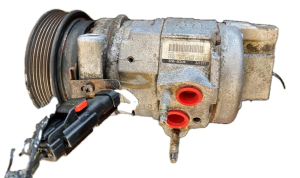
OEM Part Numbers: 05014415AA 55116807AB 55116807AC 55116807AD 55116834AB 55116834AC 55116834AD
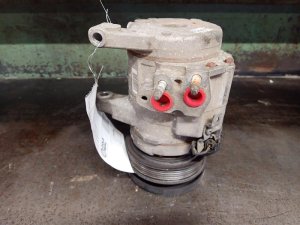
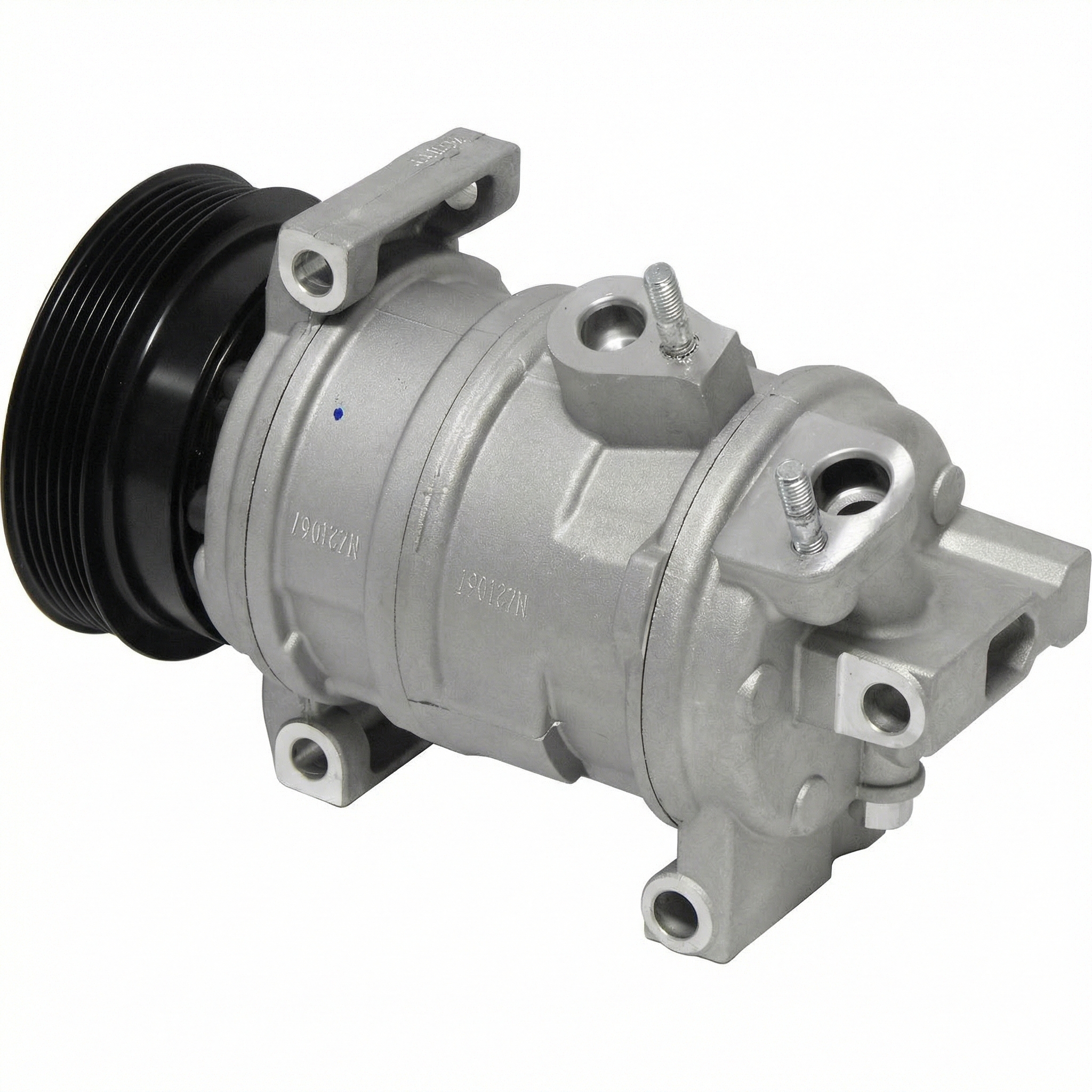
Uses PAG 46 Compressor Oil. Pulley has a 6-groove design.
We Have This Part in Stock

The information in this article is provided for general reference and educational purposes only. Vehicle specifications, procedures, and part compatibility can vary by production date, trim level, and region. Always consult your vehicle's factory service manual and verify part numbers before purchasing or performing repairs. Safety-critical components such as airbags, seat belts, and braking systems should be installed by a qualified professional.
- Jeep Grand Cherokee:
- Jeep Commander:
- 🎬 Helpful Videos
- 🛍️ Shop This Part
- Symptoms of a Failing A/C Compressor
- 1. A/C Blows Warm or Hot Air
- 2. Unusual Noises When A/C is On
- 3. Visible Refrigerant Leaks
- 4. A/C Clutch is Not Engaging
- Vehicle-Specific Issues and Recalls
- 2002-2007 Jeep Grand Cherokee (WJ & WK)
- 2006-2007 Jeep Commander (XK)
- Buying a Used A/C Compressor: What to Check
- Replacement Overview and Difficulty
- Cost Comparison
- OEM Part Numbers
- Frequently Asked Questions (FAQ)
- 🎟️ Get 5% Off