

2023-2024 Fisker Ocean A/C Condenser: Diagnosing Failures and Buying Used
This guide covers common failure symptoms for the Fisker Ocean A/C condenser, what to inspect on a used part, and addresses the unique challenges of repairing this vehicle.
- Due to Fisker's bankruptcy, a used OEM condenser is the most practical and available replacement part.
- Physical inspection is crucial when buying used: check for oily leaks, widespread fin damage, and cracks.
- Replacement is not a DIY job. It requires specialized equipment to legally and safely recover and recharge the A/C system's refrigerant.
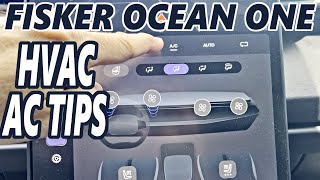
- Some A/C issues on the Ocean can be software-related; try cycling the A/C power on the touchscreen before assuming a mechanical failure.
Symptoms of a Failing A/C Condenser
A faulty A/C condenser in a 2023-2024 Fisker Ocean will present several distinct symptoms. Because the Ocean is a newer vehicle with complex software, some issues may be software-related, but physical condenser failure will have clear signs.
- Warm Air From Vents: This is the most common and immediate symptom. If you turn on the A/C and only get ambient or warm air, the condenser may not be cooling the refrigerant. Some Ocean owners have reported that cycling the A/C button off and on a few times can sometimes restore cold air, suggesting a potential software or control module issue. 🎬 Watch: Quick tips for troubleshooting Fisker Ocean A/C software glitches. However, if this doesn't work, a physical problem with the condenser is likely.
- Gradual Loss of Cooling: A small leak in the condenser will cause refrigerant to escape slowly. You might notice the A/C is not as cold as it used to be, and its performance gets progressively worse over days or weeks.
- Visible Leaks or Damage: The condenser is located at the front of the vehicle, making it vulnerable to impacts from road debris. A visual inspection may reveal oily residue or dark stains on the condenser's surface, which indicates a refrigerant leak. You may also see bent or crushed cooling fins, which can restrict airflow and reduce performance.
- Burning Smell: In some cases, a failing condenser can't dissipate heat properly, causing other A/C components to overheat. This can produce a distinct burning smell from the vents. If you smell this, turn off the A/C system immediately to prevent further damage.
- Overheating While Idling: Since the condenser sits in front of the radiator, a severely clogged or blocked condenser can restrict airflow to the radiator. This can cause the vehicle's cooling system to struggle, potentially leading to overheating, especially when the vehicle is stationary.
Known Issues, TSBs, and Recalls for the 2023-2024 Fisker Ocean
As a new vehicle from a now-bankrupt manufacturer, the Fisker Ocean has several known issues, though none directly target the A/C condenser itself. However, owners have reported various A/C-related problems, primarily tied to software and control systems.
- Software Glitches: Many owners report that the A/C system fails to blow cold air intermittently, which can sometimes be resolved by turning the A/C off and on via the touchscreen. This points to software bugs rather than a mechanical failure of the condenser.
- TSB for Interior Vents: Technical Service Bulletin TSB40082301 was issued for malfunctioning interior IP vents that may not respond to commands, get stuck in a closed position, or make a clicking noise. While this is not a condenser issue, it can prevent cold air from reaching the cabin, mimicking a failed A/C system.
- No Official Recalls for A/C Condenser: As of early 2026, there are no NHTSA recalls specifically for the A/C condenser on the Fisker Ocean. Major recalls have focused on software issues causing loss of power and non-compliant dashboard warning lights.
- Owner Complaints: Forums and Reddit contain numerous threads from owners whose air conditioning has stopped working entirely, blowing only hot air. Due to the manufacturer's bankruptcy, getting official service or parts has become a significant challenge for these owners.
Warning: Due to Fisker's bankruptcy in June 2024, obtaining new OEM parts and official dealer service is extremely difficult. This makes sourcing a quality used OEM part a critical and often necessary option for repairs.
Buying a Used 2023-2024 Fisker Ocean A/C Condenser
Given the parts availability issues, a used OEM condenser is a practical choice. Here’s what to inspect to ensure you get a good part.
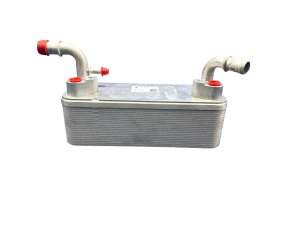
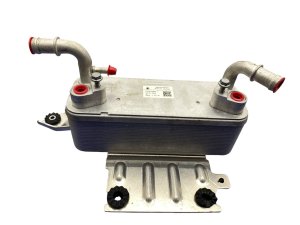
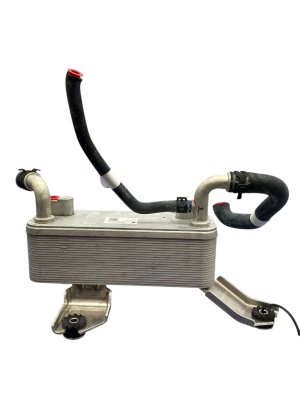
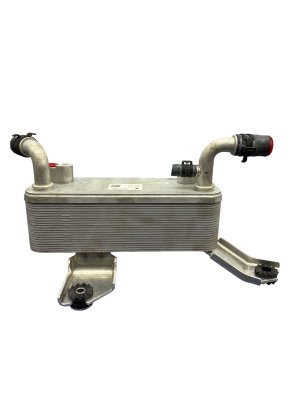
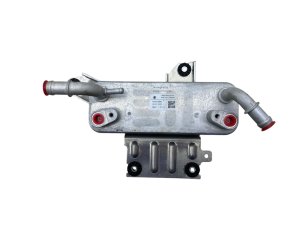
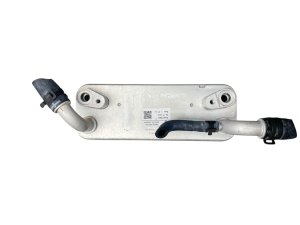
- Verify the Part Number: Ensure the part is the correct OEM number for the 2023-2024 Fisker Ocean. The known OEM part number is FM2930150001A.
- Check for Leaks: Look for any oily residue or dark, wet-looking spots on the condenser's surface. Refrigerant oil escapes with the refrigerant, leaving a tell-tale stain where the leak is. Pay close attention to the welds where the lines connect and along the side tanks. 🎬 See this video for a guide on inspecting car condensers.
- Inspect the Cooling Fins: The thin aluminum fins are easily damaged. Look for large areas of bent or crushed fins. While a few bent fins are acceptable and can be carefully straightened with a fin comb, widespread damage will block airflow and severely reduce the condenser's efficiency.
- Examine for Physical Damage and Corrosion: Check for cracks, especially near mounting points and tube connections. Road salt can cause corrosion, particularly on the lower parts of the condenser. Avoid any unit with heavy white, powdery corrosion or signs of cracking.
- Ensure Connections are Intact: Check the inlet and outlet ports where the A/C lines connect. The threads should be clean and undamaged. Ensure any plastic mounting tabs or brackets are not broken.
Pro Tip: When buying a used condenser, ask the seller if the system was holding refrigerant when the part was removed. A part from a system that was still pressurized is less likely to have leaks.
Replacement Overview and Difficulty
Replacing the A/C condenser on a Fisker Ocean is a moderately difficult job, primarily because it requires specialized equipment for handling refrigerant.
- Difficulty Rating: 4 out of 5
- DIY Feasible: No. Federal law requires that the refrigerant in the system be recovered by a certified technician using a specialized machine before the system is opened. The system must also be properly evacuated (put into a deep vacuum) and recharged after the new part is installed.
- General Steps:
- A certified shop must recover the refrigerant from the A/C system.
- The front bumper cover and other trim pieces will likely need to be removed to access the condenser.
- The high- and low-side A/C lines are disconnected from the condenser.
- The condenser is unbolted from its mounting brackets.
- The new (or used) condenser is installed, and new O-rings are fitted to the A/C lines.
- The system is put under a vacuum to remove all air and moisture, and then recharged with the correct amount of refrigerant and oil.
Cost Comparison
Prices for Fisker Ocean parts can be volatile due to the company's status. The following are estimates based on available data.
| Part Type | Estimated Cost |
|---|---|
| New OEM | $300 - $500+ (If available) |
| New Aftermarket | Not widely available |
| Used OEM | $150 - $250 |
| Shop Labor (including refrigerant service) | $300 - $600+ |
Frequently Asked Questions (FAQ)
Can I drive my Fisker Ocean with a bad A/C condenser?
Yes. A non-functional A/C condenser will not prevent the vehicle from driving. However, you will not have air conditioning, which can be a comfort and safety issue in hot climates for window defrosting.
Do I need to replace any other parts with the condenser?
It is highly recommended to replace the receiver/drier (or desiccant bag) anytime the A/C system is opened to the atmosphere. This component absorbs moisture from the refrigerant, and a new one will protect the new condenser and the rest of the system. You should also replace the O-rings at the line connections to ensure a proper seal.
Why did my A/C condenser fail?
The most common cause of failure is impact from rocks or other road debris, which causes a puncture and a refrigerant leak. Corrosion from road salt and age can also cause leaks to develop over time.
Can I just use an A/C "Stop Leak" product?
It is not recommended. These products can clog not only the leak but also critical components like the expansion valve and the new condenser itself, leading to more expensive repairs down the road. A proper repair involves replacing the damaged part.
Helpful Videos

Technical Specifications
OEM Part Numbers: FM2930150001A
N/A
We Have This Part in Stock

The information in this article is provided for general reference and educational purposes only. Vehicle specifications, procedures, and part compatibility can vary by production date, trim level, and region. Always consult your vehicle's factory service manual and verify part numbers before purchasing or performing repairs. Safety-critical components such as airbags, seat belts, and braking systems should be installed by a qualified professional.
- Fisker Ocean: