

2008-2015 Tacoma ABS Module: Zero Point Calibration, Diagnosis, and Replacement
Diagnose common ABS, VSC, and TRAC warning lights, and understand the critical Zero Point Calibration procedure required after replacing the ABS module on your Toyota Tacoma.
- Compatibility is extremely complex; you must match the OEM part number exactly, considering cab size, box length, tow package, and production date.
- A replacement module does NOT require VIN programming, but it absolutely REQUIRES a "Zero Point Calibration" for the VSC system to function.
- Brake bleeding after replacement is difficult and requires a bidirectional scan tool to cycle the ABS pump and remove trapped air.
- A faulty module disables ABS, VSC, and TRAC, but the standard brakes will still work, albeit with an increased risk of skidding in emergencies.
Symptoms of a Failing ABS Control Module


When the ABS module in a 2008-2015 Toyota Tacoma begins to fail, it will almost always alert you with dashboard warning lights. Because the module is tied into multiple safety systems, you'll often see a combination of lights appear at once.
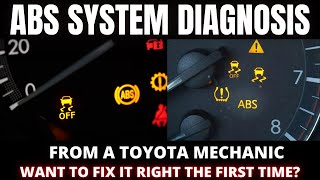
- ABS, VSC, and TRAC Lights On: The most common symptom is having the ABS, VSC (Vehicle Stability Control), and TRAC (Traction Control) warning lights all illuminate on the dashboard simultaneously. These lights may come on and stay on, or they might appear intermittently.
- Unresponsive or Spongy Brake Pedal: You might experience a change in brake pedal feel. It could feel unusually hard, or soft and spongy, requiring more travel before the brakes engage. In some cases, the pedal may feel unresponsive at first.
- Wheels Locking Up: The primary job of the ABS is to prevent your wheels from locking during a hard stop. If the module has failed, the system is disabled, and your wheels can lock up and skid, especially on wet or slippery surfaces.
- Audible Noise from Module: Some drivers report hearing a buzzing or electric motor sound coming from the ABS module itself (located on the passenger side of the engine bay) which may run continuously. This can be caused by an internal failure, such as a stuck pump motor relay.
- Inaccurate Speedometer: In some vehicles, the ABS module plays a role in processing wheel speed data for the speedometer. A faulty module can lead to incorrect speed readings.
Common Diagnostic Trouble Codes (DTCs)
A proper diagnosis requires a scan tool capable of reading ABS codes. Common codes associated with a failing module include:
- C1223 (ABS Control System Malfunction): A general fault code indicating an issue within the ABS system.
- C1241 (Low or High Power Supply Voltage): This code often points to a weak battery, poor electrical connections, or a failing alternator, but can also indicate an internal module fault.
- C1246 (Master Cylinder Pressure Sensor): This code suggests a problem with the pressure sensor inside the ABS unit. The factory service manual often recommends replacing the entire ABS actuator assembly when this code appears.
- C1251 (ABS Pump Motor Locked): This is a serious code indicating the electric motor on the ABS pump is seized or has failed. This often requires replacement of the entire module assembly.
Pro Tip: Before condemning the ABS module, always check the basics. Ensure your battery is fully charged and the terminals are clean. A weak battery is a common cause of the C1241 voltage code and can make the sensitive ABS electronics behave erratically. Also, inspect the wheel speed sensors and their wiring, as a single dirty or damaged sensor can trigger the ABS light.
🎬 Watch: Diagnostic tips from a Toyota mechanic to fix it right.Known Issues, Recalls, and TSBs

For the 2008-2015 generation, there was one notable safety recall related to the stability control system, which is managed by the ABS module.
- NHTSA Recall 14V-103 (March 2014): Toyota recalled certain 2012-2013 Tacoma models due to an issue with the brake actuator. An electrical component inside could fail, causing the ABS, VSC, and TRAC warning lights to turn on and disabling these systems. This would reduce directional control assistance and increase the risk of a crash. The fix was a software update for the Skid Control ECU, performed by dealers free of charge.
While no other major recalls target the ABS module for this entire year range, it's always wise to check for any open recalls on your specific vehicle using its Vehicle Identification Number (VIN) on the NHTSA or Toyota owner's website.
Buying a Used ABS Control Module
Due to the high cost of a new OEM module, a used unit is a very popular and cost-effective option. However, compatibility is extremely important.
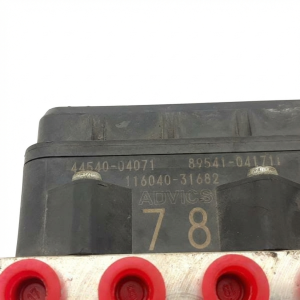
Part Number Matching is Critical: The single most important step is to match the OEM part number from your original module to the one you are buying. Toyota used many different ABS modules for this generation of Tacoma based on several factors:
- Cab & Box Configuration: Crew Cab with a short box, Crew Cab with a long box, and Extended Cab models often use different modules.
- Drivetrain: 4x2 vs. 4x4 configurations can matter.
- Tow Package: Models with or without a factory tow package may require a different part number.
- Production Date Splits: There were mid-year part changes, especially for 2008 and 2011 models. Always verify your truck's production date (found on the driver's side door jamb sticker) before ordering.
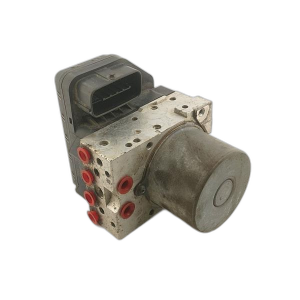
Warning: Do not rely on visual appearance alone. Two modules can look identical but have different internal programming or valve configurations. Always confirm the part number on your original unit before purchasing a replacement.
Physical Inspection
When inspecting a used module, look for:
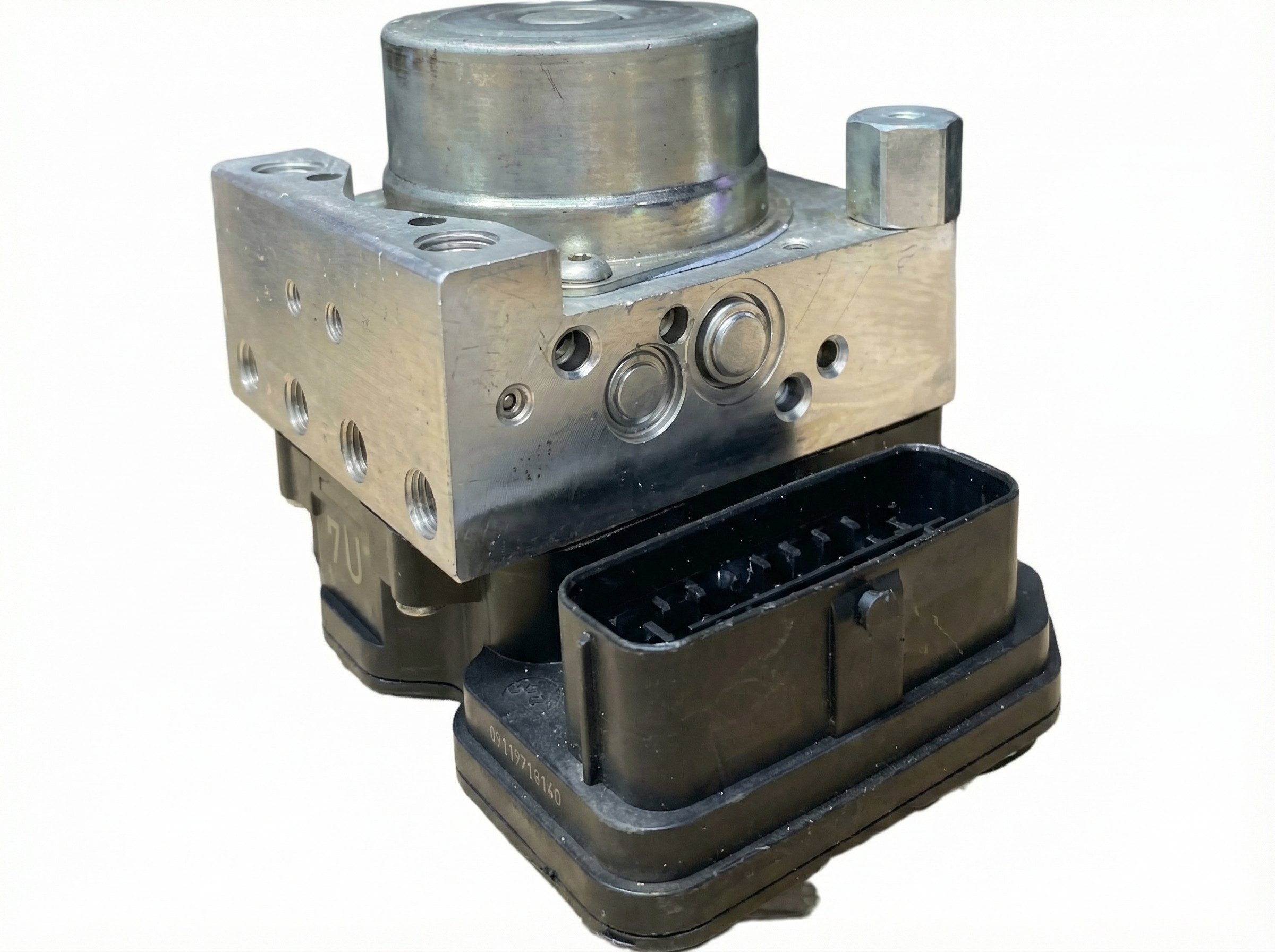
- No Corrosion: Check the aluminum block and electrical connector for any signs of heavy corrosion or water damage.
- Intact Connectors: Ensure the electrical connector pins are straight and not damaged.
- No Cut Lines: The module should have been removed properly, not with the brake lines cut.
- Cleanliness: A unit that is reasonably clean suggests it came from a well-maintained vehicle.
Replacement, Bleeding, and Calibration
Replacing the ABS module is an advanced DIY job, primarily due to the brake bleeding and calibration steps that follow.
Does it Need Programming?
No, a used ABS module from a matching vehicle does not need to be programmed or flashed to the vehicle's VIN. As long as you install a module with the exact same part number, it is considered a plug-and-play replacement. However, it is not a simple swap. After installation, two critical procedures are required: brake bleeding and Zero Point Calibration.
Brake Bleeding Procedure
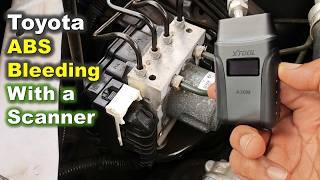
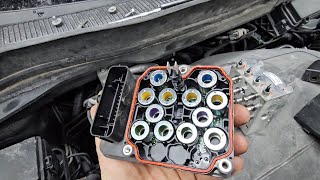
Because you are opening the hydraulic brake system, you must bleed the brakes to remove all air. Air trapped in the ABS module can cause a spongy or low brake pedal and is difficult to remove with a standard bleeding procedure. To properly bleed the system, you must use a bidirectional scan tool to cycle the ABS pump and solenoids, which forces the trapped air out of the module's internal passages. 🎬 See how to use a scanner to bleed the ABS module. Some models may have a specific manual procedure, but using a scan tool is the most reliable method.
Warning: Failure to properly bleed the ABS module with a scan tool is the most common reason for a spongy pedal after replacement. If you are not equipped to do this, it is best to have a professional shop perform the installation.
Zero Point Calibration
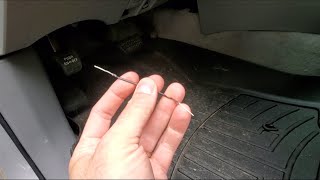
After the module is replaced and the brakes are bled, you must perform a Zero Point Calibration. This procedure resets the memory for the steering angle sensor, yaw rate sensor, and deceleration sensor, which are all part of the VSC system. Without this calibration, the VSC system will not function correctly and the warning light will likely remain on. The calibration can be done with a high-level scan tool like Toyota's Techstream or by using a specific manual procedure involving shorting two pins (typically TS and CG) in the OBD-II port with a paperclip while following a sequence of steps.
🎬 Watch: How to perform a VSC reset without special tools.| Part Type | Estimated Cost |
|---|---|
| New OEM | $930 - $1,300 |
| New Aftermarket | $400 - $700 |
| Used OEM | $150 - $450 |
| Remanufactured / Repair Service | $100 - $350 |
| Shop Labor for Replacement & Calibration | $250 - $500 |
Frequently Asked Questions (FAQ)
Do I have to program a used ABS module for my Tacoma?
No, programming is not required if you use a module with the exact same OEM part number from a similar vehicle. However, you MUST perform the Zero Point Calibration for the VSC system and properly bleed the brakes using a scan tool to cycle the ABS pump.
What is Zero Point Calibration and is it required?
Zero Point Calibration is a mandatory procedure that resets the neutral position for the steering angle, yaw rate, and deceleration sensors used by the Vehicle Stability Control (VSC) system. It must be performed after replacing the ABS module, or the VSC system will not work and the warning light will stay on.
Can I replace just the electronic part of the module?
Yes, it is possible to separate the electronic control unit from the hydraulic pump assembly. This is an advanced repair that involves removing several small Torx screws. Doing this avoids opening the brake lines, eliminating the need for the complex bleeding procedure. However, you must be certain the failure is in the electronics and not the pump motor or internal valves.
Is it safe to drive with a bad ABS module?
You can drive the vehicle, but with significant risks. A failed module means the anti-lock braking (ABS), traction control (TRAC), and vehicle stability control (VSC) systems are all disabled. Your standard hydraulic brakes will still work, but your wheels can lock up in a panic stop, increasing the risk of skidding and losing control. It is strongly recommended to get the module repaired or replaced as soon as possible.
Helpful Videos


Technical Specifications
OEM Part Numbers: 44050-04100 44050-04110 44050-04112 44050-04113 44050-04140 44050-04160 44540-04032 44540-04071
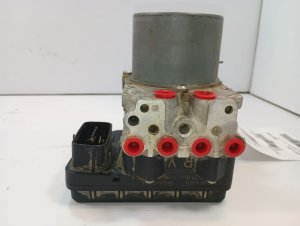
The complete assembly includes the electronic control module, hydraulic modulator, pump, and motor. Physical dimensions are approximately 9" x 8" x 6" with a weight of around 5-6 lbs.
We Have This Part in Stock

The information in this article is provided for general reference and educational purposes only. Vehicle specifications, procedures, and part compatibility can vary by production date, trim level, and region. Always consult your vehicle's factory service manual and verify part numbers before purchasing or performing repairs. Safety-critical components such as airbags, seat belts, and braking systems should be installed by a qualified professional.
- Toyota Tacoma:
- 🎬 Helpful Videos
- 🛍️ Shop This Part
- Symptoms of a Failing ABS Control Module
- Common Diagnostic Trouble Codes (DTCs)
- Known Issues, Recalls, and TSBs
- Buying a Used ABS Control Module
- Physical Inspection
- Replacement, Bleeding, and Calibration
- Does it Need Programming?
- Brake Bleeding Procedure
- Zero Point Calibration
- Frequently Asked Questions (FAQ)
- 🎟️ Get 5% Off