

2008-2017 Mitsubishi Lancer Airbag: SRS Light Causes, Recalls, and Replacement Guide
This guide covers the common causes of the SRS warning light, major safety recalls, and what you need to know before buying a used airbag for your 2008-2017 Lancer.
- An illuminated SRS light means your airbags are completely disabled and will not deploy in a crash; get it serviced immediately.
- Many 2008-2017 Lancers were part of the dangerous Takata airbag recall. Never install a used airbag without verifying it is not a recalled unit.
- Professional installation is mandatory for safety and legal reasons. This is not a DIY repair.
- After replacement, the SRS control module must be professionally reset to clear crash data, which a standard code reader cannot do.
Major Safety Recalls for 2008-2017 Lancer Airbags

The most critical issue affecting this generation of Mitsubishi Lancer is the widespread Takata airbag recall. Additionally, a separate recall was issued for the front impact sensors.
The Takata Airbag Inflator Recall
Danger: The Takata recall addresses airbag inflators that can rupture during deployment, spraying sharp metal fragments into the cabin. This defect has been linked to serious injuries and fatalities. It is essential to verify that any airbag module, especially a used one, is not part of this recall.
This recall primarily affects the passenger-side frontal airbag. The issue stems from the chemical propellant (ammonium nitrate) inside the inflator, which can degrade over time, especially with prolonged exposure to heat and humidity. This degradation can cause the inflator to explode with excessive force during a crash.
Some early recall repairs involved replacing the faulty inflator with an identical "like-for-like" part as a temporary measure. These vehicles needed to return to a dealer for a second, permanent fix. You can check if your vehicle has an outstanding recall by entering your Vehicle Identification Number (VIN) on the NHTSA website.
Front Impact Sensor Recall
Mitsubishi also recalled certain 2008-2015 Lancer models due to a problem with the front airbag impact sensors. In regions with heavy road salt use, moisture could seep into the sensor housing. This could cause the sensor to crack and short circuit, potentially leading to a delayed airbag deployment in a crash. The fix involves dealers inspecting the sensor and replacing it with a redesigned version if necessary.
Symptoms of an Airbag System Fault


The most common and serious symptom of a problem within the SRS system is an illuminated airbag warning light on your dashboard.
SRS Warning Light is On
The SRS light indicates that the airbag control module has detected a fault somewhere in the system. When this light is on, the entire airbag system is disabled and will not deploy in a crash. Ignoring this light puts you and your passengers at serious risk. While a faulty airbag module can be the cause, the light is often triggered by other, more common issues:
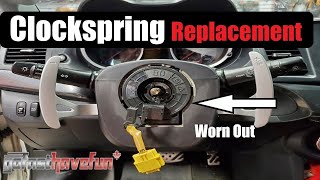
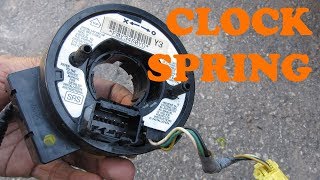
- Faulty Clock Spring: This is a very common failure point. The clock spring is a coiled wire behind the steering wheel that allows the wheel to turn while maintaining electrical connections. Besides the SRS light, symptoms of a bad clock spring include the horn, cruise control, or steering wheel-mounted radio buttons not working. 🎬 See this walkthrough on how to replace a faulty clock spring
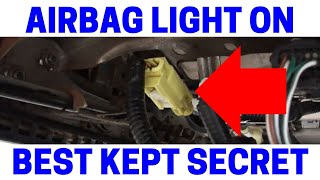
- Damaged Seat Wiring: Wires under the front seats, particularly for the driver's seat position sensor or the passenger's occupant classification sensor (OCS), can become frayed or disconnected from the seat being moved back and forth. This is a known issue on Lancers and can trigger the SRS light. 🎬 Watch: A simple fix for common seat wiring sensor issues
- Faulty Passenger Seat Sensor (OCS): The occupant classification sensor detects the weight of the person or object in the passenger seat to determine if that airbag should be enabled. A malfunction in this sensor will disable the system and turn on the SRS light.
- Low System Battery: The SRS computer has its own backup battery. If this battery dies, it can trigger the warning light.
Buying a Used 2008-2017 Lancer Airbag

Due to the extremely high cost of new OEM airbags, a quality-inspected, used OEM airbag is a practical alternative for many repairs. However, extreme caution is necessary.
Warning: NEVER purchase or install a used airbag that is known to be part of the Takata recall. The risk of catastrophic failure is too high. Reputable auto recyclers should verify the recall status before selling the part, but it is wise to double-check.
Inspection and Compatibility Checklist
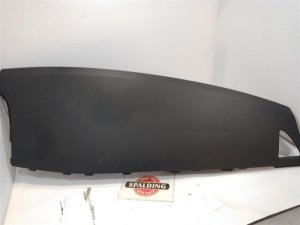
- Verify Part Numbers: The Lancer uses several different airbags (driver, passenger, side curtain, seat-mounted). They are not interchangeable. Match the OEM part number exactly. The passenger dash airbag is commonly identified by part number 7030A071.
- Check for Deployment: Ensure the airbag is undeployed. The cover should be intact with no tears, rips, or signs of being forced open.
- Inspect Connectors: Check that all electrical connectors (usually bright yellow or orange) are intact, clean, and free of any corrosion or damage.
- Look for Environmental Damage: Do not buy an airbag from a vehicle that suffered flood or fire damage. Moisture can ruin the inflator and electronics, even if the bag was never deployed.
- Buy from a Reputable Source: Purchase from an established auto recycler that provides a warranty and has a clear return policy. Ask if they can certify the part is undeployed and not from a recalled vehicle.
Replacement, Legalities, and System Reset
PROFESSIONAL INSTALLATION IS REQUIRED. Airbags are pyrotechnic devices. Improper handling can cause accidental deployment, leading to serious injury. Furthermore, there are significant legal liabilities associated with the improper installation of safety restraint systems. This is not a DIY job.
The Replacement Process
A professional technician will follow a strict procedure:
- Disconnect the vehicle's battery and wait for the system's backup capacitors to fully discharge.
- Carefully remove trim and mounting hardware to access the specific airbag module. Forum users note that replacing the passenger dash airbag on a Lancer is particularly labor-intensive and may require removing the entire dashboard.
- Disconnect the old module and install the new one.
- Reconnect the battery and prepare for the final, critical step: resetting the SRS control module.
SRS Control Module Reset
After an airbag deploys, or sometimes when a fault is stored, the SRS control module logs permanent "crash data" or hard codes. These codes cannot be cleared with a standard OBD-II code reader. The module must be either replaced (at great expense) or reset.
Pro Tip: Many third-party services can reset your original SRS module for a small fee. You mail your module to them, they clear the crash data, and send it back. Reinstalling your original, reset module is often plug-and-play and avoids the need for costly dealer programming that a new or used module would require.
| Part / Service | Estimated Cost | Notes |
|---|---|---|
| New OEM Passenger Airbag (7030A071) | $1,700 - $2,000 | Part only, from a Mitsubishi dealer. |
| New OEM SRS Control Module | $650 - $830 | Part only. |
| Used OEM Airbag (Driver or Passenger) | $100 - $200 | From an auto recycler. Price varies by type and condition. |
| SRS Module Reset Service | $50 - $100 | Mail-in service to clear crash data from your original module. |
| Shop Labor (Airbag Replacement) | $200 - $500+ | Varies by location and which airbag is being replaced. Passenger dash airbag is more labor-intensive. |
Frequently Asked Questions (FAQ)
What does the SRS warning light on my Lancer mean?
It means the Supplemental Restraint System has detected a fault. When this light is on, your airbags are disabled and will not deploy in an accident. You should have the vehicle diagnosed by a professional immediately.
🎬 Watch: How to diagnose and fix your Lancer's airbag lightCan I install a used airbag myself?
No. It is extremely dangerous and legally risky. Airbags contain explosive charges and require special procedures to handle and install safely. The system also requires a professional reset with specialized tools after installation. Always have a qualified technician perform SRS system repairs.
How do I know if my Lancer has a recalled Takata airbag?
You can check for any open recalls on your specific vehicle by entering its 17-digit VIN on the official NHTSA website (nhtsa.gov/recalls). This is the most reliable way to know for sure.
My SRS light is on but I haven't had an accident. What's wrong?
The most likely causes are a faulty clock spring (especially if your horn or steering wheel buttons also don't work), or damaged wiring under one of the front seats. A professional scan tool that can read SRS codes is needed to pinpoint the exact fault.
Will a used airbag work in my car?
Yes, a compatible, undeployed, and non-recalled used OEM airbag can function correctly IF it is installed professionally AND the vehicle's SRS control module is properly reset afterward. Sourcing the part from a reputable supplier is key to ensuring it has been stored correctly and is safe to use.
Helpful Videos

Technical Specifications
OEM Part Numbers: 7030A071 GA231-00460 H13386608P5L 7030A043 7030A237 7030A238
System includes multiple components: driver, passenger, side curtain, and seat-mounted airbags, SRS control module, clock spring, and various impact and occupant sensors. All wiring connectors for the SRS system are typically colored bright yellow or orange for identification.
We Have This Part in Stock

The information in this article is provided for general reference and educational purposes only. Vehicle specifications, procedures, and part compatibility can vary by production date, trim level, and region. Always consult your vehicle's factory service manual and verify part numbers before purchasing or performing repairs. Safety-critical components such as airbags, seat belts, and braking systems should be installed by a qualified professional.
- Mitsubishi Lancer:
- 🎬 Helpful Videos
- 🛍️ Shop This Part
- Major Safety Recalls for 2008-2017 Lancer Airbags
- The Takata Airbag Inflator Recall
- Front Impact Sensor Recall
- Symptoms of an Airbag System Fault
- SRS Warning Light is On
- Buying a Used 2008-2017 Lancer Airbag
- Inspection and Compatibility Checklist
- Replacement, Legalities, and System Reset
- The Replacement Process
- SRS Control Module Reset
- Frequently Asked Questions (FAQ)
- 🎟️ Get 5% Off