

Cadillac DeVille, Seville & Eldorado BCM Failure: Solving Random Electrical Problems (2000-2005)
This guide explains how to diagnose, replace, and program the Body Control Module (BCM) that causes erratic electrical issues in 2000-2005 DeVille, 2000-2004 Seville, and 2000-2001 Eldorado models.
- A replacement BCM (new or used) is NOT plug-and-play. It MUST be professionally programmed to your car's VIN to function and allow the engine to start.
- The BCM is located INSIDE the car (behind the rear seat on DeVille, under the dash on Seville/Eldorado), not in the engine bay.
- Symptoms are almost always widespread, intermittent electrical issues like dead batteries, erratic lights, and security system problems.
- Do not confuse the BCM with the Cruise Control Module (part numbers 12575409, etc.), which is located near the driver's side strut tower.
BCM vs. Cruise Control Module: A Critical Distinction
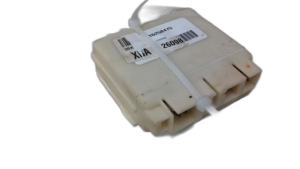
Warning: Do not confuse the Body Control Module (BCM) with the Cruise Control Module. Many owners mistakenly purchase the wrong part. The parts listed as 12567860, 12575409, or 25325365 are for the Cruise Control Module, which is located in the engine bay near the driver's side strut tower. The BCM is a different, more complex computer located inside the vehicle and is responsible for the widespread electrical issues described in this guide.
Symptoms of a Failing Body Control Module
BCM failure rarely affects just one system. The most common sign is multiple, intermittent electrical glitches that seem to have no logical cause. These problems may come and go with changes in temperature or vibration.
- Erratic Lights: Headlights, daytime running lights, or interior dome lights that refuse to turn off are a classic symptom, leading to a dead battery. You may also experience turn signals that flash at the wrong speed without a bad bulb.
- Power Lock and Window Malfunctions: Doors may lock and unlock on their own, or power windows may stop responding to the switches.
- Parasitic Battery Drain: A faulty BCM can fail to shut down a circuit when the car is off, causing the battery to die overnight or after a few days.
- Security System Problems & No-Start: The BCM is a key part of the GM Passkey III+ anti-theft system. A failing BCM can prevent the car from starting and may cause the 'SECURITY' light to flash on the dashboard.
- Instrument Cluster Issues: You might see multiple warning lights illuminate for no reason (the 'Christmas tree' effect) or the entire cluster may go blank intermittently.
- HVAC and Radio Problems: The climate control fan or radio may behave erratically or stop working altogether.
Common Diagnostic Trouble Codes (DTCs)
A failing BCM often logs communication codes, which start with a 'U'. These indicate that other modules on the vehicle's data network have lost communication with the BCM. Common codes include:
- U1000, U1016: General Class 2 communication failure codes. These are often stored in other modules when the BCM stops broadcasting its status.
- U1500: On the 2000-2005 DeVille, this code specifically points to a loss of communication with the OnStar module (VCIM), which is often caused by a faulty BCM or a failed (and obsolete) OnStar unit.
- B-codes: Various body codes related to specific circuits the BCM controls may also be present.
Known Issues, TSBs, and Recalls
While there are no major recalls specifically for the Body Control Module on these vehicles, it's important to be aware of a related issue.
Ignition Switch Recall (GM Recall 14299): The 2000-2005 Cadillac DeVille was part of a large GM recall for a faulty ignition switch. Heavy keychains combined with a jarring event could cause the key to move out of the 'RUN' position, shutting off the engine and disabling power steering, power brakes, and airbags. While this is not a BCM failure, the symptom of losing all power can sometimes be confused with a major electrical module fault. Ensure this recall has been performed on your vehicle.
Buying a Used Body Control Module
A used OEM BCM is often a reliable and cost-effective replacement. However, compatibility and post-purchase steps are critical for success.
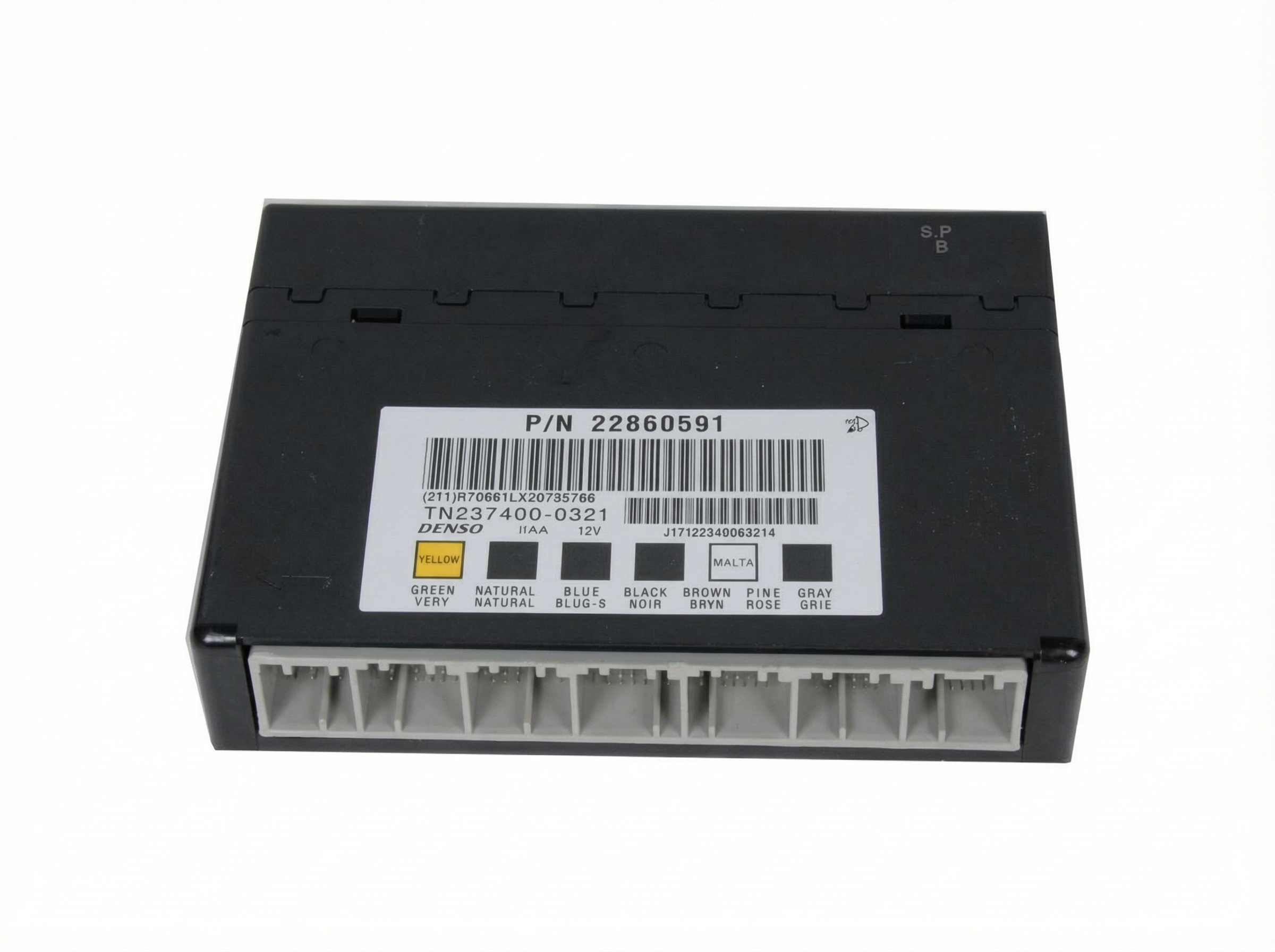
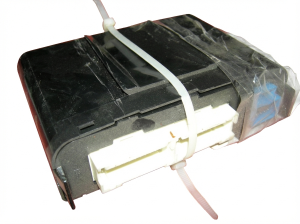
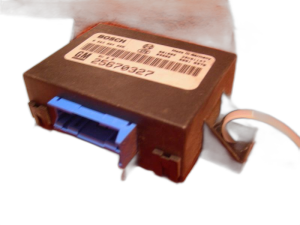
- Verify the Part Number: First, you must identify and remove your original BCM to get the exact OEM part number printed on its label. For example, a common BCM for the 2000-2004 DeVille is part number 25664439. Do not buy a module based on year and model alone; the part number must match.
- Inspect for Damage: When buying a used module, inspect the case and connectors for any signs of water damage, corrosion, or physical trauma. Do not buy a module that shows any signs of moisture intrusion.
- Factor in Programming Costs: A used BCM is not a plug-and-play part. It will require professional programming, which can cost between $100 and $250. You must factor this into the total cost of the repair.
- Consider a Cloning Service: Some vendors offer a service where they transfer the programming (including VIN and security data) from your old BCM to the replacement unit. This makes the replacement plug-and-play and avoids the need for a dealer visit, but requires you to ship your original module to the service provider.
Programming and Anti-Theft Requirements
Critical: A replacement BCM will not work until it is programmed to your car. The engine will not start, and numerous electrical systems will be inoperative. This is not an optional step.
Who Can Program the BCM?
Programming requires a specialized scan tool. This is generally not a DIY-friendly job unless you own this equipment.
- GM Dealership: The dealer can always perform the programming using their standard equipment.
- Specialized Independent Shop: Many independent shops that specialize in GM vehicles have a GM Tech 2 scan tool or a modern J2534 Passthru device with a subscription to GM's Service Programming System (SPS).
- Mobile Automotive Locksmiths: Some advanced locksmiths have the tools and software to program BCMs and handle the associated key relearn procedures.
The 30-Minute Security Relearn Procedure
After the BCM has been programmed with your car's VIN, it must learn the code from your existing ignition keys. This is done with a manual procedure that does not require any tools.
- Insert the key and turn the ignition to 'ON' (do not start the engine). Attempt to start the engine; it will likely stall, and the 'SECURITY' light will be on or flashing.
- Leave the key in the 'ON' position for approximately 10 minutes, or until the 'SECURITY' light turns off.
- Turn the key to 'OFF' and wait 10 seconds.
- Repeat steps 2 and 3 two more times, for a total of three 10-minute cycles.
- After the third cycle, turn the key off. The vehicle should now start and run normally. The BCM has now learned your key's value.
Replacement Guide and Module Locations
Physically swapping the BCM is straightforward once you access it. Always disconnect the negative battery terminal before beginning work. The location varies significantly between these models.
- 2000-2005 Cadillac DeVille: The BCM is located behind the rear seat back, typically on the driver's side. Access requires the removal of the lower rear seat cushion and the seat back. The OnStar module is often located nearby.
- 2000-2004 Cadillac Seville & 2000-2001 Cadillac Eldorado: The BCM is located inside the cabin under the dashboard, usually on the passenger side near the fuse block area or behind the glove box. Access will require removing the lower dash sound insulator panel.
Cost of Replacing the BCM
The total cost involves the part itself plus the mandatory programming fee.
| Item | Estimated Cost |
|---|---|
| Used OEM BCM | $50 - $150 |
| Remanufactured / Pre-Programmed BCM | $250 - $400 |
| New OEM BCM | Discontinued / Very Limited Availability |
| Shop Labor (Programming & Relearn) | $125 - $250 |
| Shop Labor (Physical Replacement) | $100 - $200 |
Frequently Asked Questions (FAQ)
Does a replacement BCM absolutely have to be programmed?
Yes, 100%. A BCM from another vehicle or a new one from a dealer will not allow the car to start until it is programmed with your vehicle's VIN and security information. This is a mandatory step.
Can I drive my car with a failing BCM?
It is not recommended. If the failure affects the anti-theft system, you could be stranded at any time. If it affects exterior lighting (headlights, turn signals, brake lights), the vehicle is unsafe and illegal to operate. Only drive the vehicle to a repair shop if absolutely necessary and if essential safety systems are confirmed to be working.
Where is the BCM on my 2002 Cadillac DeVille?
On all 2000-2005 Cadillac DeVille models, the BCM is located behind the rear seat back. You must remove the rear seat to access it. It is NOT the module located in the engine bay by the strut tower; that is for cruise control.
Will disconnecting the battery fix a bad BCM?
Disconnecting the battery may temporarily reset a software glitch, but it will not fix a hardware failure inside the module, such as a cracked solder joint or failed component. If the strange electrical problems return immediately after reconnecting the battery, the BCM itself is almost certainly faulty.
Technical Specifications
OEM Part Numbers: 25664439
This article is for the Body Control Module (BCM). The following part numbers are for the separate Cruise Control Module and should NOT be used to fix BCM issues: 12567860, 12575409, 25325365.
We Have This Part in Stock

The information in this article is provided for general reference and educational purposes only. Vehicle specifications, procedures, and part compatibility can vary by production date, trim level, and region. Always consult your vehicle's factory service manual and verify part numbers before purchasing or performing repairs. Safety-critical components such as airbags, seat belts, and braking systems should be installed by a qualified professional.
- Cadillac DeVille:
- CADILLAC DEVILLE:
- CADILLAC SEVILLE:
- CADILLAC ELDORADO:
- 🛍️ Shop This Part
- BCM vs. Cruise Control Module: A Critical Distinction
- Symptoms of a Failing Body Control Module
- Common Diagnostic Trouble Codes (DTCs)
- Known Issues, TSBs, and Recalls
- Buying a Used Body Control Module
- Programming and Anti-Theft Requirements
- Who Can Program the BCM?
- The 30-Minute Security Relearn Procedure
- Replacement Guide and Module Locations
- Cost of Replacing the BCM
- Frequently Asked Questions (FAQ)
- 🎟️ Get 5% Off