

2003-2006 Hummer H2 Catalytic Converter: P0430, Theft, and Manifold Replacement
An in-depth guide to the passenger side catalytic converter on the 2003-2006 Hummer H2, covering failure symptoms, legal requirements, and why this part is a major theft target.
- The OEM new part is discontinued, making used OEM or high-quality aftermarket the only options.
- Hummer H2s are a major target for catalytic converter theft due to high ground clearance and valuable converters.
- Replacement is a difficult job because the converter is integrated with the exhaust manifold and bolts are prone to breaking.
- Code P0430 specifically points to a problem with the passenger side (Bank 2) catalytic converter.
- You must verify if your state requires a more expensive CARB-compliant converter before purchasing a replacement.
Symptoms of a Failing Catalytic Converter
When the passenger side catalytic converter on your H2 begins to fail, you'll likely notice several signs. A failing converter can be inefficient, clogged, or physically broken inside.
- Check Engine Light: The most common indicator is a check engine light with code P0430 (Catalyst System Efficiency Below Threshold Bank 2). Bank 2 refers to the passenger side of the engine. While this code points directly at the converter, it can also be caused by faulty oxygen sensors or exhaust leaks, so proper diagnosis is key.
- Sluggish Performance and Poor Acceleration: A clogged converter creates excessive backpressure, essentially choking the engine. This can make your H2 feel underpowered and slow to respond, especially when you press the gas pedal.
- Rattling Noises: The ceramic honeycomb material inside the converter can break apart over time. When this happens, you may hear a rattling sound from underneath the vehicle, especially on startup or at idle.
- Rotten Egg Smell: A distinct sulfur or rotten egg smell from the exhaust is a classic sign of a failing converter. This happens when the converter is not properly processing the sulfur in the gasoline.
Is Your Hummer H2 a Target for Catalytic Converter Theft?
Yes, absolutely. The Hummer H2 is a prime target for catalytic converter theft for two main reasons:
- High Ground Clearance: Thieves can easily slide underneath an H2 with a battery-powered saw without needing a jack, allowing for a quick removal in under three minutes.
- Valuable Converters: Large trucks and SUVs like the H2 have larger engines and, therefore, larger catalytic converters. These larger units contain a higher quantity of the precious metals (platinum, palladium, and rhodium) that thieves sell to recyclers for cash.
Theft Prevention Tips
- Park in well-lit areas or a locked garage whenever possible.
- Install a catalytic converter anti-theft device, such as a steel shield or cage, which makes it much harder to cut the converter out.
- Etch your Vehicle Identification Number (VIN) onto the converter. This makes it traceable and less attractive to scrap dealers.
- Consider installing a motion-sensitive alarm or camera system.
Warning: If you start your H2 and it makes an extremely loud roaring sound, your converter has likely been stolen. Do not drive the vehicle. The exhaust is now venting directly under the cabin, and hot exhaust gases can damage other components or create a fire hazard.
Understanding Legal Requirements: CARB vs. EPA Federal
When replacing a catalytic converter, you must use a part that is legal in your state. There are two main standards in the United States: EPA (Federal) and CARB (California Air Resources Board).
- EPA (Federal): This is the national standard. Most states allow the use of EPA-compliant aftermarket converters.
- CARB-Compliant: These converters are built to a stricter standard with a higher loading of precious metals to meet more stringent emissions requirements. They are required for all vehicles in California and are also mandated for repairs in other states that have adopted California's emissions rules, such as Colorado, New York, and Maine.
Before buying a replacement, you must check your state's laws. Installing an EPA-only converter in a CARB state will cause your vehicle to fail its emissions inspection. You can identify your vehicle's original emissions certification by checking the VECI (Vehicle Emission Control Information) label in the engine bay.
Buying a Used 2003-2006 Hummer H2 Catalytic Converter
Since new OEM catalytic converters for this vehicle have been discontinued by GM, buying a quality used OEM unit is often the best and only way to get a factory-spec part. Aftermarket parts, especially cheaper ones, are known to fail prematurely or trigger check engine lights.
Visual Inspection Checklist
When inspecting a used converter, look for the following:
- No Dents or Cracks: The outer shell should be free of major dents or cracks in the welds.
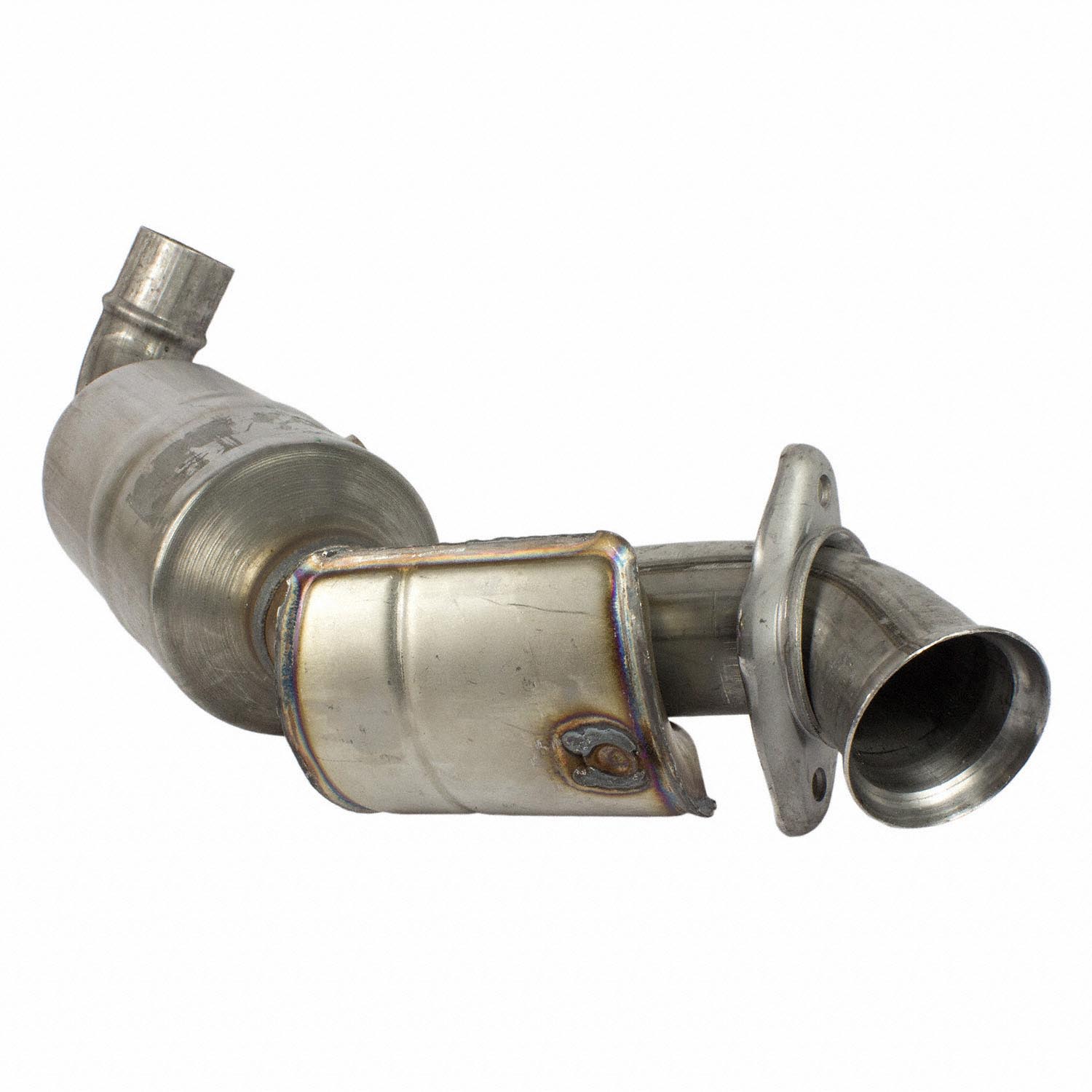
- Check the Honeycomb: Look inside the converter with a flashlight. The ceramic honeycomb structure should be intact, not melted, clogged, or broken. If you shake it and hear rattling, the inside is broken and the part is useless.
- Uncut Pipes and Flanges: Ensure the pipes and the manifold flange are not damaged or cut too short for a proper installation.
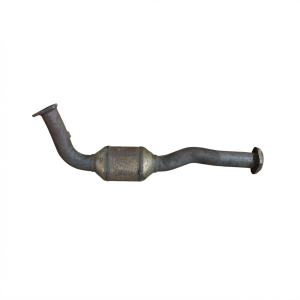
- Verify Fitment: Confirm it is the passenger side (Bank 2) unit for a 6.0L V8. It should have the integrated exhaust manifold.
Pro Tip: A used OEM converter from a vehicle registered in a CARB state (like California) is a great find, as it was built to the highest emissions standards from the factory.
Replacement Overview & Difficulty
Replacing the passenger-side manifold converter on a 2003-2006 Hummer H2 is a difficult job, rated 4 out of 5. It is not recommended for beginners. The primary challenge is dealing with rusted and seized exhaust manifold bolts that are prone to breaking off in the cylinder head.
The general process involves:
- Removing the passenger side front wheel and inner fender liner for access.
- Disconnecting the exhaust pipe from the converter outlet.
- Carefully heating the manifold bolts with a torch before attempting to loosen them to avoid snapping them.
- Removing the manifold bolts and detaching the converter assembly.
- If bolts break, they must be drilled out and extracted, which requires special tools and a great deal of patience.
Due to the high likelihood of broken bolts, what seems like a few-hour job can quickly turn into a multi-day project. A professional shop will typically charge a significant amount for labor due to this risk.
Cost Comparison
| Part Type | Estimated Cost | Notes |
|---|---|---|
| New OEM | $0 (Discontinued) | GM part number 19420120 has been discontinued and is no longer available new. |
| Used OEM | $350 - $700 | Price varies by condition and availability. Often the best choice for fit and longevity. |
| New Aftermarket (EPA Federal) | $250 - $600 | Direct-fit models for the 6.0L V8. Quality can vary significantly. |
| New Aftermarket (CARB Compliant) | $550 - $1,100 | Required for California, CO, NY, ME. Higher quality and more expensive. |
| Shop Labor | $500 - $1,200+ | Labor costs are high due to the difficulty and risk of breaking manifold bolts. |
Frequently Asked Questions (FAQ)
What does OBD-II code P0430 mean?
P0430 stands for "Catalyst System Efficiency Below Threshold (Bank 2)". This means the vehicle's computer has detected that the catalytic converter on the passenger side is no longer working effectively. The oxygen sensors before and after the converter are reporting similar readings, indicating that the exhaust gases are not being cleaned as they should be.
Can I drive with a bad catalytic converter?
You can, but it's not recommended for long. An inefficient converter will cause you to fail an emissions test. If it's clogged, it can cause severe engine performance issues and potentially lead to engine damage from excessive backpressure. A badly leaking or stolen converter is loud and can be a safety hazard.
Why did my cheap aftermarket converter fail so quickly?
Many low-cost aftermarket converters use a minimal amount of the precious metals needed for the chemical reaction. While they may work long enough to turn off the check engine light, they often don't have the capacity to keep up with the emissions of a large 6.0L V8 engine and will fail, triggering the P0430 code again. This is why a quality used OEM or a high-grade CARB-compliant part is often a better long-term solution.
Is there a recall for the catalytic converter on the 2003-2006 Hummer H2?
No, there are no specific recalls for the catalytic converters on these vehicles. There is a Technical Service Bulletin (TSB PIP3119K) that notes a new converter may need a specific break-in procedure to prevent setting a P0420 or P0430 code, but this is not a recall.
Technical Specifications
OEM Part Numbers: 10394342 15060896 15130676 15165393 15229368 19420120
Fits 6.0L V8 engine. Passenger side (Right / Bank 2) only. Integrated exhaust manifold design.
We Have This Part in Stock

The information in this article is provided for general reference and educational purposes only. Vehicle specifications, procedures, and part compatibility can vary by production date, trim level, and region. Always consult your vehicle's factory service manual and verify part numbers before purchasing or performing repairs. Safety-critical components such as airbags, seat belts, and braking systems should be installed by a qualified professional.
- Hummer H2:
- 🛍️ Shop This Part
- Symptoms of a Failing Catalytic Converter
- Is Your Hummer H2 a Target for Catalytic Converter Theft?
- Theft Prevention Tips
- Understanding Legal Requirements: CARB vs. EPA Federal
- Buying a Used 2003-2006 Hummer H2 Catalytic Converter
- Visual Inspection Checklist
- Replacement Overview & Difficulty
- Cost Comparison
- Frequently Asked Questions (FAQ)
- 🎟️ Get 5% Off