

2015-2025 Ford Escape Door Glass: Acoustic vs. Standard Glass Explained
This guide explains the critical difference between standard tempered and premium acoustic sound-dampening glass for 2015-2025 Ford Escape models to ensure you buy the correct replacement.
- The most critical factor is identifying if your Escape has standard tempered glass or premium acoustic (laminated) glass, which is common on SE, SEL, and Titanium trims.
- When buying used acoustic glass, inspect the edges carefully for any signs of delamination (a milky or bubbly appearance).
- For 2020-2021 models, be aware of a door check bracket issue (NHTSA investigation PE23013) that can cause popping noises and interfere with window operation.
- Always vacuum broken glass shards from inside the door and window channels before installing a new pane to prevent rattles and scratches.
Key Differences: Acoustic vs. Standard Glass
The single most important factor when replacing a front door glass on a 2015-2025 Ford Escape is determining whether your vehicle is equipped with standard tempered glass or premium acoustic (laminated) glass. Using the wrong type will result in improper fit, increased wind noise, and potential issues with window operation.
- Acoustic (Laminated) Glass: This is the premium option found on higher trim levels like the SE, SEL, and Titanium. It's designed to reduce noise, vibration, and harshness (NVH). This glass consists of a layer of sound-absorbent vinyl sandwiched between two layers of glass. Ford often markets this under the brand name "SoundScreen".
- Standard (Tempered) Glass: This is typically found on the base 'S' model and on the rear doors of all trim levels. It is a single layer of glass that has been heat-treated for safety, causing it to break into small, granular chunks instead of sharp shards.
Pro Tip: To identify which glass you have, roll the window down and look at the top edge. If it looks like a sandwich with a clear layer in the middle, it's laminated acoustic glass. You can also check the text printed in the corner of the glass for markings like "Acoustic," "SoundScreen," or an ear symbol.
Symptoms of Failure
Door glass failure is usually obvious, but related components can cause confusing symptoms.
- Visible Cracks or Shattering: The most common failure. Tempered glass will break into many small pieces, while laminated glass will crack but largely hold together due to the inner vinyl layer.
- Increased Wind Noise: If the glass is not sealing properly, you'll hear excessive wind noise. This can be due to a bad seal or a window that has slipped in its track.
- Window is Crooked or Off-Track: This is often a symptom of a failing window regulator, which holds the glass, but can also happen if the glass has separated from its mounting clamps.
- Delamination: On acoustic (laminated) glass, the layers can begin to separate over time, especially at the edges. This looks like a milky or bubbly appearance along the edge of the glass.
- Scratches: Deep scratches can weaken the glass and obstruct vision. These can be caused by debris trapped in the window seals.
Buying a Used Door Glass: What to Check
Purchasing a used OEM door glass is an excellent way to save money while maintaining original quality, fit, and function. However, careful inspection is key.
- Verify Glass Type: First and foremost, confirm you are buying the correct type (acoustic or standard) for your Escape's trim level. Use the identification methods mentioned above. Do not install standard glass on a vehicle that came with acoustic glass, or vice-versa.
- Inspect for Scratches: Hold the glass up to a light source and check both sides for deep scratches or heavy pitting that could impair vision. Minor surface marks are often acceptable.
- Check for Delamination (Acoustic Glass): Carefully examine the edges of the glass for any signs of the layers separating. This appears as a milky, foggy, or bubbly line. Reject any glass that shows signs of delamination.
- Examine Mounting Points: Look at the bottom of the glass where it clamps into the window regulator. Ensure the area is free of chips or damage that could prevent a secure installation.
- Confirm Tint Match: OEM glass has a specific factory tint. A used OEM part will match your other windows perfectly, whereas some aftermarket glass may have a slightly different color.
Warning: The 2015-2025 model year range spans two generations of the Ford Escape (Third Gen: 2013-2019, Fourth Gen: 2020-present). While some parts may overlap, many do not. Always verify the part number and specific year range of the donor vehicle before purchasing.
Known Issues, Recalls, and Technical Service Bulletins (TSBs)
While there are no specific recalls for the door glass itself, there is a significant issue related to the front doors on 2020-2021 models that buyers should be aware of.
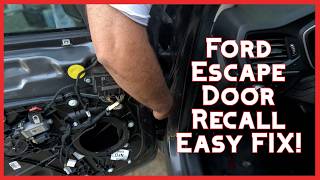
- NHTSA Investigation PE23013 (2020-2021 Models): The NHTSA opened an investigation into the failure of spot welds that hold the door check arm bracket. Owners report a popping or clunking noise when opening the door. If the bracket separates completely, it can fall inside the door, potentially interfering with the window's operation or even causing the door to fail to latch properly. While this is not a glass failure, a used door from this period should be inspected for this issue. Ford issued Customer Satisfaction Program 23B56 🎬 Watch: How to repair the broken door check spot welds to address this problem.
- Window Regulator Failure: Like many vehicles, the window regulators (the mechanism that lifts the glass) can fail. Symptoms include a grinding noise, a window that moves slowly or gets stuck, or a window that drops into the door.
Replacement Overview
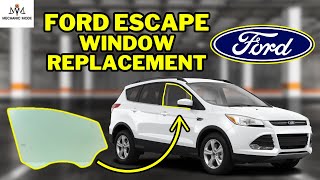
Replacing the door glass is a moderately difficult task for a DIYer. The basic steps involve removing the interior door panel, peeling back the vapor barrier, unbolting the old glass from the window regulator, and carefully maneuvering it out of the door frame. Installation is the reverse of removal.
🎬 See this 10-minute walkthrough for replacing the front window glassKey Steps & Tips:
- Disconnect the battery to avoid any electrical issues or accidental airbag deployment.
- Use painter's tape to hold the window in place before unbolting it from the regulator.
- Thoroughly vacuum any broken glass from inside the door and the window channels to prevent scratching the new glass and to avoid rattles.
- Be careful with the plastic clips that hold the door panel; they are fragile and can break easily.
| Part/Service | Estimated Cost |
|---|---|
| New OEM (Acoustic/Laminated) | $350 - $540 |
| New OEM (Standard) | $180 - $350 |
| New Aftermarket | $45 - $150 |
| Used OEM | $75 - $200 |
| Shop Labor | $100 - $250 |
Frequently Asked Questions (FAQ)
Can I upgrade my standard glass to acoustic glass?
Yes, this is generally possible. You would need to purchase the acoustic version of the glass for your model year. The installation procedure is the same. This can be a worthwhile upgrade for reducing cabin noise.
How can I be sure which glass my Escape has?
Check the text printed in the corner of your front driver or passenger window. Look for words like "SoundScreen" or "Acoustic". If no such marking exists, and you have a base 'S' model, you likely have standard tempered glass. You can also visually inspect the top edge of the glass when it's partially rolled down; a visible middle layer indicates laminated acoustic glass.
Is it safe to drive with a broken side window?
It is not recommended. A broken or missing window exposes you and your vehicle's interior to the elements and poses a significant security risk. A shattered window can also leave glass shards that could be hazardous. It's best to get it replaced as soon as possible.
Does the tint color matter when buying a used window?
Yes. To ensure a perfect match with your other windows, it's best to buy a used OEM part. OEM glass has a consistent factory tint, whereas aftermarket glass might have slight variations in color or darkness.
Helpful Videos
Technical Specifications
OEM Part Numbers: DD13134GT CJ5Z-7821411-B EJ7Z-7821410-B LJ6Z-7821411-A LJ6Z-7821411-E LJ6Z-7821411-F LJ6Z7821411A LJ6Z7821411E LJ6Z7821411F CJ5Z-7821410-A
Varies by part number. Key specifications are glass type (tempered vs. laminated/acoustic) and vehicle generation (2015-2019 vs. 2020-2025).
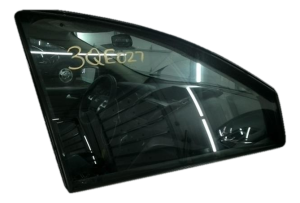
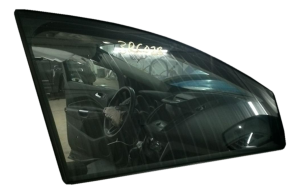
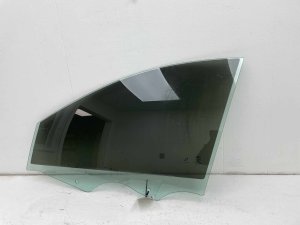
We Have This Part in Stock

The information in this article is provided for general reference and educational purposes only. Vehicle specifications, procedures, and part compatibility can vary by production date, trim level, and region. Always consult your vehicle's factory service manual and verify part numbers before purchasing or performing repairs. Safety-critical components such as airbags, seat belts, and braking systems should be installed by a qualified professional.
- Ford Escape: