

2001 Ford Ranger & 2001-2002 Mazda B-3000 ECM: The Critical '1L5F-GB' ID Match and PATS Programming
This guide covers the essential compatibility requirements and anti-theft programming needed when replacing the Engine Control Module in your 2001 Ford Ranger or 2001-2002 Mazda B-3000.
- The replacement ECM's ID number MUST be '1L5F-GB'. There are no substitutes for this specific hardware.
- The vehicle will not start after installation until the PATS anti-theft system is reprogrammed by a dealer, locksmith, or qualified shop.
- Physical replacement is easy, but the mandatory programming requires special tools and is not a typical DIY task.
- Common failure symptoms include a no-start condition, stalling, misfires, and a persistent Check Engine Light with internal fault codes.
Symptoms of a Failing ECM
A failing Engine Control Module in a 2001 Ford Ranger or 2001-2002 Mazda B-3000 can cause a variety of confusing symptoms. Because the ECM controls so many different functions, problems can often be misdiagnosed as sensor or component failures. Watch for these common indicators:
- Check Engine Light: An illuminated Check Engine Light is one of the most common signs. A failing ECM may store internal fault codes, such as P0601 through P0606, which point directly to a problem with the module itself.
- Engine Will Not Start: The engine may crank over but refuse to start. This can happen if the ECM is not sending the correct signals to the fuel injectors or ignition coils, or if the anti-theft system is not recognizing the module.
- Stalling and Misfiring: The engine may stall unexpectedly while driving, run rough, misfire, or stutter during acceleration. This is often due to the ECM providing an incorrect air-fuel ratio.
- Poor Performance and Fuel Economy: A sudden drop in gas mileage or a noticeable loss of power can indicate the ECM is not managing the engine's functions efficiently.
- Automatic Transmission Issues: For vehicles with an automatic transmission, you might experience rough or erratic shifting, as the ECM plays a key role in controlling transmission behavior.
Known Issues, TSBs, and Recalls
While there are no specific recalls for the ECM on these models, several Technical Service Bulletins (TSBs) address related symptoms that could be misdiagnosed as an ECM failure. For example, TSB 00-3-5 for the 1998-2000 Ranger notes that a high idle condition can be caused by a poor electrical connection at the Throttle Position Sensor (TPS) harness, not necessarily the ECM. TSB 04-17-4 addresses lean diagnostic trouble codes that may also point to issues other than the main computer. Always investigate related TSBs before condemning the ECM.
Important: The ECM is located in the engine bay on the passenger-side firewall. Its location makes it susceptible to heat and moisture. Before replacing the module, always inspect the wiring harness and connectors for corrosion, damage, or loose connections, which can mimic ECM failure symptoms.
Buying a Used Engine Control Module (ECM)
Purchasing a used ECM is a cost-effective solution, but careful verification is required to ensure it works correctly in your truck. Follow these guidelines to find the right part.
1. Verify the Part Number — This is Non-Negotiable
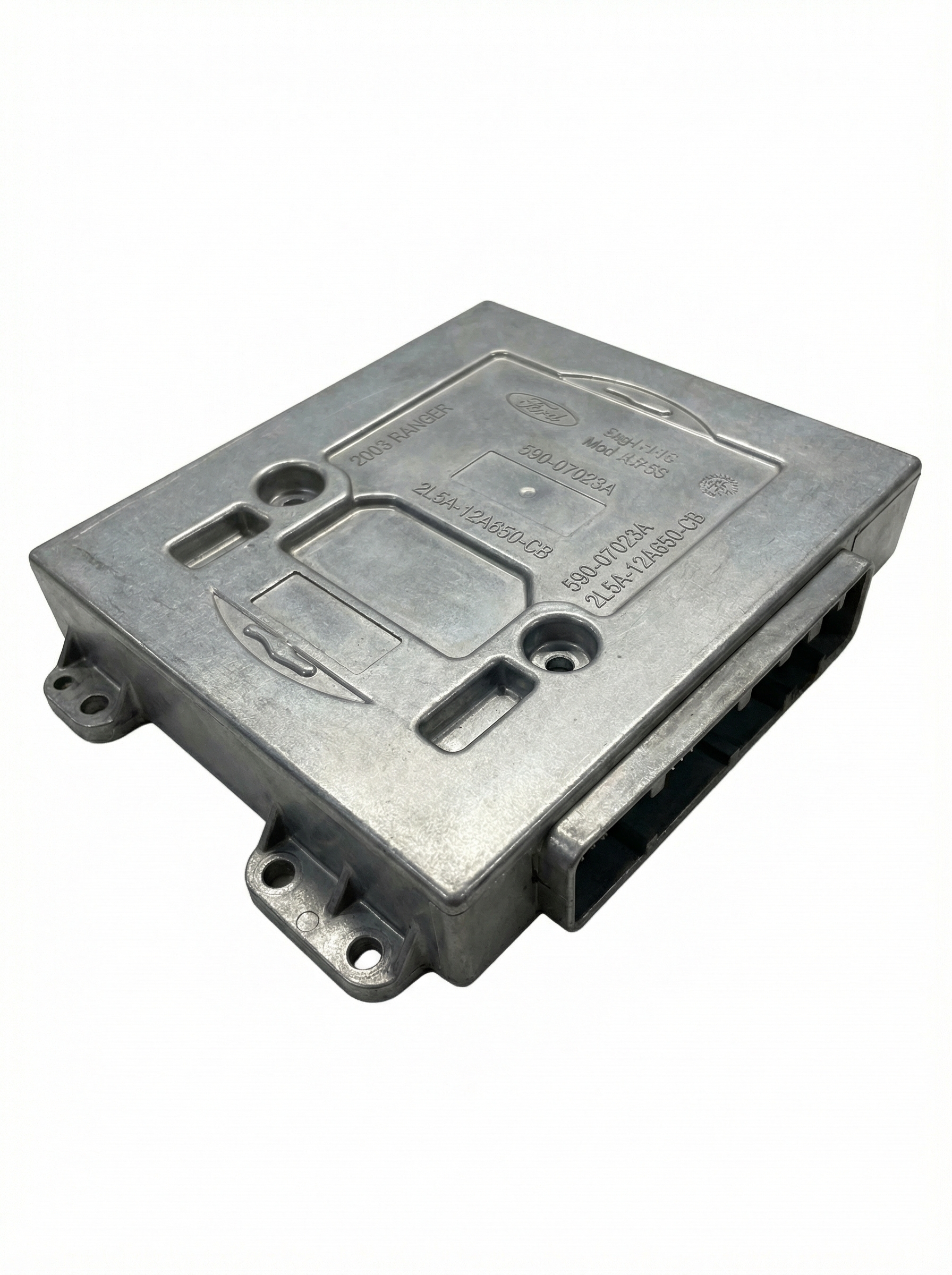
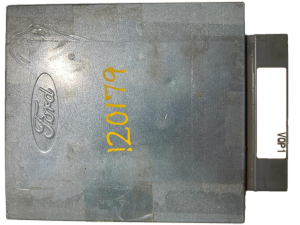
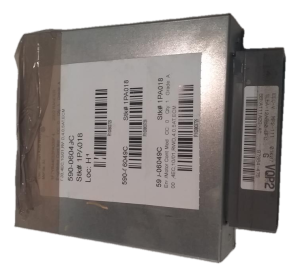
The single most important step is to match the identification number on your original ECM. For this specific group of vehicles, you must find a replacement with the exact ID '1L5F-GB' printed on the module's label. Other part numbers like 1L5F-12A650-GB, 1L5F12A650GB, and 1L5Z-12A650-GB all refer to this same unit. Using an ECM with a different ID will not work, as it contains different software calibrations for the engine, transmission, and emissions equipment.
2. Physical Inspection
When you have the used part in hand, inspect it carefully:
- Case Condition: Look for signs that the case has been opened, such as pry marks or broken seals. This could indicate a failed repair attempt.
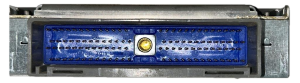
- Connector Pins: Check the electrical connector pins for any signs of corrosion (green or white powder), bending, or damage.
- Water Damage: Look for any water lines or rust on the casing, which could mean the internal electronics have been compromised.
3. Why Used OEM is a Good Choice
For a part this complex, a used original equipment (OEM) module is often a reliable choice. It contains the factory-correct software and is designed to integrate perfectly with your vehicle's systems. Some aftermarket or even remanufactured units can have programming glitches or compatibility issues. Repairing your original module is also an option, but it requires sending it to a specialized service.
Programming and Anti-Theft System (PATS)
You cannot simply swap this ECM and drive away. The 2001 Ford Ranger and its Mazda counterpart are equipped with Ford's Passive Anti-Theft System (PATS). The ECM is a key part of this system. When you install a replacement ECM, the vehicle will not start until the PATS system is 'introduced' to the new module and programmed to recognize your existing keys.
This is not a DIY procedure for most home mechanics. It requires specialized diagnostic tools, like the Ford NGS or a high-end professional scan tool. The process involves a 'parameter reset' to link the instrument cluster (which may also be part of the PATS loop) and the new ECM. After the modules are linked, the keys must be reprogrammed to the system.
Who can do the programming?
- Ford/Mazda Dealership: They have the guaranteed correct tools and procedures.
- Automotive Locksmith: Many locksmiths have the equipment to reprogram PATS keys and modules.
- Independent Repair Shop: A well-equipped independent shop that services Ford vehicles should be able to perform the programming.
Pro Tip: You must have at least two working PATS keys to add new keys to the system yourself. If you only have one key, you will require a professional to program any new or existing keys after an ECM swap. Some online retailers sell used ECMs bundled with pre-programmed keys, which can sometimes simplify the process.
Replacement Cost Comparison
Prices can vary based on condition, warranty, and programming services included.
| Part Type | Estimated Cost |
|---|---|
| New OEM | Often discontinued and no longer available. |
| New Aftermarket | $300 - $500+ |
| Remanufactured | $200 - $400 (may require core return) |
| Used OEM | $75 - $200 |
| Shop Labor (Replacement & Programming) | $150 - $300 |
Frequently Asked Questions (FAQ)
Do I absolutely have to program this ECM?
Yes. Due to the PATS anti-theft system, the vehicle will not start until the replacement ECM is programmed to your vehicle and keys. The engine will crank, but the theft light will likely flash, and the fuel injectors will be disabled.
What happens if I install an ECM with a different ID number?
The vehicle will not run correctly, if at all. The ID number (e.g., '1L5F-GB') corresponds to a specific software calibration for your truck's engine, transmission, and emissions package. Using the wrong one will cause communication errors and severe drivability problems.
Can I replace the ECM myself to save on labor?
Yes, the physical replacement is straightforward for a DIY mechanic. The ECM is on the passenger-side firewall and held in by a few bolts. You can disconnect the battery, unplug the electrical connectors, swap the module, and then have the vehicle towed to a shop for the final, required programming.
What causes these ECMs to fail?
Common causes of failure for any ECM include voltage spikes (from improper jump-starting), water intrusion from a damaged case or leaking cowl, internal corrosion, and vibrations or excessive heat over many years of service.
Technical Specifications
OEM Part Numbers: 1L5F-12A650-GB 1L5F12A650GB 1L5FGB 1L5Z-12A650-GB
Hardware ID: 1L5F-GB. Compatible with Ford's PATS (Passive Anti-Theft System).
We Have This Part in Stock

The information in this article is provided for general reference and educational purposes only. Vehicle specifications, procedures, and part compatibility can vary by production date, trim level, and region. Always consult your vehicle's factory service manual and verify part numbers before purchasing or performing repairs. Safety-critical components such as airbags, seat belts, and braking systems should be installed by a qualified professional.
- Ford Ranger:
- Mazda B-3000:
- 🛍️ Shop This Part
- Symptoms of a Failing ECM
- Known Issues, TSBs, and Recalls
- Buying a Used Engine Control Module (ECM)
- 1. Verify the Part Number — This is Non-Negotiable
- 2. Physical Inspection
- 3. Why Used OEM is a Good Choice
- Programming and Anti-Theft System (PATS)
- Replacement Cost Comparison
- Frequently Asked Questions (FAQ)
- 🎟️ Get 5% Off