

2011-2013 Toyota Corolla ECM: Failure Symptoms, Part Numbers, and Programming
A complete guide to diagnosing, replacing, and programming the Engine Control Module for your 2011, 2012, or 2013 Toyota Corolla.
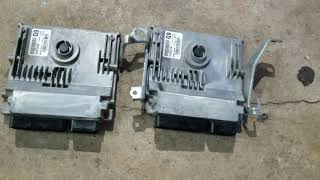
- A replacement ECM MUST be programmed to the vehicle's VIN and immobilizer system to function; it is not a plug-and-play part.
- The OEM part number on the replacement ECM must EXACTLY match the number on your original module.
- Common failure symptoms include a check engine light, no-start conditions, poor engine performance, and erratic shifting.
- While a DIYer can physically swap the module, a trip to a dealer or a well-equipped independent shop is required for programming unless a pre-programmed unit is purchased.
Symptoms of a Failing 2011-2013 Corolla ECM


When the ECM begins to fail, it can cause a wide range of confusing and intermittent problems. Because the ECM controls so many different systems, symptoms can vary from minor annoyances to issues that prevent the car from starting. Common causes of failure include internal component degradation from heat and vibration, moisture intrusion, and voltage spikes.
- Check Engine Light: An illuminated Check Engine Light is one of the most common signs. The ECM may set codes related to its own internal processing (like P0606 or P0607) or it may set codes for sensors that are actually working correctly, because the ECM itself is misinterpreting the data.
- Engine Performance Issues: You may experience a range of performance problems, including rough idling, engine misfires, hesitation during acceleration, stalling for no reason, or a general loss of power.
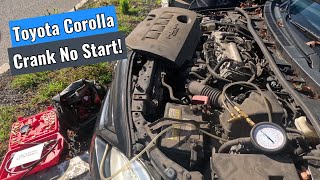
- No-Start Condition: A completely failed ECM can prevent the engine from starting at all. 🎬 Watch: Diagnosing a crank no-start condition on a 2013 Corolla The module may not be able to send the correct signals for spark or fuel delivery.
- Poor Fuel Economy: If the ECM is not managing the air-fuel mixture correctly, you may notice a sudden and significant drop in your gas mileage.
- Transmission Shifting Problems: The ECM communicates with the transmission controller. A faulty ECM can send incorrect data, leading to hard, erratic, or delayed shifts in automatic transmissions.
- Intermittent Electrical Issues: In some cases, a failing ECM can cause strange electrical glitches, like dashboard gauges acting erratically.
Known Issues, Recalls, and Technical Service Bulletins (TSBs)

While there was a significant ECM recall for 2005-2008 Corollas for issues causing harsh shifting and stalling, this specific problem does not officially extend to the 2011-2013 model years.
However, the 2011-2013 Corolla was part of a major safety recall (NHTSA Campaign No. 20V024, Toyota recall 20TA03) related to the airbag control unit, which is a separate ECU. This recall addresses an issue where the airbag ECU may not have adequate electrical noise protection, potentially preventing airbags from deploying in a crash. The fix involves a dealer installing a noise filter. While this is not the main engine ECM, it's a critical computer-related issue for owners to be aware of.
Warning: Do not confuse the main Engine Control Module (ECM) with the Airbag Control ECU. They are separate parts with different functions and recalls.
Programming, Immobilizer, and VIN Matching
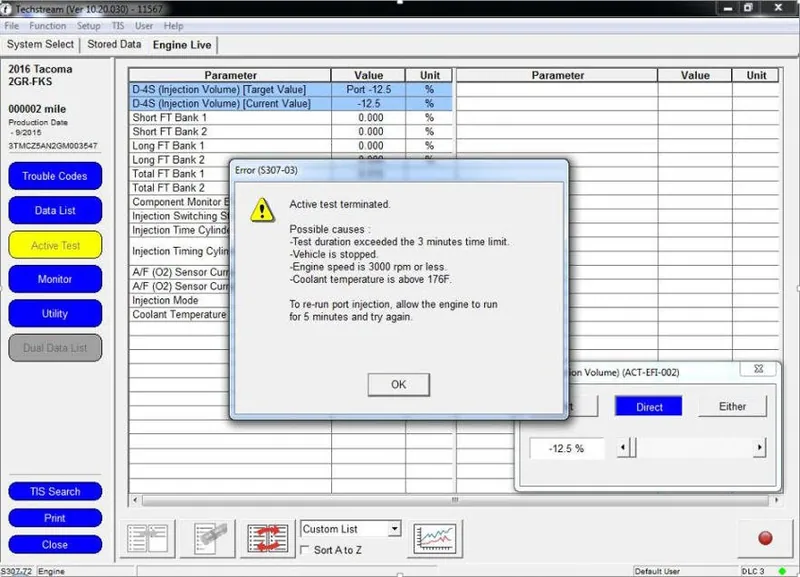
This is the most critical part of replacing the ECM in a 2011-2013 Corolla. You cannot simply swap a used ECM from another car and expect it to work. The replacement module must be programmed to your specific vehicle.
- Immobilizer System: The ECM is a key part of your Corolla's anti-theft immobilizer system. The system works by recognizing a unique code from a chip in your key. If a new or used ECM is installed, it will not recognize your existing keys, and the car will not start.
- Programming Required: The replacement ECM must be programmed to your car's Vehicle Identification Number (VIN) and have the immobilizer system 're-learned' or synchronized with your keys. This process is often called a "handshake." 🎬 Watch: How to perform the immobilizer handshake with a paperclip
- Who Can Program It? A Toyota dealership is always able to perform the programming using their proprietary Techstream software. Many well-equipped independent repair shops with advanced scan tools (like Autel or Snap-on) and a subscription to Toyota's technical information can also perform this service. Some online sellers of used ECMs offer a "plug-and-play" service where they program the module to your VIN before shipping it, sometimes including a tool to complete the key relearn process at home.
Pro Tip: Before condemning the ECM, a technician should always check for basics like a good battery, clean ground connections, and intact fuses for the EFI (Electronic Fuel Injection) system. A simple electrical issue can sometimes mimic a complex computer failure.
Buying a Used 2011-2013 Corolla ECM
Purchasing a used OEM ECM is a cost-effective way to get your Corolla back on the road, but careful attention to detail is required.
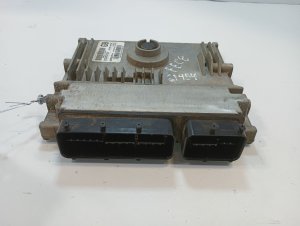
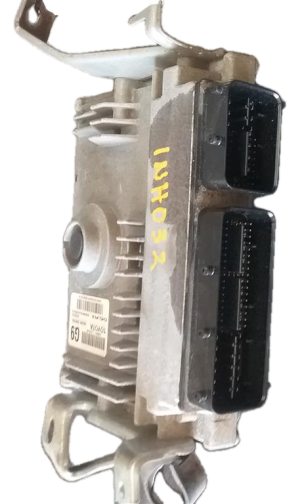
- Match the Part Number EXACTLY: This is the most important rule. The part number on the sticker of the replacement ECM must be an exact match to your original unit. Different part numbers can have different internal hardware or software for various emissions standards (California vs. Federal) or vehicle options. Using the wrong part number will not work, even if programmed. The initial vetted data lists several compatible part numbers, including 89661-02Q60, 89661-02Q61, 89661-0ZA40, and 89661-0ZA41.
- Physical Inspection: When you receive the used module, inspect it carefully. Look for any signs that the case has been opened, which could indicate a failed repair attempt. Check the connectors for corrosion, bent pins, or water damage.
- Buy From a Reputable Source: Purchase from an established auto recycler that offers a warranty. This gives you protection in case the part is defective. A random seller on a marketplace may not offer any recourse if the part is dead on arrival.
Replacement Cost Comparison
Prices can vary based on your location and the specific shop. The costs below are estimates to help you understand the value of a used OEM part.
| Part Type | Estimated Cost |
|---|---|
| New OEM (Dealer) | $800 - $1,500+ |
| Remanufactured / Programmed | $220 - $350 |
| Used OEM (Recycled) | $75 - $200 |
| Shop Labor (Installation & Programming) | $150 - $300 |
Frequently Asked Questions (FAQ)
Can I drive my car with a bad ECM?
It is not recommended. Depending on the failure mode, the car may stall unexpectedly, run very poorly, or fail to start, potentially leaving you stranded. A failing ECM can also cause damage to other components like the catalytic converter if the air-fuel mixture is incorrect for a prolonged period.
Do I have to go to the Toyota dealer for programming?
Not necessarily. While a Toyota dealer can always do the job, many independent auto repair shops that specialize in imports or electrical diagnostics have the tools and subscriptions needed to program a replacement ECM. Always call ahead and confirm they can program a Toyota ECM and immobilizer before bringing your car in.
What's the difference between an ECM, ECU, and PCM?
For most modern cars, these terms are used interchangeably. ECM (Engine Control Module) and ECU (Engine Control Unit) refer to the computer that controls the engine. PCM (Powertrain Control Module) is a term for a module that controls both the engine and the transmission in a single unit. In the context of the 2011-2013 Corolla, you will see all three terms used to describe the same part.
Will a used ECM from a 2010 Corolla work in my 2012 Corolla?
No. You must use an ECM from the correct year range (2011-2013) and, most importantly, with the exact same OEM part number as your original module. Even if the plugs match, the internal hardware and software are different between generations and even within the same generation for different configurations.
Helpful Videos
Technical Specifications
OEM Part Numbers: 89661-02Q60 89661-02Q61 89661-0ZA40 89661-0ZA41 8966102Z41 89661-0Z560
Controls the 1.8L 2ZR-FE engine and automatic transmission. Integrated with the vehicle's immobilizer system.
We Have This Part in Stock

The information in this article is provided for general reference and educational purposes only. Vehicle specifications, procedures, and part compatibility can vary by production date, trim level, and region. Always consult your vehicle's factory service manual and verify part numbers before purchasing or performing repairs. Safety-critical components such as airbags, seat belts, and braking systems should be installed by a qualified professional.
- Toyota Corolla: