

2007-2015 Mazda CX-9 Coolant Reservoir: Why They Crack and How to Replace Them
This guide covers the common failure points, symptoms, and replacement costs for the engine coolant reservoir on the first-generation Mazda CX-9.
- The primary failure mode for the 2007-2015 CX-9 reservoir is age-related cracking of the plastic due to heat cycles.
- Symptoms are easy to spot: visible leaks, a sweet coolant smell, low coolant levels, and engine overheating.
- Replacement is a simple DIY job that takes less than an hour with basic tools.
- When buying used, meticulously inspect for hairline cracks, especially around the hose connections and mounting points.
Symptoms of a Failing Coolant Reservoir
A failing coolant reservoir on a 2007-2015 Mazda CX-9 will typically show obvious signs. Because the part is made of plastic and exposed to constant temperature changes, it can become brittle and crack over time. Here are the most common symptoms to watch for:
1. Visible Coolant Leaks
This is the most common sign of a bad reservoir. You may notice puddles of brightly colored fluid (green, orange, or pink) under the front of your vehicle. You might also see wet spots or residue on or around the tank itself. The coolant has a distinct sweet smell, which can also be an indicator of a leak.
2. Engine Overheating
If the reservoir is cracked and can no longer hold coolant, the cooling system will draw in air instead of fluid. This can lead to an airlock in the system, preventing proper coolant circulation and causing the engine temperature to rise. An overheating engine is a serious issue that can lead to expensive damage if not addressed immediately.
3. Constantly Low Coolant Level
If you find yourself frequently needing to add coolant to the reservoir, it's a strong sign of a leak somewhere in the system. The reservoir itself is a common culprit due to age and heat exposure. A slow leak may not leave a noticeable puddle but will still require constant top-offs.
4. Visible Cracks or Damage
Periodically inspect the reservoir for any physical damage. Look for hairline cracks, especially around the hose connections and mounting points. The plastic can become yellow and brittle with age, making it more susceptible to cracking.
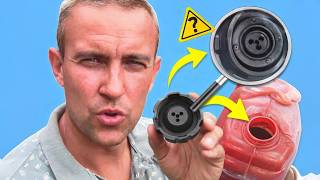
Pro Tip: A faulty reservoir cap can also cause issues. If the cap's seal is damaged, it won't hold pressure correctly, which can lead to coolant loss and overheating. Many new reservoirs come with a new cap included.
🎬 Watch: How to check if your expansion tank cap is still good.Buying a Used 2007-2015 Mazda CX-9 Coolant Reservoir
A used OEM (Original Equipment Manufacturer) coolant reservoir can be a cost-effective and reliable alternative to a new part. However, careful inspection is crucial to ensure you're getting a quality component.
What to Inspect Before Buying
- Check for Hairline Cracks: This is the most important check. Hold the reservoir up to a light and meticulously inspect the entire surface, paying close attention to the neck, hose ports, and mounting tabs. Flex the part slightly to reveal any hidden cracks.
- Assess Plastic Condition: Look for plastic that is excessively yellowed, cloudy, or brittle. Healthy plastic should be somewhat translucent and have a little bit of flex. Avoid reservoirs that look faded or feel chalky.
- Inspect Hose Connections: Ensure the hose nipples are not cracked, chipped, or deformed. These are high-stress areas that are prone to failure.
- Verify the Cap Seal (if included): If the used reservoir comes with a cap, check the rubber gasket inside. It should be soft and pliable, not cracked, hard, or flattened.
- Cleanliness: A clean interior is a good sign. Avoid reservoirs with heavy sediment, sludge, or an oily film inside, as this could indicate the donor vehicle had a serious engine problem like a blown head gasket.
Why Used OEM is Often a Good Choice
Used OEM reservoirs are made to Mazda's original specifications for material quality and fitment. They often provide better durability and a more precise fit than cheap, new aftermarket alternatives, which may be made from lower-grade plastic that can fail prematurely.
Known Issues, TSBs, and Recalls
While the coolant reservoir itself is not subject to specific recalls or Technical Service Bulletins (TSBs) for the 2007-2015 Mazda CX-9, it's important to be aware of a related issue in later models. Some newer CX-9s (2016-2020) with the 2.5T engine have a known issue with coolant leaks from a cracked cylinder head, covered under TSB 01-002/23. This does not directly affect the 2007-2015 models or the reservoir itself, but it highlights Mazda's history with cooling system issues. For the first-generation CX-9, the primary problem is age-related material degradation of the plastic reservoir.
There are no NHTSA recalls specifically for the coolant reservoir on 2007-2015 Mazda CX-9 models.
Cost Comparison
The cost to replace a coolant reservoir can vary significantly based on the part source and whether you perform the labor yourself.
| Part Source | Estimated Part Cost |
|---|---|
| New OEM | $90 - $135 |
| New Aftermarket | $40 - $95 |
| Used OEM | $35 - $75 |
| Shop Labor | $73 - $107 |
Installation Guide
Replacing the coolant reservoir is a straightforward job that most DIY mechanics can complete in under an hour with basic hand tools.
- Difficulty: 1 out of 5
- Estimated Time: 30-60 minutes
Required Tools:
- Socket set or wrenches (typically 10mm)
- Pliers (for hose clamps)
- Drain pan
- Rags
Step-by-Step Instructions:
Warning: Never open the cooling system or attempt to remove the reservoir cap when the engine is hot. The system is under pressure and can cause severe burns. Always wait for the engine to cool down completely.
- Let the Engine Cool: Ensure the engine is completely cool to the touch.
- Remove the Cap: Once cool, slowly open the reservoir cap to release any residual pressure.
- Drain or Remove Coolant: Place a drain pan under the reservoir. You can either use a fluid extractor to suck the coolant out from the top or disconnect the lower hose and let it drain into the pan.
- Disconnect Hoses: Use pliers to squeeze the hose clamps and slide them down the hoses. Carefully twist and pull the hoses off the reservoir connections.
- Unbolt the Reservoir: Remove the mounting bolts that secure the reservoir to the vehicle frame.
- Install the New Reservoir: Place the new reservoir in position and secure it with the mounting bolts.
- Reconnect Hoses: Attach the hoses to the new reservoir and secure them with the clamps in their original positions.
- Refill with Coolant: Fill the new reservoir to the 'FULL' or 'MAX' line with the correct type of coolant for your CX-9 (typically a blue, long-life formula). Do not overfill.
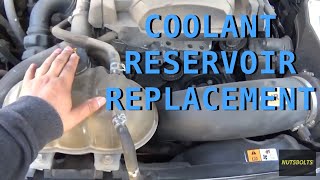
- Check for Leaks: Start the engine and let it run for a few minutes to circulate the coolant. Check the reservoir and hose connections for any leaks. 🎬 See this walkthrough for a step-by-step guide on replacing the reservoir. Top off the coolant if the level drops after the engine warms up and cools back down.
Frequently Asked Questions
Can I drive my CX-9 with a cracked coolant reservoir?
It is not recommended. A cracked reservoir will leak coolant, which can lead to engine overheating and catastrophic damage. If the leak is very small, you might be able to drive a short distance to a repair shop, but you must monitor the temperature gauge constantly.
What type of coolant does a 2007-2015 Mazda CX-9 use?
The recommended coolant is typically a blue-colored, long-life formula. It's crucial to use the correct type to prevent corrosion and ensure proper cooling system performance. Always check your owner's manual or the coolant specifications to be certain.
Is it okay to just use water instead of coolant?
In an emergency, you can use water to get to a safe location. However, water alone does not have the anti-corrosion properties or the high boiling point of proper coolant. It should be drained and replaced with the correct 50/50 coolant/water mixture as soon as possible.
Why did my new aftermarket reservoir fail so quickly?
Low-quality aftermarket reservoirs are often made from inferior plastic that cannot withstand the constant heat cycles of the engine bay. They can become brittle and crack much faster than OEM parts. This is why a high-quality used OEM part is often a more durable choice than a cheap new aftermarket one.
Helpful Videos
Technical Specifications
OEM Part Numbers: CY0115350 CY0115350A
The updated part number, CY01-15-350A, replaces the original CY0115350.
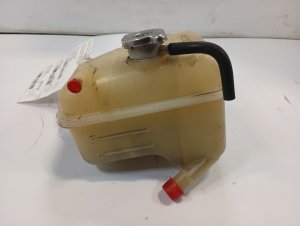
We Have This Part in Stock

The information in this article is provided for general reference and educational purposes only. Vehicle specifications, procedures, and part compatibility can vary by production date, trim level, and region. Always consult your vehicle's factory service manual and verify part numbers before purchasing or performing repairs. Safety-critical components such as airbags, seat belts, and braking systems should be installed by a qualified professional.
- Mazda CX-9:
- 🎬 Helpful Videos
- 🛍️ Shop This Part
- Symptoms of a Failing Coolant Reservoir
- 1. Visible Coolant Leaks
- 2. Engine Overheating
- 3. Constantly Low Coolant Level
- 4. Visible Cracks or Damage
- Buying a Used 2007-2015 Mazda CX-9 Coolant Reservoir
- What to Inspect Before Buying
- Why Used OEM is Often a Good Choice
- Known Issues, TSBs, and Recalls
- Cost Comparison
- Installation Guide
- Required Tools:
- Step-by-Step Instructions:
- Frequently Asked Questions
- 🎟️ Get 5% Off