

Ford & Lincoln Engine Cover Guide: 2010-2019 Explorer, Flex, Taurus & More
This guide will help you identify the correct engine cover for your Ford or Lincoln, as many different covers were used across these shared-platform vehicles.
- You must verify your specific engine (3.5L EcoBoost, 3.5L/3.7L non-turbo, 2.0L EcoBoost) before buying, as each requires a different cover.
- The most common failure is rattling due to worn rubber grommets or broken mounting points.
- When buying used, the most important thing to check is the integrity of the mounting posts on the underside of the cover.
- Installation is extremely simple: the cover just pops on and off of ball studs on the engine.
Identifying the Correct Engine Cover

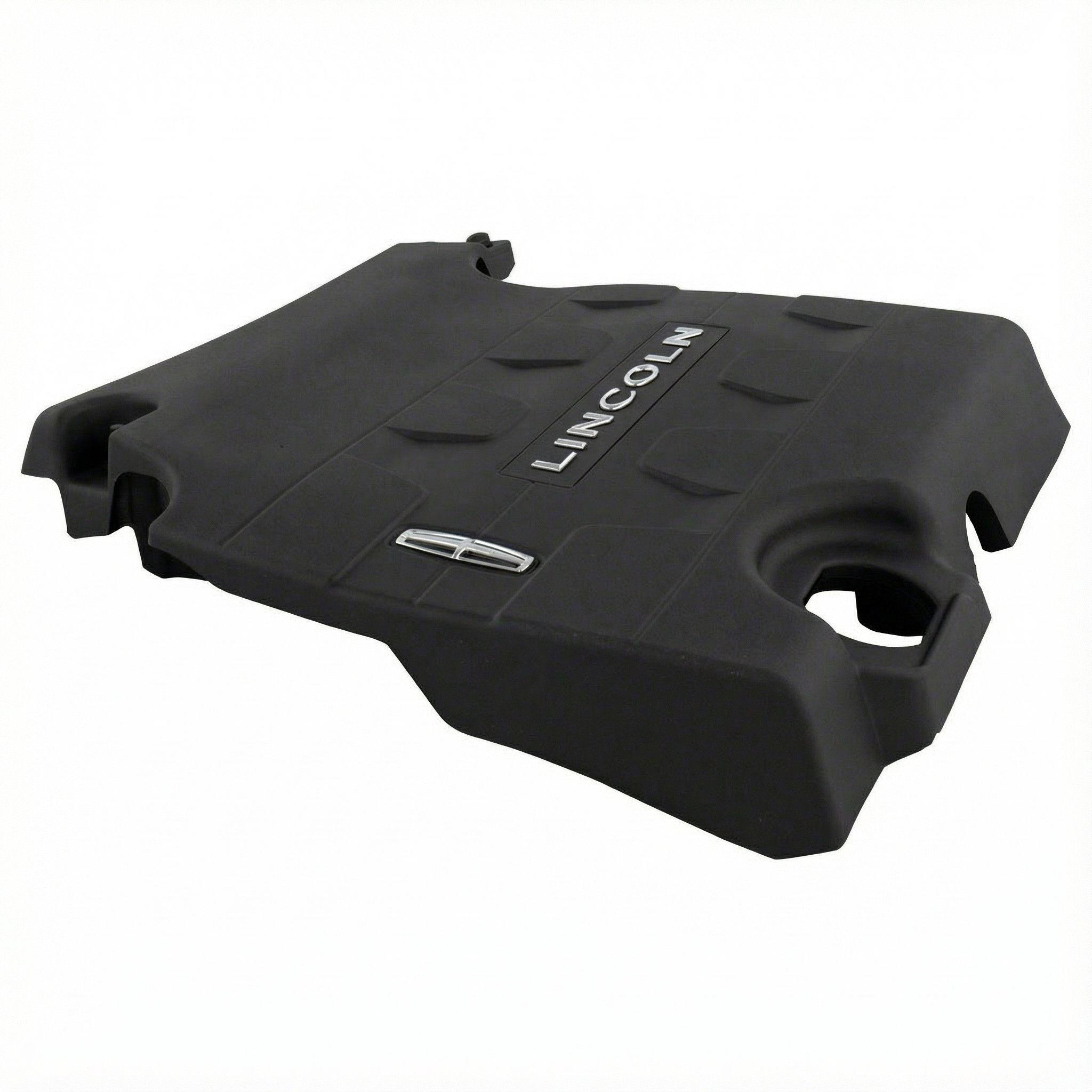
Many Ford and Lincoln vehicles from 2010-2019 were built on the same platform and offered a variety of engines. This can make finding the correct engine cover confusing, as each engine requires a specific cover. Using the wrong cover can lead to improper fit, rattling, or even melting if it contacts hot engine components. This guide breaks down the common engine covers for these vehicles to ensure you select the right one.
Warning: Before ordering, you must verify which engine your vehicle has. The most common options are the 3.5L Twin-Turbo (EcoBoost) V6, the 3.5L/3.7L Naturally Aspirated (Non-Turbo) V6, and the 2.0L EcoBoost 4-Cylinder. An engine cover from one will not fit the others.
Variant & Part Number Guide
Below is a breakdown of the most common engine covers and the vehicles they fit. Always cross-reference the part number with your vehicle's specific year and model.
| Engine | Common Part Numbers | Primary Vehicle Fitment |
|---|---|---|
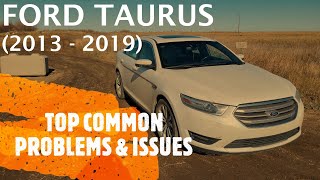
| 3.5L Twin-Turbo EcoBoost V6 | AA5Z-6A949-H, AA5Z-6A949-D, AA5Z-6A949-C | 2013-2019 Ford Explorer (Sport/Platinum), 2010-2019 Ford Flex (EcoBoost), 2010-2019 Ford Taurus SHO, 2010-2016 Lincoln MKS, 2010-2019 Lincoln MKT. | 🎬 See common problems and fixes for 2013-2019 Ford Taurus models.
| 3.5L Naturally Aspirated V6 | BB5Z-6N041-A, BT4Z-6N041-E | 2011-2019 Ford Explorer (Base), 2010-2019 Ford Flex (Base), 2010-2019 Ford Taurus (Non-SHO), 2013-2019 Ford Police Interceptor Utility/Sedan. |
| 2.0L EcoBoost I-4 | BB5Z-6A949-C, BB5Z-6A949-B, BB5Z-6A949-A | 2012-2014 Ford Edge, 2012-2019 Ford Explorer, 2018 Ford Special Service Police Sedan. |
| 3.7L Naturally Aspirated V6 | BT4Z-6N041-C | 2011-2014 Ford Edge Sport, 2011-2014 Lincoln MKX, 2013-2019 Ford Police Interceptor Utility/Sedan. |
Symptoms of a Damaged or Missing Engine Cover

While a failed engine cover won't stop your car from running, it can cause annoying issues. The most common symptom is simply that the cover is physically broken, cracked, or missing entirely. This often happens after maintenance when it is not reinstalled correctly.
- Rattling Noises: The most frequent complaint is a rattling or buzzing sound coming from the engine bay. This is usually caused by broken mounting points or worn-out rubber grommets that no longer hold the cover securely.
- Visible Damage: Heat from the engine, especially from turbocharged models, can cause the plastic to become brittle, crack, or even melt in spots.
- Increased Engine Noise: A missing cover will result in more noticeable engine noise inside the vehicle's cabin, as the sound-deadening insulation is gone.
Known Issues & Recalls

While there are no specific recalls for the engine covers themselves, they can be affected by other vehicle issues.
- Police Interceptor Engine Failures (2020-2022): A recall was issued for some 2020-2022 Ford Police Interceptor Utility vehicles with 3.3L engines for catastrophic engine failures. While this recall does not directly involve the engine cover, a resulting engine fire would destroy the cover and surrounding components. This recall applies to a later generation than the primary vehicles in this guide but is important safety information for PIU operators.
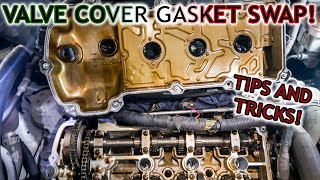
- Oil Leaks: On the 3.5L engines, oil leaks from the valve cover gaskets are a common problem. If oil is allowed to seep onto the hot exhaust, it can create a burning smell. A technician may remove the engine cover to diagnose these leaks. 🎬 Watch: Tips and tricks for replacing Ford Taurus valve covers.
Buying a Used Engine Cover: What to Check

A used OEM engine cover is an excellent, cost-effective replacement. Since this part is not mechanical, a good-condition used part is functionally identical to a new one. Here's what to inspect before buying:
- Mounting Points: This is the most critical area. Flip the cover over and inspect all the mounting posts or sockets. Ensure none are cracked, broken off, or have stress marks. A cover with a broken mount will rattle.
- No Cracks or Melting: Inspect the entire surface, especially the edges and underside, for cracks, warping, or melted spots. Pay close attention to covers from 3.5L EcoBoost models, as the turbos generate significant heat.
- Insulation Pad: Check the condition of the foam or foil insulation pad on the underside. Make sure it is present, mostly intact, and not saturated with oil. A degraded insulator loses its sound-deadening properties.
- Grommets and Studs: The cover attaches to ball studs on the engine via rubber grommets. These often wear out or get lost. Check if the used cover includes the grommets. You may need to purchase new mounting studs or grommets separately.
Pro Tip: If your old cover is just rattling, you may only need to replace the rubber mounting grommets or the ball studs they clip onto. This is a much cheaper fix than replacing the entire cover.
Installation Guide
Replacing the engine cover is one of the easiest tasks you can perform on your vehicle.
- Difficulty: 1 out of 5
- Estimated Time: Less than 5 minutes
Removal:
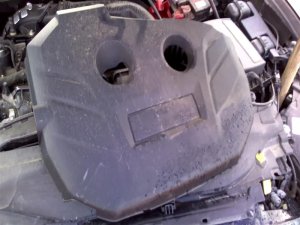
Locate the engine cover on top of the engine. Firmly grip the edges of the cover and pull straight up. It is held in place by several rubber grommets that pop off metal ball studs. You may need to work your way around the cover, lifting one corner at a time.
Installation:
Position the new cover over the engine, aligning the mounting sockets on the underside of the cover with the ball studs on the engine. Once aligned, press down firmly on the cover over each mounting point until you feel or hear it snap into place. Give the cover a gentle tug to ensure it is secure and does not move around.
Cost Comparison
| Part | Estimated Cost |
|---|---|
| New OEM Engine Cover | $120 - $190 |
| New Aftermarket Engine Cover | $75 - $150 |
| Used OEM Engine Cover | $50 - $100 |
| Shop Labor | $0 - $25 (Often done for free during other service) |
Frequently Asked Questions (FAQ)
Is an engine cover actually necessary?
No, your vehicle will run perfectly fine without an engine cover. However, you will notice an increase in engine noise in the cabin, and the top of your engine will get dirtier faster. It serves no critical mechanical function.
Why did my engine cover melt?
Melting is almost always caused by contact with a hot component, typically the exhaust manifold or turbocharger. This can happen if the cover is not installed correctly and is allowed to sag or if a mounting point is broken, causing it to rest against a part it shouldn't touch.
Can I just fix my rattling cover?
Yes. In most cases, a rattle is caused by old, hardened, or missing rubber grommets. You can often buy a new set of grommets and press them into your existing cover to restore a snug fit. This is much more affordable than replacing the entire cover.
Will this cover fit my 3.5L V6?
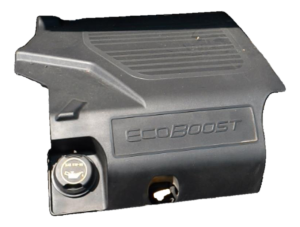
It depends. Ford used a naturally aspirated (non-turbo) 3.5L V6 and a twin-turbo 3.5L EcoBoost V6. They are different engines and require different covers. You must verify which version you have before purchasing a cover. The EcoBoost engine will typically have "EcoBoost" or "Twin Turbo" branding on the cover itself.
Helpful Videos
Technical Specifications
OEM Part Numbers: AA5Z-6A949-B AA5Z-6A949-C AA5Z-6A949-D AA5Z-6A949-H BB5Z-6A949-A BB5Z-6A949-B BB5Z-6A949-C BB5Z-6N041-A BT4Z-6N041-E BT4Z-6N041-C
Material: Molded plastic/composite with foam or foil-backed insulation on the underside. Attachment Method: Push-on grommets onto ball studs.
We Have This Part in Stock

The information in this article is provided for general reference and educational purposes only. Vehicle specifications, procedures, and part compatibility can vary by production date, trim level, and region. Always consult your vehicle's factory service manual and verify part numbers before purchasing or performing repairs. Safety-critical components such as airbags, seat belts, and braking systems should be installed by a qualified professional.
- Ford Explorer:
- Ford Flex:
- Ford Police Interceptor Utility:
- Ford Taurus:
- Lincoln MKS:
- Lincoln MKT:
- Ford Edge:
- Ford Police Interceptor Sedan:
- Ford Special Service Police Sedan:
- Lincoln MKX: