

2007-2017 Jeep Compass, Patriot, Avenger & More 2.4L Engine Cover: Rattles, Replacement, and Fitment Guide
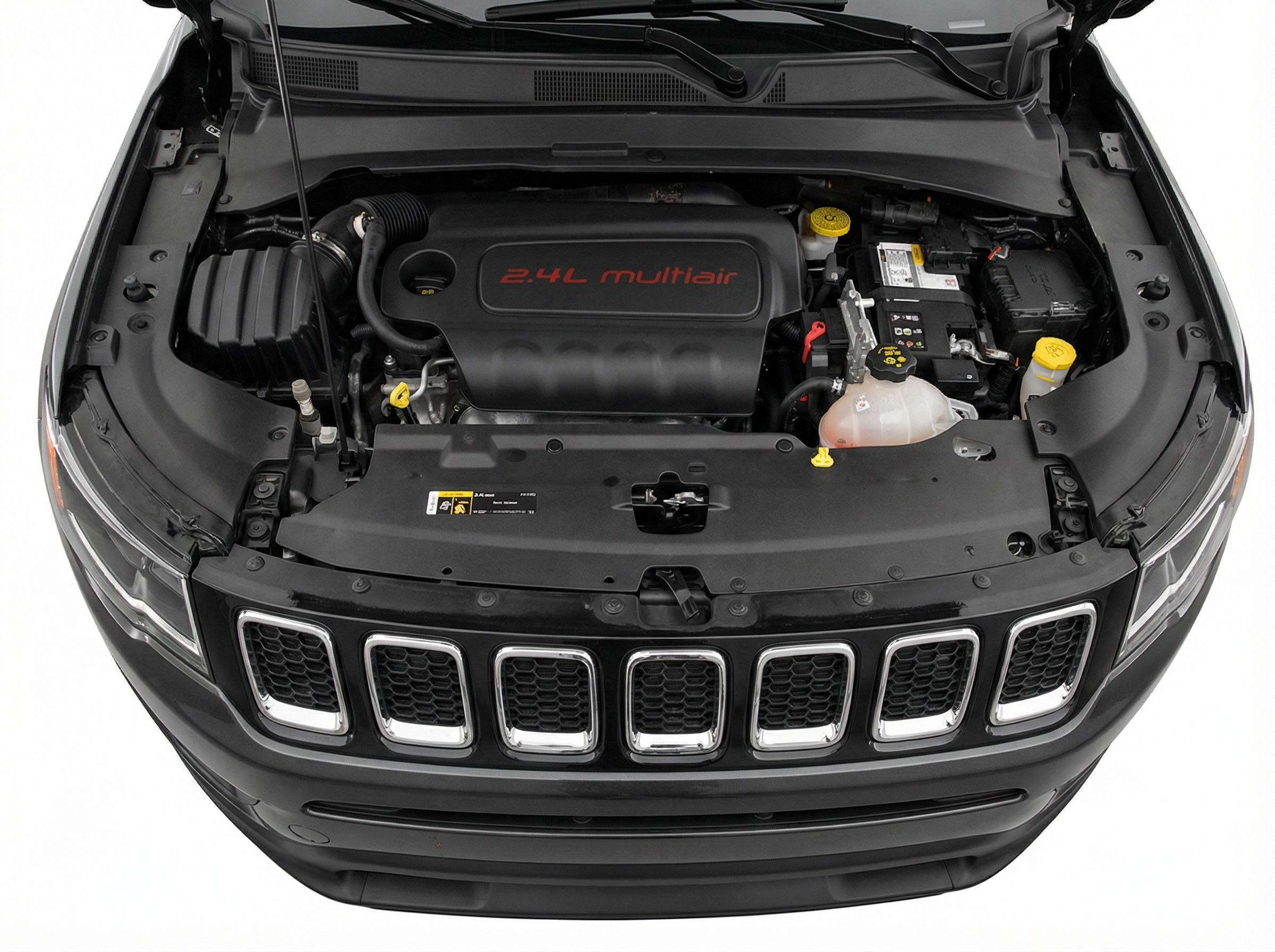
This guide covers the plastic engine cover for the 2.4L engine, focusing on common reasons for replacement like broken mounts and rattling, and how to inspect a used part.
- This cover fits ONLY the 2.4L engine in the Compass, Patriot, Avenger, Caliber, Sebring, and 200.
- The most common reason for replacement is rattling caused by cracked mounting points on the underside of the cover.
- When buying a used cover, the integrity of the mounting points is the most important factor to inspect.
- This cosmetic part is often confused with the critical valve cover; a bad engine cover causes rattles, while a bad valve cover causes oil leaks.
Vehicle and Engine Fitment
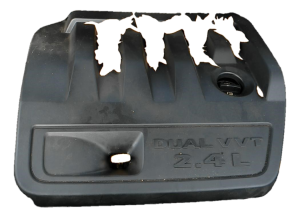
This specific engine cover, identified by OEM part numbers 4891689AA and 4891689AB, is designed exclusively for models equipped with the 2.4L I4 DOHC 16V Dual VVT World Engine. It is crucial to verify your vehicle has this engine before purchasing. This cover will not fit models with the 1.8L, 2.0L, or V6 engines.
This part is a direct fit for the following vehicles with the 2.4L engine:
- 2007-2017 Jeep Compass
- 2007-2017 Jeep Patriot
- 2008-2014 Dodge Avenger
- 2007-2009 Dodge Caliber
- 2007-2010 Chrysler Sebring
- 2011-2014 Chrysler 200 (Successor to the Sebring)
Pro Tip: Part number 4891689AB is the latest version that supersedes the older 4891689AA. Both are functionally identical and interchangeable.
Signs You Need a New Engine Cover
Unlike mechanical parts, a plastic engine cover doesn't "fail" in a way that affects vehicle operation. Instead, replacement is typically needed for one of the following reasons:
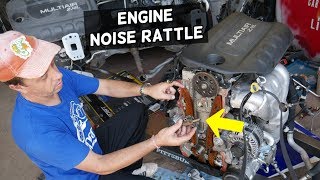
- Rattling or Buzzing Noises: This is the most common complaint. The cover is held in place by rubber grommets that press onto ball studs on the engine. Over time, the plastic mounting points on the underside of the cover can crack, or the grommets can degrade, causing a loose fit that results in annoying vibrations and rattles, especially at idle or certain RPMs. 🎬 See this video to diagnose more serious engine rattle noises.
- It's Missing: It is very common for technicians to remove the engine cover for service (like changing spark plugs) and forget to reinstall it. Many owners purchase these vehicles used, only to realize later that the cover is gone.
- Physical Damage: Years of heat cycles can make the plastic brittle. It can easily crack or break if handled improperly during maintenance or if something is dropped on it.
Buying a Used Engine Cover: What to Inspect
Since new aftermarket options for this specific cover are generally not available, a used OEM part is an excellent, cost-effective choice. Before buying, carefully inspect the following areas:
- Mounting Points: Flip the cover over and examine the plastic posts where the rubber grommets are seated. This is the most critical area. Look for any hairline cracks, stress marks (white-ish lines in the plastic), or pieces that have broken off. A cover with even one broken mounting point will likely rattle.
- Rubber Grommets: Ensure the rubber mounting grommets are present and in good condition. They should be soft and pliable, not hard, cracked, or missing.
- Main Body Integrity: Check the entire surface for cracks, especially around the edges and the oil filler cap opening. While a small surface scuff is purely cosmetic, a crack can worsen over time with engine vibration and heat.
- No Excessive Brittleness: The plastic should have some minor flex to it. If it feels extremely rigid and brittle, it may not survive the installation process, which requires it to be pressed firmly into place.
Clearing Up Confusion: Engine Cover vs. Valve Cover
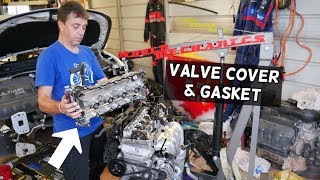
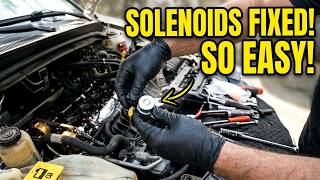
Warning: Do not confuse the plastic, cosmetic engine cover with the metal or composite valve cover (sometimes called a rocker cover). The valve cover is a critical sealing component bolted directly to the engine's cylinder head. A failing valve cover or its gasket will cause oil leaks, a burning oil smell, and potentially engine misfires—symptoms that are far more serious than a rattling piece of plastic. 🎬 Watch: Dealing with valve cover leaks and VVT solenoid issues. This guide is ONLY for the top decorative plastic cover.
Installation Guide
Replacing the engine cover is one of the easiest jobs you can do on your vehicle.
- Difficulty: 1 out of 5
- Tools Needed: None
- Time: Less than 1 minute
Procedure:
- Removal (if applicable): Firmly grip the edges of the old engine cover and pull straight up. It will pop off the ball studs on the engine.
- Inspect Ball Studs: Before installing the new cover, check that the metal ball studs are still present and securely threaded into the engine. There should be four of them. If any are missing, you will need to acquire replacements (Mopar part number 4891847AA).
- Installation: Position the new cover over the engine, aligning the grommets on the cover with the ball studs on the engine. Ensure the opening for the oil filler cap is correctly aligned. Press down firmly on each corner of the cover until you feel and hear it snap into place.
- Final Check: Gently tug on the cover to ensure it is secure and does not move around loosely.
Known Issues, TSBs, and Recalls
There are no recalls or Technical Service Bulletins (TSBs) from Chrysler, Dodge, or Jeep that specifically address the plastic engine cover. While these vehicles have been subject to other recalls for issues like airbag controllers or crossmember corrosion, the engine cover itself is not considered a safety or mechanical component.
Cost Comparison
| Part Type | Estimated Price Range | Notes |
|---|---|---|
| New OEM | $105 - $165 | Purchased from a dealership or online Mopar parts retailer. Guarantees a perfect fit but is the most expensive option. |
| Used OEM | $65 - $125 | A cost-effective option found at salvage yards or online marketplaces. Inspection is key (see guide above). |
| New Aftermarket | Not Available | Direct-fit replacements for this top cosmetic cover are not commonly manufactured by aftermarket brands. |
| Shop Labor | $0 | Installation is simple enough that it is not typically a standalone labor charge. A shop might charge a minimal fee if it's part of a larger service. |
Frequently Asked Questions (FAQ)
Is the engine cover necessary to drive the vehicle?
No, the engine cover is not necessary for the vehicle to operate. It is primarily a cosmetic and sound-dampening part. Driving without it will not harm the engine, though you may notice slightly more engine noise.
What is the difference between an engine cover and an engine splash shield?
The engine cover sits on top of the engine. The engine splash shield (or under cover) is a much larger panel bolted to the underside of the vehicle to protect the engine, oil pan, and transmission from road debris, water, and salt.
My engine cover is rattling. Can I fix it without replacing it?
Sometimes. If the rattle is caused by a worn rubber grommet, you may be able to replace just the grommet. However, if the plastic mounting post on the cover itself is cracked, the repair is unlikely to hold, and replacement is the best solution.
Why can't I find this part from aftermarket brands?
Aftermarket companies tend to focus on high-failure rate mechanical or collision parts. Since this engine cover is a durable, cosmetic item that doesn't "fail" in a traditional sense, there is not enough demand to justify producing an aftermarket version. This makes used OEM parts a popular and practical choice.
Helpful Videos
Technical Specifications
OEM Part Numbers: 4891689AA 4891689AB
Material: Molded Plastic
We Have This Part in Stock
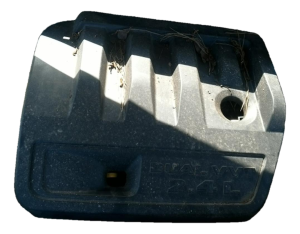

The information in this article is provided for general reference and educational purposes only. Vehicle specifications, procedures, and part compatibility can vary by production date, trim level, and region. Always consult your vehicle's factory service manual and verify part numbers before purchasing or performing repairs. Safety-critical components such as airbags, seat belts, and braking systems should be installed by a qualified professional.
- Jeep Compass:
- Dodge Avenger:
- Dodge Caliber:
- Jeep Patriot:
- Chrysler Sebring:
- 🎬 Helpful Videos
- 🛍️ Shop This Part
- Vehicle and Engine Fitment
- Signs You Need a New Engine Cover
- Buying a Used Engine Cover: What to Inspect
- Clearing Up Confusion: Engine Cover vs. Valve Cover
- Installation Guide
- Known Issues, TSBs, and Recalls
- Cost Comparison
- Frequently Asked Questions (FAQ)
- 🎟️ Get 5% Off