

2018-2025 Lexus LS500 Intake Manifold & Intercooler Guide
This guide covers the unique twin intake manifold and integrated liquid-to-air intercooler system on the 2018-2025 Lexus LS500, focusing on common failures and inspection tips for used parts.
- The LS500 uses two separate intake manifold/intercooler units; you must order the correct one for the left or right side.
- The most common failure is an internal coolant leak, causing coolant consumption, white exhaust smoke, and misfires.
- Before buying a used unit, use a flashlight to inspect the inside of the air ports for any chalky residue, which indicates a past coolant leak.
- Replacement is a complex, labor-intensive job (4/5 difficulty) not recommended for DIY beginners.
Understanding the LS500's Unique Intake System
The 2018-2025 Lexus LS500 is powered by the V35A-FTS twin-turbocharged 3.4L V6 engine. A critical component of this powertrain is its sophisticated cooling and air delivery system. Unlike many engines, the LS500 uses two separate intake manifolds, one for the left cylinder bank and one for the right. These are not just simple air plenums; they are integrated with liquid-to-air intercoolers. This means engine coolant flows through the manifolds to cool the hot, compressed air from the turbochargers before it enters the engine. This design is key to the engine's high performance and efficiency.
Warning: These two intake manifold/intercooler assemblies are specific to the left or right side of the engine and are not interchangeable. It is essential to verify which side you need before ordering a replacement.
Symptoms of a Failing LS500 Intake Manifold / Intercooler
Failure in these units often relates to an internal leak in the intercooler core. This allows coolant to enter the intake air path and get burned by the engine. Symptoms are often related to this coolant loss.
- Unexplained Coolant Loss: The most common sign is a slowly dropping coolant level in the reservoir with no visible leaks on the ground. The coolant is being consumed by the engine internally.
- White Smoke from Exhaust: As coolant enters the combustion chamber and burns, it can produce sweet-smelling white or grayish smoke from the tailpipe, especially on startup.
- Engine Misfires or Rough Idle: Coolant contaminating the air-fuel mixture can foul spark plugs, leading to a rough idle, hesitation, or specific cylinder misfire codes (e.g., P0300-P0306).
- Reduced Engine Power and Acceleration: A significant leak can disrupt the air-fuel ratio, and any loss of pressure in the system will reduce the effectiveness of the turbochargers, causing sluggish performance.
- Engine Overheating: While less common, a large internal leak or a crack in the external housing could lead to significant coolant loss and cause the engine to run hot or overheat.
- Check Engine Light: A failing manifold can trigger various diagnostic trouble codes (DTCs) related to misfires, air-fuel ratio imbalances, or boost pressure problems.
Known Issues, TSBs, and Recalls
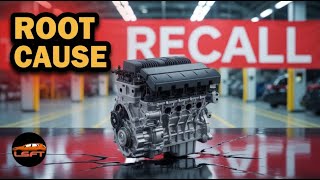
While the intake manifold/intercooler assembly itself has not been the subject of a specific recall, the V35A-FTS engine in certain Toyota and Lexus models has been recalled for issues related to machining debris left in the engine during manufacturing, which can cause main bearing failure. According to recall documents, the LS500 uses a different engine configuration with different pressure on the main bearings, and it was not included in this specific engine recall. There are no widespread Technical Service Bulletins (TSBs) specifically targeting the intake manifolds for this vehicle range at this time. Most reported issues are individual component failures, primarily internal coolant leaks.
Pro Tip: The V35A-FTS engine has been a topic of discussion in owner forums regarding reliability, particularly concerning main bearing issues in early Tundra and LX models. While the LS500 was not part of the related recall, it's wise to maintain clean oil and follow recommended service intervals closely to ensure overall engine health.
🎬 Watch: Learn more about the V35A-FTS engine's known reliability issues.Buying a Used LS500 Intake Manifold: What to Check
A used OEM intake manifold is a cost-effective alternative to a brand-new unit, but careful inspection is critical to avoid buying a part with the same problems you're trying to fix.
- Confirm the Correct Side: The most crucial step. The left (driver's side) and right (passenger's side) manifolds have different part numbers and are not interchangeable. Double-check the part number against your vehicle's needs. The OEM part number for 2018-2020 models is often 17190-70012, and for 2021-2025 models, it is 17190-70040, but always verify.
- Inspect for Internal Coolant Leaks: This is the biggest risk with a used unit. With a bright flashlight, look deep inside the main air inlet and the individual runners that lead to the cylinder head. Look for any chalky, white, or greenish residue, which indicates dried coolant. Any sign of moisture or coolant staining is a major red flag, and the part should be rejected.
- Check for External Cracks: Carefully inspect the entire plastic housing for cracks, especially around the seams where the upper and lower halves are joined and at the mounting points. Pay close attention to the coolant inlet and outlet ports for any signs of stress or cracking.
- Examine Mounting Surfaces: Ensure the flange that bolts to the cylinder head is perfectly flat and free of deep scratches or gouges. Check that all threaded brass inserts for sensors and bolts are present and not stripped or pulled out.
- Verify Included Components: A good used unit may come with sensors still attached. While you may reuse your old sensors, getting a manifold with them included can provide extra value and spare parts.
Replacement Cost Comparison
Replacing an LS500 intake manifold is a significant expense, primarily due to the high cost of the part itself and the labor involved.
| Part or Service | Estimated Cost |
|---|---|
| New OEM Intake Manifold/Intercooler | $2,300 - $3,300 per side |
| New Aftermarket | Not commonly available |
| Used OEM Intake Manifold/Intercooler | $400 - $900 per side |
| Shop Labor Cost (Part Replacement) | $800 - $1,200 |
| Shop Labor Cost (Gasket Only) | $756 - $1,110 |
Note: Prices are estimates and can vary based on location, supplier, and the specific repairs needed. Labor for replacing the entire manifold will be higher than for just the gasket.
Installation Guide & Difficulty
- Difficulty Rating: 4 out of 5
- Estimated Time: 4-6 hours
- DIY Feasible: Not recommended for beginners. This job is complex and requires significant disassembly of the engine's top end.
Replacement involves draining the cooling system, removing fuel lines and high-pressure fuel system components, disconnecting numerous electrical connectors and vacuum hoses, and removing the throttle body. Access is tight, and a specific sequence must be followed. After installation, the cooling system must be properly refilled and bled to remove any air pockets. Due to the complexity and the risk of fuel leaks, this job is best left to an experienced technician.
Frequently Asked Questions (FAQ)
Do I need to replace both intake manifolds at the same time?
No, it is not necessary. The two manifolds are independent units. You only need to replace the one that has failed. However, if one has failed due to age or high mileage, it may be worth inspecting the other one closely, as it has been subjected to the same conditions.
What is the main cause of failure for the LS500 intake manifold?
The most common failure is an internal leak in the integrated intercooler core. This allows engine coolant to leak into the intake air stream, leading to symptoms like coolant consumption, white exhaust smoke, and engine misfires.
Can I use an intake manifold from a Toyota Tundra with the same V35A-FTS engine?
No. While the basic engine architecture is the same, the intake manifolds and other components are configured differently for the LS500 sedan compared to the Tundra truck or Lexus LX/GX SUVs. You must use a part specified for the 2018-2025 Lexus LS500.
Is any special programming required after replacing the intake manifold?
Generally, no specific programming is required for the manifold itself. However, if the battery was disconnected, some vehicle systems may need to be re-initialized. It is also good practice to clear any fault codes from the engine control unit (ECU) after the repair is complete.
Helpful Videos
Technical Specifications
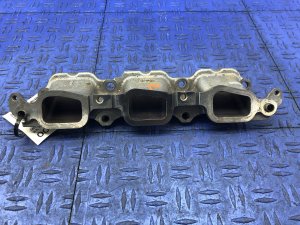
OEM Part Numbers: 1719070012 17190-70012 1719070040 17190-70040
Integrated liquid-to-air intercooler design. Vehicle has two units, one for each cylinder bank (left and right).
We Have This Part in Stock

The information in this article is provided for general reference and educational purposes only. Vehicle specifications, procedures, and part compatibility can vary by production date, trim level, and region. Always consult your vehicle's factory service manual and verify part numbers before purchasing or performing repairs. Safety-critical components such as airbags, seat belts, and braking systems should be installed by a qualified professional.
- Lexus LS500:
- 🎬 Helpful Videos
- 🛍️ Shop This Part
- Understanding the LS500's Unique Intake System
- Symptoms of a Failing LS500 Intake Manifold / Intercooler
- Known Issues, TSBs, and Recalls
- Buying a Used LS500 Intake Manifold: What to Check
- Replacement Cost Comparison
- Installation Guide & Difficulty
- Frequently Asked Questions (FAQ)
- 🎟️ Get 5% Off