

2005-2012 Escape & 2006-2011 Mariner Fuel Pump: Stalling, No-Start, and Recall Guide
This guide covers the common failure symptoms, replacement costs, and critical compatibility details for the fuel pump in the 2005-2012 Ford Escape and 2006-2011 Mercury Mariner.
- Always check the Fuel Pump Driver Module (FPDM) first, as its failure mimics a bad fuel pump and is a very common issue.
- There is a safety recall (16S41) for 2010-2012 models for a cracking fuel pump flange that can leak fuel; verify if your vehicle is affected.
- Replacement requires dropping the fuel tank; there is no access panel under the rear seat.
- Compatibility is complex; you must match the part to your vehicle's year, engine, production date, and emissions system.
Symptoms of a Failing Fuel Pump
A failing fuel pump in a Ford Escape or Mercury Mariner will typically provide several warning signs before it stops working completely. Recognizing these symptoms early can prevent you from being stranded.
- Engine Stalling: The vehicle may stall unexpectedly, especially when the engine is warm or under load. After stalling, it might be difficult to restart immediately but may start again after cooling down.
- Difficulty Starting or Long Crank Time: You may have to crank the engine for an extended period before it starts. This happens because the pump isn't building up enough pressure in the fuel lines when you first turn the key.
- Engine Sputtering or Hesitation: While driving, especially during acceleration, the engine may sputter or hesitate as the failing pump struggles to deliver a consistent flow of fuel.
- Whining Noise from the Fuel Tank: A noticeable high-pitched whining or buzzing sound from the rear of the vehicle is a classic sign of a fuel pump motor that is wearing out.
- Loss of Power: The vehicle may feel sluggish and lack power, particularly when climbing hills or carrying heavy loads, because the engine isn't receiving enough fuel.
- Check Engine Light: While many issues can trigger the Check Engine Light, a failing fuel pump can cause codes related to low fuel pressure or the fuel system.
A Critical Related Part: The Fuel Pump Driver Module (FPDM)
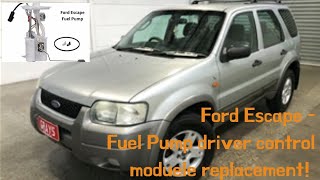
Before condemning the fuel pump, it is essential to check the Fuel Pump Driver Module (FPDM). This small electronic module controls the voltage sent to the fuel pump. On many Ford Escapes and Mercury Mariners, the FPDM is a very common failure point and can produce the exact same symptoms as a bad fuel pump. Technicians often replace the fuel pump only to find the no-start or stalling issue persists because the FPDM was the real culprit. 🎬 Watch: How to diagnose and repair the fuel driver module The FPDM is typically located under the rear seat, beneath the carpet. Checking for corroded wires or replacing this module first can save significant time and money.
Known Issues, Recalls, and Technical Service Bulletins (TSBs)
There is a significant safety recall related to the fuel pump assembly on these vehicles.
- NHTSA Recall 16S41: This recall affects certain 2010-2012 Ford Escape and 2010-2011 Mercury Mariner vehicles. The fuel delivery module (FDM) flange may develop a crack at the fuel supply port, which can cause a fuel leak. A fuel leak in the presence of an ignition source increases the risk of a fire. Owners may notice a fuel smell or see fuel on the ground near the tank. The remedy involves dealers replacing the fuel delivery module flange at no charge.
While other fuel-related recalls exist for newer Escape models, 16S41 is the primary one concerning the fuel pump assembly for this generation.
Compatibility and Part Variations
Choosing the correct fuel pump is critical, as there are several variations based on year, engine, and emissions systems. Always verify compatibility using your vehicle's VIN and production date.
- Onboard Vapor Recovery System: The most common fuel pump assemblies are for models equipped WITH the onboard vapor recovery system. They will not fit vehicles without this system.
- 2007 Mid-Year Change: For 2007 models, there was a design change. One common part fits vehicles built from January 2nd, 2007, onward.
- Engine Specificity: Some fuel pump assemblies are designed specifically for the 3.0L V6 engine and will not fit the 2.5L 4-cylinder models.
- Hybrid Models: Hybrid models use a different fuel pump. For 2006 models, a specific part fits vehicles manufactured on or before October 2, 2005. The 8th digit of the VIN for these vehicles is typically 'H'.
Warning: Due to these specific variations, it is crucial to match the OEM part number from your original pump or verify fitment with the vehicle's VIN before ordering a replacement.
Buying a Used Fuel Pump
A used OEM fuel pump can be a reliable and cost-effective alternative to expensive new parts, especially when compared to lower-quality aftermarket options. Here’s what to look for:
- Verify the Part Number: The most important step. Clean off the top of the donor pump and match the OEM part number exactly to your old one.
- Inspect the Housing: Check the plastic top hat (flange) for any cracks, especially around the fuel line ports, which was the subject of a recall. Ensure the housing is not brittle or discolored.
- Check Electrical Connectors: The electrical pins should be clean, straight, and free of any corrosion or signs of overheating (discoloration, melted plastic).
- Examine the Fuel Level Sender: Ensure the float arm and sending unit are intact and move freely. A damaged sender will cause an inaccurate fuel gauge reading.
- Consider the Source Vehicle's Mileage: Lower mileage is always better. A pump from a vehicle with under 100,000 miles is a good candidate for a long service life.
- Why Used OEM is Often Better: Original equipment pumps were designed by Ford to meet the specific pressure and flow requirements of your engine. Many cheap aftermarket pumps can fail prematurely, cause incorrect fuel gauge readings, or be noisier than the original. A quality, low-mileage used OEM unit is often a more reliable choice.
Replacement Information
Replacing the fuel pump on a 2005-2012 Ford Escape or 2006-2011 Mercury Mariner is a moderately difficult job that requires dropping the fuel tank.
- Difficulty Rating: 4 out of 5
- Estimated Time: 2.5 - 4 hours
- Access Location: There is no access panel under the rear seat. The fuel tank must be lowered from underneath the vehicle to access the pump.
Pro Tip: Run the vehicle until the fuel tank is as empty as possible before starting this job. A full tank of gas is extremely heavy and dangerous to handle. Siphon any remaining fuel into an approved container.
Key Replacement Steps
- Disconnect the negative battery terminal.
- Safely raise and support the vehicle on jack stands.
- Relieve the fuel system pressure.
- Disconnect the fuel filler neck hose and electrical connectors leading to the tank.
- Place a transmission jack or floor jack under the fuel tank to support its weight.
- Remove the tank straps and carefully lower the tank.
- Disconnect the fuel lines and electrical connector from the top of the pump module.
- Clean the area around the pump to prevent debris from falling into the tank.
- Use a brass punch or a specialized tool to turn and remove the lock ring securing the pump.
- Carefully lift the old pump assembly out of the tank.
- Install the new pump with a new seal/gasket, and reassemble in reverse order.
Cost Breakdown
The cost to replace a fuel pump can vary significantly based on the parts used and labor rates.
| Part Type | Estimated Cost |
|---|---|
| New OEM | $300 - $500 |
| New Aftermarket | $120 - $350 |
| Used OEM | $50 - $150 |
| Shop Labor | $337 - $495 |
| Total (Professional Job) | $1,078 - $1,418 (with new OEM part) |
Frequently Asked Questions (FAQ)
Do I have to drop the fuel tank to replace the pump?
Yes. On the 2005-2012 Ford Escape and 2006-2011 Mercury Mariner, there is no access hatch under the rear seat. The only way to access and replace the fuel pump is by lowering the fuel tank from under the vehicle.
Should I replace the Fuel Pump Driver Module (FPDM) at the same time?
It is highly recommended to diagnose the FPDM before replacing the fuel pump. The FPDM is a common point of failure and can cause identical symptoms. If the module is old or its connector shows any signs of corrosion, replacing it is a wise preventative measure, even if the pump is also being replaced.
Can I just replace the pump motor instead of the whole assembly?
While it is sometimes possible to buy just the internal motor, it is generally not recommended. The complete assembly includes the fuel pump, strainer, fuel pressure regulator, and the fuel level sending unit. These components wear together. Replacing the entire module ensures all parts are new or in good working order, preventing issues like an inaccurate fuel gauge or incorrect fuel pressure down the line.
What causes the fuel pump to fail?
Several factors can lead to fuel pump failure. Consistently driving with a very low fuel level is a common cause, as the gasoline in the tank helps cool the pump motor. Fuel contamination with dirt or debris can also clog the pump and cause it to burn out. Finally, like any electric motor, it can simply wear out over time from normal use.
Helpful Videos
Technical Specifications
OEM Part Numbers: 5M649H307AD 5M649H307AG 5M64AD 5M64AG 6M6Z9H307AA 8L8Z9H307C 8L8Z9H307D 8L8Z9H307J AL849H307DA AL849H307DB AL84DA AL84DB AL8Z9H307B AL8Z9H307C FPS257
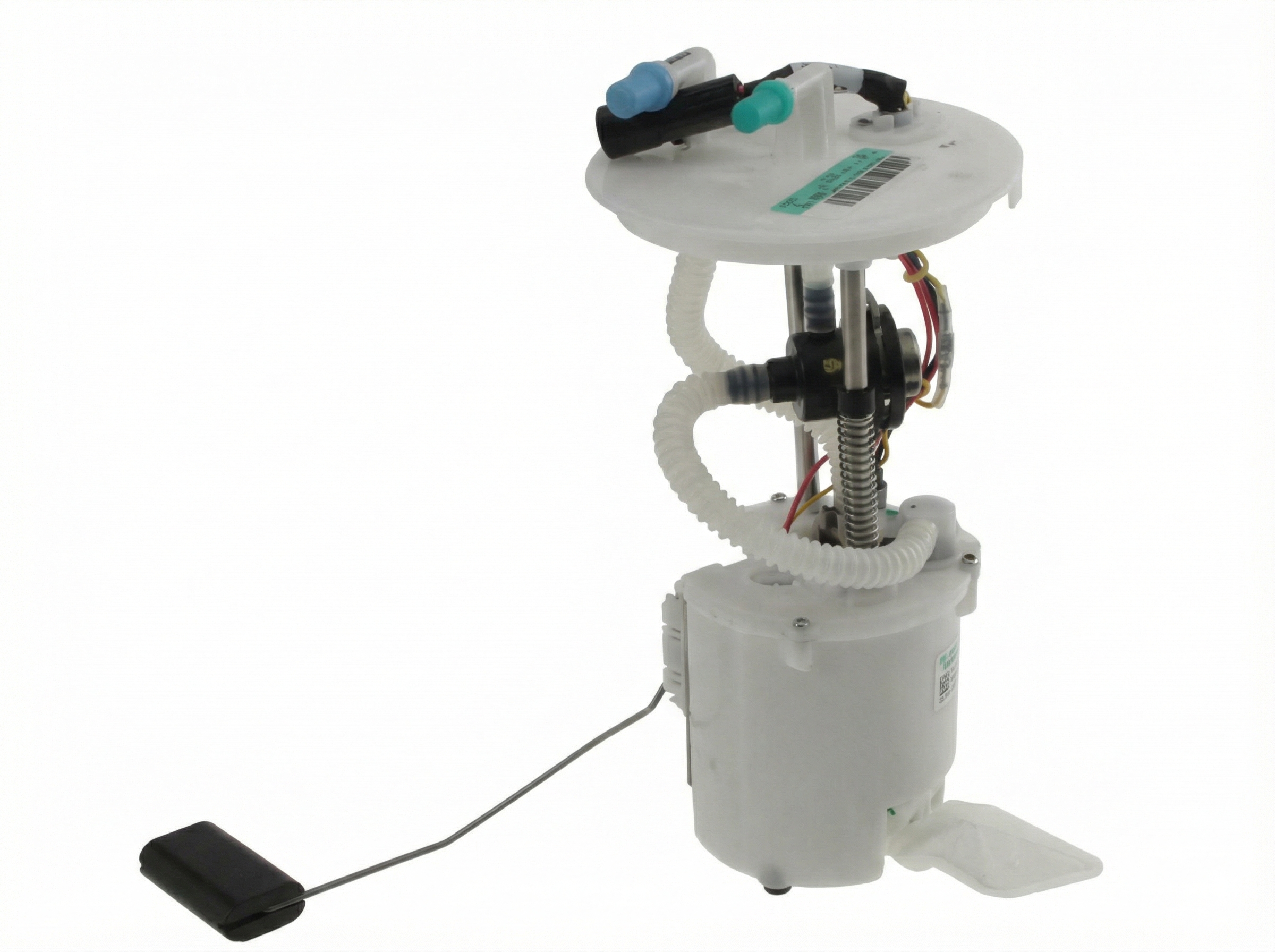
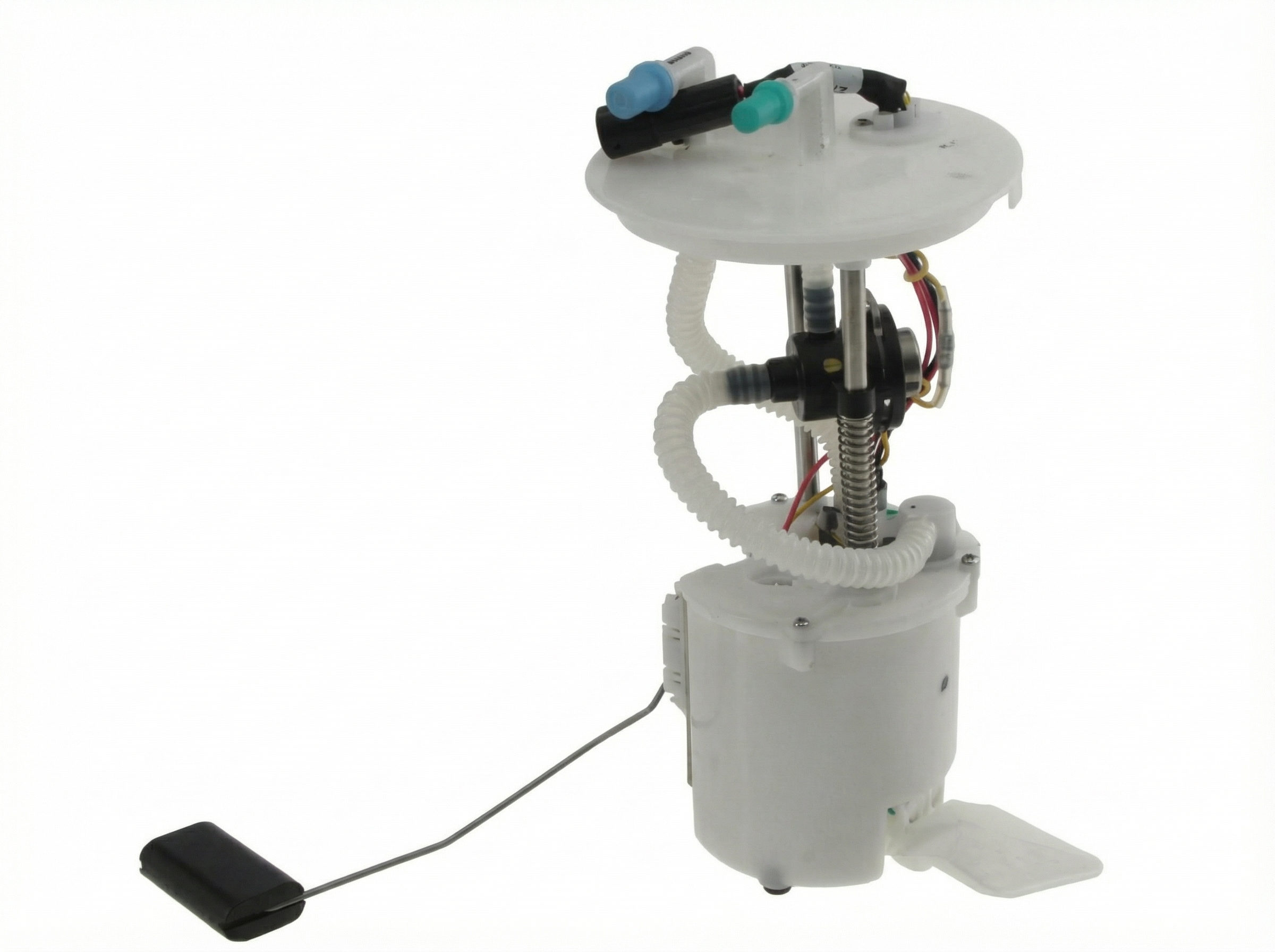
In-tank electric fuel pump module assembly. Includes pump, fuel level sending unit, strainer, and housing.
We Have This Part in Stock

The information in this article is provided for general reference and educational purposes only. Vehicle specifications, procedures, and part compatibility can vary by production date, trim level, and region. Always consult your vehicle's factory service manual and verify part numbers before purchasing or performing repairs. Safety-critical components such as airbags, seat belts, and braking systems should be installed by a qualified professional.
- Ford Escape:
- Mercury Mariner:
- 🎬 Helpful Videos
- 🛍️ Shop This Part
- Symptoms of a Failing Fuel Pump
- A Critical Related Part: The Fuel Pump Driver Module (FPDM)
- Known Issues, Recalls, and Technical Service Bulletins (TSBs)
- Compatibility and Part Variations
- Buying a Used Fuel Pump
- Replacement Information
- Key Replacement Steps
- Cost Breakdown
- Frequently Asked Questions (FAQ)
- 🎟️ Get 5% Off