

B3060 on 2008-2012 GMC Yukon Hybrid: Security Fault, No-Start Causes, and Fixes
Code B3060 on a 2008-2012 GMC Yukon Hybrid means the anti-theft system doesn't recognize the ignition key, causing a no-start and an illuminated security light. The most common fix is to try a spare key or perform a 30-minute key relearn procedure. If that fails, the ignition lock cylinder, which contains the reader coil, is the next most likely culprit and a very common failure on this platform.
- B3060 means your Yukon's security system has disabled the engine because it doesn't recognize the key.
- Before spending any money, try your spare key and perform the 30-minute DIY security relearn procedure.
- Isolate the ignition key from all other fobs, cards, and chargers to rule out Radio Frequency Interference (RFI) as a cause.
- If a relearn doesn't work and multiple keys fail, the most likely failed part is the ignition lock cylinder, not an expensive computer module.
- Do not confuse this security issue with a bad starter or battery; the security light is the key indicator of a B3060 fault.
What's Unique About the 2008-2012 Gmc YUKON HYBRID
The GMT900 platform, which includes this generation of Yukon, uses the Passkey III+ (PK3+) anti-theft system. This system is known to be sensitive, and intermittent no-start conditions are common enough that GM issued a Technical Service Bulletin (PIC5650M) specifically addressing them. The two most prevalent issues on this platform are failures of the internal wiring/exciter coil within the ignition lock cylinder housing and sensitivity to Radio Frequency Interference (RFI) from other devices on the keychain. The symptoms of a no-crank, no-start, or start-and-stall with the security light on are well-documented for this entire vehicle family.
Diagnostic Flowchart
Tap your situation to follow the diagnostic path that matches what you're seeing on this vehicle.
Symptoms You May Notice
- Engine will not crank (no-crank, no-start)
- Engine starts but immediately stalls
- Security light is solid or flashing on the dashboard
- "Service Theft Deterrent System" message on the Driver Information Center (DIC)
- "Start disabled due to theft" message on the Driver Information Center (DIC)
- Replacing the starter motor. A no-crank condition can point to a bad starter, but the presence of a security light and code B3060 indicates an anti-theft issue is preventing the starter from being engaged.
- Replacing the battery. While a weak battery can cause security system glitches, it's often not the root cause. If the battery is healthy but the code persists, the problem lies elsewhere. A relearn procedure is often required after battery replacement.
Most Likely Causes
- Worn, Damaged, or Unprogrammed Ignition Key 🔴 High Probability → Shop Ignition Switch The transponder chip embedded in the key head can fail over time, or the key can lose its programming, especially after a battery failure or jump-start.
How to confirm: Try starting the vehicle with a known-good spare key. If the spare key works, the original key is faulty.
Typical fix: Replace the faulty key and have the new key programmed to the vehicle. A common replacement key blank is the ACDelco B111-PT.
Est. part cost: $30-$150 - Faulty Ignition Lock Cylinder / Exciter Coil 🔴 High Probability → Shop Ignition Switch The exciter coil that energizes the key's transponder is part of the ignition lock cylinder assembly. The thin wires for this coil are known to break from the repeated stress of turning the key, causing an open circuit. This is a very common failure point on GM GMT900 vehicles.
How to confirm: If multiple known-good keys fail to start the vehicle and the key relearn procedure does not work (especially if the security light never turns off during the 10-minute cycles), the lock cylinder is the primary suspect. A multimeter can be used to check for continuity through the exciter coil; an open circuit confirms failure. Some owners report that wiggling the key in the ignition can temporarily make a connection and allow a start, confirming a wiring issue within the cylinder assembly.
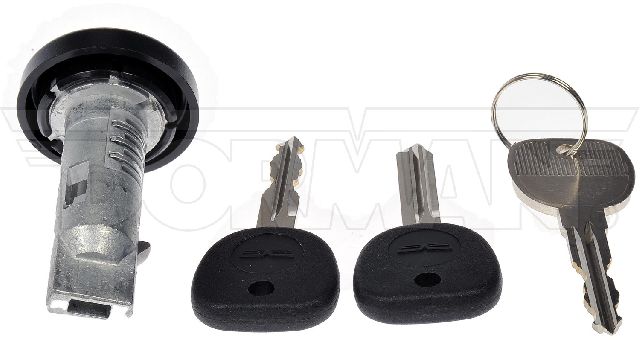
Typical fix: Replace the ignition lock cylinder and perform the security relearn procedure. Common replacement parts include ACDelco 15794826 and Dorman 924-796. 🎬 See how to replace the ignition cylinder and program keys.
Est. part cost: $70-$200 - Security System Lost Synchronization 🟡 Medium Probability A weak or recently replaced vehicle battery can cause the Theft Deterrent Module to lose its memory of the learned keys, triggering code B3060 even with a valid key. It is critical to have a fully charged battery before attempting a relearn.
How to confirm: Perform the 30-minute security relearn procedure. 🎬 Watch: Step-by-step guide to the GM security relearn procedure. If the vehicle starts afterward, the system had simply lost its programming.
Typical fix: Perform the 30-minute security relearn procedure.
Est. part cost: $0 - Radio Frequency Interference (RFI) ⚪ Low Probability As noted in TSB PIC5650M, the Passkey III+ system operates at 125 kHz and is sensitive to RFI from other keys, building access cards, aftermarket phone chargers, or even LED lights. This interference can jam the signal from an otherwise good key.
How to confirm: Remove all other keys, fobs, and cards from the keychain. Unplug any aftermarket accessories from the power outlets. If the vehicle starts with only the Yukon key present, RFI was the cause.
Typical fix: Keep the ignition key isolated from other electronic devices.
Est. part cost: $0
Rare But Worth Checking
- Faulty Body Control Module (BCM) or Theft Deterrent Module (TDM): → Shop Anti-Theft Control Module If all keys, the ignition cylinder, and relearn procedures fail, the module itself may be the issue. This is rare and should be the last item to suspect. A GM bulletin warns that removing a BCM ground while the battery is connected can damage the module.
- Wiring Harness Damage: The wires connecting the ignition lock cylinder to the BCM/TDM can break or chafe within the steering column, causing an intermittent connection. One owner on a forum found a chafed harness behind the alternator rubbing on a stud, causing similar intermittent security issues. A potential replacement part for the column harness is ACDelco 25807858.
Diagnosis Steps
- Check for an illuminated or flashing security light on the dashboard. This confirms an anti-theft event.
- Try starting the vehicle with a known-good spare key. If it starts, the primary key is faulty.
- Remove all other keys, fobs, and RFID cards from the keychain to eliminate Radio Frequency Interference (RFI), as recommended by TSB PIC5650M.
- Ensure the vehicle's main battery is fully charged and in good health. Connect a battery charger before attempting the relearn procedure.
- Attempt the 30-minute security relearn procedure: Turn the key to 'ON' (run position, engine off) and wait about 10-11 minutes until the security light turns off. Turn the key off for 10 seconds. Repeat this process two more times for a total of three cycles (~30 minutes). After the third cycle, turn the key off, then attempt to start the engine.
- If the relearn fails (the security light never turns off during the 10-minute cycles), inspect the ignition lock cylinder and its wiring for damage. Wiggling the key during a start attempt can sometimes reveal a bad connection.
- If all else fails, the vehicle will require professional diagnosis with a scan tool capable of reading BCM/TDM data to check the health of the modules and wiring.
Parts You'll Likely Need
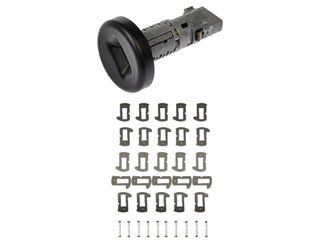
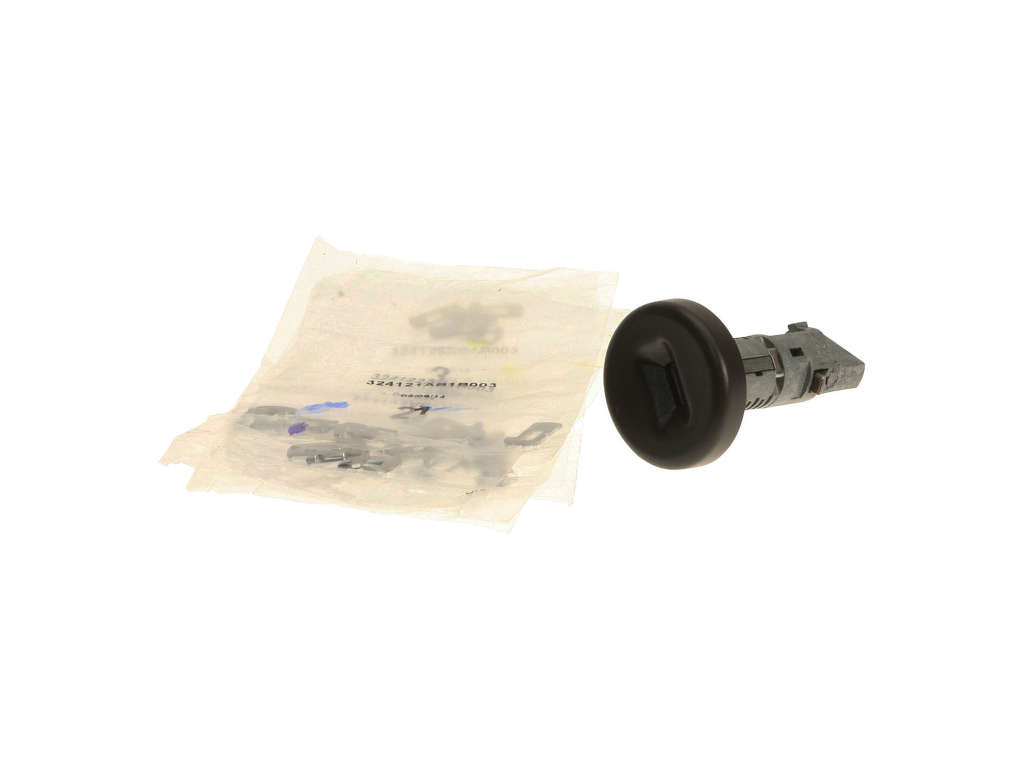
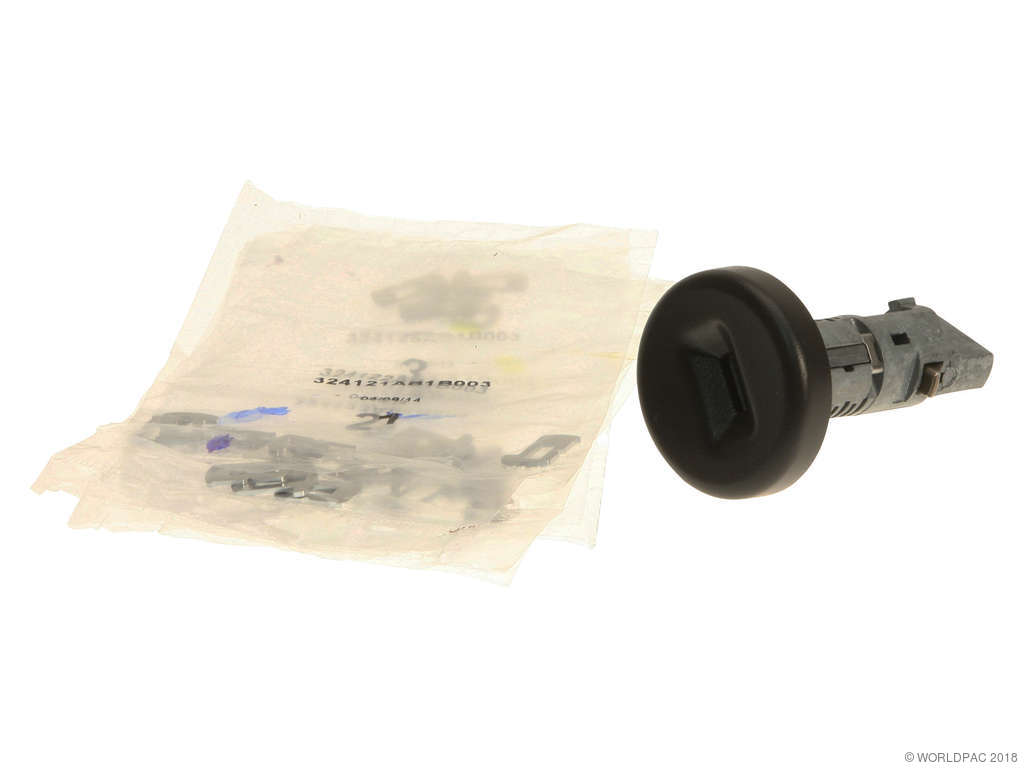
- Ignition Lock Cylinder
(OEM #15794826)— The internal exciter coil that reads the key's transponder chip is a common failure point, preventing the security system from recognizing a valid key. The wires inside are known to break from fatigue.
Trusted brands: ACDelco, Dorman (924-796), Strattec
OEM price range: $120-$200
Aftermarket price range: $70-$130 - Transponder Ignition Key
(OEM #B111-PT (Key Blank))— The transponder chip inside the key head can fail, or the key can lose its programming, directly causing the B3060 code.
Trusted brands: ACDelco, Strattec
OEM price range: $80-$150
Aftermarket price range: $30-$80
Related Codes That Often Appear With This One
- B3055 — This code means 'No Transponder Modulation or No Transponder,' indicating the security module received no signal at all. It often appears with B3060 as they both point to a failure in the key-reading process, such as a broken wire in the ignition cylinder or a dead key.
- B3935 — This code for 'Transponder Authentication Failed' is also set during a failed security handshake and is frequently cited alongside B3060 in service bulletins like PIC5650M.
Technical Service Bulletins (TSBs) & Recalls
- PIC5650M: Addresses intermittent no crank, no start, or start stall concern with the security light coming on, where DTC B3060 may be found.
Platform-Specific Known Issues
- This platform is subject to Technical Service Bulletin #PIC5650M, which addresses intermittent no-crank, no-start, or stall concerns accompanied by the security light and codes like B3060, B3055, and B3935.
- The wiring for the exciter coil inside the ignition lock cylinder housing is a known weak point on GMT900 trucks and SUVs, making it a primary suspect for this code after RFI and key issues are ruled out.
Mechanic-Grade Diagnostic Values
- Passkey III+ Immobilizer System Operating Frequency — expected: 125 kHz. Failure: System is susceptible to interference from other devices operating in the 120-135 kHz range, which can jam the signal and set DTC B3060.
- Ignition Lock Cylinder Exciter Coil — expected: Continuity (a low resistance reading, typically under 5 ohms). Failure: No continuity (Open Line / OL on a multimeter) indicates the coil's internal wiring is broken.
- Theft Deterrent System Operating Voltage — expected: Above 9.0 Volts. Failure: System may behave erratically or lose key memory if system voltage drops below 9.0V during cranking or key-on.
Hidden / Shadow Codes Worth Checking
- B3060 00: No Sub Type Information. This is the most common variant, indicating the BCM received a signal from a key transponder that is not in its memory. (see via GM GDS2 or other professional scan tool capable of reading manufacturer-specific symptom bytes.)
- B3060 5A: Incorrect Transponder Identification Code Received. This specific variant confirms the BCM received a complete but incorrect code, helping to rule out a total signal loss (like a broken wire). (see via GM GDS2 (Global Diagnostic System 2) software.)
Scan Tool Commands That Help
- GDS2 / Tech2: Data Display > TDM Valid Key — Use this function to see if the Theft Deterrent Module (TDM) is recognizing any key as valid. The parameter should read 'Yes' with a programmed key. If it reads 'No' for all known-good keys, it points to a problem with the reader coil, wiring, or the BCM itself.
- GDS2 / Tech2: Configuration/Reset Functions > Immobilizer Learn — This function is required to program new keys or to make the vehicle accept a replacement Body Control Module (BCM). It initiates the security programming procedure.
Wiring & Ground Locations
- BCM Connector X1, Pin 4 — The Body Control Module (BCM) is located under the driver's side dashboard, near the steering column. X1 is one of the large connectors plugging into it.. Pin 4, typically a White/Black wire, is the 'Ignition Key Resistor Signal' circuit. This is the wire that carries the transponder key data from the ignition lock cylinder's reader coil to the BCM. Testing for a signal at this pin can confirm if the key and reader coil are working.
- G218 — On the driver's side A-pillar frame, located under the dash, often behind or near the kick panel speaker.. This is a primary ground for the Body Control Module (BCM). A poor connection at G218 is a known issue on GMT900 platforms that can cause numerous, seemingly random electrical problems, including a no-start and security system faults. TSB PIT5405C specifically calls out inspecting this ground for being loose or having insulation trapped under it.
- G301 / G302 — G301 is under the left (driver's) side of the passenger seat. G302 is under the right side of the passenger seat.. These are major body ground points. While not the primary BCM ground, poor connections here can contribute to floating grounds and general electrical instability that can affect various modules, including the security system.
Real Owner Repair Stories
- TahoeYukonForum.com user 'Denali207' (2008 GMC Yukon Denali (GMT900 Platform), 165,000 miles) — Intermittent no-crank/no-start, door locks cycling randomly, gauge cluster freaking out, Stabilitrak/ABS lights, and other codes like U0100 (Lost Comms with ECM).
❌ Tried (didn't work) Clearing codes, Cleaning multiple ground points on the firewall, frame, and engine
✅ What actually fixed it The owner found that shorting the disconnected battery terminals together would temporarily fix the issue. Another user in the thread pointed out that this symptom is classic for an internally broken or high-resistance negative battery cable, a common issue on these trucks that causes intermittent module communication loss and mimics a security fault. - Go-Parts.com research article (2014 GMC Savana (Similar Passkey III+ system)) — Persistent B3060 no-start condition.
❌ Tried (didn't work) Replacing the ignition lock cylinder (the most common fix), Performing the 30-minute key relearn procedure
✅ What actually fixed it The ultimate fix was replacing and reprogramming the Body Control Module (BCM), which had failed internally. This serves as a real-world example for when the most common parts replacement does not solve the issue.
When the Usual Fixes Don't Work
- In some cases, replacing the most common failure part—the ignition lock cylinder—does not fix the B3060 code. If the relearn procedure is performed correctly with a known-good key and a new lock cylinder, and the code persists, the next step is to investigate the Body Control Module (BCM) itself for internal failure, which requires professional diagnosis and programming.
Helpful Videos
We Have This Part in Stock

The information in this article is provided for general reference and educational purposes only. Vehicle specifications, procedures, and part compatibility can vary by production date, trim level, and region. Always consult your vehicle's factory service manual and verify part numbers before purchasing or performing repairs. Safety-critical components such as airbags, seat belts, and braking systems should be installed by a qualified professional.
- Gmc YUKON HYBRID:
- 🧭 Diagnostic Flowchart
- 🎬 Helpful Videos
- 🛍️ Shop This Part
- What's Unique About the 2008-2012 Gmc YUKON HYBRID
- Symptoms You May Notice
- Most Likely Causes
- Rare But Worth Checking
- Diagnosis Steps
- Parts You'll Likely Need
- Related Codes That Often Appear With This One
- Technical Service Bulletins (TSBs) & Recalls
- Platform-Specific Known Issues
- Mechanic-Grade Diagnostic Values
- Hidden / Shadow Codes Worth Checking
- Scan Tool Commands That Help
- Wiring & Ground Locations
- Real Owner Repair Stories
- When the Usual Fixes Don't Work
- 🎟️ Get 5% Off