

B3935 on 2015-2022 Chevrolet Equinox: Causes for Transponder Authentication Error
Code B3935 on a Chevy Equinox means the anti-theft system is preventing the engine from starting. The most common fix is removing other electronic devices from your keychain causing interference. If that fails, a security system relearn or a new key may be needed.
- B3935 means your Equinox's anti-theft system has been triggered and is preventing the engine from starting.
- Before spending any money, the first step is to remove your key from all other keys/fobs and unplug any phone chargers or dash cams to rule out radio interference.
- Trying your spare key is the fastest way to determine if your primary key has failed.
- If the issue persists, a security system 'relearn' procedure may resolve the problem, but any parts replacement (key or BCM) will require professional programming.
- On 2015 models, if code B2955 is also present, ask a dealer about a BCM software update mentioned in TSB PI1180A.
What's Unique About the 2015-2022 Chevrolet EQUINOX
The Equinox, across both the second (2010-2017) and third (2018-2022) generations, is notably susceptible to this issue due to radio frequency interference (RFI). General Motors has issued multiple Technical Service Bulletins (TSBs), such as the PIC5650 series, advising technicians to first check for RFI from aftermarket devices or even other keys on the owner's keychain before replacing any parts. In some earlier models, specifically 2014-2015, a BCM software glitch was also a documented cause requiring a dealer-installed update per TSB PI1180A.
Diagnostic Flowchart
Tap your situation to follow the diagnostic path that matches what you're seeing on this vehicle.
Generation note: This range covers two Equinox generations: the second (2015-2017) and the third (2018-2022). The primary causes, like RFI and key issues, are common to both. However, a specific BCM software update (TSB PI1180A) primarily applies to 2014-2015 models, affecting the earlier years in this range. The platform mate, GMC Terrain, also shares these issues across the same generations. The BCM and key fob designs differ between these generations, with part number 13534183 applying to the 2015-2017 models.
Symptoms You May Notice
- Engine will not crank (no-crank, no-start).
- Engine starts and immediately stalls.
- Security indicator light is on or flashing on the dashboard.
- On keyless start models, a 'No Fob Detected' message may appear.
- Message on the instrument cluster may read 'Service Theft Deterrent System'.
- Replacing the battery or starter motor without checking for security codes. The symptoms are a no-crank, but the cause is electronic, not a failure of the main battery or starter. 🎬 See what happens when the anti-theft system prevents a start.
Most Likely Causes
- Radio Frequency Interference (RFI) 🔴 High Probability GM has multiple TSBs (PIC5650 series and PIE0232) documenting that aftermarket devices like phone chargers, dash cams, or even other RFID-enabled cards on a keychain can jam the signal between the key and the car's immobilizer antenna. Low-quality chargers are a frequent culprit.
How to confirm: Remove the ignition key from the keychain so it is by itself. Remove any aftermarket electronic devices from the car, especially anything plugged into the 12V power outlets. If the car starts, RFI was the cause.
Typical fix: Keep the ignition key separate from other keys, fobs, and RFID cards. Avoid using low-quality aftermarket electronics that plug into the vehicle's power outlets.
Est. part cost: $0 - Faulty or Weak Ignition Key 🟡 Medium Probability → Shop Ignition Switch The transponder chip in the key can fail internally, or the battery in the key fob (typically a CR2032) can become too weak to send a clear signal.
How to confirm: Try starting the vehicle with a spare key. If the spare key works consistently, the original key is faulty. You can also try replacing the key fob battery as a simple first step. 🎬 Watch this quick guide to replacing your key fob battery.
Typical fix: Replace the battery in the key fob. If that doesn't work, a new key must be purchased and programmed by a dealer or automotive locksmith.
Est. part cost: $5-$15 for a battery, $150-$400 for a new key and programming. - BCM Software Update Needed ⚪ Low Probability TSB PI1180A identifies a software issue on some 2014-2015 models where the BCM fails to read the immobilizer information correctly, specifically setting codes B3935 and B2955 together.
How to confirm: A GM dealer must check the vehicle's service history and current BCM calibration version against TIS2WEB to see if the update applies. The bulletin explicitly states not to reprogram unless both B3935 and B2955 are present.
Typical fix: Reprogram the Body Control Module (BCM) with the updated software calibration. This is a 0.5-hour labor operation according to the TSB.
Est. part cost: $0 if covered, otherwise labor cost for reprogramming (approx. $100-$200).
Rare But Worth Checking
- Failed Body Control Module (BCM) or Theft Deterrent Module (TDM): → Shop Anti-Theft Control Module This is a last resort after all other possibilities, especially RFI and key issues, have been thoroughly ruled out. The module itself can fail internally, requiring replacement and programming.
- Damaged Wiring or Immobilizer Antenna: → Shop Antenna The ring antenna around the ignition cylinder (or receiver for keyless start) can fail, or its wiring to the BCM can be damaged, but this is uncommon. This may also set code B3060.
Diagnosis Steps
- Verify the complaint: Confirm the engine does not crank and the security light is illuminated.
- Isolate the Key: Remove the ignition key from any other keys, fobs, or RFID cards on the keychain. Test it alone.
- Remove RFI Sources: Unplug all aftermarket devices (phone chargers, GPS, dash cams) from the vehicle's power outlets.
- Test Spare Key: Attempt to start the vehicle with a known-good spare key.
- Replace Key Battery: If a spare key isn't available, replace the battery (usually CR2032) in the primary key fob.
- Attempt Security Relearn: Perform the '30-minute relearn' procedure. Turn the key to the 'ON' position (don't start), wait for the security light to turn off (approx. 10 minutes), turn the key off for 5 seconds. Repeat this process two more times for a total of three 10-minute cycles. 🎬 Watch: How to perform the 30-minute theft deterrent reset procedure. After the third cycle, the key should be relearned.
- Scan for Codes: Use an OBD-II scanner to confirm B3935 and check for other related codes like B3055, B3060, or B2955.
- Check for TSBs: If B3935 and B2955 are present on a 2015 model, consult a dealer about TSB PI1180A for a BCM reprogram.
- Professional Diagnosis: If the issue persists, the vehicle needs to be diagnosed by a professional to inspect the BCM, TDM, and immobilizer system wiring.
Parts You'll Likely Need
- Key Fob Battery
(OEM #CR2032)— This is the simplest and cheapest potential fix for a weak signal from the key.
Trusted brands: Energizer, Duracell, Panasonic
OEM price range: $5-$10
Aftermarket price range: $2-$8 - Ignition Key / Key Fob
(OEM #13584498, 13585723 (2018-2022 models, FCC ID HYQ4AA))— If the internal transponder chip has failed, the entire key must be replaced and programmed.
Trusted brands: ACDelco (OEM), Standard Motor Products
OEM price range: $100-$250
Aftermarket price range: $50-$150 - Body Control Module (BCM)
(OEM #13534183 (2016 model example, supersedes 13580697, 13586273))— In rare cases, or if a software update is needed, the BCM is the root cause. It often only needs reprogramming, not replacement.
Trusted brands: ACDelco (OEM)
OEM price range: $250-$500
Aftermarket price range: $150-$350
Related Codes That Often Appear With This One
- B3055 — Relates to a problem with the key transponder itself. Often appears with B3935 as part of the same anti-theft event.
- B3060 — Indicates an issue with the immobilizer antenna (exciter coil). It's part of the same system that authenticates the key.
- B2955 — This code, when seen with B3935 on 2014-2015 models, specifically points to a BCM software glitch that requires a dealer reprogram per TSB PI1180A.
Technical Service Bulletins (TSBs) & Recalls
- PIC5650M: Intermittent no crank/start with security light and DTC B3935, points to RFI.
- PIC5650L: Intermittent no crank/start with security light and DTC B3935, explicitly mentions not to replace parts and to ask about RFI.
- PI1180A: Intermittent no start with security light and DTCs B3935 and B2955, requires a BCM software update on specific 2014-2015 models.
- PIE0232: An engineering information bulletin from 2012 asking for data on low-mileage vehicles with B3935, B3055, or B3060, specifically requesting technicians to check for RFI devices near the ignition.
Platform-Specific Known Issues
- GM Technical Service Bulletin PIC5650M notes that intermittent no-start conditions with code B3935 can be caused by Radio Frequency Identification interference and advises against replacing parts without first investigating this possibility.
- GM Technical Service Bulletin PIC5650L reinforces this, stating technicians should not replace any parts for this concern and should ask the customer about RFI devices.
- GM Technical Service Bulletin PI1180A addresses a specific condition on 2014-2015 models where B3935 and B2955 are set together due to a software error, with the official fix being a BCM reprogram.
Mechanic-Grade Diagnostic Values
- Immobilizer Antenna/Exciter Coil Function — expected: Using a simple automotive chip induction coil tester held near the ignition switch, the tester's LED should flash when the ignition is turned ON.. Failure: If the LED on the tester does not flash, it indicates the BCM is not commanding the coil or the coil itself has failed. If it does flash, the coil is working and the problem is likely the key or BCM authentication.
Hidden / Shadow Codes Worth Checking
- B3935 57: Transponder Authentication Error. This specific symptom byte indicates the BCM/TDM successfully read the key's transponder value and it matched a learned key, but the subsequent cryptographic challenge-and-response calculation between the module and the key's chip failed. (see via A dealer-level scan tool such as GM GDS2 is required to view symptom bytes.)
Scan Tool Commands That Help
- GM GDS2 / Tech2Win: Immobilizer Learn — This function is required to add new keys, or to relearn all keys after replacing the Body Control Module (BCM) or Theft Deterrent Module (TDM).
- GM SPS (Service Programming System): Body Control Module Programming and Setup — This is used to update the BCM software to the latest calibration, which is the specific fix for the B3935/B2955 code combination on 2015 models per TSB PI1180A. It is also required when installing a new BCM.
Wiring & Ground Locations
- Body Control Module (BCM) — For the third generation (2018-2022), the BCM is located on the passenger side of the center console, accessible by removing the side trim panel. For the second generation (2015-2017), it is in a similar location, accessible via a cover in the passenger footwell.. This is the primary control module for the theft deterrent system. All related wiring for the key, antenna, and security indicator terminates here. Physical access is needed for inspection, testing, or replacement.
- G103 / G210 — G103 is a major chassis ground located on the cowl in the engine compartment, often above the brake booster. G210 is located on the left side of the dash. Poor ground connections at these points can cause intermittent and difficult-to-diagnose BCM and security system issues.. The BCM relies on a clean ground connection to function. A corroded or loose G103 or G210 ground can cause voltage drops and communication errors, potentially leading to false anti-theft activation and setting B3935.
OEM Part Supersession History
13580697, 13586273→13534183— Standard part revision and consolidation by the manufacturer.
Heads up: These part numbers apply to the second generation Equinox (up to 2017). They are not compatible with the third generation (2018+).
Model Year Variations Within This Range
- 2015-2017 (2nd Gen) vs 2018-2022 (3rd Gen): The entire key and immobilizer system differs. The 2nd gen uses a bladed key with a transponder chip, while the 3rd gen uses a keyless entry/start fob (FCC ID HYQ4AA). The Body Control Modules are also different parts between generations, with P/N 13534183 being specific to the 2015-2017 models.
Helpful Videos

Used OEM Parts in Stock
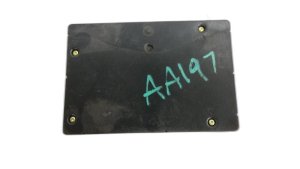
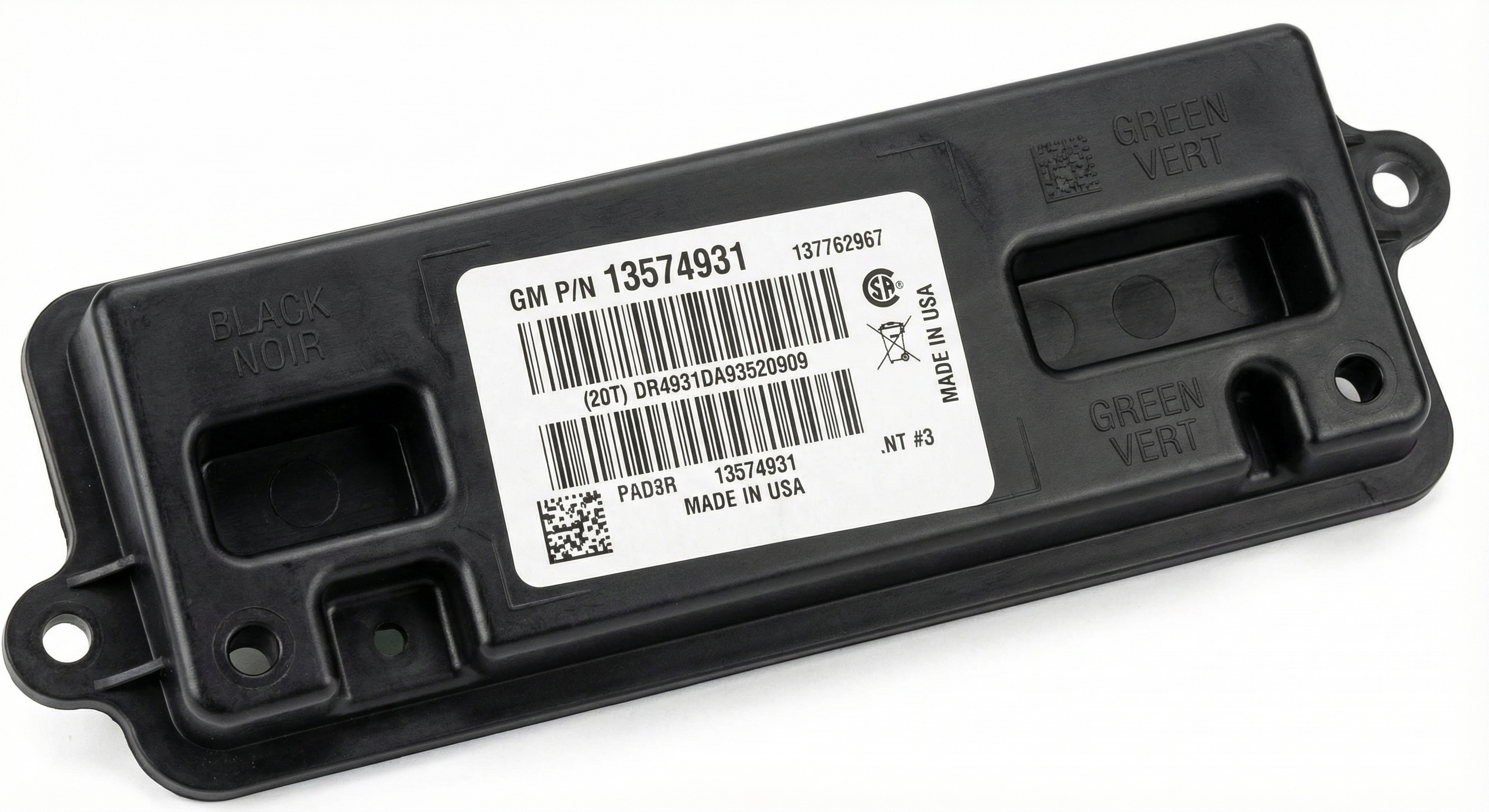
New Aftermarket Parts Available


The information in this article is provided for general reference and educational purposes only. Vehicle specifications, procedures, and part compatibility can vary by production date, trim level, and region. Always consult your vehicle's factory service manual and verify part numbers before purchasing or performing repairs. Safety-critical components such as airbags, seat belts, and braking systems should be installed by a qualified professional.
- Chevrolet EQUINOX:
- 🧭 Diagnostic Flowchart
- 🎬 Helpful Videos
- 🛍️ Shop This Part
- What's Unique About the 2015-2022 Chevrolet EQUINOX
- Symptoms You May Notice
- Most Likely Causes
- Rare But Worth Checking
- Diagnosis Steps
- Parts You'll Likely Need
- Related Codes That Often Appear With This One
- Technical Service Bulletins (TSBs) & Recalls
- Platform-Specific Known Issues
- Mechanic-Grade Diagnostic Values
- Hidden / Shadow Codes Worth Checking
- Scan Tool Commands That Help
- Wiring & Ground Locations
- OEM Part Supersession History
- Model Year Variations Within This Range
- 🎟️ Get 5% Off