

B3935 on 2007-2009 Pontiac Torrent: Security Code, No-Start Causes and Fixes
On a 2007-2009 Pontiac Torrent, code B3935 almost always indicates a security system issue causing a no-start. The most common cause is radio frequency (RF) interference from other keys or access cards on your keychain. Before replacing any parts, try starting the car with the ignition key completely isolated from all other items; this costs nothing and often solves the problem. If that fails, a simple 30-minute security relearn procedure can often resolve the issue.
- B3935 is a security code, not a mechanical engine problem. Do not replace the starter or battery first.
- The #1 cause is Radio Frequency Interference (RFI). Your first and most important diagnostic step is to try starting the car with the ignition key isolated from all other keys, fobs, and cards.
- If RFI is not the cause, your next step is to try a spare key to determine if the primary key has failed.
- A 30-minute 'Security Relearn' procedure can sometimes resolve the issue if the system has lost synchronization.
- If a new key or BCM is required, professional programming will be necessary.
What's Unique About the 2007-2009 Pontiac TORRENT
The Pontiac Torrent and its sibling, the Chevrolet Equinox, are uniquely susceptible to this fault due to radio frequency interference (RFI). General Motors issued multiple Technical Service Bulletins (TSBs), including PIC5650K and PIC5650M, specifically warning technicians *not* to replace parts for this code until RFI has been ruled out. The issue is so common that the primary diagnostic step, unlike on many other vehicles, is to check the driver's keychain for other RFID-enabled devices like toll passes, office key cards, or even other vehicle key fobs before performing any electronic diagnostics.
Diagnostic Flowchart
Tap your situation to follow the diagnostic path that matches what you're seeing on this vehicle.
Symptoms You May Notice
- Engine will not crank or start.
- Engine starts briefly and then immediately stalls.
- The security indicator light (an icon of a car with a lock) is illuminated or flashing on the dashboard.
- A 'SERVICE THEFT DETERRENT SYSTEM 🎬 Watch: Troubleshooting an Equinox that won't start due to anti-theft' message may appear on the Driver Information Center (DIC).
- Replacing the starter motor. A starter failure will typically not illuminate the security light or set a B-code.
- Replacing the battery without diagnosing the charging system. While a low battery can cause issues, B3935 points specifically to a security authentication failure.
- Replacing the BCM or ignition switch before ruling out Radio Frequency Interference, as explicitly warned against in GM service bulletins PIC5650K/M.
Most Likely Causes
- Radio Frequency Interference (RFI) 🔴 High Probability As documented in GM TSBs PIC5650K/M, the Pass-Key III+ system in these vehicles is sensitive to external radio signals from aftermarket devices or other fobs. Specific sources cited in bulletins include other vehicle keys, toll passes, building access cards, and even aftermarket LED lighting or USB phone chargers plugged into the vehicle's power outlets.
How to confirm: Remove the Torrent ignition key from your keychain. Ensure no other keys, fobs, office access cards, or toll passes are nearby. Unplug any aftermarket phone chargers or dash cams. Try starting the vehicle with the single, isolated key. If it starts, RFI was the cause.
Typical fix: Keep the ignition key on a separate ring or ensure other RFID-emitting devices are not near the ignition cylinder when starting the car. Remove any low-quality aftermarket chargers.
Est. part cost: $0 - Defective or Worn Ignition Key 🟡 Medium Probability → Shop Ignition Switch The transponder chip embedded in the key head can fail or become damaged over time, preventing it from correctly responding to the BCM's security challenge. This can happen from drops or just age.
How to confirm: If isolating the key from RFI doesn't work, try using a spare key. If the spare key works consistently, the primary key is faulty.
Typical fix: Replace the defective key. A new key must be cut and programmed to the vehicle by a dealership or an automotive locksmith with the proper tools.
Est. part cost: $70-$150 - Faulty Body Control Module (BCM) ⚪ Low Probability → Shop Body Control Module The BCM on the first-generation Equinox/Torrent platform is a known point of failure for various electrical issues, including this anti-theft system fault. Voltage spikes, heat, or internal component failure can cause the BCM to malfunction.
How to confirm: This requires professional diagnosis with a GM-specific scan tool to check for communication errors and internal BCM faults. This should only be considered after RFI and the key have been ruled out.
Typical fix: The BCM must be replaced and programmed by a dealer or qualified shop with access to GM's Service Programming System (SPS). Some vendors sell pre-programmed BCMs that are VIN-matched 🎬 Watch this DIY walkthrough for replacing the Body Control Module for easier installation.
Est. part cost: $250-$450
Rare But Worth Checking
- Worn Ignition Lock Cylinder 🎬 See what happens when a Torrent key gets stuck in the cylinder / Exciter Coil: The exciter coil that powers the key's transponder is part of the ignition lock cylinder assembly. A break in its internal wiring can prevent the key from being read, though this is less common than key failure. This would typically set code B3055 along with B3935.
- Low Vehicle Battery Voltage: → Shop Vehicle Battery A weak or failing battery can cause unpredictable behavior from various electronic modules, including the BCM, potentially triggering a false security event during startup. One owner reported a cascade of warning lights, including the theft system, which started after their battery began to fail in cold weather.
- Corroded or Damaged BCM Wiring/Connectors: On the related Pontiac Solstice platform, a B3935 code was traced to corrosion and backed-out pins in the main BCM harness connector, preventing a good connection even after the BCM was replaced. Checking the integrity of the BCM connectors is a valid diagnostic step.
Diagnosis Steps
- Verify the symptoms: Confirm the engine does not start and the security light is on or a 'Service Theft Deterrent System' message is displayed.
- Isolate the ignition key: Remove the key from the keychain, away from all other keys, fobs, and RFID cards (like office access or gas station passes). Attempt to start the engine. This is the most critical step.
- Remove other RFI sources: Unplug any aftermarket phone chargers, dash cams, or GPS units from the power outlets and try again.
- Try the spare key: If you have a second key, try starting the vehicle with it to rule out a failed primary key.
- Attempt a Security Relearn Procedure: Turn the key to the 'ON' position (do not start). Wait for approximately 10 minutes, or until the security light stops flashing and turns off. Turn the key off for 5-10 seconds. Repeat this process two more times for a total of three 10-minute cycles. After the third cycle, turn the key off, then try to start the engine. This procedure is often called the '30-minute relearn'.
- Check BCM Fuses: Inspect the fuses related to the Body Control Module and Theft Deterrent System in the vehicle's fuse panels (both interior and under-hood).
- Inspect Battery Terminals and Ground Wires: A YouTube video on an '08 Torrent with random dying issues highlighted the importance of clean, tight battery terminals and solid ground connections, as poor connections can cause a variety of electrical gremlins.
- Professional Scan: If the issue persists, the vehicle needs to be scanned with a tool capable of reading GM body codes to confirm B3935 and check for other related faults.
Parts You'll Likely Need
- Ignition Key with Transponder (Pass-Key III+) — If the original key's internal transponder chip has failed, a new key is the only solution. This is the most commonly replaced part after RFI is ruled out.
Trusted brands: ACDelco, Strattec
OEM price range: $100-$180
Aftermarket price range: $50-$90 - Body Control Module (BCM)
(OEM #22860591 (supercedes multiple previous numbers including 15880684, 20935349, 25934762, 15921352))— In less common cases, an internal failure of the BCM itself prevents it from authenticating a known-good key. This is a last resort after other causes are eliminated. Replacement requires programming.
Trusted brands: ACDelco (GM Genuine), Dorman (Remanufactured)
OEM price range: $250-$450
Aftermarket price range: $150-$300
Related Codes That Often Appear With This One
- B3055 — This code means 'No Transponder Modulation or No Transponder' and often appears with B3935 when RFI is scrambling the signal or the key is completely dead.
- B3060 — This code for 'Unprogrammed Transponder' can also be triggered by communication errors between the key and the BCM, and is cited alongside B3935 in TSBs.
Technical Service Bulletins (TSBs) & Recalls
- PIC5650M / PIC5650K: Warns of intermittent no-crank/no-start with security light and codes B3055, B3060, or B3935. Instructs technicians to investigate Radio Frequency Interference (RFI) before replacing parts.
Platform-Specific Known Issues
- High sensitivity to Radio Frequency Interference (RFI) from devices on the keychain, as documented in TSBs PIC5650K and PIC5650M.
- The Body Control Module (BCM) on this platform is a known weak point that can cause a variety of electrical problems, including this security fault. A YouTube video documents an owner's theory that the under-hood placement of the ECU/BCM leads to heat-related failures over time.
- The 30-minute security relearn procedure is a very common and often successful fix after a battery replacement or if the system loses synchronization.
Hidden / Shadow Codes Worth Checking
- B3935 57: The '57' is a GM-specific symptom byte meaning 'Invalid or Mismatched Key' or 'Transponder Authentication Error'. It specifies that the key was read but the cryptographic challenge/response calculation failed. This confirms the issue is with the security handshake, not a failure to read the key itself. (see via A professional GM-specific scan tool like a Tech 2 or a high-end bidirectional scanner capable of reading manufacturer symptom bytes.)
Scan Tool Commands That Help
- GM Tech 2 / GDS2: Vehicle Theft Deterrent (VTD) Learn / Immobilizer Learn — This function is required after replacing a key, the BCM, or the ECM to program the new components to the vehicle and allow it to start.
- GM Tech 2 / GDS2: Module Diagnostics > TDM/BCM > Data Display — Use this to monitor live data from the theft deterrent system, which can help determine if the key is being recognized and where the authentication process is failing.
- GM Tech 2: Reset Immobilizer / Reset Engine Control Module — These functions are used to reset security information in the respective modules, often as a prerequisite to programming new keys or modules. This requires entering a security code.
Wiring & Ground Locations
- Body Control Module (BCM) — Located in the center of the dashboard, behind the radio and HVAC controls. Access requires removing the center console trim and radio.. The BCM is the module that manages the Pass-Key III+ security system. All relevant wiring for the ignition switch, exciter coil, and data communication lines connect here. A poor connection at one of its connectors (C1, C2, C3, C4) can cause this code.
- G101 — At the left front corner of the vehicle.. This is a major chassis ground. While not directly for the BCM, a poor ground here can introduce electrical noise into the vehicle's systems, potentially contributing to module communication issues.
- G103 — At the left side of the engine compartment.. This is a primary ground for the engine harness and Underhood Fuse Block. A fault here could cause voltage irregularities that affect various modules, including the BCM.
- BCM Connector C1 (Gray 16-pin) — On the BCM behind the radio.. Contains the Yellow wire at Pin A8 which is part of the Passlock/Passkey circuit on some GM models. Damage to this wire or pin could directly cause security faults.
Real Owner Repair Stories
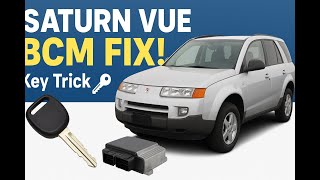
- YouTube channel 'Copenhagen's Blue' (Saturn VUE (sister platform to Torrent/Equinox)) — Multiple erroneous lights on the dash (battery, check engine, coolant), indicating widespread electrical issues originating from the BCM.
❌ Tried (didn't work) Enduring the random warning lights.
✅ What actually fixed it The owner replaced the faulty Body Control Module (BCM) with a used one from a junkyard. Crucially, they had to perform the 30-minute security relearn procedure to synchronize the used BCM to the vehicle's keys and immobilizer system, which successfully made the car drivable again.
OEM Part Supersession History
15880684, 15921352, 20935349, 25934762, and others→22860591— GM regularly updates part designs to integrate new materials, technologies, and fix known issues. This single part number consolidates inventory for multiple older, discontinued numbers.
Heads up: While 22860591 is the primary service replacement, you must match the part number from your original BCM if buying a used module. Installing a used BCM will cause the odometer to display the mileage from the donor vehicle; only a dealer can correct this. All replacements, new or used, require programming and/or a security relearn procedure to function.
Helpful Videos



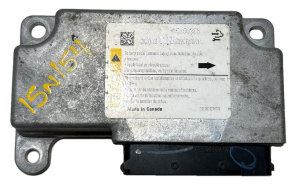
Used OEM Parts in Stock
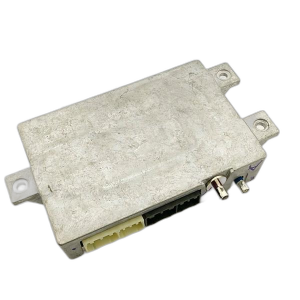
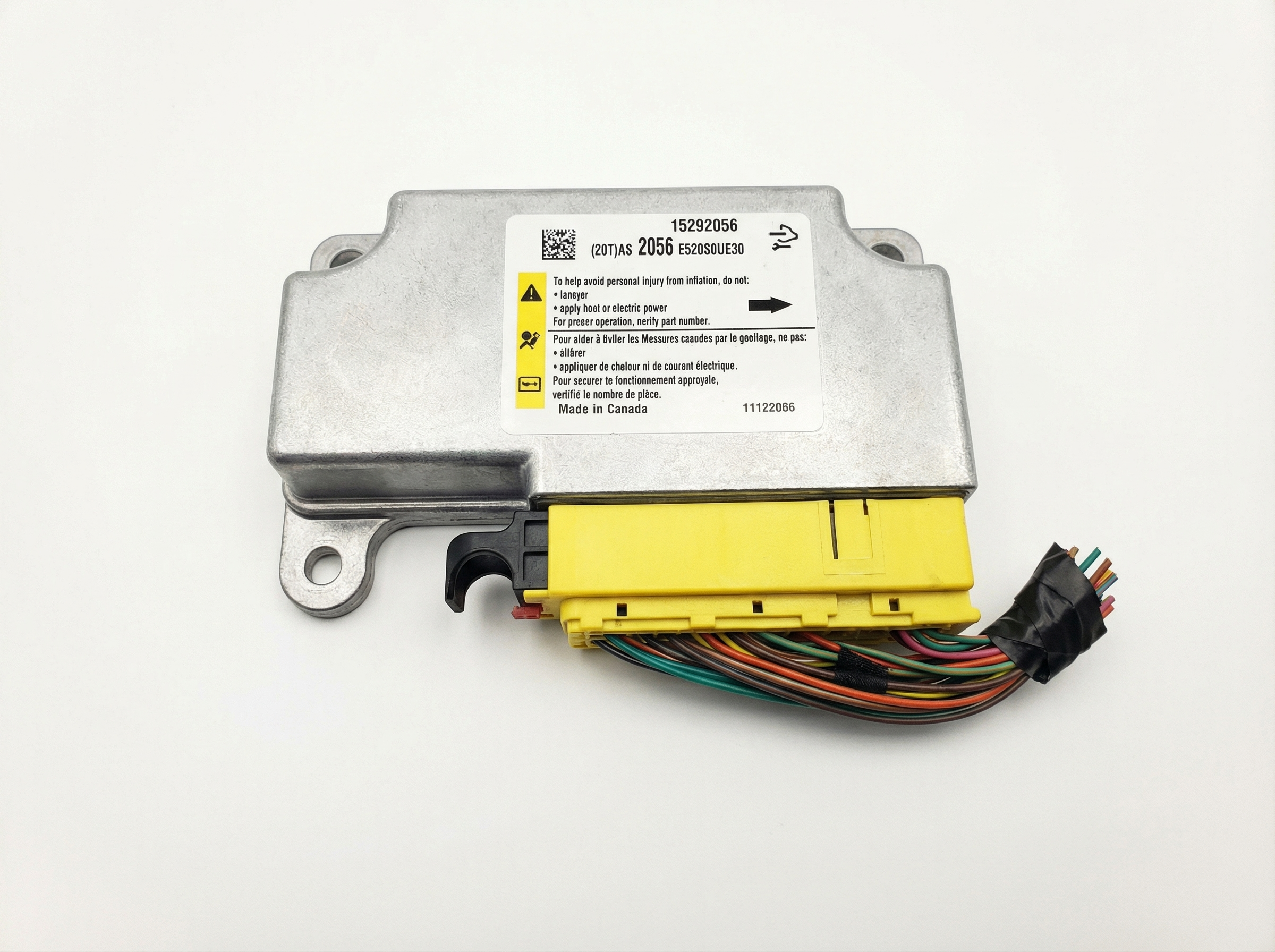
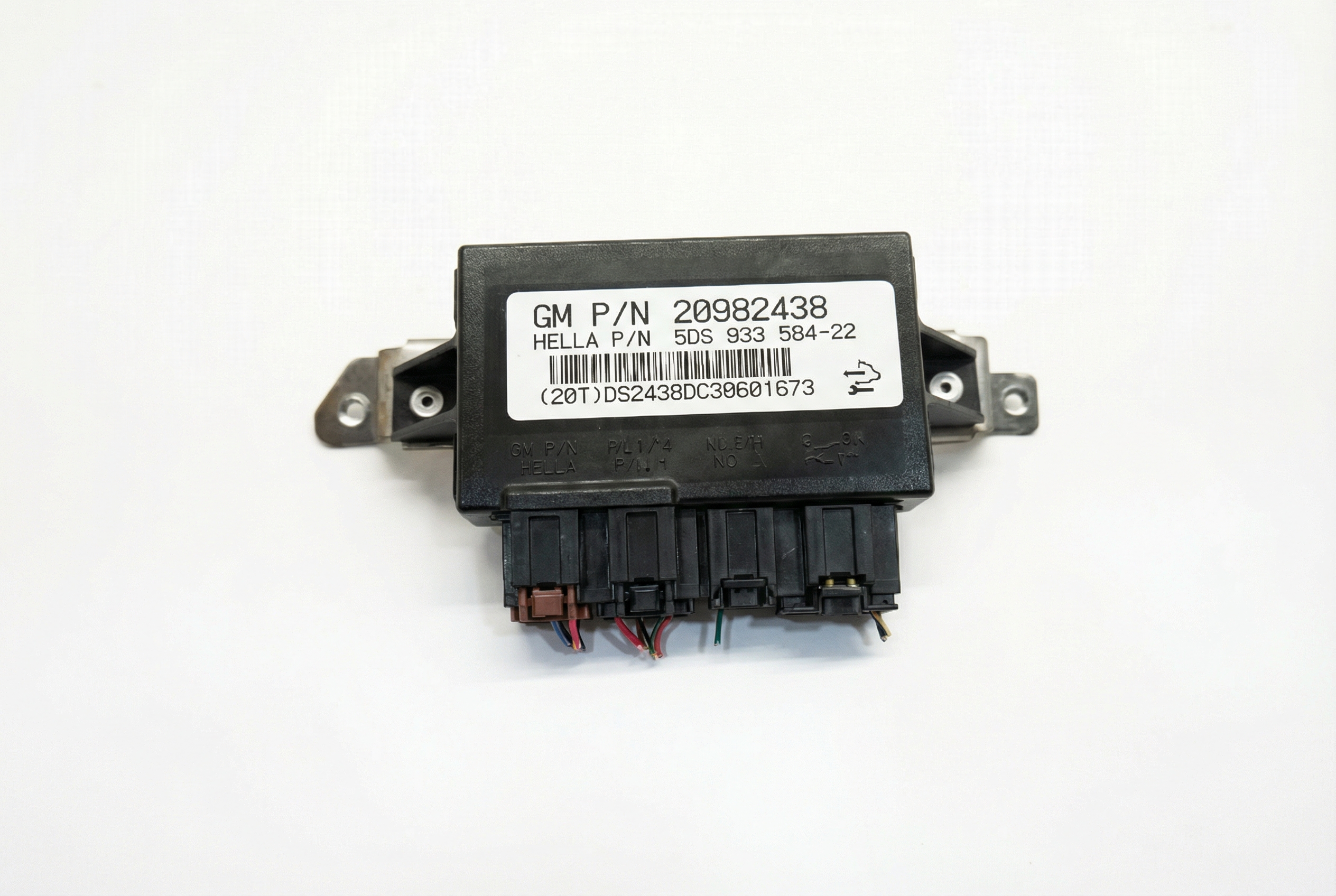
New Aftermarket Parts Available
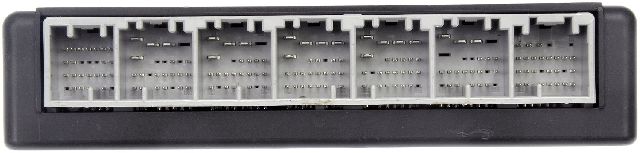


The information in this article is provided for general reference and educational purposes only. Vehicle specifications, procedures, and part compatibility can vary by production date, trim level, and region. Always consult your vehicle's factory service manual and verify part numbers before purchasing or performing repairs. Safety-critical components such as airbags, seat belts, and braking systems should be installed by a qualified professional.
- Pontiac TORRENT:
- 🧭 Diagnostic Flowchart
- 🎬 Helpful Videos
- 🛍️ Shop This Part
- What's Unique About the 2007-2009 Pontiac TORRENT
- Symptoms You May Notice
- Most Likely Causes
- Rare But Worth Checking
- Diagnosis Steps
- Parts You'll Likely Need
- Related Codes That Often Appear With This One
- Technical Service Bulletins (TSBs) & Recalls
- Platform-Specific Known Issues
- Hidden / Shadow Codes Worth Checking
- Scan Tool Commands That Help
- Wiring & Ground Locations
- Real Owner Repair Stories
- OEM Part Supersession History
- 🎟️ Get 5% Off