

C0045 on 2013-2019 Nissan Sentra: ABS Light Causes and Fixes
Code C0045 on a 2013-2019 Nissan Sentra means there is a fault in the left rear wheel speed sensor circuit. The most common fix is replacing the faulty sensor itself, which costs around $40-$90 for an aftermarket part or up to $285 for OEM. Check the wiring harness for damage near the suspension and the connector for corrosion before replacing parts.
- C0045 means a problem with the left rear wheel speed sensor circuit, which disables your ABS and traction control.
- The most likely cause is a failed sensor, followed by damaged wiring, especially where it flexes near the suspension.
- Use a scan tool's live data function to confirm the left rear sensor is not reading correctly before buying parts.
- The OEM part number for the left rear sensor is 47901-3DA0A. The right rear is 47900-3DA0A.
- While you can drive the car, your safety systems are offline, so get it repaired promptly.
What's Unique About the 2013-2019 Nissan Sentra
For the 2013-2019 Nissan Sentra (B17 generation), the C0045 code is a straightforward issue without widespread documented TSBs or recalls specifically for this fault. The repair is typical for a front-wheel-drive car of this era. The main challenge for DIY repair is often corrosion on the sensor's mounting bolt and connector, given its exposed location in the wheel well. Unlike some vehicles where the tone ring is a separate part, on the Sentra, a damaged tone ring necessitates replacing the entire wheel hub assembly. The wiring harness is also known to chafe near suspension components.
Symptoms You May Notice
- ABS warning light is on
- Traction Control or VDC/Stability Control warning light is on
- ABS and traction control systems are disabled
- Potentially erratic speedometer behavior (though less common)
- Cruise control may be inoperative
- Replacing the ABS module when the fault is simple wiring damage.
- Replacing the wheel speed sensor without first checking for a damaged tone ring on the wheel hub.
- Replacing the wheel speed sensor when the connector pins are corroded and just need cleaning.
Most Likely Causes
- Faulty Left Rear ABS Wheel Speed Sensor 🔴 High Probability → Shop ABS Wheel Speed Sensor The sensor is exposed to road debris, water, and salt, leading to internal electronic failure or corrosion over time. It's the most common point of failure for this code.
How to confirm: Use a scan tool with live data to observe wheel speed. While driving slowly, the left rear sensor will show 0 MPH or an erratic reading compared to the other three wheels. You can also test the sensor's internal resistance with a multimeter and compare it to factory specifications, though live data is more definitive. 🎬 See how to diagnose Nissan ABS codes step-by-step
Typical fix: Replace the left rear ABS wheel speed sensor. The sensor is typically held in by a single 10mm bolt.
Est. part cost: $40-$90 - Damaged Wiring or Connector 🟡 Medium Probability The wiring harness runs down to the wheel hub and is susceptible to damage from road debris, improper routing, or rubbing against suspension components.
How to confirm: Visually inspect the entire length of the wiring from the sensor to where it enters the car body. Look for chafing, breaks, or green/white corrosion on the connector pins. A common failure point is where the harness flexes near the strut. Perform a continuity test with a multimeter from the sensor connector to the ABS module connector.
Typical fix: Repair the broken section of wire or replace the damaged connector pigtail. If corrosion is minor, cleaning the contacts may work temporarily. Ensure the repaired harness is properly secured away from moving parts.
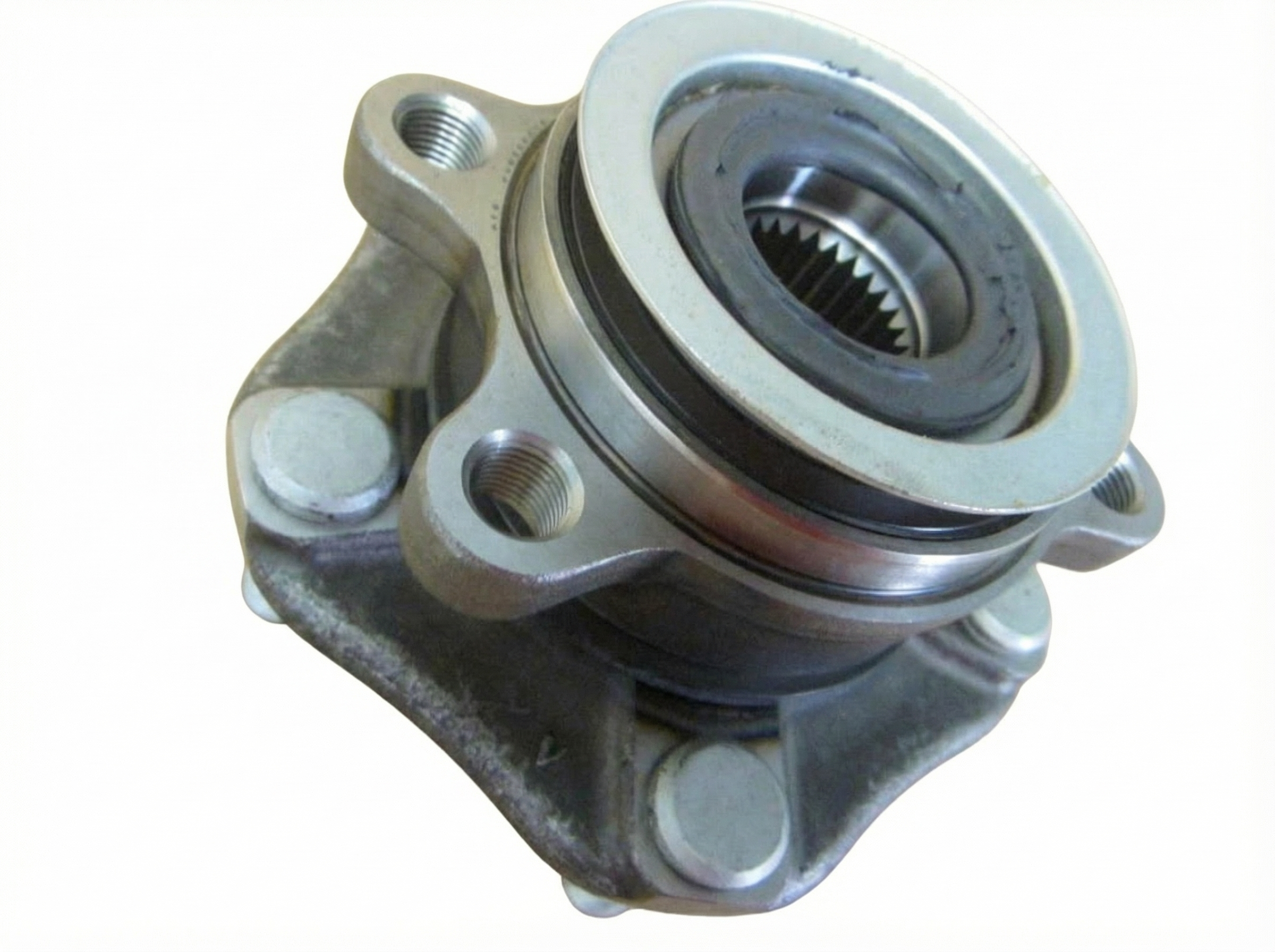
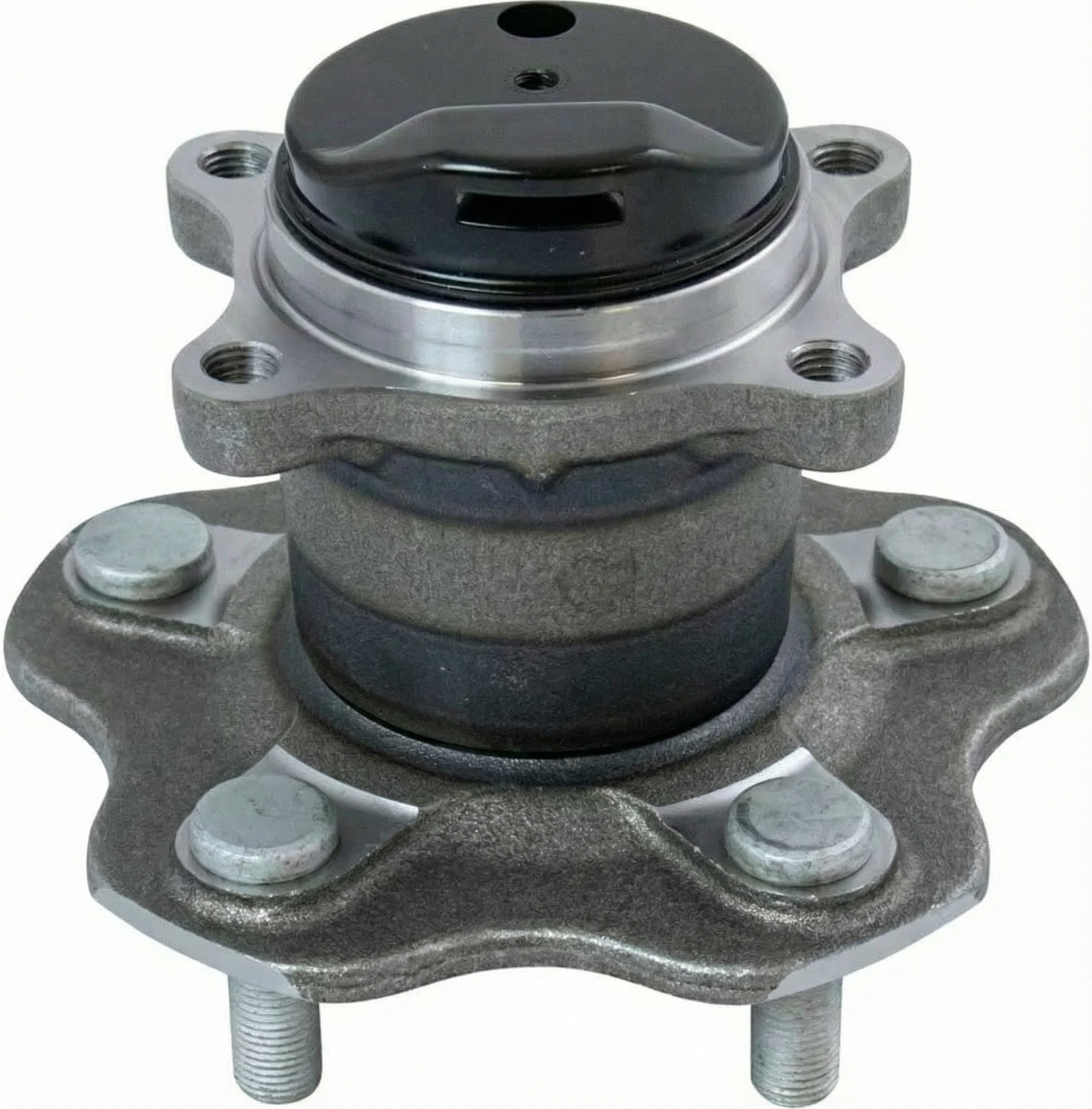
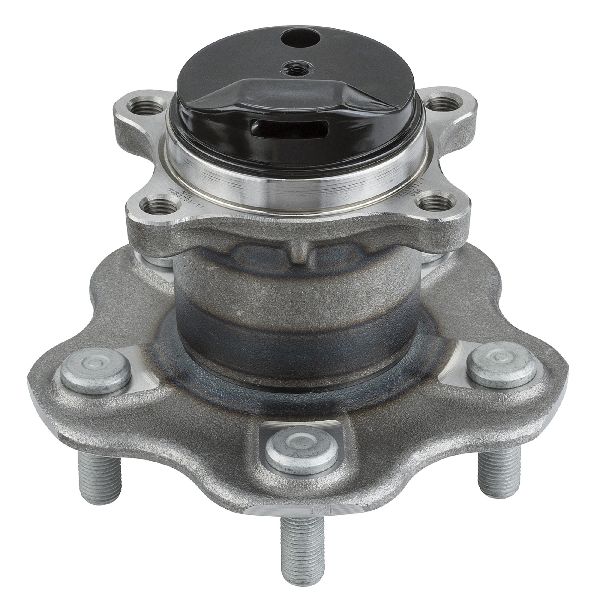
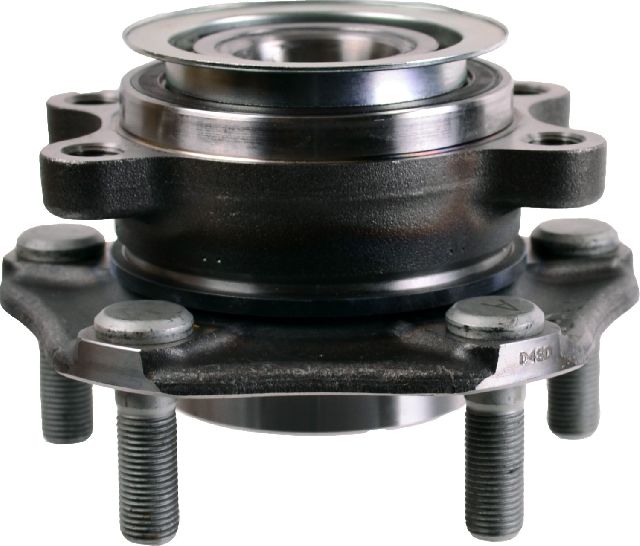
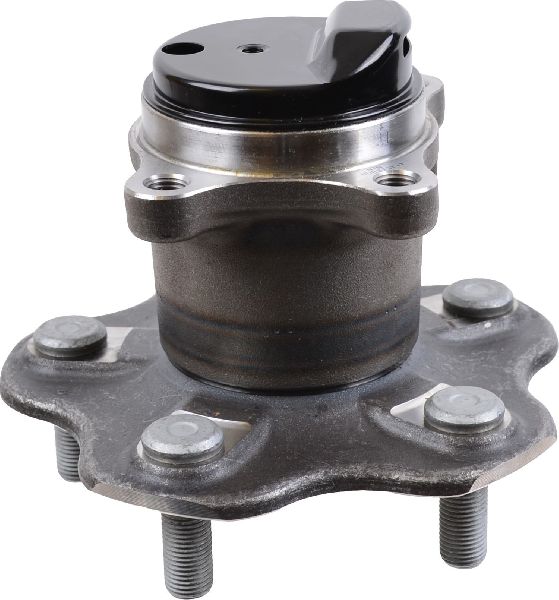
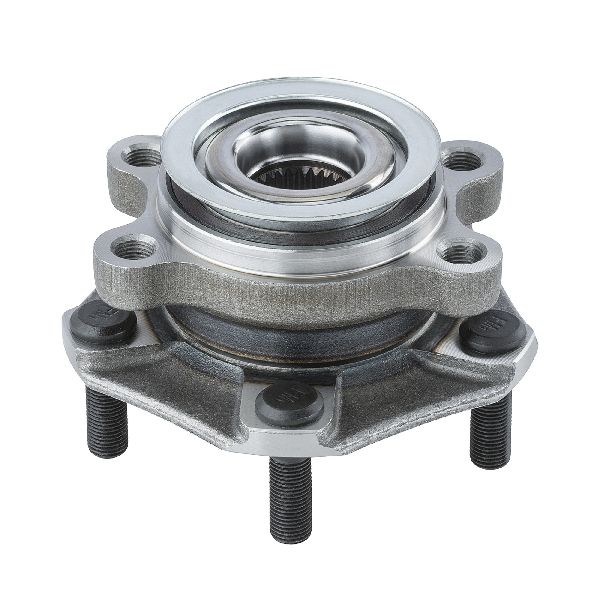
Est. part cost: $15-$50 - Damaged Wheel Hub Assembly (Tone Ring) ⚪ Low Probability → Shop Hub Assembly The magnetic encoder ring is integrated into the wheel hub's seal. Rust can build up underneath the ring ('rust jacking') and cause it to crack or deform, or damage can occur during other repairs like a wheel bearing replacement.
How to confirm: After confirming the sensor and wiring are good, inspect the wheel hub. With the sensor removed, look into the hole for the magnetic ring. Spin the hub and check for visible cracks, rust jacking, heavy contamination, or missing magnetic segments.
Typical fix: Replace the entire left rear wheel hub assembly.
Est. part cost: $80-$200
Rare But Worth Checking
- Faulty ABS Control Module: → Shop ABS Control Module This is the least likely cause. It should only be considered after thoroughly testing the sensor, wiring, and hub assembly. A faulty module will often present with multiple wheel speed sensor codes or communication errors, not just a single one.
Diagnosis Steps
- Connect an OBD-II scanner capable of reading ABS codes to confirm C0045 is present.
- Access the live data stream for the ABS module. Observe the wheel speed readings for all four wheels while driving in a straight line at a low speed (5-10 MPH).
- Confirm that the Left Rear (LR) wheel speed sensor reads 0 MPH or has a significantly different reading than the other three sensors.
- Safely raise and support the vehicle. Remove the left rear wheel.
- Visually inspect the ABS sensor and its wiring harness for any obvious signs of damage, such as breaks, chafing, melting, or rubbing against the strut or other suspension parts.
- Unplug the sensor's electrical connector and inspect for corrosion, moisture, or bent/pushed-back pins.
- Liberally apply penetrating oil to the 10mm bolt holding the sensor in place and allow it to soak to prevent it from seizing or breaking.
- Remove the bolt and carefully wiggle the sensor out of the hub. Inspect the sensor tip for metal debris or damage.
- Inspect the magnetic tone ring on the wheel hub (visible through the sensor mounting hole) for cracks, rust buildup, or physical damage.
- If the visual inspection passes, test the sensor and wiring. A multimeter can check for resistance (if specs are known) or a scope can check the signal pattern. The most reliable test is swapping the left and right rear sensors (if they are interchangeable) and seeing if the code follows the sensor (e.g., changes to C0050).
- If the sensor and hub are good, perform continuity and short-to-ground/power tests on the wiring harness between the sensor connector and the ABS control module.
- Based on the findings, replace the faulty component (sensor, hub, or repair wiring).
- After the repair, clear the code with the scan tool and perform a test drive to ensure the light does not return.
Parts You'll Likely Need
- Left Rear ABS Wheel Speed Sensor
(OEM #47901-3DA0A)— This is the most frequent failure point for the C0045 code, as the sensor is an electronic component exposed to harsh conditions.
Trusted brands: Hitachi, NTK, Bosch, Standard Motor Products (SMP)
OEM price range: $175-$260
Aftermarket price range: $40-$90 - Rear Wheel Hub Assembly
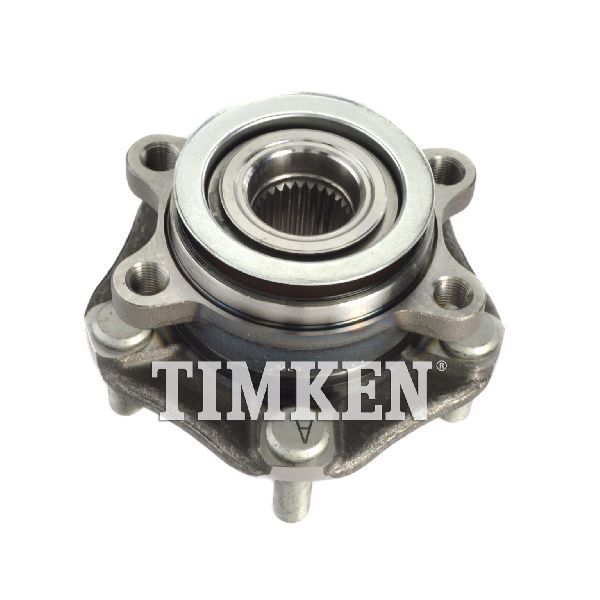
(OEM #43202-4AF0A)— Needed if the integrated magnetic tone ring is cracked or damaged, which is the second most likely parts-based failure after the sensor itself.
Trusted brands: Timken, SKF, MOOG, WJB
OEM price range: $200-$300
Aftermarket price range: $80-$200
Related Codes That Often Appear With This One
- C0050 —
Technical Service Bulletins (TSBs) & Recalls
- While no TSBs are specifically for code C0045 on this vehicle, TSB NTB10-145B provides general diagnostic information for ABS/VDC CAN issues, which may be relevant if communication errors are also present.
Platform-Specific Known Issues
- The 10mm bolt holding the ABS sensor is notoriously prone to rusting and seizing in the steering knuckle. It is highly recommended to soak it in penetrating oil for an extended period before attempting removal to avoid breaking it off.
- The sensor wiring harness is often routed close to the rear strut and can chafe through over time. When inspecting, pay close attention to the area where the harness flexes with suspension travel.
- On some GM vehicles with similar codes, owners have found that even after replacing the hub, the aftermarket sensor connector does not make a solid connection, requiring modification or replacement of the pigtail. While not widely reported on the Sentra, it is a possibility.
Mechanic-Grade Diagnostic Values
- ABS Wheel Speed Sensor Resistance — expected: 800 - 2,000 Ohms (for passive sensors). Failure: A reading of OL (Open Loop/infinite resistance) or near 0 Ohms indicates a failed sensor. Readings that fluctuate wildly also indicate a fault.
- ABS Wheel Speed Sensor AC Voltage Output — expected: Minimum of 0.25 Volts AC while spinning the wheel by hand at about half a revolution per second.. Failure: Voltage below 0.25V AC suggests a weak or failed sensor, or an excessive air gap between the sensor and tone ring.
Scan Tool Commands That Help
- Nissan CONSULT-III plus: ABS "Active Test" or "Live Data" monitoring — The Live Data function is the primary diagnostic tool to confirm the fault by observing the speed reading from the left rear sensor compared to the other three wheels while driving. The CONSULT software is the dealer-level tool for comprehensive diagnostics.
Wiring & Ground Locations
- ABS Actuator & Electric Unit (Control Unit) Ground — The main ground for the ABS module is typically located in the engine compartment, on the left side. A 2017 Sentra wiring diagram shows ground points M57 and M61 on the left side of the dash and under the driver's seat, which serve various chassis electronics.. A poor ground connection for the ABS control module can cause a variety of erratic faults, including false wheel speed sensor codes. This should be checked if the sensor and wiring test good.
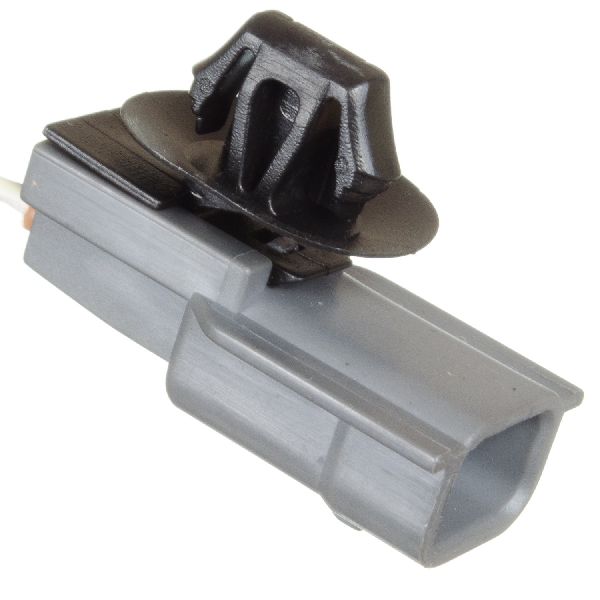
- Sensor Connector — The 2-pin connector for the rear wheel speed sensor is located in the wheel well, clipped to the vehicle body just above the rear suspension components.. This connector is the most common point for wiring-related failures due to its exposure to water and road debris, leading to corrosion. It's the first place to check for wiring issues.
Real Owner Repair Stories
- Reddit r/AskMechanics (Vehicle year not specified, but behavior is consistent with integrated hub/encoder design.) — C0045 code returned even after replacing the wheel speed sensor.
❌ Tried (didn't work) Replacing the left rear wheel speed sensor.
✅ What actually fixed it The problem was metallic debris that had accumulated on the magnetic encoder ring of the wheel bearing. Cleaning the debris off the ring resolved the code without needing to replace the hub.
Documented NHTSA Reports
- A report for a different manufacturer (NHTSA ODI #11219167) highlights that the C0045 code can be caused by a broken left rear wheel speed sensor encoder ring, which required replacing both the speed sensor and the rear hub assembly.
- Another cross-manufacturer report (NHTSA ODI #11165895) describes an intermittent stability control message where the service center identified the fix as replacing the left rear hub bearing assembly to resolve the C0045 code.
- In some instances, as noted in NHTSA ODI #10382746 for a different make, multiple codes including C0045 appeared simultaneously, and the manufacturer recommended erasing the codes and re-programming the software.
- NHTSA ODI #11399819 notes a case where C0045 appeared alongside fuel system codes P0463 and P069E, though this is likely a platform-specific electrical interaction for that particular vehicle.
OEM Part Supersession History
43202-3RA0A, 43202-9AM0A→43202-4AF0A— Part number consolidation and potential design update for the rear wheel hub assembly.
Heads up: The newer part number 43202-4AF0A is the correct replacement for the older numbers and is compatible with the entire 2013-2019 range.None found→47901-3DA0A (Left Rear)— This appears to be the original and consistent part number for the left rear sensor for this generation.
Heads up: The left (47901-3DA0A) and right (47900-3DA0A) rear sensors are not interchangeable.
Diagnostic Flowchart
Other Known Issues on This Vehicle
Issues unrelated to this code that are worth knowing about as an owner of this generation:
- CVT Transmission Failure/Judder 🔴 High → Shop Transmission Assembly — Extremely common. Can occur at various mileages, often starting as a shudder or hesitation. Many vehicles have had transmissions replaced or require reprogramming. (Ref: Multiple TSBs exist, including NTB17-039 and NTB15-014, addressing judder and providing diagnostic/repair flowcharts. A class-action lawsuit extended warranty coverage for many affected vehicles.)
- Mass Airflow (MAF) Sensor Failure 🟠 Medium — A common issue leading to poor idling, stalling, and check engine light with codes like P0101. (Ref: TSB NTB16-027 specifically addresses MIL ON with DTC P0101 for 2013-2015 models.)
- Prematurely Worn Front Struts/Mounts 🟠 Medium — Owners report clunking or banging noises from the front suspension when going over bumps, often caused by failing strut mounts or the struts themselves. (Ref: TSB NTB99-001F provides general guidelines for strut and shock absorber replacement.)
- Clicking Noise from Front Axle 🟡 Low — A clicking or popping sound from the front axle area during initial acceleration from a stop. (Ref: TSB NTB12-055g addresses this specific noise and provides a repair procedure.)
Used vs. New Parts: Buying Guide for This Vehicle
When a used part is the smart pick: A used wheel hub assembly from a low-mileage, non-corroded donor vehicle can be a cost-effective option. However, given the critical nature of wheel bearings, the risk of unknown wear may outweigh the savings. Used ABS sensors are generally not recommended as they are relatively inexpensive new and are a common failure item.
Donor-vehicle mileage cap: roughly under 50000 miles for the part to have meaningful remaining life.
What to inspect on the donor part:
- For a hub assembly, check for any signs of rust, especially around the magnetic encoder ring.
- Spin the hub by hand; it should be smooth with no noise or grinding.
- Ensure the donor vehicle is from a region with minimal road salt to reduce the risk of corrosion and bearing wear.
- Verify the part number on the used component matches the required OEM number or its supersession.
Aftermarket brands forum-validated for this vehicle:
- For Wheel Hubs: Timken, SKF, MOOG, and WJB are frequently cited as reliable aftermarket brands.
- For ABS Sensors: Hitachi, NTK, Bosch, and Standard Motor Products (SMP) are reputable choices.
Brands owners have reported issues with on this vehicle:
- Ultra-low-cost, unbranded sensors and hubs from online marketplaces may have higher failure rates or fitment issues. While no specific brands are universally condemned in forums for this vehicle, sticking to well-known manufacturers is a safer investment.
Real Owner Stories
Aggregated from forums and TSBs cited above. Mileages and costs reflect what owners reported in those sources.
2013-2019 Nissan Sentra
Symptoms: ABS and Traction Control Light On. Diagnostic process involved checking live data with a scanner to see which wheel was faulting.
What fixed it: Used a scan tool to confirm which wheel was failing via live data before proceeding with repairs.
Source hint: Reddit r/AskMechanics thread titled 'Advice on what might be the cause of a C0045 code/'
2013-2019 Nissan Sentra (B17)
Symptoms: ABS warning light illuminated; left rear sensor identified as faulty.
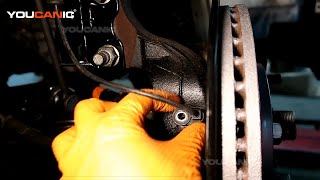
What fixed it: Replacement of the left rear ABS wheel speed sensor, involving removing a single 10mm mounting bolt and various clips.
Source hint: YOUCANIC ABS Sensor Replacement Video
Nissan V Platform (Sentra/Versa/Juke)
Symptoms: Both rear wheel speed sensor codes (C0045 and C0050) appearing simultaneously.
What fixed it: Investigation of a wiring or ground issue common to both sensors.
Source hint: GMTNation Forum thread titled 'Drag, C0045 and C0050'
Related OBD-II Codes
Frequently Asked Questions
Is there a specific TSB for the C0045 code on my 2013-2019 Nissan Sentra?
I'm hearing a clunking noise from the front of my Sentra while the ABS light is on; are they related?
Can I just clean the left rear sensor to fix the C0045 code?
What should I be careful of when trying to replace the ABS sensor myself?
Could my Sentra's stalling and P0101 code be related to the ABS failure?
Is it possible the wiring is the problem rather than the sensor?
Helpful Videos


Used OEM Parts in Stock
New Aftermarket Parts Available

The information in this article is provided for general reference and educational purposes only. Vehicle specifications, procedures, and part compatibility can vary by production date, trim level, and region. Always consult your vehicle's factory service manual and verify part numbers before purchasing or performing repairs. Safety-critical components such as airbags, seat belts, and braking systems should be installed by a qualified professional.
- Nissan Sentra:
- 🧭 Diagnostic Flowchart
- 🎬 Helpful Videos
- 🛍️ Shop This Part
- What's Unique About the 2013-2019 Nissan Sentra
- Symptoms You May Notice
- Most Likely Causes
- Rare But Worth Checking
- Diagnosis Steps
- Parts You'll Likely Need
- Related Codes That Often Appear With This One
- Technical Service Bulletins (TSBs) & Recalls
- Platform-Specific Known Issues
- Mechanic-Grade Diagnostic Values
- Scan Tool Commands That Help
- Wiring & Ground Locations
- Real Owner Repair Stories
- Documented NHTSA Reports
- OEM Part Supersession History
- Other Known Issues on This Vehicle
- Used vs. New Parts: Buying Guide for This Vehicle
- Real Owner Stories
- 2013-2019 Nissan Sentra
- 2013-2019 Nissan Sentra (B17)
- Nissan V Platform (Sentra/Versa/Juke)
- Related OBD-II Codes
- Frequently Asked Questions
- 🎟️ Get 5% Off