

C0050 on 2016-2019 Chevrolet Cruze: Right Rear Wheel Speed Sensor Causes and Fixes
On a 2016-2019 Chevy Cruze, code C0050 almost always means the right rear wheel hub and bearing assembly is failing. The magnetic encoder ring on the hub gets damaged or contaminated with metallic debris, causing the ABS and StabiliTrak lights to come on. Replacing the entire hub assembly is the most common and reliable fix, though a thorough cleaning of the ring should be attempted first.
- Code C0050 on your 2016-2019 Cruze means the ABS and StabiliTrak systems are off due to a fault with the right rear wheel speed sensor signal.
- The most likely cause is NOT the sensor, but a damaged or dirty magnetic ring on the wheel hub assembly, which requires replacing the entire hub.
- Before buying parts, inspect the magnetic ring for debris or cracks. Cleaning it with a non-magnetic brush and brake cleaner may be a free fix, as recommended by a GM TSB.
- Driving is possible but risky. Your car's ability to prevent wheel lock-up and skids is compromised. Get it fixed promptly.
What's Unique About the 2016-2019 Chevrolet Cruze
For the second-generation Cruze, built on the GM D2XX platform, the wheel speed sensor system is a common point of failure. The issue is often not the sensor itself, but the magnetic encoder ring that is integrated into the wheel hub and bearing assembly. This ring is exposed to the elements and can become contaminated with metallic debris from brake wear or crack over time. This design means a simple sensor signal problem often requires a more involved hub replacement. A GM Technical Service Bulletin (PIC5428 and its successors) addresses this exact issue across many models, advising technicians to inspect and clean this ring before replacing parts.
Symptoms You May Notice
- ABS warning light is on
- Traction Control or StabiliTrak warning light is on
- "Service StabiliTrak" or "Service ESC" message on the dashboard
- Brake pedal may feel different or pulsate at low speeds.
- A grinding or clicking noise may be heard from the rear at low speeds.
- Replacing only the wheel speed sensor when the actual problem is a cracked or contaminated magnetic ring on the wheel hub assembly. This is the most common mistake and results in the code returning immediately.
- Using a magnetic tool or compressed air to clean the encoder ring, which can damage its magnetic properties. Use a soft brush and brake cleaner instead.
Most Likely Causes
- Failed or Contaminated Right Rear Wheel Hub & Bearing Assembly 🔴 High Probability → Shop Hub Assembly The magnetic encoder ring is integrated into the hub assembly. This ring is known to accumulate ferrous metallic debris or become brittle and crack, which corrupts the signal the wheel speed sensor reads. This is a well-documented issue on many GM platforms.
How to confirm: With the wheel removed, visually inspect the magnetic ring on the inboard side of the hub. Look for cracks, missing chunks, or a coating of metallic 'fuzz'. A scan tool showing erratic (C0050-0F), implausible (C0050-5A), or zero MPH from the right rear sensor while the vehicle is moving is also a strong indicator.
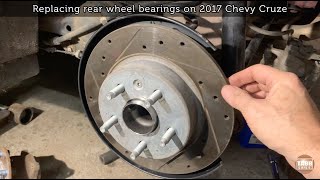
Typical fix: Replace the entire right rear wheel hub and bearing assembly. This is the most definitive repair as it replaces both the bearing and the critical magnetic ring. 🎬 Watch: Step-by-step guide to replacing the rear wheel hub assembly. Cleaning the ring with a non-magnetic brush and brake cleaner is a valid first step per GM TSBs, but if the seal has failed, the problem will likely return.
Est. part cost: $100-$250 - Failed Right Rear Wheel Speed Sensor 🟡 Medium Probability → Shop ABS Wheel Speed Sensor The sensor is an electronic component exposed to harsh conditions (vibration, water, temperature swings) at the wheel, making it prone to failure over time. Debris kicked up between the sensor and hub can also physically damage the sensor.
How to confirm: If the hub's magnetic ring is clean and undamaged, the sensor is the next suspect. Test the sensor's circuit for power and ground. A common diagnostic step is to swap it with the sensor from the left side to see if the code changes to C0045 (Left Rear Wheel Speed Sensor). A video specifically shows this repair on a 2018 Cruze. 🎬 See this walkthrough for replacing the wheel speed sensor.
Typical fix: Replace the right rear wheel speed sensor. The sensor is typically held in by a single bolt (often a T30 Torx or 10mm).
Est. part cost: $25-$75 - Wiring Harness or Connector Damage ⚪ Low Probability The wiring harness runs down to the wheel hub and is susceptible to damage from road debris, corrosion (especially in rust-belt states), or improper servicing. The connector pins themselves can also corrode.
How to confirm: Visually inspect the wiring from the sensor connector up into the wheel well for any chafing, breaks, or corroded pins in the connector. Perform a continuity and short-to-ground test on the wires between the sensor connector and the EBCM connector. Hitting a bump causing the light to come on can indicate a wiring issue.
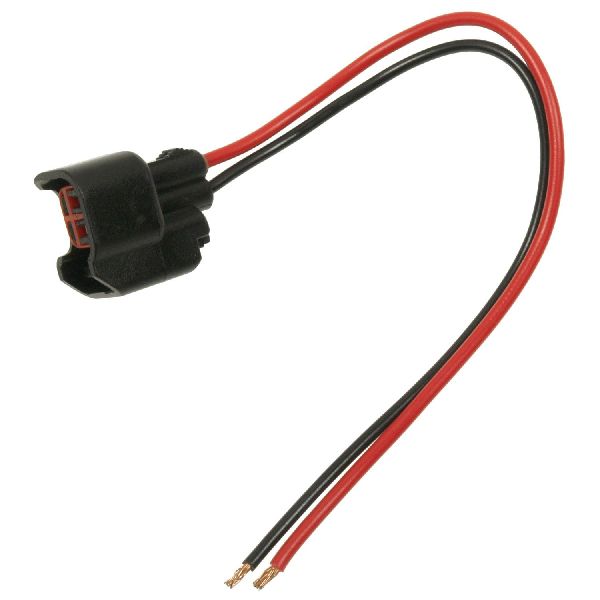
Typical fix: Repair the damaged section of wire or replace the pigtail connector.
Est. part cost: $15-$50
Rare But Worth Checking
- Failed Electronic Brake Control Module (EBCM): → Shop ABS Control Module This is rare. The EBCM is the computer that controls the ABS. It should only be considered after all other possibilities (hub, sensor, wiring) have been definitively ruled out. An EBCM failure typically triggers multiple wheel speed sensor codes or shows no voltage output to the sensor.
Diagnosis Steps
- Connect an ABS-capable scan tool to the vehicle.
- Confirm the presence of code C0050. Note any symptom bytes (e.g., '00' for general circuit fault, '0F' for erratic signal, '5A' for implausible signal) if your scanner displays them.
- Use the scan tool to monitor the live data for all four wheel speed sensors.
- Safely drive the vehicle above 10 MPH. Observe the readings. The right rear sensor will likely read 0 MPH, be erratic, or lag significantly behind the others.
- Raise and secure the rear of the vehicle. Remove the right rear wheel.
- Visually inspect the wheel speed sensor and its wiring for obvious damage, chafing, or corrosion.
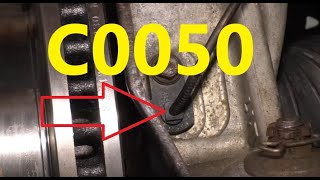
- Remove the sensor (usually one T30 Torx or 10mm bolt) and inspect the magnetic encoder ring on the wheel hub. Shine a light into the hole and slowly rotate the hub. Look for metallic debris, rust buildup, or cracks in the dark magnetic strip.
- If the ring is dirty, clean it with a soft, non-magnetic brush and brake cleaner, then re-test. If it is cracked or damaged, the hub must be replaced.
- If the ring is clean and intact, the sensor or wiring is the likely culprit. Test the wiring harness for continuity and shorts back to the EBCM. Check for 12V supply at the sensor connector.
- If wiring is good, replace the wheel speed sensor. If the problem persists, the fault lies in the hub assembly's magnetic ring, even if it looks okay visually.
- After repair, clear the codes with the scan tool and perform a test drive to ensure the ABS and StabiliTrak lights stay off.
Parts You'll Likely Need
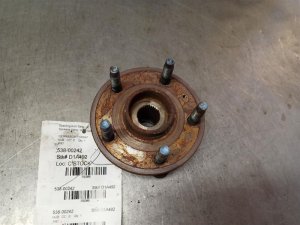
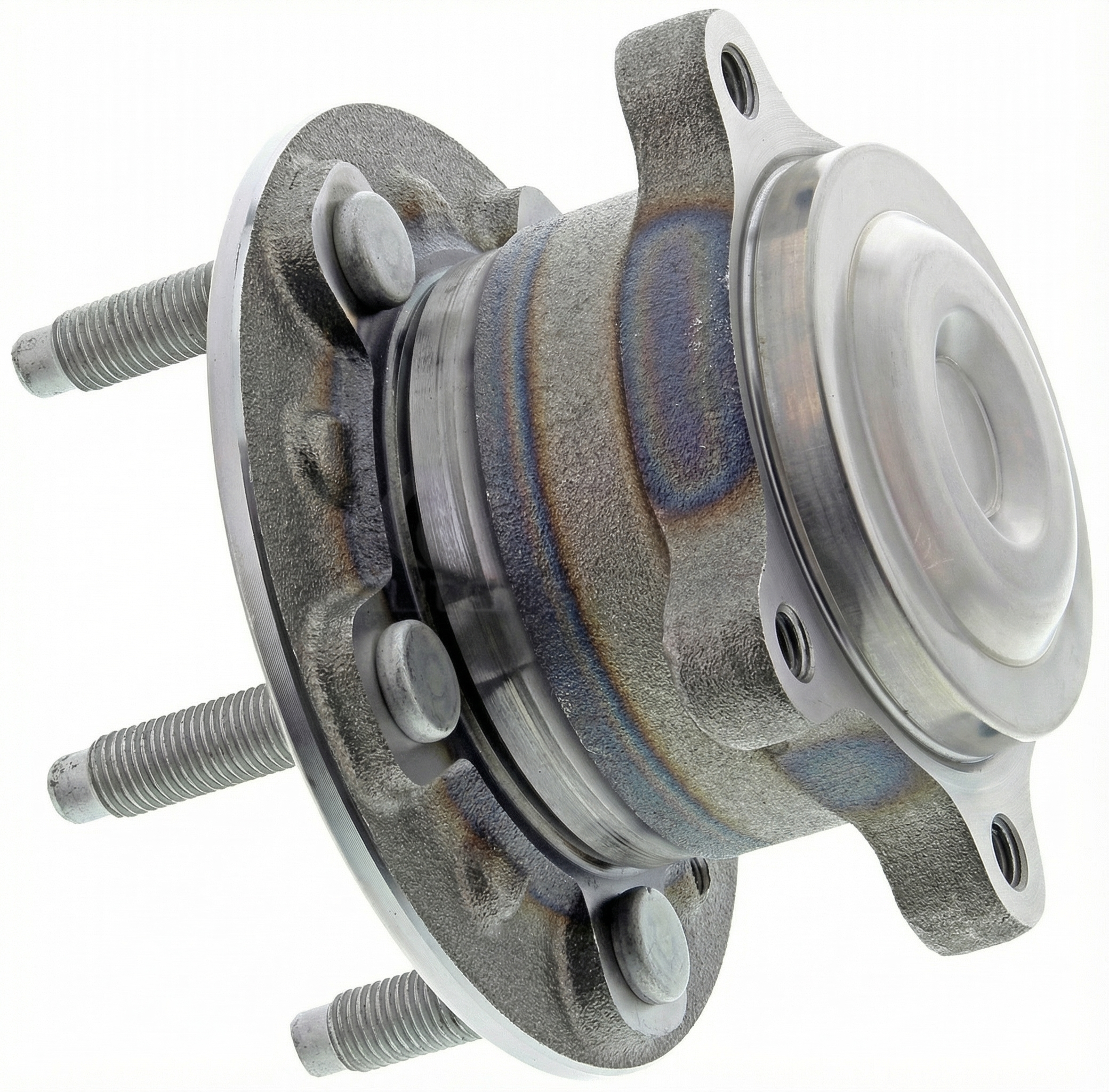
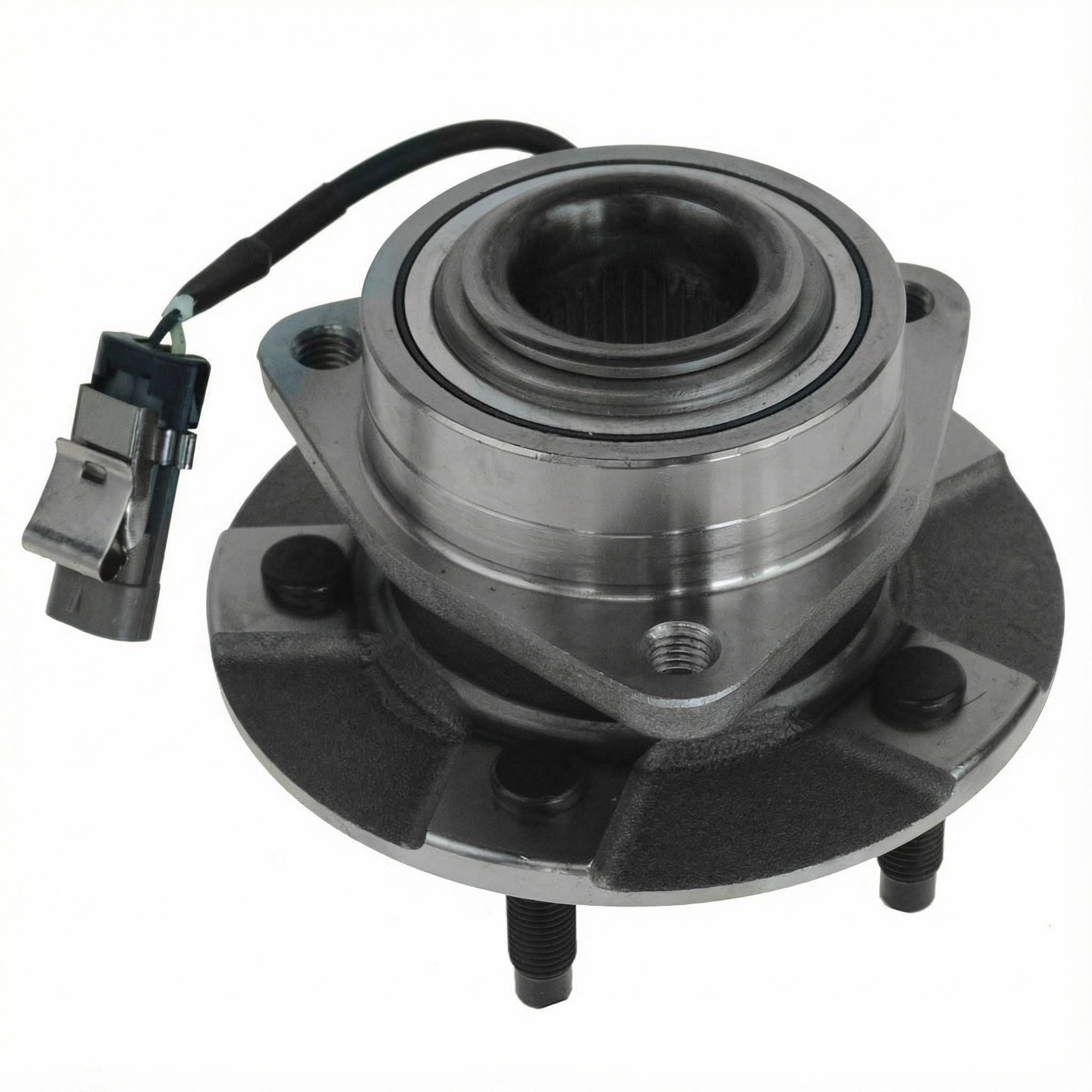
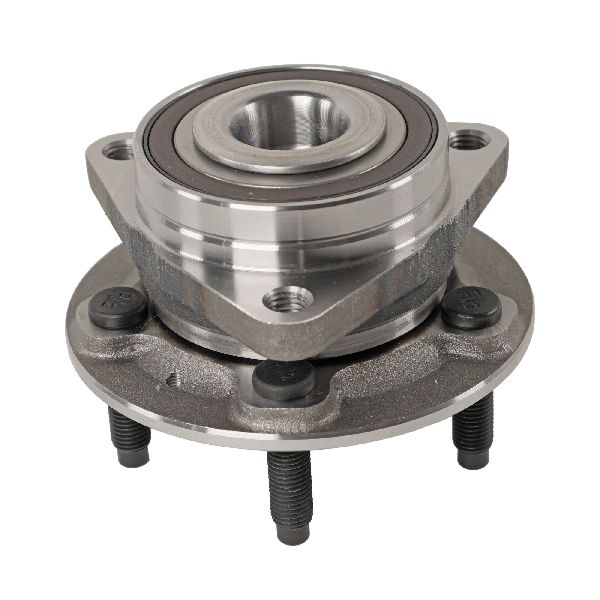
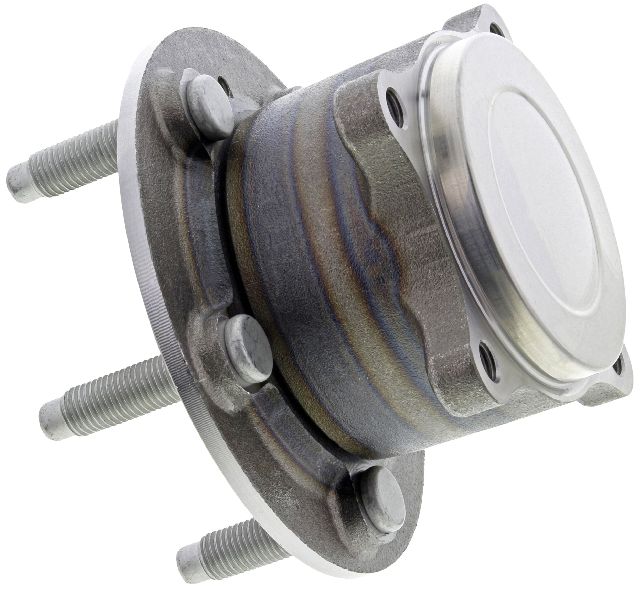
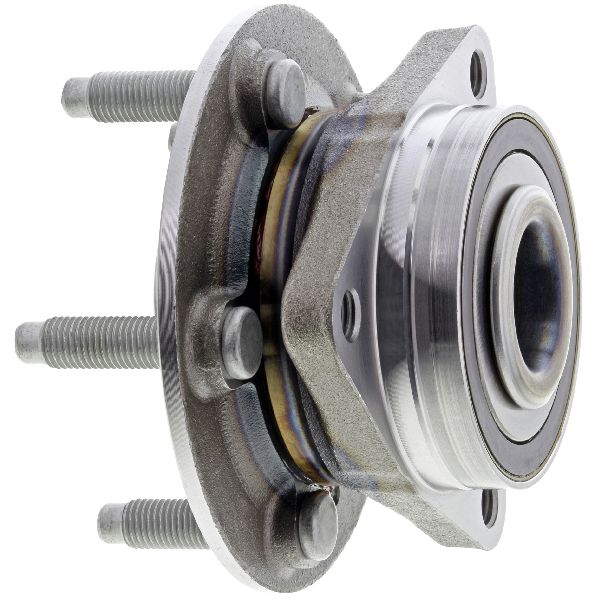
- Right Rear Wheel Hub and Bearing Assembly
(OEM #13517244, 13529387 (Verify by VIN))— This is the most common failure. The integrated magnetic encoder ring fails, requiring replacement of the entire assembly.
Trusted brands: ACDelco (GM Original), Timken, MOOG, SKF
OEM price range: $180-$250
Aftermarket price range: $100-$180 - Right Rear Wheel Speed Sensor
(OEM #13470643 (Verify by VIN))— If the hub's magnetic ring is confirmed to be in good condition, the sensor itself may have failed electronically.
Trusted brands: ACDelco, Delphi, Standard Motor Products (SMP)
OEM price range: $50-$75
Aftermarket price range: $25-$50
Related Codes That Often Appear With This One
- C0045 (Left Rear Wheel Speed Sensor Circuit): Often appears in TSBs alongside C0050 as the failure mechanism is identical for both rear wheels.
- U0415 (Invalid Data Received From EBCM): Can be set in other modules like power steering, as a secondary effect of the EBCM disabling itself due to the C0050 fault.
Technical Service Bulletins (TSBs) & Recalls
- PIC5428G: This TSB (and its predecessors/successors like 17-NA-047) is frequently cited for various GM models. It describes the condition of ABS/Traction/Stabilitrak lights being on with codes C0035-C0050 (symptom bytes 18, 5A, 0F) due to ferrous debris on the magnetic encoder ring. It advises cleaning as a first step. Manufacturer TSB Bulletin #PIC5428G specifically notes that the Electronic Brake Control Module may store these codes when debris is present on the wheel bearing.
- PIT5499B: While for the Chevy Colorado, this TSB highlights a related issue where water intrusion into the main EBCM connector can cause wheel speed sensor codes, showing the vulnerability of the system's wiring.
- PIE0443A: An Engineering Information bulletin where GM was actively collecting data on 2018 Silverado/Sierra HD trucks with C0045/C0050 codes to root-cause the issue, indicating it's a persistent concern for GM engineering.
Platform-Specific Known Issues
- Dealer Repair Experience: An owner of a 2017 Cruze was quoted $620 by a Chevrolet dealer to replace one rear wheel bearing. The owner opted to perform the repair themselves, purchasing two new Napa bearings for $320 and completing the job.
Mechanic-Grade Diagnostic Values
- Wheel Speed Sensor Power Supply Voltage — expected: ~12V (Battery Voltage) on one pin with key-on, engine-off.. Failure: 0V indicates an open in the power supply wire from the EBCM or a faulty EBCM driver. The EBCM may shut down the 12V supply if it detects an open or short.
- Wheel Speed Sensor Signal Voltage (Magneto-Resistive Type) — expected: A digital square wave that switches between two voltages (e.g., ~0.7V and ~1.8V) when the wheel is spun. The frequency of the wave increases with wheel speed.. Failure: A flat line at 0V, a steady voltage that doesn't change, or an erratic/noisy signal indicates a failed sensor, contaminated tone ring, or wiring issue.
- Continuity Test of Sensor Harness — expected: Less than 1 ohm of resistance on each wire between the EBCM connector and the wheel speed sensor connector.. Failure: High resistance or an 'OL' (Open Loop) reading indicates a broken wire. A reading of millions of ohms (megohms) can point to corrosion within the circuit.
Hidden / Shadow Codes Worth Checking
- C0050 00: General circuit malfunction. This can indicate an open circuit, short to ground, or high resistance in the sensor wiring. (see via GM GDS2/Tech2 or a professional-grade scan tool capable of reading manufacturer-specific symptom bytes.)
- C0050 0F: Erratic Signal. The EBCM has detected an illogical or inconsistent signal, strongly suggesting a mechanical issue like debris on the encoder ring, a loose sensor, or a cracked ring. (see via GM GDS2/Tech2 or a professional-grade scan tool capable of reading manufacturer-specific symptom bytes.)
- C0050 18: Low Signal Amplitude. The signal from the sensor is too weak or missing entirely. This can be caused by a large air gap between the sensor and ring, a damaged ring, or an open circuit. (see via GM GDS2/Tech2 or a professional-grade scan tool capable of reading manufacturer-specific symptom bytes.)
- C0050 5A: Signal Plausibility Failure. The signal is present but doesn't make sense compared to other vehicle sensors (e.g., the right rear wheel reads 5 mph while the other three read 50 mph). This often points to a damaged encoder ring or an intermittent wiring fault. (see via GM GDS2/Tech2 or a professional-grade scan tool capable of reading manufacturer-specific symptom bytes.)
Scan Tool Commands That Help
- GDS2 / Professional Scan Tool: Live Data > ABS/EBCM > Wheel Speed Sensors — This is the primary diagnostic step. Graphing all four wheel speeds while driving allows for direct comparison. A faulty right rear sensor will show a line that is erratic, drops to zero, or doesn't match the other three sensors.
- GDS2 / Professional Scan Tool: Read DTCs with Symptom Codes — After confirming the C0050 code, viewing the specific symptom byte (e.g., 0F, 18, 5A) provides a significant clue to the failure type (erratic signal vs. open circuit), helping to narrow down the diagnosis between a dirty ring, bad sensor, or broken wire.
Wiring & Ground Locations
- EBCM Connector Pins 3 & 4 — At the main connector for the Electronic Brake Control Module (EBCM), located on the driver's side frame rail or near the master cylinder.. These are the specific pins for the Right Rear Wheel Speed Sensor circuit. Pin 3 (often Green/Yellow) is the 12V power supply from the EBCM, and Pin 4 (often Violet) is the signal return. Testing for continuity and voltage at these pins is essential for diagnosing wiring faults.
- G103 — On the left front shock tower in the engine compartment.. This is a major chassis ground point that provides the ground path for the Electronic Brake Control Module (EBCM). A loose or corroded G103 can cause a variety of strange electrical issues in the ABS system, including intermittent sensor codes.
- Right Rear WSS Connector — The 2-wire connector that plugs directly into the wheel speed sensor at the right rear wheel hub.. This connector and the pigtail wiring leading to it are common failure points due to exposure to weather, road debris, and suspension movement. Corrosion inside the connector or broken wires right at the connector are frequent causes of C0050.
Real Owner Repair Stories
- YouTube channel 'DiagnoseDan' (2017 GM Sierra (similar GM ABS architecture)) — ABS light on, C0050 code stored.
❌ Tried (didn't work) Initial visual inspection of the harness showed no obvious damage.
✅ What actually fixed it Using a graphing ohmmeter while wiggling the harness revealed an intermittent open circuit. The wire was corroded and broken inside the insulation near the frame. The final fix was to cut out the bad section of wire and solder in a new piece. - YouTube channel 'Dre's Cars' (2018 Chevrolet Express (similar GM ABS architecture)) — ABS light on, code C0050-04 (Circuit Open).
❌ Tried (didn't work) A new sensor was already tried by the customer.
✅ What actually fixed it A bypass test failed, indicating a wiring problem. A visual inspection found two broken wires right near the sensor connector. Repairing the broken wires resolved the code.
Model Year Variations Within This Range
- 2019: The 2019 model year received a facelift with a new front fascia/grille and the updated Chevrolet Infotainment 3 system. Remote start became standard on the LT trim. Crucially for diagnostics, an auto start/stop override button was added. While these changes are mostly cosmetic and electronic, they mark a clear refresh point within the generation. No specific changes to the ABS hardware for this refresh have been documented.
- 2017-2019: A 1.6L diesel engine option was available, which may have different service procedures or component locations due to the different powertrain packaging. However, the underlying D2XX chassis and ABS components are shared.
Diagnostic Flowchart
Used vs. New Parts: Buying Guide for This Vehicle
When a used part is the smart pick: For this repair, a used wheel hub and bearing assembly is NOT recommended. It is a wear-and-tear component with a finite lifespan. The risk of getting a part that is already near the end of its life or has a compromised magnetic ring is very high. The labor involved in the replacement justifies using a new part.
Donor-vehicle mileage cap: roughly under 15000 miles for the part to have meaningful remaining life.
What to inspect on the donor part:
- If forced to use a used part, source it from a vehicle with verifiable, extremely low mileage.
- Inspect the magnetic encoder ring on the back of the hub for any signs of rust, cracks, or physical damage.
- Spin the bearing by hand; it should be completely silent and smooth with zero play or roughness.
Aftermarket brands forum-validated for this vehicle:
- Timken
- SKF
- MOOG
- ACDelco (OEM and Professional lines)
- FAG
Brands owners have reported issues with on this vehicle:
- Unbranded, no-name parts from online marketplaces like eBay or Amazon. These often use lower quality bearings and seals, leading to premature failure, noise, and repeat ABS faults.
Real Owner Stories
Aggregated from forums and TSBs cited above. Mileages and costs reflect what owners reported in those sources.
2017 Chevrolet Cruze
Symptoms: After diagnosis for a wheel speed sensor issue, the owner was quoted $620 by a Chevrolet dealer to replace one rear wheel bearing.
What fixed it: The owner opted to perform the repair themselves, purchasing two new Napa bearings and completing the job.
Cost: $320-$320
Source hint: Vehicle Specific Issue: 'Dealer Repair Experience' from article context
Related OBD-II Codes
Frequently Asked Questions
What is the most likely cause for code C0050 on my 2016-2019 Cruze?
My dashboard says 'Service StabiliTrak' and the ABS light is on. Is this related to C0050?
I read about a GM TSB that suggests cleaning the sensor ring. Does that apply to my Cruze?
Is it better to replace just the sensor or the whole hub assembly for a C0050 code?
My ABS light seems to come on when I hit a bump. What does that indicate?
A dealer quoted me over $600 for this repair. Is that reasonable?
If I do this repair myself, are there any recommended aftermarket brands for the wheel hub?
Helpful Videos
Used OEM Parts in Stock
New Aftermarket Parts Available


The information in this article is provided for general reference and educational purposes only. Vehicle specifications, procedures, and part compatibility can vary by production date, trim level, and region. Always consult your vehicle's factory service manual and verify part numbers before purchasing or performing repairs. Safety-critical components such as airbags, seat belts, and braking systems should be installed by a qualified professional.
- Chevrolet Cruze:
- 🧭 Diagnostic Flowchart
- 🎬 Helpful Videos
- 🛍️ Shop This Part
- What's Unique About the 2016-2019 Chevrolet Cruze
- Symptoms You May Notice
- Most Likely Causes
- Rare But Worth Checking
- Diagnosis Steps
- Parts You'll Likely Need
- Related Codes That Often Appear With This One
- Technical Service Bulletins (TSBs) & Recalls
- Platform-Specific Known Issues
- Mechanic-Grade Diagnostic Values
- Hidden / Shadow Codes Worth Checking
- Scan Tool Commands That Help
- Wiring & Ground Locations
- Real Owner Repair Stories
- Model Year Variations Within This Range
- Used vs. New Parts: Buying Guide for This Vehicle
- Real Owner Stories
- 2017 Chevrolet Cruze
- Related OBD-II Codes
- Frequently Asked Questions
- 🎟️ Get 5% Off