

C0755 on 2011-2018 Chevrolet Cruze: TPMS and Key Fob Fixes
On a 2011-2018 Chevy Cruze, code C0755 usually points to a faulty Remote Control Door Lock Receiver (RCDLR), not just a bad tire sensor. This can cause both the TPMS light and key fob issues. Expect to pay $200-$400 for a shop to replace and program the RCDLR.
- Code C0755 on a Cruze points to the left front TPMS sensor circuit, but the root cause is often the Remote Control Door Lock Receiver (RCDLR).
- If your key fob stops working at the same time the TPMS light comes on, the RCDLR is almost certainly the problem.
- Replacing a TPMS sensor is a DIY possibility if you have the tire serviced, but replacing the RCDLR requires professional programming.
- Ensure any replacement TPMS sensor matches your Cruze's generation: 315 MHz for 2011-2016 models and 433 MHz for 2016-2019 models.
What's Unique About the 2011-2018 Chevrolet CRUZE
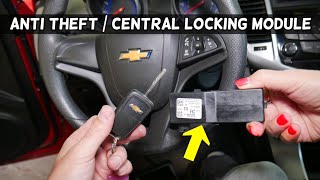
On the Chevy Cruze and its platform mates, GM integrated the TPMS, keyless entry, and vehicle immobilizer functions into a single module called the Remote Control Door Lock Receiver (RCDLR). This design means a fault code like C0755, which seems to be about a single tire sensor, is often caused by a failing RCDLR. This can lead to confusing symptoms where the TPMS light comes on, the key fobs stop working, and in some cases, the car may not start. This is a well-documented issue covered by specific Technical Service Bulletins. The RCDLR is typically located in the trunk area, behind the side trim panel.
🎬 Watch: How to locate and replace the RCDLR moduleDiagnostic Flowchart
Tap your situation to follow the diagnostic path that matches what you're seeing on this vehicle.
Generation note: The 2011-2018 range covers two Cruze generations: Gen 1 (2011-2016) and Gen 2 (2016-2018). The TPMS sensors operate on different frequencies (315 MHz for Gen 1, 433 MHz for Gen 2). However, the primary issue of the RCDLR failing and causing C0755 along with other TPMS and key fob problems is documented for both generations, particularly in TSB #16-NA-396 which covers 2016-2017 models.
Symptoms You May Notice
- Tire pressure monitor (TPMS) indicator light is on or flashing
- "Service Tire Monitor System" message on the Driver Information Center (DIC)
- Key fob functions are inoperative (lock, unlock, remote start, panic)
- Key fob works only intermittently or at very close range
- "No Remote Detected" message on the DIC
- Vehicle may not start or may stall (no-crank/no-start) [Bulletin #PIC5650M]
- Security light illuminated on the dash [Bulletin #PIC5650M]
- Replacing only the TPMS sensor when the RCDLR is the actual fault. If the key fob is also not working, the problem is almost certainly the RCDLR, not the tire sensor.
Most Likely Causes
- Faulty Remote Control Door Lock Receiver (RCDLR) 🔴 High Probability → Shop Keyless Entry Receiver This is a known issue documented in GM Technical Service Bulletin #16-NA-396. The bulletin states that internal issues in the RCDLR can cause TPMS codes C0750, C0755, C0760, and C0765, along with key fob failure.
How to confirm: Check for the presence of all four TPMS codes (C0750, C0755, C0760, C0765) simultaneously. Also, confirm if key fob functions have failed. If both conditions are met, the RCDLR is the most likely culprit. A temporary fix after a battery disconnect also points to a failing module.
Typical fix: Replace the RCDLR module and have it programmed by a dealer or a shop with GM diagnostic tools. The module is often located behind the rear passenger side trim panel.
Est. part cost: $75-$150 - Failed Left Front TPMS Sensor 🟡 Medium Probability → Shop Tire Pressure Monitoring System (TPMS) Sensor TPMS sensor batteries have a finite lifespan, typically 5-10 years. As these vehicles age, sensor failure becomes increasingly common.
How to confirm: Use a TPMS activation tool to attempt to read the sensor. If the tool cannot get a reading (and the other three sensors read fine), the sensor has likely failed. A professional scan tool can also check the battery status of the sensor. This is the likely cause if C0755 appears alone and key fobs work perfectly.
Typical fix: Replace the TPMS sensor inside the left front tire. The new sensor must then be registered to the vehicle using a TPMS relearn procedure.
Est. part cost: $30-$80 - Needs TPMS Relearn Procedure ⚪ Low Probability After a tire rotation, if the sensor positions are not relearned, the BCM may look for the left front sensor's ID in the wrong location, causing a fault.
How to confirm: Perform the TPMS relearn procedure as outlined in the owner's manual. This can sometimes be done without tools by letting air out of the tires in sequence, or with a basic TPMS activation tool. 🎬 See this walkthrough for relearning Gen 1 TPMS sensors
Typical fix: Perform the TPMS relearn procedure.
Est. part cost: $0-$20 (for a simple tool)
Rare But Worth Checking
- Wiring or Connector Issue: A damaged or disconnected wire/coax cable at the RCDLR module or its antenna amplifier could interrupt the signal. TSB 16-NA-061 details how a disconnected coax cable at the RCDLR can cause all TPMS sensors to stop reporting and kill key fob range, perfectly mimicking a failed module.
- Radio Frequency (RF) Interference: Aftermarket electronic devices like dash cams, phone chargers, or window tint with metallic film can sometimes interfere with the signals from the TPMS sensors to the RCDLR.
Diagnosis Steps
- Check for other codes. Scan for all DTCs. If C0750, C0760, and C0765 are also present, suspect the RCDLR.
- Test key fob functions. Try to lock, unlock, and use remote start. If the fob is dead or has very poor range, this strongly points to the RCDLR or its antenna circuit as the cause.
- Check individual sensor. If only C0755 is present and the key fob works, use a TPMS tool to try and activate the left front sensor. If it fails to respond, the sensor itself is likely bad.
- Perform TPMS relearn. If a new sensor was installed or tires were rotated, perform the relearn procedure to ensure the car knows the sensor's position.
- Inspect RCDLR wiring. Before replacing the module, inspect the wiring and coax cable connector at the RCDLR for any visible damage or corrosion, as noted in TSB 16-NA-061. The module is typically behind a rear trim panel.
- Replace the faulty component. If the RCDLR is confirmed bad, it must be replaced and programmed. If the sensor is bad, it must be replaced and the system relearned.
Parts You'll Likely Need
- Remote Control Door Lock Receiver (RCDLR)
(OEM #13597910 (supercedes 13510984), 13595510 (supercedes 13509517))— This is the most common point of failure for this code, especially when accompanied by key fob issues, as documented in TSB #16-NA-396. Part number varies by year and frequency; consult a dealer with your VIN. TSB 16-NA-396 lists several part number updates.
Trusted brands: ACDelco (GM Original Equipment), Dorman
OEM price range: $100-$150
Aftermarket price range: $75-$120 - Tire Pressure Monitoring System (TPMS) Sensor
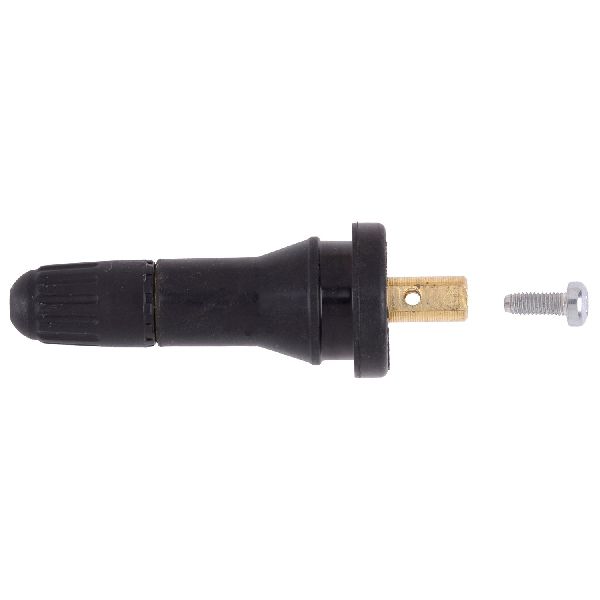
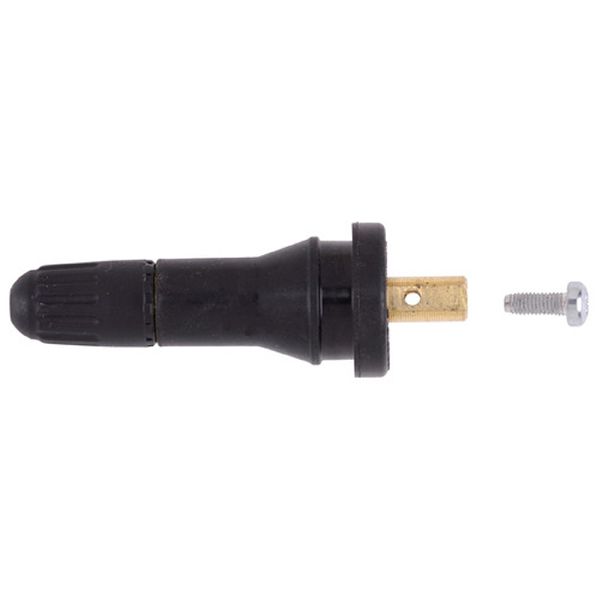
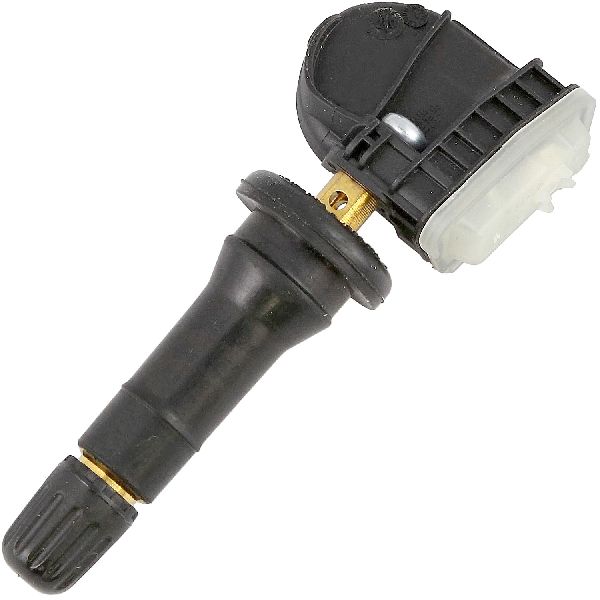
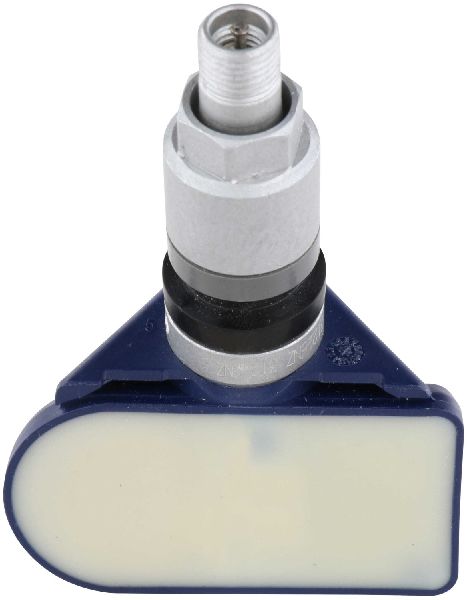
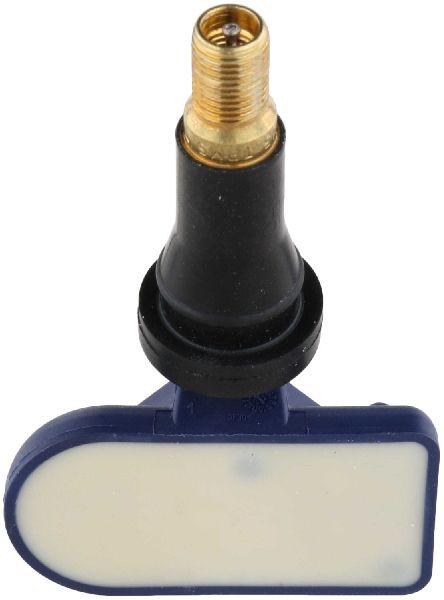
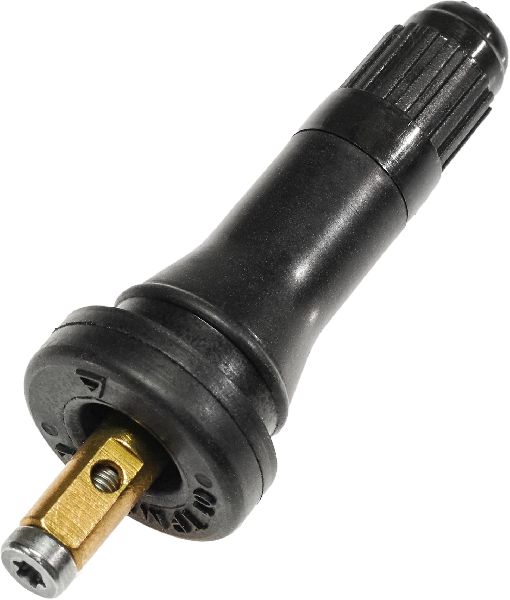
(OEM #13598772 / 13581558 (Gen 1, 315MHz), 13598773 (Gen 2, 433MHz))— If only the C0755 code is present and the key fob works, the sensor itself is the likely cause due to battery failure or damage. Note the frequency difference between generations (315MHz for 2011-2016, 433MHz for 2016-2019).
Trusted brands: ACDelco, Schrader, Continental, Dorman
OEM price range: $50-$80
Aftermarket price range: $30-$60
Related Codes That Often Appear With This One
- C0750 — Relates to the Right Front TPMS sensor. Often appears with C0755 when the RCDLR module fails.
- C0760 — Relates to the Right Rear TPMS sensor. Often appears with C0755 when the RCDLR module fails.
- C0765 — Relates to the Left Rear TPMS sensor. Often appears with C0755 when the RCDLR module fails.
- B3105 — Indicates a communication failure between the Body Control Module (BCM) and the RCDLR. This often confirms the RCDLR is offline or has failed.
- B3055 — Relates to the vehicle immobilizer system. Can be triggered by a faulty RCDLR, leading to a no-start condition. [Bulletin #PIC5650M, 3]
Technical Service Bulletins (TSBs) & Recalls
- 16-NA-396: Intermittent Operation of Key Fobs, Door Unlock Inoperative “No Remote Detected” Message with Possible TPM MIL. This TSB directly links C0755 (and other TPMS codes) to a faulty RCDLR.
- PIC5650M: No crank, no start, or start stall concern with the security light coming on. This TSB connects C0755 to immobilizer issues also related to the RCDLR.
- 16-NA-061: Service Tire Monitor System/ Tire Pressures Display Dashes/ RKE Short Range/ No Fob Detected Message. This TSB points to a poor or disconnected RCDLR antenna connection as a possible cause for the same symptoms as a failed RCDLR module.
Platform-Specific Known Issues
- GM TSB #16-NA-396 explicitly identifies an internal fault in the RCDLR as the cause for simultaneous TPMS codes (including C0755) and inoperative key fobs on 2016-2017 Cruze models.
- GM TSB #PIC5650M links C0755 and other TPMS codes to no-start or start/stall conditions due to security system communication failures involving the RCDLR.
- GM TSB #16-NA-061 provides a crucial diagnostic step before replacing the RCDLR: check the coax antenna cable connection at the module, as a loose connection can perfectly mimic a failed module.
Hidden / Shadow Codes Worth Checking
- C0755 with Symptom Byte :29: Too Few Pulses. This specific sub-code is called out in TSB #16-NA-396 and directly points to an internal failure of the RCDLR module not receiving the expected number of data packets from the TPMS sensor. (see via GM GDS2 or equivalent professional-grade scan tool.)
- C0755 with Symptom Byte :39: Internal Malfunction. This indicates the RCDLR has received a signal from the sensor but has identified the data as corrupt or indicative of an internal sensor fault (e.g., failed accelerometer or pressure transducer). (see via GM GDS2 or equivalent professional-grade scan tool.)
- C0755 with Symptom Byte :03: Low Voltage. This points to the RCDLR detecting that the specific TPMS sensor's internal battery is reporting a low voltage condition. (see via GM GDS2 or equivalent professional-grade scan tool.)
Scan Tool Commands That Help
- GDS2 (GM Diagnostic Software): Module Diagnostics > Remote Control Door Lock Receiver > Configuration/Reset Functions > Add/Replace Key Fobs — This function is required after replacing the RCDLR to program existing and new key fobs to the new module. Without this step, keyless entry and remote start will not function.
- GDS2 (GM Diagnostic Software): SPS (Service Programming System) > RCDLR Setup/Programming — This is the full module setup procedure required when a new RCDLR is installed. It configures the module to the vehicle's specific options and VIN, and is accessed via the TIS2Web portal.
- GDS2 (GM Diagnostic Software): Module Diagnostics > Vehicle DTC Information > Clear All DTCs — Used after a repair is completed to clear the C0755 and any related codes from all modules to verify the fix and turn off the warning lights.
Wiring & Ground Locations
- K77 Remote Control Door Lock Receiver (RCDLR) — In the trunk, behind the right-side trim panel, near the wheel well. It's a small black box with a wiring connector and a coaxial antenna connection.. This is the central module for this fault. All diagnostics, wiring checks, and replacement efforts are focused here. Its location in the trunk makes it susceptible to moisture if leaks are present.
- RCDLR Coaxial Antenna Cable — Runs from the RCDLR module in the trunk, up the C-pillar, to an antenna amplifier module usually located near the top of the right rear glass.. TSB #16-NA-061 highlights that a loose or disconnected coax cable at either the RCDLR or the amplifier can perfectly mimic a failed RCDLR, causing TPMS codes and no-fob-detected messages. Inspecting these connections is a critical step before replacement.
- Ground Point (G303/G304) — Common ground points for rear body electronics are located in the trunk area, often on the rear bulkhead or near the tail lamp assemblies. A wiring diagram should be consulted for the exact point.. A poor ground connection for the RCDLR can cause intermittent and difficult-to-diagnose issues, including weak signal reception and module communication errors that can set code C0755.
Real Owner Repair Stories
- Chevy HHR Network Forum (similar GM platform) (2011 Chevrolet HHR) — Remote start, door locks, and tire pressure readings gradually got weaker and eventually stopped working.
❌ Tried (didn't work) Owner was told by the dealer that the RCDLR part was no longer available.
✅ What actually fixed it The owner sourced an aftermarket RCDLR. The solution confirmed by forum moderators was to have the owner install the physical module themselves, then take the vehicle to a dealer or equipped independent shop for the sole purpose of programming the new module to the vehicle and matching the existing key fobs using their scan tool.
OEM Part Supersession History
13510984→13597910— Part update/revision by GM.
Heads up: 13597910 is the common service replacement for many earlier parts. It also replaces 13583332. Always verify the correct part number with a VIN at a dealership parts counter before ordering.
Model Year Variations Within This Range
- 2016: The 2016 model year was a changeover year. The 'Cruze Limited' is a continuation of the Gen 1 body style (2011-2015) and uses Gen 1 parts (e.g., 315 MHz TPMS). The all-new 'Cruze' (no 'Limited' name) is the start of Gen 2 and uses different parts (e.g., 433 MHz TPMS). It is critical to distinguish between a '2016 Cruze Limited' and a '2016 Cruze' when sourcing parts like the RCDLR or TPMS sensors.
Helpful Videos
We Have This Part in Stock

The information in this article is provided for general reference and educational purposes only. Vehicle specifications, procedures, and part compatibility can vary by production date, trim level, and region. Always consult your vehicle's factory service manual and verify part numbers before purchasing or performing repairs. Safety-critical components such as airbags, seat belts, and braking systems should be installed by a qualified professional.
- Chevrolet CRUZE:
- 🧭 Diagnostic Flowchart
- 🎬 Helpful Videos
- 🛍️ Shop This Part
- What's Unique About the 2011-2018 Chevrolet CRUZE
- Symptoms You May Notice
- Most Likely Causes
- Rare But Worth Checking
- Diagnosis Steps
- Parts You'll Likely Need
- Related Codes That Often Appear With This One
- Technical Service Bulletins (TSBs) & Recalls
- Platform-Specific Known Issues
- Hidden / Shadow Codes Worth Checking
- Scan Tool Commands That Help
- Wiring & Ground Locations
- Real Owner Repair Stories
- OEM Part Supersession History
- Model Year Variations Within This Range
- 🎟️ Get 5% Off