

C0765 on 2019-2024 Chevrolet Camaro: Causes of TPMS and No Start Issues
On a 2019-2024 Camaro, code C0765, while pointing to the right rear tire sensor, is most often caused by a failing Remote Control Door Lock Receiver (RCDLR). This will also cause your key fobs to stop working and may prevent the car from starting. The fix is replacing and programming the RCDLR module, which is located behind the trunk trim panel on the driver's side rear wheel well.
- Code C0765 on your Camaro is a warning, but it might not be about your tires.
- Before buying a TPMS sensor, check your key fob. If it's dead, the problem is likely the RCDLR module located in the trunk.
- A failing RCDLR can prevent your car from starting, making this a serious issue. Use the rear cupholder to place your fob in for an emergency start.
- This is not a DIY-friendly fix. The replacement RCDLR module must be professionally programmed to your vehicle.
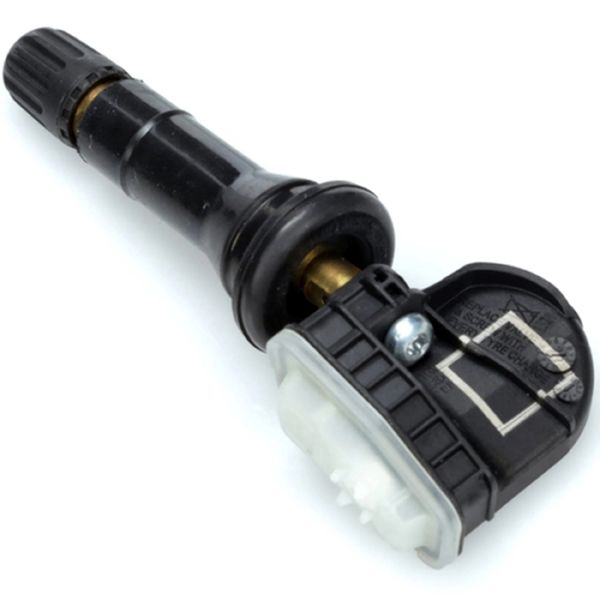
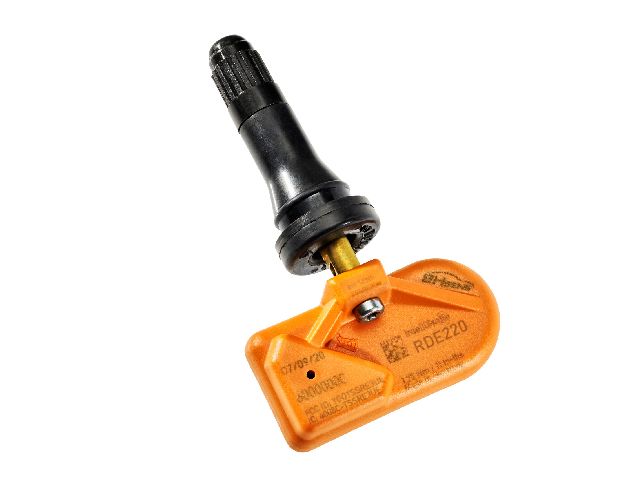
- If only the TPMS light is on and your key works fine, then you probably just need a new TPMS sensor in your right rear tire.
What's Unique About the 2019-2024 Chevrolet CAMARO
On the sixth-generation Camaro and its GM Alpha platform mates, the RCDLR is the central hub for all remote functions. Its failure is a well-documented issue across many GM platforms of this era. The key takeaway is that a TPMS code like C0765 is often not a tire sensor problem but a failure of this central receiver module, which also controls the vehicle's immobilizer. This link is confirmed by GM Technical Service Bulletin #PIC5650M, which connects this code to no-start and security light issues. Another TSB, 16-NA-396, explicitly identifies an internal failure of the RCDLR as the cause for simultaneous TPMS and key fob problems.
Diagnostic Flowchart
Tap your situation to follow the diagnostic path that matches what you're seeing on this vehicle.
Symptoms You May Notice
- Security light illuminated on the dashboard
- Engine will not start, or starts and immediately stalls
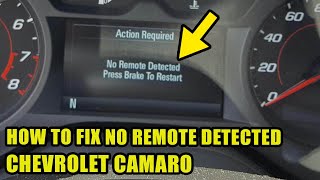
- "No Remote Detected" message on the Driver Information Center (DIC)
- Key fob functions (lock, unlock, remote start, panic) do not work or have severely reduced range
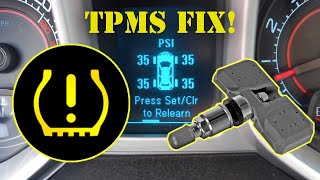
- Tire Pressure Monitoring System (TPMS) warning light is on, often with dashes displayed for tire pressures
- Car chimes as if the key is in the ignition even when it is not
- Unable to release the electronic parking brake
- Replacing the TPMS sensor when the key fobs are also dead. If the fobs don't work, the problem is almost certainly the RCDLR, not the sensor.
- Replacing the key fob batteries. While a good first step, if both fobs stop working at the same time and a TPMS light is on, the issue is with the car's receiver (RCDLR), not the fobs' transmitters.
Most Likely Causes
- Failed Remote Control Door Lock Receiver (RCDLR) 🔴 High Probability → Shop Keyless Entry Receiver This is a documented issue in GM TSB #16-NA-396 for the Camaro platform, indicating an internal failure of the module is the primary cause when TPMS and key fob issues occur together.
How to confirm: The most telling sign is the simultaneous failure of TPMS (with codes C0750, C0755, C0760, and C0765) and all key fob functions. A professional scan tool can check for communication with the RCDLR. The module is located behind the trunk trim panel, bolted to the driver's side (LH) rear wheel well, often in a stack with other modules.
Typical fix: Replace the RCDLR module and perform the key and vehicle programming procedure with a GM-specific scan tool.
Est. part cost: $40-$120 - Failed Right Rear TPMS Sensor 🟡 Medium Probability → Shop Tire Pressure Monitoring System (TPMS) Sensor TPMS sensors have a finite battery life, typically 5-10 years. A 2019 model is in the window where original sensor batteries may start to fail.
How to confirm: This is the likely cause if C0765 is the ONLY code present and your key fobs are working perfectly. A tire shop can use a TPMS tool to check if the sensor is transmitting a signal. The activation procedure may need to be repeated up to 3 times to confirm a sensor has failed.
Typical fix: Replace the right rear TPMS sensor and perform the TPMS relearn procedure.
Est. part cost: $25-$75 - Wiring or Connection Issue ⚪ Low Probability
How to confirm: Visually inspect the wiring and connectors at the RCDLR module for any signs of damage, corrosion, or looseness. TSB 16-NA-061 notes that a disconnected coax cable at the RCDLR or antenna amplifier can cause these exact symptoms. A technician would typically perform this after ruling out the module and sensor.
Typical fix: Repair the damaged section of the wiring harness or clean/re-seat the connector.
Est. part cost: $5-$50 - Radio Frequency Interference (RFI) ⚪ Low Probability
How to confirm: GM TSB PIC5650G notes that aftermarket devices like cell phone chargers, USB power banks, or even non-OEM LED bulbs can emit RFI that jams the signals from the key fob and TPMS sensors. If the problem is intermittent, try removing all aftermarket electronic devices from the car to see if the issue resolves. The vehicle will typically start if the fob is placed in the transmitter pocket (rear cupholder) when RFI is the cause.
Typical fix: Remove the source of the RFI from the vehicle.
Est. part cost: $0
Diagnosis Steps
- Check for other DTCs. Are codes for other TPMS sensors (C0750, C0755, C0760) also present? A full set strongly points to the RCDLR.
- Test all key fob functions (lock, unlock, remote start). Do they work? If not, the RCDLR is the primary suspect.
- If the car won't start and shows "No Remote Detected", place the key fob into the rear cupholder, which serves as the transmitter pocket. 🎬 Watch: How to find the key fob pocket for emergency starts. If the car starts, it confirms the issue is with the remote signal reception.
- Remove all aftermarket electronic devices (phone chargers, dash cams, etc.) to eliminate Radio Frequency Interference (RFI) as a possible cause.
- If key fobs do NOT work and multiple TPMS codes are present, the RCDLR is the primary suspect. Professional diagnosis is recommended to confirm the failure before replacement.
- If key fobs WORK and only C0765 is present, the right rear TPMS sensor is the primary suspect.
- Use a TPMS activation tool to attempt to read the right rear sensor. If it does not respond, its battery is likely dead or the sensor has failed.
- If the RCDLR is confirmed to be faulty, replace the module located behind the driver's side trunk liner and perform the necessary programming with a GM-specific scan tool.
Parts You'll Likely Need
- Remote Control Door Lock Receiver (RCDLR)
(OEM #13597910)— This module is the most common point of failure when C0765 appears along with key fob issues, as documented in GM TSB 16-NA-396.
Trusted brands: ACDelco, GM Genuine
OEM price range: $60-$120
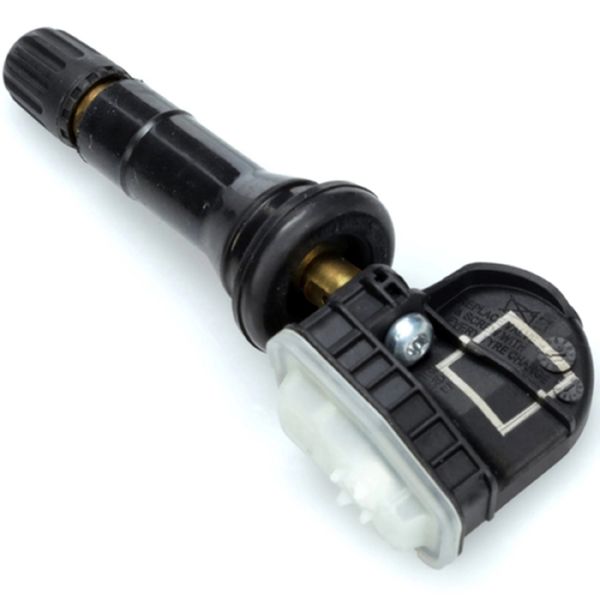
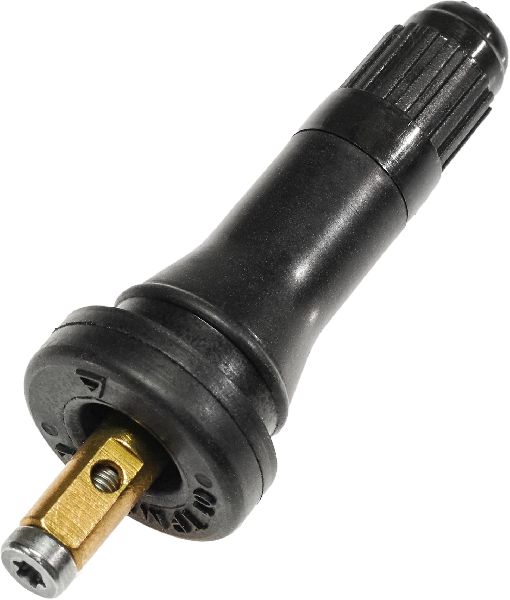
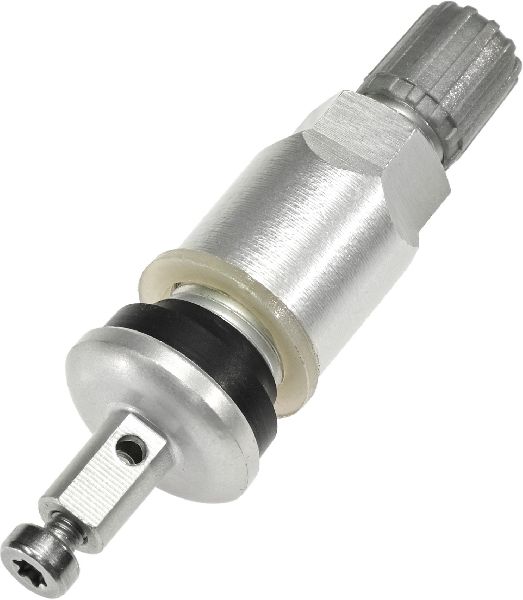
Aftermarket price range: $40-$80 - Tire Pressure Monitoring System (TPMS) Sensor — If C0765 is the only code and key fobs work, the sensor itself has likely failed, usually due to a dead battery with a 5-10 year lifespan.
Trusted brands: ACDelco, Schrader, Continental
OEM price range: $40-$75
Aftermarket price range: $25-$50
Related Codes That Often Appear With This One
- C0750 — Fault in the Left Front TPMS sensor circuit, often set together when the RCDLR fails.
- C0755 — Fault in the Right Front TPMS sensor circuit, often set together when the RCDLR fails.
- C0760 — Fault in the Left Rear TPMS sensor circuit, often set together when the RCDLR fails.
- B3055 — A key-related security code often triggered by the RCDLR failing to recognize the key fob.
- U0422 — Invalid Data Received From Body Control Module. This can be logged when the BCM loses proper communication with the RCDLR.
Technical Service Bulletins (TSBs) & Recalls
- PIC5650M: Mentions C0765 in a list of codes present during a no-start or start-stall condition with the security light on. It also suggests checking for aftermarket radio frequency interference (RFI) from devices like phone chargers.
- 16-NA-396: Directly addresses intermittent key fob operation and TPMS codes (including C0765), identifying the cause as an internal failure of the RCDLR and recommending its replacement.
- 16-NA-061: Discusses how a disconnected antenna coax cable for the RCDLR can cause identical symptoms, including TPMS codes and "No Fob Detected" messages. Recommends checking connections before replacing parts.
Platform-Specific Known Issues
- RCDLR Module Location: In the 6th generation Camaro, the RCDLR module is not in the cabin or near the mirror as in some other GM vehicles. It is specifically located behind the driver's side trunk liner, attached to the rear wheel well. This placement makes it susceptible to any moisture or damage in the trunk area.
- Emergency Start Procedure: If the car displays the "No Remote Detected" message and fails to start, it can be started by placing the key fob flat into the rear cupholder. This cupholder acts as a transmitter pocket, using a short-range antenna to read the fob's chip even if the RCDLR has failed or there is strong radio interference.
Mechanic-Grade Diagnostic Values
- RCDLR Connector Power Supply Voltage — expected: Battery Positive Voltage (B+), typically 12.0-12.6V with key on.. Failure: 0V or significantly low voltage indicates a wiring or fuse issue upstream from the module.
- RCDLR Connector Ground Circuit Continuity — expected: Less than 1.0 ohm of resistance between the ground pin and a known-good chassis ground.. Failure: High resistance or an open circuit (OL) indicates a failed ground connection, a common issue.
Hidden / Shadow Codes Worth Checking
- C0765 29: Too Few Pulses. This specific symptom byte, visible on a GDS2 scan tool, strongly indicates an internal RCDLR failure, as the module is not receiving the expected number of transmissions from the TPMS sensor. (see via GM GDS2 or equivalent professional-grade scan tool.)
- C0765 03: Low Voltage. This symptom byte points to a potential issue with the TPMS sensor's internal battery being weak or dead. (see via GM GDS2 or equivalent professional-grade scan tool.)
- C0765 39: Internal Malfunction. This indicates the TPMS sensor itself has an internal fault beyond just a low battery. (see via GM GDS2 or equivalent professional-grade scan tool.)
Scan Tool Commands That Help
- GDS2: Module Diagnostics -> Remote Control Door Lock Receiver -> Configuration/Reset Functions -> Add/Replace Key Fobs — This function is required after replacing the RCDLR to program the existing (or new) key fobs to the new module. The vehicle will not start until this is completed.
- GDS2: Service Programming System (SPS) -> Immobilizer Learn — After installing a new RCDLR, an Immobilizer Learn procedure must be performed to synchronize the new module with the vehicle's Body Control Module (BCM) and Engine Control Module (ECM). This is a security procedure that can take 10-12 minutes.
- GDS2: Tire Pressure Monitor Learn — After replacing the RCDLR or any TPMS sensors, this procedure must be run to teach the new module the unique ID codes of the four (or five) sensors on the vehicle.
Wiring & Ground Locations
- RCDLR Main Connector — On the RCDLR module, located behind the driver's side trunk trim panel, near the rear wheel well.. This is the primary connection point for power, ground, and communication. Technicians must back-probe this connector to test for voltage and ground to determine if the module or its wiring is at fault.
- RCDLR Antenna Coaxial Cable — A coaxial cable that runs from the RCDLR module to an antenna amplifier, which then connects to an antenna often integrated into the rear glass.. A disconnected or damaged coax cable at either the RCDLR or the amplifier will cause a loss of signal from TPMS sensors and key fobs, perfectly mimicking a failed RCDLR module. TSB 16-NA-061 advises checking these connections before replacing the module.
- Rear Body Ground — There are several ground points in the trunk area. A key ground cluster is often located near the battery on the passenger side, with another on the driver's side frame rail near the RCDLR's location.. The RCDLR relies on a clean chassis ground to function. A loose or corroded ground connection in the trunk can cause intermittent or total failure of the module, leading to C0765 and other related codes.
Real Owner Repair Stories
- Camaro6 Forum User (2017 Chevrolet Camaro ZL1) — Intermittent no-start condition, "No Remote Detected" message, TPMS warning light, and all key fob functions dead. Occurred sporadically over 3.5 years.
❌ Tried (didn't work) Replacing key fob batteries, Using the second key fob, Placing the fob in the emergency start cupholder (which sometimes worked), Dealer replaced the RCDLR module, but the problem returned.
✅ What actually fixed it The final fix was replacing the RCDLR's antenna, which had failed. The module itself, which had already been replaced once, was not the root cause. - Camaro6 Forum User (2016 Chevrolet Camaro) — TPMS light on, all four tire pressure readings showed dashes, and neither key fob would work.
❌ Tried (didn't work) Replacing the car battery, Replacing the key fob batteries
✅ What actually fixed it The dealer diagnosed a failed Remote Control Door Lock Receiver (RCDLR). Replacing and programming the RCDLR module resolved all symptoms.
When the Usual Fixes Don't Work
- While the most common cause is a failed RCDLR module itself, a significant edge case exists where the module is functional but the associated antenna system is at fault. As documented in TSB 16-NA-061 and confirmed by owner reports, a disconnected or failed RCDLR antenna or coax cable can produce identical symptoms. One owner had the RCDLR module replaced by a dealer, only for the problem to return. The final fix was the replacement of the RCDLR antenna, proving that diagnosing the entire receiver *system* (module, cable, amplifier, antenna) is critical, rather than just replacing the module by default.
OEM Part Supersession History
13583332→13510984— Part revision and consolidation by GM.13510984→13597910— Part revision and consolidation by GM.
Heads up: 13597910 is the most commonly cited replacement for this generation.13597910→13536034 / 13529664— Further part revisions. Different part numbers may be used depending on whether the vehicle is equipped with factory remote start.
Heads up: Crucially, the correct RCDLR part number must be selected based on the vehicle's VIN and specific options. Installing the wrong part will result in a no-start condition and may set a 'Incorrect Component Installed' symptom code.
Helpful Videos
We Have This Part in Stock

The information in this article is provided for general reference and educational purposes only. Vehicle specifications, procedures, and part compatibility can vary by production date, trim level, and region. Always consult your vehicle's factory service manual and verify part numbers before purchasing or performing repairs. Safety-critical components such as airbags, seat belts, and braking systems should be installed by a qualified professional.
- Chevrolet CAMARO:
- 🧭 Diagnostic Flowchart
- 🎬 Helpful Videos
- 🛍️ Shop This Part
- What's Unique About the 2019-2024 Chevrolet CAMARO
- Symptoms You May Notice
- Most Likely Causes
- Diagnosis Steps
- Parts You'll Likely Need
- Related Codes That Often Appear With This One
- Technical Service Bulletins (TSBs) & Recalls
- Platform-Specific Known Issues
- Mechanic-Grade Diagnostic Values
- Hidden / Shadow Codes Worth Checking
- Scan Tool Commands That Help
- Wiring & Ground Locations
- Real Owner Repair Stories
- When the Usual Fixes Don't Work
- OEM Part Supersession History
- 🎟️ Get 5% Off