

C1709 on 2014-2016 Infiniti QX70: TPMS 'No Data' Causes and Fixes
Code C1709 on a 2014-2016 Infiniti QX70 means the TPMS control module isn't receiving a signal from the front right tire pressure sensor. The most likely cause is a dead battery in the sensor, requiring replacement of the sensor itself. Before replacing parts, unplug all aftermarket 12V accessories to rule out RF interference. Expect to pay $50-$120 for the part and have a tire shop install and register it.
- C1709 means the TPMS system is not getting a signal from the front right tire sensor.
- The most common cause is a dead battery inside the sensor, which requires replacing the entire sensor unit.
- Before replacing parts, unplug all aftermarket 12V accessories (phone chargers, etc.) to rule out radio frequency interference, a known issue on these vehicles detailed in TSB ITB13039A.
- A flashing TPMS light that then stays solid indicates a system fault, not low tire pressure.
- After replacing the sensor, it must be electronically registered to the vehicle's computer system by a tire shop or a DIYer with a proper TPMS tool.
What's Unique About the 2014-2016 Infiniti QX70
For Infiniti vehicles of this era, the manufacturer issued a Technical Service Bulletin (TSB #ITB13039A) acknowledging that codes C1708, C1709, C1710, and C1711 can be triggered by radio frequency (RF) interference. This means that while a faulty sensor is the most common cause, aftermarket electronic devices like phone chargers, dash cams, or power inverters can sometimes disrupt the sensor signal and set a false code. This issue is common across many Nissan and Infiniti platforms.
Diagnostic Flowchart
Tap your situation to follow the diagnostic path that matches what you're seeing on this vehicle.
Generation note: The Infiniti QX70 was formerly known as the Infiniti FX (FX37, FX50) until the 2014 model year rebranding. This issue is common on the second-generation FX (S51, 2009-2013) and the QX70 (2014-2017) as they share the same platform and TPMS technology.
Symptoms You May Notice
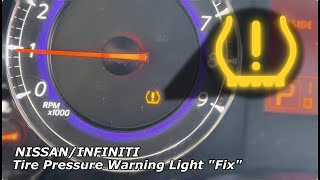
- Flashing, then solid TPMS warning light on the instrument cluster. The flashing period typically lasts for about one minute after starting the vehicle.
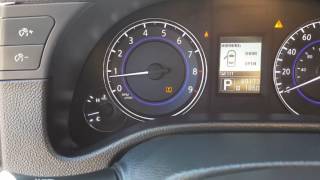
- The tire pressure display in the vehicle information center shows "--" for the front right tire.
- Inability to get a pressure reading for the front right tire.
- A "Check Tire Pressure" message may appear on the vehicle information display.
- Replacing the TPMS control unit before verifying the individual wheel sensor is faulty.
- Replacing a good sensor when the actual problem is RF interference from an accessory.
- Assuming the TPMS light is for low pressure when a flashing light indicates a system fault. 🎬 Watch: Understanding the meaning of a blinking TPMS light
Most Likely Causes
- Dead TPMS Sensor Battery 🔴 High Probability → Shop Tire Pressure Monitoring System (TPMS) Sensor TPMS sensors use small, non-replaceable batteries with a finite lifespan, typically 5-10 years. Vehicles in the 2014-2016 range are now at an age where original sensor batteries are commonly failing. A TPMS tool may read the remaining battery life, with new sensors showing around 120 months and failing ones showing significantly less.
How to confirm: A professional TPMS diagnostic tool can attempt to 'wake' the sensor and read its battery status. If the tool cannot activate the sensor at all or shows a 'low battery' status, the battery is dead.
Typical fix: Replace the front right TPMS sensor. The new sensor's unique ID must be registered with the vehicle's TPMS control unit using a compatible scan tool.
Est. part cost: $40-$120 - Radio Frequency (RF) Interference 🟡 Medium Probability As noted in Infiniti TSB ITB13039A, aftermarket electronics (especially cheap USB phone chargers, dash cams, or power inverters) plugged into the car's 12V power outlets can emit RF noise that blocks the 315 MHz signal from the TPMS sensor. These low-quality chargers often lack proper internal shielding and filtering, causing them to radiate interference under load.
How to confirm: Unplug all aftermarket electronic devices from the vehicle's power ports. Clear the codes (if possible) and drive the vehicle for over 10 minutes at speeds above 16 mph to see if the code returns. If the TPMS light goes out and does not return, one of the devices was the cause.
Typical fix: Remove the interfering electronic device. If the device is necessary, replace it with a high-quality, well-shielded alternative. In some cases, adding a ferrite choke to the device's power cord can help suppress the noise.
Est. part cost: $0-$30 - Faulty TPMS Sensor ⚪ Low Probability → Shop Tire Pressure Monitoring System (TPMS) Sensor Sensors can fail due to physical damage during tire changes, corrosion of the valve stem, or internal electronic failure. Improper service procedures can easily break the sensor, especially on low-profile tires as warned in TSB ITB15-025a.
How to confirm: Even if a TPMS tool shows some battery life, the sensor may not be transmitting correctly. If it fails to trigger or provides erratic data, it is faulty. A visual inspection after dismounting the tire can reveal cracks or corrosion.
Typical fix: Replace the front right TPMS sensor and register the new sensor ID.
Est. part cost: $40-$120
Rare But Worth Checking
- Faulty TPMS Control Unit/Receiver (Antenna): This is rare. Before suspecting the control unit, all wheel sensors and potential RF interference sources should be thoroughly checked. If multiple sensor codes (e.g., C1708, C1709, C1710, C1711) appear simultaneously, the sensors are confirmed good, and there is no RF interference, the control unit (also called the TPMS antenna or receiver) becomes a more likely suspect. On G37 models, which are platform-mates, this receiver is located behind the glove box. A user on the MyG37 forum fixed all four 'No Data' codes by replacing the TPMS Antenna, part number 40740-1NC2A. 🎬 Watch: How a faulty module prevents the system from resetting
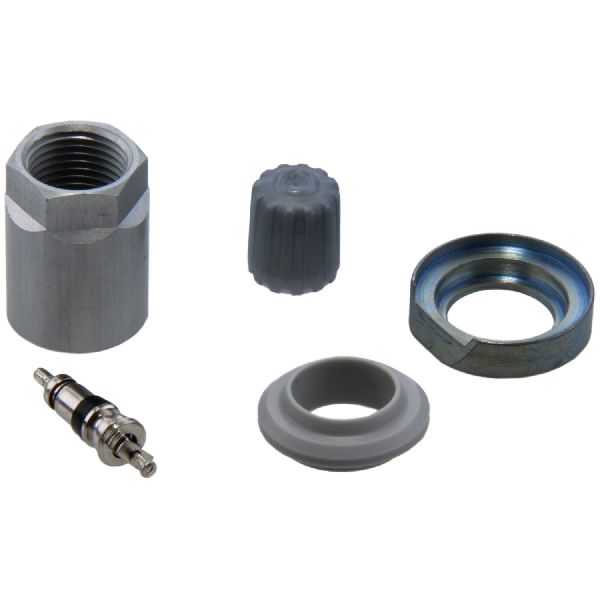
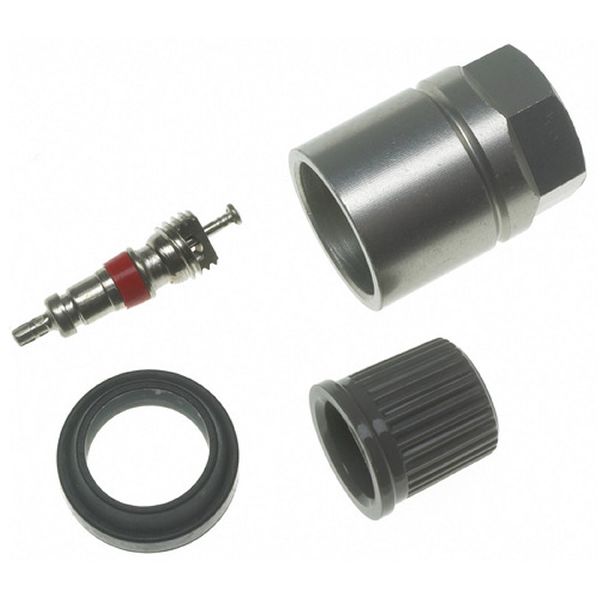
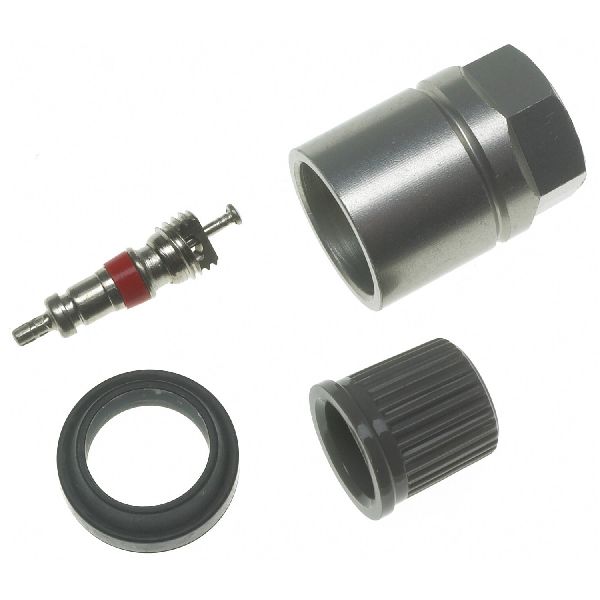
- Corroded/Leaking TPMS Valve Stem Service Kit: The service kit (grommet, nut, valve core, cap) ensures an airtight seal between the sensor and the wheel. Corrosion can cause air leaks, but it does not typically cause a C1709 'No Data' code. However, severe corrosion could potentially damage the sensor itself. It is best practice to replace the service kit whenever tires are replaced to prevent leaks.
Diagnosis Steps
- Verify the code with an OBD-II scanner that can read Chassis (C) codes from the BCM (Body Control Module).
- Observe the TPMS light behavior on startup. A light that flashes for ~60 seconds and then stays solid confirms a system fault, not low pressure.
- Check the vehicle's information display. Confirm that the front right tire pressure reading is blank or shows dashes. 🎬 See how the QX70 TPMS display should normally function
- CRITICAL FIRST STEP: Unplug all aftermarket accessories from 12V power outlets (phone chargers, dash cams, GPS, etc.) to eliminate potential RF interference.
- Drive the vehicle for at least 10 minutes at speeds above 16 MPH (25 km/h) to see if the system resets and the light turns off.
- If the light remains, use a TPMS activation tool to test the front right sensor. The tool will attempt to trigger the sensor and read its ID, pressure, temperature, and battery status.
- If the tool cannot get a response from the sensor, the sensor has failed (likely a dead battery) and needs replacement.
- If the tool gets a response, the issue might be intermittent, related to a more stubborn RF source, or a problem with the vehicle's TPMS receiver.
- If replacing the sensor, the tire must be dismounted from the wheel. After installing the new sensor, it must be registered to the vehicle using a TPMS tool or a compatible diagnostic scanner to write the new ID to the BCM.
Parts You'll Likely Need
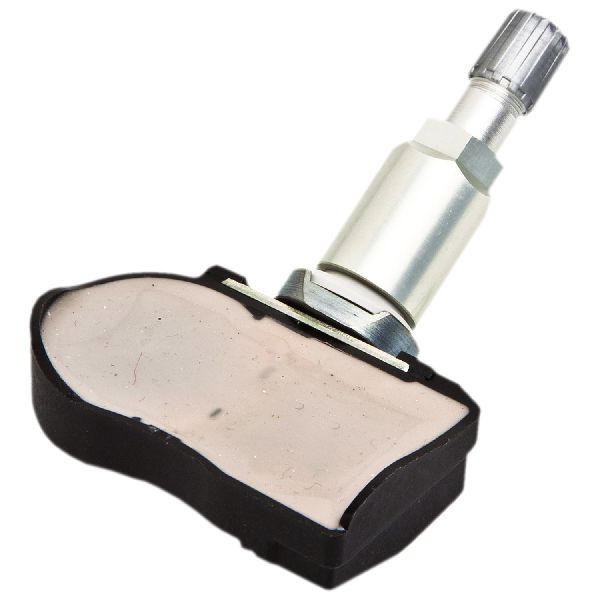
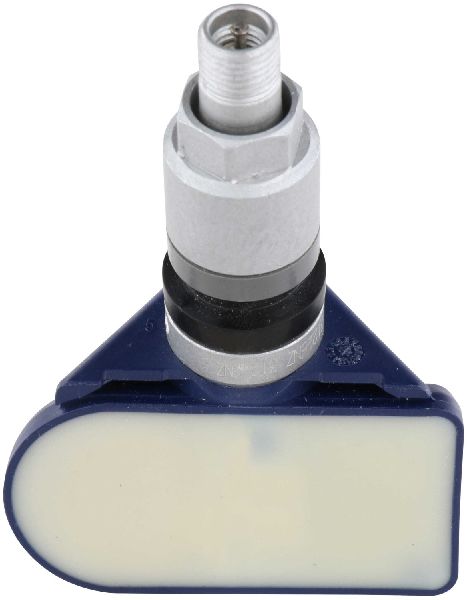
- Tire Pressure Monitoring System (TPMS) Sensor
(OEM #40700-3AN1B)— This is the transmitting sensor inside the front right wheel. Its internal battery dies over time, making it the most common failure point for a 'No Data' code. This part number supersedes 40700-3AN1A.
Trusted brands: Infiniti/Nissan (OEM), Hitachi, Denso, Schrader, Huf
OEM price range: $80-$120
Aftermarket price range: $40-$70 - TPMS Sensor Service Kit — This is a set of sealing components (grommet, nut, valve core, cap) that should be replaced whenever the sensor is serviced or tires are changed to prevent air leaks. This will not fix the code but is essential preventative maintenance.
Trusted brands: Schrader, Dill Air Control
OEM price range: $5-$15
Aftermarket price range: $3-$10
Related Codes That Often Appear With This One
- C1708 — This code is for the Front Left wheel. Seeing both may indicate a common issue like RF interference or two sensors failing around the same time due to age.
- C1710 — This code is for the Rear Right wheel. Seeing multiple or all four codes (C1708, C1709, C1710, C1711) simultaneously points more strongly toward a central issue like RF interference or a faulty TPMS receiver module.
- C1711 — This code is for the Rear Left wheel. It is less common to see with C1709 unless wheels were rotated without re-registering sensor positions or there is a system-wide problem.
Technical Service Bulletins (TSBs) & Recalls
- ITB13039A / NTB13-088a - Provides information on diagnosing TPMS systems and specifically mentions radio frequency interference from aftermarket accessories as a cause for 'No Data' codes C1708, C1709, C1710, and C1711.
Platform-Specific Known Issues
- Infiniti has officially documented that radio frequency interference from devices like smart phone chargers can cause a 'No Data' condition, leading to codes like C1709. This is detailed in TSB #ITB13039A.
- On platform-mate vehicles like the Infiniti G37, when all four sensors fail to report simultaneously (C1708, C1709, C1710, C1711), a failure of the central TPMS receiver/antenna module is a known, though rare, possibility.
Scan Tool Commands That Help
- Infiniti CONSULT or compatible aftermarket tool (e.g., Autel, Bartec): TPMS Sensor ID Registration / Position Relearn — This function is required after replacing a TPMS sensor. It writes the new sensor's unique ID to the Body Control Module (BCM), allowing the system to recognize and receive data from the new sensor. Without this step, the C1709 code will not clear.
- Infiniti CONSULT: DATA MONITOR for AIR PRESSURE MONITOR — Used during diagnosis to view the live pressure readings that the BCM is receiving from each sensor. If the front right pressure shows '0 kPa' or dashes while others show a value, it helps confirm the 'No Data' fault for that specific wheel location.
Wiring & Ground Locations
- Body Control Module (BCM) — Located in the passenger side footwell, by the kick panel or under the glovebox.. The BCM is the main computer that receives and interprets the signals from the TPMS receiver. A poor connection, water intrusion, or fault in the BCM (though rare) can cause TPMS communication errors.
- TPMS Receiver / Antenna — On the platform-mate G37, the receiver is located behind the glove box. On the QX70, it is also in the dash area, receiving signals from all four sensors.. This module receives the 315 MHz signals from the wheel sensors and relays the data to the BCM. If this unit fails, it can no longer receive data, often causing codes for all four wheels (C1708, C1709, C1710, C1711) to appear at once.
- TPMS Reset Connector (on some older models) — A single-wire connector, often located near the OBD-II port under the dash.. On some Nissan/Infiniti models, a manual relearn mode can be initiated by grounding this wire to the chassis multiple times in a specific sequence. This is less common on newer CAN-bus vehicles like the QX70, which primarily rely on scan tool registration, but it's a known procedure in the family.
- Ground Point B202 — Located in the right kick panel area.. This is a major ground point for components in the right side of the dash. A loose or corroded ground here could potentially affect the BCM or TPMS receiver, causing intermittent communication issues.
Real Owner Repair Stories
- MyG37 Forum User (Infiniti G37 (platform-mate to QX70)) — TPMS warning light on, with all four 'No Data' codes present: C1708, C1709, C1710, C1711.
❌ Tried (didn't work) Verifying tire pressures were correct., Attempting a manual reset procedure., Having a tire shop confirm all four sensors were transmitting a strong signal.
✅ What actually fixed it The user replaced the TPMS Receiver/Antenna module (Part #40740-1NC2A) located behind the glove box. This resolved all four codes simultaneously.
OEM Part Supersession History
40700-JK00B→40700-JK01C— Part revision and update by the manufacturer.
Heads up: Part number 40700-JK00B is a widely used sensor on many Infiniti/Nissan models from the late 2000s and early 2010s. It has been superseded by several numbers, including 40700-JK00C, 40700-JK01A, 40700-JK01B, and 40700-JK01C. While these are generally interchangeable, it is always best to verify the latest part number with a dealer using the vehicle's VIN.
Helpful Videos

We Have This Part in Stock


The information in this article is provided for general reference and educational purposes only. Vehicle specifications, procedures, and part compatibility can vary by production date, trim level, and region. Always consult your vehicle's factory service manual and verify part numbers before purchasing or performing repairs. Safety-critical components such as airbags, seat belts, and braking systems should be installed by a qualified professional.
- Infiniti QX70:
- 🧭 Diagnostic Flowchart
- 🎬 Helpful Videos
- 🛍️ Shop This Part
- What's Unique About the 2014-2016 Infiniti QX70
- Symptoms You May Notice
- Most Likely Causes
- Rare But Worth Checking
- Diagnosis Steps
- Parts You'll Likely Need
- Related Codes That Often Appear With This One
- Technical Service Bulletins (TSBs) & Recalls
- Platform-Specific Known Issues
- Scan Tool Commands That Help
- Wiring & Ground Locations
- Real Owner Repair Stories
- OEM Part Supersession History
- 🎟️ Get 5% Off