

C1710 on 2014-2015 Infiniti Q70: Right Rear TPMS Sensor Fault Causes and Fixes
On a 2014-2015 Infiniti Q70, code C1710 means the right rear Tire Pressure Monitoring System (TPMS) sensor is not sending a signal. The most common cause is a dead sensor battery. Before replacing, unplug all aftermarket 12V accessories to rule out RF interference. The fix is to replace the sensor and have it programmed, which costs around $100-$265 at a tire shop or dealer.
- C1710 on a 2014-2015 Q70 means the right rear TPMS sensor is not communicating.
- Before replacing any parts, unplug all aftermarket phone chargers and dash cams to rule out radio frequency interference, a known issue cited in a TSB.
- The most likely cause is a dead battery inside the sensor, which is a common failure item for vehicles of this age.
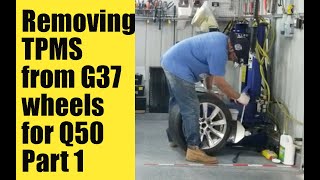
- Repair is not DIY-friendly as it requires tire dismounting and a special tool to program the new sensor to the car.
What's Unique About the 2014-2015 Infiniti Q70
For this generation of Infiniti vehicles, a known and documented issue is radio frequency (RF) interference from aftermarket accessories like phone chargers or dash cams. Infiniti issued a Technical Service Bulletin (ITB13039A) acknowledging that this interference can cause 'No Data' codes, including C1710, even when the TPMS sensor itself is perfectly fine. These chargers, especially cheaper ones, can emit RF noise that jams the 315MHz signal from the TPMS sensors. This makes it crucial to rule out RF interference before spending money on a new sensor.
Diagnostic Flowchart
Tap your situation to follow the diagnostic path that matches what you're seeing on this vehicle.
Symptoms You May Notice
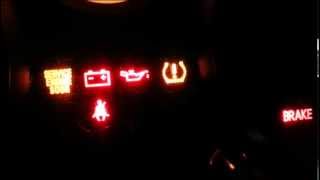
- TPMS warning light flashes for approximately one minute at startup, then stays on solid.
- The vehicle information display shows a dash or no reading for the right rear tire's pressure.
- A 'Check Tire Pressure' message may appear on the information display.
- Inability to complete a manual TPMS reset procedure; 🎬 Watch: How to perform a manual TPMS reset without tools. the light may flash but then return to solid, indicating a persistent fault.
- Replacing the TPMS sensor without first checking for RF interference from chargers or other electronics.
- Assuming the flashing TPMS light means low tire pressure. A flashing light indicates a system fault, while a solid light indicates low pressure.
- Replacing the Body Control Module (BCM) instead of the specific wheel sensor.
- Mistaking a C1710 TPMS code for an ABS wheel speed sensor fault, which uses different codes (e.g., C1101-C1104 range) and part numbers.
Most Likely Causes
- Dead TPMS Sensor Battery 🔴 High Probability → Shop Tire Pressure Monitoring System (TPMS) Sensor TPMS sensors are powered by small, non-rechargeable batteries with a typical lifespan of 5-10 years. Vehicles from the 2014-2015 model years are now at an age where battery failure is very common and the most frequent cause of this code.
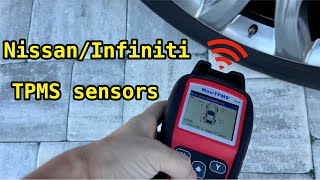
How to confirm: A professional tire shop can use a TPMS activation tool (like an Autel MaxiTPMS) to try and 'wake up' the sensor. If the sensor does not respond or shows a 'low battery' status, its battery is dead.
Typical fix: Replace the TPMS sensor in the right rear wheel and register the new sensor to the vehicle. Many owners opt to replace all four sensors at once if they are original to avoid repeat failures and labor costs.
Est. part cost: $40-$120 - Radio Frequency (RF) Interference 🟡 Medium Probability As noted in TSB ITB13039A, these vehicles are susceptible to RF interference from aftermarket devices plugged into the 12V power outlets (e.g., phone chargers, dash cams, GPS units). Low-quality switching power supplies in these devices are known to generate significant RF noise that can block the TPMS receiver.
How to confirm: Unplug all aftermarket devices from the vehicle's 12V power sockets. Clear the code (if possible) and drive the vehicle for several minutes above 16-25 mph to see if the light goes out and the code does not return.
Typical fix: Remove or replace the interfering device with a higher-quality, properly shielded version. In some cases, adding a ferrite choke to the device's power cord can reduce the RF noise.
Est. part cost: $0 - $25 - Damaged TPMS Sensor ⚪ Low Probability → Shop Tire Pressure Monitoring System (TPMS) Sensor Sensors can be physically damaged during tire mounting/dismounting or by a severe pothole impact. They are electronic components housed in a mechanically harsh environment.
How to confirm: Visual inspection of the sensor after dismounting the tire from the wheel. Look for cracks in the housing or a broken valve stem.
Typical fix: Replace the damaged TPMS sensor.
Est. part cost: $40-$120
Rare But Worth Checking
- Faulty TPMS Control Unit/Receiver: This is very rare for a single sensor code. It becomes a possibility if multiple TPMS codes (e.g., C1708, C1709, C1711) are present simultaneously, RF interference has been ruled out, and new sensors cannot be registered. A forum user on a similar platform noted that if the TPMS unit is offline, a scanner would see U1000 codes from the meter and AV units. A user with a related G37 fixed all four 'No Data' codes by replacing the TPMS Antenna module.
- Old sensors left inside the vehicle: A technician on JustAnswer noted a case where old, replaced sensors were left inside the car's cabin or trunk. Their residual signal can confuse the TPMS control unit and prevent it from reading the new, installed sensors correctly.
Diagnosis Steps
- Verify the symptom: Confirm the TPMS light flashes for about one minute at startup and then stays on.
- Scan for codes using a scanner capable of reading Infiniti's 'C' (Chassis) codes to confirm C1710 is present.
- Check for RF Interference: Unplug ALL aftermarket devices from the 12V power outlets (phone chargers, dash cams, radar detectors, etc.). Drive the vehicle for 10-15 minutes at speeds above 25 mph to see if the light turns off.
- Activate Sensor: Use a TPMS diagnostic tool at the right rear wheel to attempt to read the sensor's ID, pressure, temperature, and battery status. If the tool gets no response or shows a low battery, the sensor has failed.
- Re-register Sensors: If the sensor responds to the tool, attempt to re-register all four sensor IDs to the vehicle's computer using the TPMS tool. If the process fails specifically for the right rear sensor, it confirms a communication issue with that sensor.
- Inspect for Old Sensors: Check the glove box, trunk, and door pockets to ensure the old sensors were not left in the vehicle after a previous replacement, as this can cause signal confusion.
- Replace Sensor: If the sensor is confirmed to be faulty, replace the TPMS sensor in the right rear wheel.
- Program New Sensor: Use a TPMS tool to register the new sensor's unique ID to the vehicle's TPMS control unit.
- Verify Repair: Drive the vehicle for several minutes to ensure the TPMS light goes out and the code does not return. The system should now display the pressure for the right rear tire.
Parts You'll Likely Need
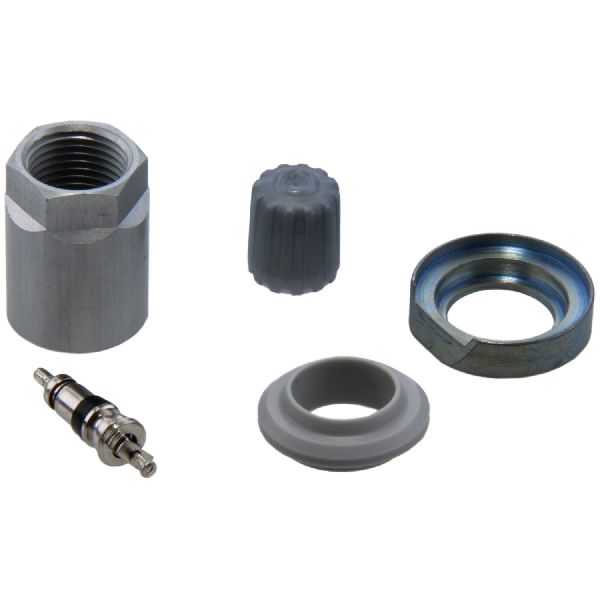
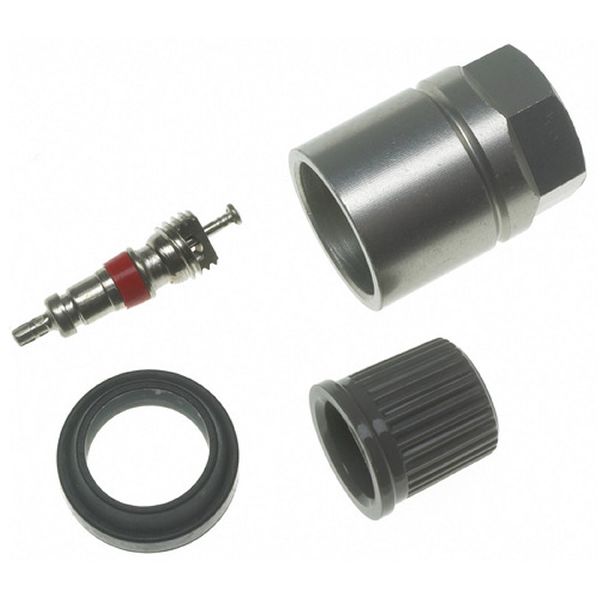
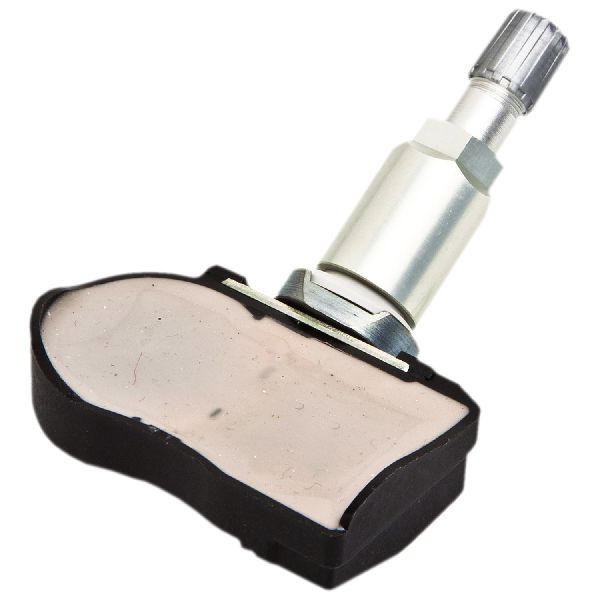
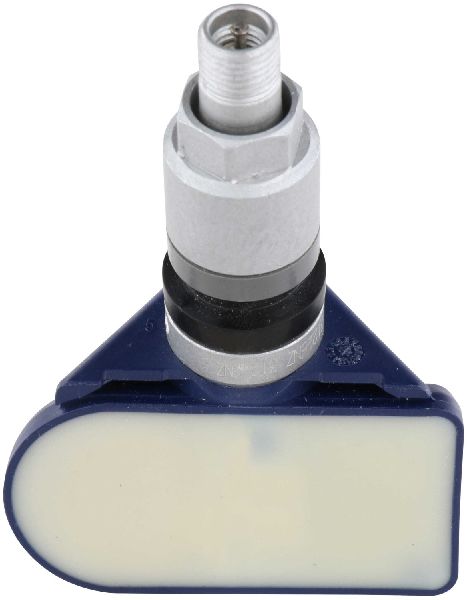
- Tire Pressure Monitoring System (TPMS) Sensor
(OEM #40700-1LA0E)— This is the component that fails, usually due to an exhausted internal battery, causing the C1710 code.
Trusted brands: OEM Nissan/Infiniti, Schrader, Autel (programmable), Huf/BH Sens, Dorman
OEM price range: $80-$115
Aftermarket price range: $40-$75
Related Codes That Often Appear With This One
- C1708 — This is the code for the Front Left sensor. If seen with C1710, it suggests a wider problem like RF interference or multiple sensors failing from age.
- C1709 — This is the code for the Front Right sensor. Its presence with C1710 points to a potential system-wide issue or two sensors failing around the same time.
- C1711 — This is the code for the Rear Left sensor. Having multiple 'No Data' codes strongly suggests checking for RF interference first before assuming all sensors have failed simultaneously.
Technical Service Bulletins (TSBs) & Recalls
- ITB13039A - Discusses general TPMS diagnostics and highlights Radio Frequency interference as a primary cause for 'No Data' codes like C1710.
Platform-Specific Known Issues
- Infiniti Technical Service Bulletin ITB13039A specifically calls out that radio frequency interference from aftermarket accessories can cause a 'No Data' condition, triggering codes C1708, C1709, C1710, and C1711.
- A Reddit user on r/infiniti described a strange TPMS issue where the light would only flash when driving over a specific bridge, highlighting the system's sensitivity to external RF interference.
Scan Tool Commands That Help
- Nissan CONSULT-III Plus: Work Support > ID REGIST — This is the required dealer-level function to write new TPMS sensor IDs to the Body Control Module (BCM) after a sensor is replaced. The system will not recognize the new sensor without this step.
- Nissan CONSULT-III Plus: Data Monitor > AIR PRESSURE MONITOR — Use this to view the live data that the BCM is receiving from all four tire pressure sensors. This helps confirm if a signal is being received at all, which can help differentiate a dead sensor from an interference issue.
- Autel MaxiTPMS, ATEQ VT56, or equivalent: OBD Relearn — This is the common function on professional aftermarket TPMS tools that performs the same action as the dealer's 'ID REGIST' command. It connects to the OBD-II port to write the new sensor IDs to the vehicle's ECU.
Wiring & Ground Locations
- TPMS Receiver / Antenna — On related Infiniti platforms like the G37/EX35, this module is located behind the glove box.. This is the component that directly receives the 315 MHz signals from the wheel sensors. A loose connection or failure of this unit can cause 'No Data' codes (like C1710) for one or all wheels, even if the sensors themselves are good.
- Body Control Module (BCM) — Located in the passenger kick panel area, typically to the right of the glove box.. The BCM is the central computer that receives the signal information from the TPMS Receiver and generates the C1710 fault code. A fault with the BCM is very rare for a single sensor code, but its connectors are a valid check point if multiple TPMS issues persist after sensor and receiver replacement.
- TPMS Reset Connector — On some older Nissan/Infiniti models, a single-wire connector can be found near the OBD-II port under the dashboard.. This connector allows a technician to manually put the TPMS system into 'learning mode' by grounding the wire. While scan tool registration is the standard method for the Q70, knowledge of this connector on related platforms is a valuable piece of technician-grade information.
Real Owner Repair Stories
- MyG37 Forum User (Infiniti G37 (related platform)) — All four TPMS 'No Data' codes were present (C1708, C1709, C1710, C1711).
❌ Tried (didn't work) Verifying sensors were transmitting with a shop tool.
✅ What actually fixed it The problem was resolved by replacing the TPMS Antenna module (part number 40740-1NC2A), which is the central receiver for the sensor signals. - G35Driver Forum User (2007 Infiniti G35X (related platform)) — Multiple TPMS codes (15, 16, 17, 18, 22, 23 using manual method), flashing TPMS light.
❌ Tried (didn't work) Confirming all four wheel sensors were transmitting a strong signal at a tire shop., Replacing the TPMS/Keyless entry receiver module located behind the glove box.
✅ What actually fixed it The issue remained unresolved in the thread, but the user noted the problem began after major vehicle disassembly for a differential repair. This strongly suggests the final cause was a damaged wire or a disconnected harness connector, not a faulty component.
"I Checked Everything" — The Actual Cause
- A common scenario for this code is when a technician uses a TPMS activation tool and confirms the sensor at the wheel is transmitting a signal, yet the C1710 code persists. This indicates the problem is not the sensor itself, but upstream in the system. The cause could be the TPMS receiver/antenna module, a wiring harness issue, or a rare case of RF interference from another vehicle component like the HVAC blower motor.
OEM Part Supersession History
40700-1LA0A, 40700-1LA0B, 40700-1LA0C, 40700-1LA0D→40700-1LA0E— Standard part revision and improvement by the manufacturer.40700-3AN1A, 40700-3AN1B, 40700-3AN1D→40700-1LA0E— Consolidation of part numbers. The 40700-1LA0E sensor is a compatible replacement for these older numbers.
Helpful Videos

We Have This Part in Stock


The information in this article is provided for general reference and educational purposes only. Vehicle specifications, procedures, and part compatibility can vary by production date, trim level, and region. Always consult your vehicle's factory service manual and verify part numbers before purchasing or performing repairs. Safety-critical components such as airbags, seat belts, and braking systems should be installed by a qualified professional.
- Infiniti Q70:
- 🧭 Diagnostic Flowchart
- 🎬 Helpful Videos
- 🛍️ Shop This Part
- What's Unique About the 2014-2015 Infiniti Q70
- Symptoms You May Notice
- Most Likely Causes
- Rare But Worth Checking
- Diagnosis Steps
- Parts You'll Likely Need
- Related Codes That Often Appear With This One
- Technical Service Bulletins (TSBs) & Recalls
- Platform-Specific Known Issues
- Scan Tool Commands That Help
- Wiring & Ground Locations
- Real Owner Repair Stories
- "I Checked Everything" — The Actual Cause
- OEM Part Supersession History
- 🎟️ Get 5% Off