

C1711 on 2006-2010 Infiniti M45: TPMS Sensor Failure Causes and Fixes
Code C1711 on a 2006-2010 Infiniti M45 means the car isn't receiving a 315 MHz signal from the rear-left tire pressure (TPMS) sensor. The most common cause is a dead battery inside the sensor, which requires replacing the entire sensor unit. Before replacing parts, unplug all aftermarket 12V accessories to rule out RF interference. Expect to pay $25-$60 for an aftermarket sensor or $65-$115 for an OEM one, plus labor for tire dismounting and sensor registration.
- C1711 means the rear-left TPMS sensor is not communicating with your M45.
- The most probable cause is a dead battery in the sensor, which is expected for a vehicle of this age.
- Before buying parts, unplug any aftermarket chargers or dash cams to rule out radio interference, as noted in a factory TSB and confirmed by owner experiences.
- Replacing the sensor is not a DIY job for most people, as it requires tire dismounting equipment and a TPMS tool to register the new sensor ID.
- It's wise to consider replacing all four TPMS sensors at once, as the others are likely near the end of their service life.
What's Unique About the 2006-2010 Infiniti M45
For the Y50 generation M45, this code is a straightforward indicator of a communication problem with a specific wheel sensor. Unlike some other systems, the primary cause is almost always the sensor itself aging out. An official Infiniti Technical Service Bulletin (TSB) also highlights that radio frequency (RF) interference from aftermarket devices like cheap phone chargers or dash cams can cause this 'No Data' condition, a diagnostic step worth checking before replacing parts. Owners on various forums have confirmed that unplugging a specific USB charger resolved their TPMS communication issues. A key advantage of the 2006-2010 M-series is that the TPMS system can often automatically learn new sensor IDs after driving for a period, unlike many other vehicles that require a mandatory dealer relearn procedure.
Diagnostic Flowchart
Tap your situation to follow the diagnostic path that matches what you're seeing on this vehicle.
Symptoms You May Notice
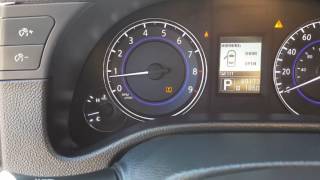
- TPMS warning light flashes for approximately one minute after starting the car, then stays on solid.
- Vehicle information display shows a blank or '--' for the rear-left tire pressure reading.
- No effect on vehicle drivability.
- Audible chime may sound when the warning light first illuminates.
- Replacing the tire. The tire itself does not cause this code; the issue is with the sensor mounted inside it.
- Assuming the BCM is bad. While possible, sensor failure or receiver failure is vastly more common and should be ruled out first.
- Ignoring the flashing light. A flashing TPMS light indicates a system fault (like C1711), whereas a solid light indicates low pressure. Diagnosing the wrong condition will not solve the problem.
Most Likely Causes
- Dead TPMS Sensor Battery 🔴 High Probability → Shop Tire Pressure Monitoring System (TPMS) Sensor The non-replaceable batteries in the original sensors have a lifespan of 5-10 years. For a 2006-2010 vehicle, they are at or beyond their expected service life, making battery failure the most common cause of C1711.
How to confirm: Use a TPMS diagnostic tool to attempt to 'wake' or read the sensor. If the tool gets no response (no ID, pressure, or temperature reading), the sensor is dead. Advanced tools can also show a 'Low' battery status for a sensor that is still transmitting but about to fail.
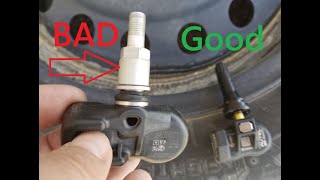
Typical fix: Replace the rear-left TPMS sensor. 🎬 Watch this step-by-step guide on finding and replacing a bad sensor. It is often recommended to replace all four sensors at the same time since their batteries will likely fail around the same time. After replacement, the new sensor ID must be registered to the BCM.
Est. part cost: $25-$115 - Radio Frequency (RF) Interference 🟡 Medium Probability As noted in TSB #ITB13039A, aftermarket electronics (especially cheap, poorly-shielded phone chargers, dash cams, and power inverters) can broadcast RF noise that disrupts the weak 315 MHz signal from the TPMS sensor. A user on a RadioReference forum traced a recurring TPMS alert directly to a USB charger being plugged in.
How to confirm: Unplug all aftermarket devices from the 12V power outlets. Turn the car off and on. Drive for several minutes to see if the system relearns the sensor and the light goes out. If it does, plug devices back in one by one to identify the culprit.
Typical fix: Remove or replace the interfering electronic device with a higher-quality, well-shielded alternative.
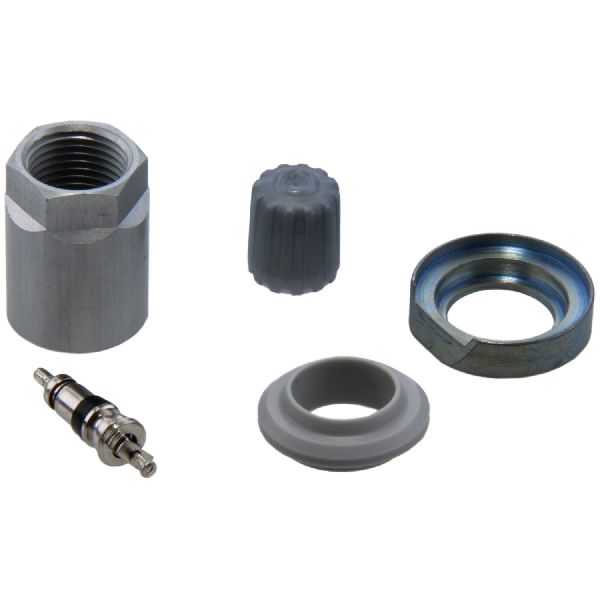
Est. part cost: $0 - Damaged or Faulty TPMS Sensor ⚪ Low Probability → Shop Tire Pressure Monitoring System (TPMS) Sensor Sensors can be physically damaged during tire installation or removal, especially by technicians unfamiliar with them. The aluminum valve stem retaining nut can also corrode and crack, leading to air leaks and eventual sensor failure.
How to confirm: Visual inspection of the sensor after dismounting the tire. If the sensor was recently working and failed immediately after a tire service, damage is a likely cause.
Typical fix: Replace the damaged TPMS sensor and register the new one.
Est. part cost: $25-$115
Rare But Worth Checking
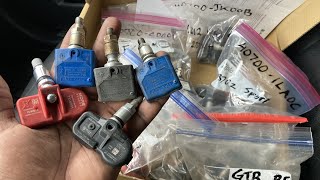
- Faulty TPMS Control Module (Receiver): This is rare, but if a new, known-good sensor cannot be registered to the rear-left position, the control module (also called the TPMS receiver or antenna) may be the issue. A user on MyG37.com with codes for all four sensors (C1708, C1709, C1710, C1711) fixed the problem by replacing the TPMS Antenna/Receiver module, part number 40740-1NC2A, which is located behind the glove compartment on that platform. On the M45, this receiver is located in the trunk. 🎬 See how a faulty TPMS module can prevent a system reset. This would typically require diagnosis at a dealership or qualified shop.
Diagnosis Steps
- Verify the TPMS warning light behavior: it should flash for about a minute on startup and then stay solid. This confirms a system fault.
- Unplug all aftermarket electronic devices (phone chargers, dash cams, etc.) from the vehicle's power outlets.
- Drive the vehicle for several minutes above 25 MPH to see if the light extinguishes. If it does, one of the devices was causing RF interference.
- If the light remains, use a TPMS activation tool to test the sensor at the rear-left wheel. If the tool cannot get a response, the sensor has failed. If the tool shows the sensor's battery status as 'Low', it confirms the battery is the point of failure.
- To be 100% certain, rotate the rear-left wheel to the front-left position. Clear codes and drive the vehicle. If the code changes from C1711 (Rear-Left) to C1708 (Front-Left), you have definitively confirmed the fault is with the sensor in that wheel. Note that the system may need to be driven for some time or have the new sensor positions relearned for the code to update.
- If the sensor responds to the tool but the car still shows code C1711, the problem may lie with the vehicle's TPMS receiver or its wiring.
- For some older Nissan/Infiniti models, a manual relearn procedure can be initiated by grounding a specific wire in the OBD-II port harness multiple times. This is a potential advanced DIY step but requires care to identify the correct wire. 🎬 Watch a demonstration of the manual TPMS reset procedure without tools.
Parts You'll Likely Need
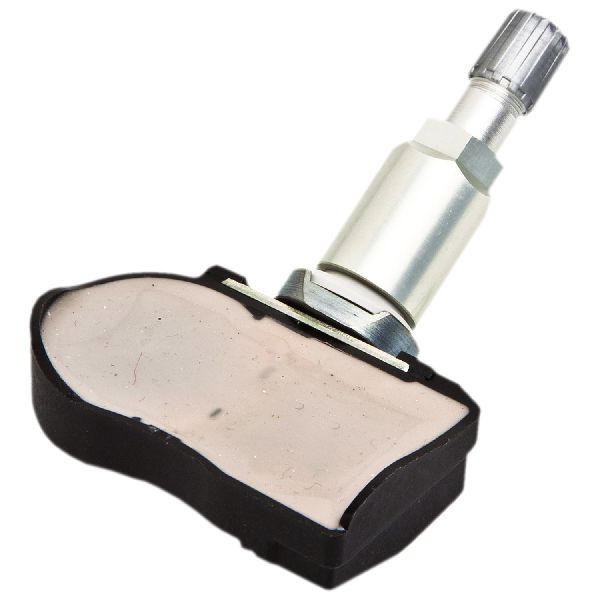
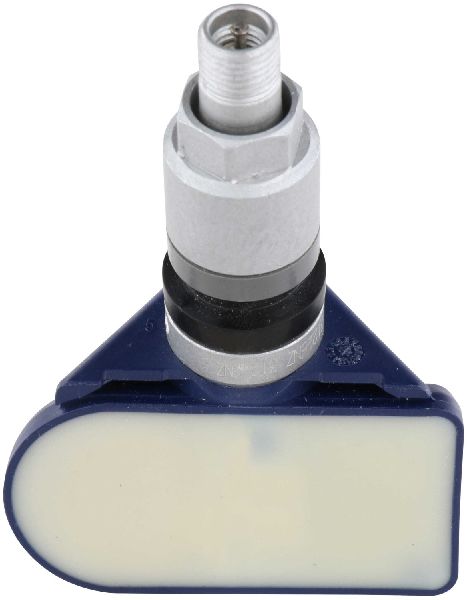
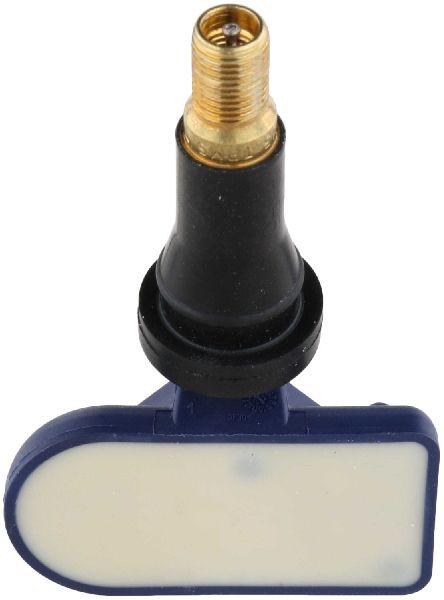
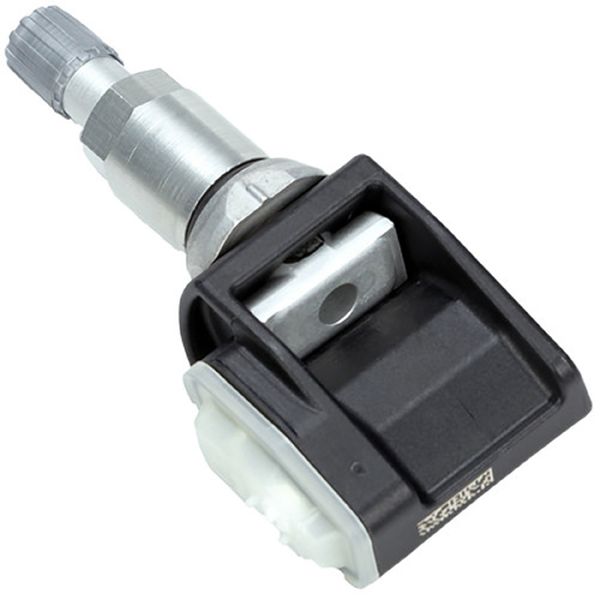
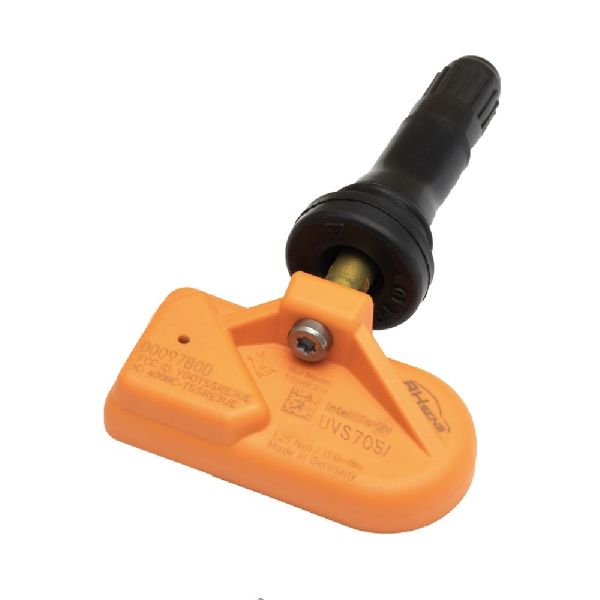
- Tire Pressure Monitoring System (TPMS) Sensor
(OEM #40700-CD001)— This is the component that fails, most often due to an expired internal battery. The entire unit must be replaced. This part number is for the original 315 MHz sensor. It may be superseded by newer numbers like 40700-JA00C or 40700-JK01C, but 40700-CD001 is the direct fit for this era.
Trusted brands: Infiniti (OEM), Schrader (often the OEM manufacturer), Continental/VDO, Huf, Dorman, Bosch
OEM price range: $65-$115
Aftermarket price range: $25-$60
Related Codes That Often Appear With This One
- C1708 — Data from Front-Left transmitter cannot be received. Seeing multiple codes like this (C1709, C1710) suggests a systemic issue, like a faulty TPMS receiver or widespread sensor battery failure due to age.
- C1709 — Data from Front-Right transmitter cannot be received. Often appears with other TPMS codes if all sensors are original and failing from age.
- C1710 — Data from Rear-Right transmitter cannot be received. Seeing multiple codes points away from a single bad sensor and towards a larger issue.
Technical Service Bulletins (TSBs) & Recalls
- ITB13039A: Compiles general information on the TPMS/LTPWS system and explicitly notes that RF interference from aftermarket accessories can cause a 'No Data' condition for codes C1708-C1711.
Platform-Specific Known Issues
- Infiniti TSB ITB13039A specifically mentions that radio frequency interference can cause a 'No Data' condition, resulting in codes C1708, C1709, C1710, or C1711.
- The Y50 M-series is known for some common issues, but TPMS faults are primarily age-related rather than a design flaw. Other noted issues for the platform include potential oil consumption on the VK45DE engine and a firm transmission feel.
Mechanic-Grade Diagnostic Values
- TPMS Sensor Battery Status — expected: OK. Failure: A 'Low' or 'N/A' reading when queried with a TPMS diagnostic tool. A 'Low' status indicates the sensor is about to fail, while 'N/A' or no response means it has already failed.
Scan Tool Commands That Help
- Infiniti CONSULT-II / CONSULT-III: ID REGIST — This function is located in the BCM >> Work Support menu. It is used to manually write the 7-digit alphanumeric ID of a new TPMS sensor into the Body Control Module after replacement. This is the official dealership procedure for registering a new sensor that the vehicle does not learn automatically.
Wiring & Ground Locations
- TPMS Receiver (Remote Keyless Entry Receiver) — For the Y50 M45, the receiver module is located in the trunk, behind the right-side (passenger side) finisher panel.. This module receives the radio signals from all four TPMS sensors. A loose connection, wiring damage, or internal failure of this receiver can prevent the signal from the rear-left sensor from reaching the BCM, causing a C1711 code even if the sensor itself is good. This is a critical diagnostic location if a new sensor fails to solve the problem.
Real Owner Repair Stories
- NICOclub Forums (2006 Infiniti M45) — Flashing TPMS light, followed by a solid light. The information display showed one tire was low/flat, but manual pressure checks confirmed all tires were properly inflated.
❌ Tried (didn't work) The owner took it to a tire shop that used a TPMS tool and confirmed all four sensors were transmitting and had good batteries.
✅ What actually fixed it The diagnosis pointed to a faulty TPMS receiver module in the car, as the sensors themselves were confirmed to be working. The user was advised to have the shop inspect the receiver unit as the next step.
OEM Part Supersession History
40700-CD001→40700-JA00C, 40700-JK00E, 40700-JK01C— Standard part evolution and consolidation across multiple Nissan/Infiniti platforms.
Heads up: While these parts are generally interchangeable for the 2006-2010 M45, always verify with the supplier using the vehicle's VIN. Aftermarket programmable sensors (e.g., Autel, Huf) are also a common alternative but require a separate programming tool before installation.
Model Year Variations Within This Range
- 2006-2007 vs 2008-2010: While the core TPMS system is the same, there was a part number shift for the sensors around the 2008 model year refresh. The original 40700-CD001 is listed for 2006-2008 models, while later part numbers like 40700-JK01C are often associated with 2008-2010 models. Functionally, they are interchangeable on this platform, but it's a difference to note when ordering parts.
Helpful Videos
We Have This Part in Stock

The information in this article is provided for general reference and educational purposes only. Vehicle specifications, procedures, and part compatibility can vary by production date, trim level, and region. Always consult your vehicle's factory service manual and verify part numbers before purchasing or performing repairs. Safety-critical components such as airbags, seat belts, and braking systems should be installed by a qualified professional.
- Infiniti M45:
- 🧭 Diagnostic Flowchart
- 🎬 Helpful Videos
- 🛍️ Shop This Part
- What's Unique About the 2006-2010 Infiniti M45
- Symptoms You May Notice
- Most Likely Causes
- Rare But Worth Checking
- Diagnosis Steps
- Parts You'll Likely Need
- Related Codes That Often Appear With This One
- Technical Service Bulletins (TSBs) & Recalls
- Platform-Specific Known Issues
- Mechanic-Grade Diagnostic Values
- Scan Tool Commands That Help
- Wiring & Ground Locations
- Real Owner Repair Stories
- OEM Part Supersession History
- Model Year Variations Within This Range
- 🎟️ Get 5% Off