

C1717 on 2013-2020 Nissan Pathfinder: TPMS Sensor Fault Causes and Fixes
On a 2013-2020 Pathfinder, code C1717 almost always means a Tire Pressure Monitoring System (TPMS) sensor has failed, usually due to a dead battery. Expect to pay $50-$100 per sensor for aftermarket parts, plus installation and programming at a tire shop.
- C1717 on your Pathfinder means there's a fault with the Tire Pressure Monitoring System (TPMS), almost always a failed sensor.
- A flashing TPMS light indicates a system fault (like this code), while a solid light just means low pressure.
- DIY replacement is difficult as it requires tire dismounting equipment and a special electronic tool to register the new sensor.
- If your vehicle is over 5-7 years old and one sensor fails, it's wise to replace all four at the same time to avoid repeat visits to the tire shop.
- Do not use 'Fix-a-Flat' or similar liquid sealants, as they can damage the TPMS sensors and this damage is not covered by warranty.
What's Unique About the 2013-2020 Nissan Pathfinder
The R52 generation Pathfinder, like many Nissans from this era, has a TPMS system that is not as DIY-friendly as some other brands. While some vehicles can automatically 'relearn' new sensor IDs just by driving, the Pathfinder typically requires a specialized TPMS programming tool to register new sensors with the vehicle's computer. Simply installing a new sensor without performing the electronic relearn procedure will not turn off the warning light. This often leads to confusion when owners replace a sensor but the fault persists. Some aftermarket sensors claim to be 'pre-programmed' or 'plug-and-play', but success can be inconsistent without a final relearn step.
Symptoms You May Notice
- TPMS warning light flashes for about one minute after starting the vehicle, then stays on solid.
- A 'Check Tire Pressure' or similar warning message appears on the driver information display.
- The individual tire pressure display shows dashes ('--') for the affected wheel instead of a pressure reading.
- In some cases, the TPMS light may come on and go off intermittently, especially with temperature changes, before failing completely.
- Replacing the wrong sensor. Without a TPMS tool to identify which sensor has failed, it's a guessing game. The position on the dash display does not always correspond to the physical wheel location, especially after tire rotations.
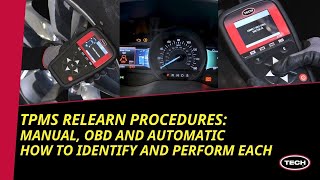
- Assuming the system will auto-relearn. Many owners or shops install a new sensor and expect the light to go off after driving. For the Pathfinder, this is often not the case and a manual relearn procedure is required. 🎬 See this guide on manual vs OBD TPMS relearn procedures
- Confusing a flashing TPMS light with a solid one. A solid light simply indicates low tire pressure, which is normal operation. A flashing light indicates a system fault like a dead sensor.
Most Likely Causes
- Failed TPMS Sensor (Dead Battery) 🔴 High Probability → Shop Tire Pressure Monitoring System (TPMS) Sensor TPMS sensors contain a non-serviceable battery with a typical lifespan of 5-10 years. Vehicles in the 2013-2020 range are now old enough for these batteries to be failing. This is the most common reason for C1717.
How to confirm: A tire shop can use a TPMS diagnostic tool (like an Autel or Bartec) to scan each sensor. The tool will show if the sensor is transmitting, its battery status (often just 'OK' or 'Low'), and its unique ID.
Typical fix: Replace the faulty TPMS sensor. It is often recommended to replace all four sensors at once if they are original, as the others are likely to fail soon. The new sensor must be registered to the vehicle.
Est. part cost: $40-$80 per sensor (aftermarket) - Incomplete or Failed ID Registration 🟡 Medium Probability This occurs after a new sensor has been installed but not correctly programmed to the vehicle's BCM using a compatible scan tool. Nissan's system is particular about this procedure and does not reliably 'auto-learn' new sensors by just driving.
How to confirm: This is the likely cause if the C1717 code appears immediately after a new sensor was installed. A TPMS tool will show the sensor is transmitting, but the vehicle's BCM won't recognize its ID.
Typical fix: Perform the TPMS relearn procedure using a compatible diagnostic tool to register the new sensor's ID with the Body Control Module.
Est. part cost: $0 (if part is already replaced)
Rare But Worth Checking
- Body Control Module (BCM) Malfunction: While rare, the BCM itself can fail to receive or process signals from the TPMS sensors. The TPMS receiver is integrated into the BCM on this platform. This should only be considered after all sensors and their programming have been confirmed to be good. A diagnostic scan showing multiple TPMS codes simultaneously could point towards a BCM or receiver issue.
- Damaged Sensor from Tire Sealant: Using aerosol 'fix-a-flat' tire sealants can clog the pressure port on the TPMS sensor, causing it to malfunction and report incorrect data or fail entirely. Nissan TSB NTB13-088a specifically warns against this and notes that such damage is not covered by warranty.
- Physical Damage to Sensor: The sensor can be damaged during tire mounting or dismounting if the technician is not careful. This is a common cause of failure immediately after getting new tires. Nissan TSB NTB15-060a provides specific instructions for technicians to avoid this damage, emphasizing that it is not a warrantable failure.
Diagnosis Steps
- Verify the symptom: Confirm the TPMS light flashes for about a minute on startup before staying solid. A solid light from the start usually just means low tire pressure.
- Check Tire Pressures: Manually check and adjust the pressure in all four tires to the specification on the driver's door jamb sticker. This rules out a simple low-pressure situation.
- Scan Sensors: Use a dedicated TPMS diagnostic tool to 'wake up' and read each wheel sensor. This will confirm which specific sensor is not transmitting or has a low battery. Note the unique ID of the faulty sensor.
- Attempt Relearn: If all sensors appear to be transmitting, attempt the TPMS ID registration procedure with a proper scan tool. This can sometimes fix communication glitches, especially after a tire rotation.
- Isolate the Faulty Sensor: Based on the scan tool results, identify the specific sensor that has failed.
- Replace Sensor: Have the faulty sensor replaced. This involves breaking the tire bead and removing the old sensor from the wheel. It's wise to replace the service kit (valve stem, core, cap, grommet) at the same time. Per TSB NTB15-060a, ensure the tire shop uses proper procedures to avoid damaging the new sensor.
- Register New Sensor: Use a TPMS tool connected to the OBD-II port to perform the ID registration procedure, writing the new sensor's unique ID to the Body Control Module. The Nissan CONSULT tool uses a function called 'ID READ AND REGIST' for this purpose.
- Verify Repair: Drive the vehicle above 16 MPH for several minutes to ensure the warning light goes out and stays out. The system needs to receive a valid signal from the new sensor while the vehicle is in motion.
Parts You'll Likely Need
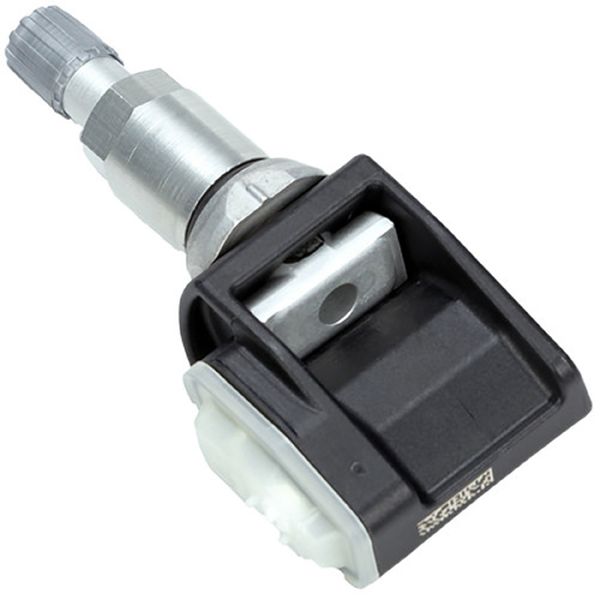
- Tire Pressure Monitoring System (TPMS) Sensor
(OEM #40700-3JA0B (supersedes 40700-3JA0A))— The internal, non-replaceable battery in the original sensor dies, causing it to stop transmitting data and triggering the C1717 code.
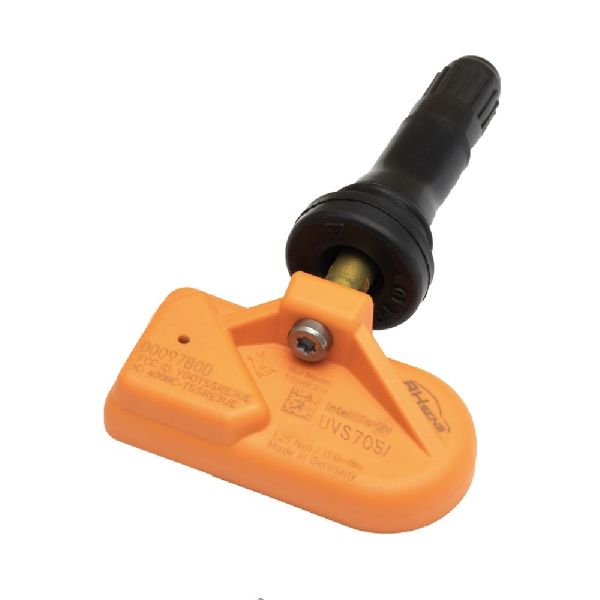
Trusted brands: Schrader (often the OEM supplier), Continental/VDO, Huf IntelliSens, Denso, Dorman
OEM price range: $70-$120
Aftermarket price range: $40-$80
Related Codes That Often Appear With This One
- C1706 — This code is also related to the TPMS system and can appear alongside C1717, often pointing to a general system fault 🎬 Watch: Troubleshooting C1717 and C1706 codes on a Pathfinder or issues with sensor registration.
Technical Service Bulletins (TSBs) & Recalls
- NTB13-088a — Low Tire Pressure Warning System Bulletins Summary
- NTB15-060a — Servicing Run Flat Tires and Low Profile Tires Equipped with TPMS Sensors
Platform-Specific Known Issues
- Relearn Procedure Confusion: Owners on forums like PathfinderTalk and Reddit frequently report confusion after replacing a sensor themselves or at a general repair shop, only for the light to remain on. The necessity of a specific TPMS tool for the relearn procedure on these Nissans is a common point of frustration.
Scan Tool Commands That Help
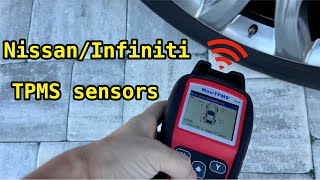
- Nissan CONSULT-III / CONSULT-III plus: ID READ AND REGIST (under Work Support for TPMS) 🎬 Watch: Step-by-step Nissan and Infiniti TPMS sensor programming — This function is required after installing a new TPMS sensor to write the new sensor's unique ID to the Body Control Module (BCM). Failure to perform this step will result in a persistent C1717 code even with a new, functioning sensor.
Wiring & Ground Locations
- Body Control Module (BCM) — Located behind the combination meter (instrument cluster) in the dashboard. Removal of the instrument cluster is required for access.. The BCM contains the integrated TPMS receiver. In the rare event of a suspected wiring or module issue (after confirming sensors are good and properly registered), all diagnostic tests of the TPMS receiver circuit would be performed at the BCM's wiring harness connectors.
OEM Part Supersession History
40700-3JA0A→40700-3JA0B— Standard part revision and update by the manufacturer.TPMS Sensor Retaining Nut→40780-JA01B— This nut is required for installation but is sold as a separate part from the sensor itself. It is often overlooked during ordering.
Heads up: The sensor (40700-3JA0B) often does not include this nut, and the old one may be corroded or damaged during removal. It is critical to order this part separately to complete the installation.
Model Year Variations Within This Range
- 2017-2020: Later models in the R52 generation may feature the 'Easy-Fill Tire Alert' system, which honks the horn when the correct tire pressure is reached during inflation. This feature uses the same TPMS sensors but provides additional user feedback. The diagnostic process for a C1717 fault remains the same.
Diagnostic Flowchart
Other Known Issues on This Vehicle
Issues unrelated to this code that are worth knowing about as an owner of this generation:
- CVT Judder / Shudder and Premature Failure 🔴 High — Very common across the entire 2013-2020 range, but especially prevalent in 2013-2016 models. Can occur at any mileage, but often reported between 60,000 and 120,000 miles. (Ref: NTB15-015f (addresses judder with DTCs P17F0/P17F1), NTB15-014 (reprogramming logic).)
- Cracked Radiator Causing Coolant/Transmission Fluid Mix (SMOD) 🔴 High — This was a catastrophic and widespread issue primarily affecting the previous generation (2005-2010). While the R52 (2013+) design was changed to prevent this specific failure, early 2013 models had a recall for a faulty CVT cooler hose clamp that could lead to transmission fluid loss. (Ref: NHTSA Campaign ID: 14V138000 (Recall for CVT cooler hose on 2013 models).)
- Faulty Fuel Sending Unit 🟠 Medium — Common issue where the fuel gauge becomes inaccurate or reads empty, even with a full tank. This is due to the failure of the level sensor inside the fuel tank.
- Failing Oxygen (O2) Sensor Heater Circuit 🟡 Low — The heater circuit within the O2 sensors is a common failure point, which will trigger a check engine light. The sensor itself may still read correctly once warmed up, but the fault code will remain.
- Brake Light Switch Failure 🟠 Medium — A faulty brake light switch could cause brake lights to stay on or prevent the vehicle from being shifted out of Park. This was subject to a recall. (Ref: NHTSA Campaign ID: 16V380000)
Used vs. New Parts: Buying Guide for This Vehicle
When a used part is the smart pick: Never. A used TPMS sensor is not a smart choice for this repair.
What to inspect on the donor part:
- The primary failure mode for a TPMS sensor is the expiration of its internal, non-replaceable battery, which has a finite lifespan of 5-10 years.
- A used sensor from a salvage vehicle has an unknown amount of remaining battery life and could fail shortly after installation, requiring you to pay for labor a second time.
- The cost of a new, reliable aftermarket sensor is low enough that the risk associated with a used part is not justified.
Aftermarket brands forum-validated for this vehicle:
- Schrader (often the original equipment manufacturer)
- Continental/VDO
- Denso
- Huf IntelliSens
Brands owners have reported issues with on this vehicle:
- Unnamed, no-brand sensors from online marketplaces should be avoided, as they may have issues with battery life, accuracy, or compatibility with Nissan's relearn procedure.
Real Owner Stories
Aggregated from forums and TSBs cited above. Mileages and costs reflect what owners reported in those sources.
2013 Nissan Pathfinder
Symptoms: The TPMS error was related to the Body Control Module and required a scan tool to read the codes correctly.
What fixed it: Diagnosed as a TPMS error using a scan tool to identify the specific fault within the BCM system.
Source hint: YouTube - BestCarFixes video specific to a 2013 Pathfinder
2022 Nissan Pathfinder
Symptoms: A shop confirmed the sensors were working but needed a system reset, which then failed again.
What fixed it: The owner highlighted the intermittent nature of failing sensors and registration issues where a simple reset was insufficient.
Source hint: r/nissanpathfinder on Reddit thread titled 'TPMS sensor issue'
2013 Infiniti EX
Symptoms: Single failed sensor due to a dead battery.
What fixed it: Replacement of the faulty TPMS sensor at a dealership.
Cost: $265-$265
Source hint: NissanForums.com thread titled 'TPMS Sensor went bad'
Related OBD-II Codes
Frequently Asked Questions
Can I use aftermarket tire sealant if I have a leak in my 2013-2020 Pathfinder?
Why is my TPMS light still on after I replaced the sensor myself on my Pathfinder?
Is there a specific way the tire shop should handle my wheels to avoid breaking the sensor?
My 2013 Pathfinder has a TPMS light and a transmission issue; are they related?
What part number should I look for if I need a new sensor for my 2017 Pathfinder?
Does the TPMS light flashing for a minute mean my tires are just low on air?
Helpful Videos


We Have This Part in Stock


The information in this article is provided for general reference and educational purposes only. Vehicle specifications, procedures, and part compatibility can vary by production date, trim level, and region. Always consult your vehicle's factory service manual and verify part numbers before purchasing or performing repairs. Safety-critical components such as airbags, seat belts, and braking systems should be installed by a qualified professional.
- Nissan Pathfinder:
- 🧭 Diagnostic Flowchart
- 🎬 Helpful Videos
- 🛍️ Shop This Part
- What's Unique About the 2013-2020 Nissan Pathfinder
- Symptoms You May Notice
- Most Likely Causes
- Rare But Worth Checking
- Diagnosis Steps
- Parts You'll Likely Need
- Related Codes That Often Appear With This One
- Technical Service Bulletins (TSBs) & Recalls
- Platform-Specific Known Issues
- Scan Tool Commands That Help
- Wiring & Ground Locations
- OEM Part Supersession History
- Model Year Variations Within This Range
- Other Known Issues on This Vehicle
- Used vs. New Parts: Buying Guide for This Vehicle
- Real Owner Stories
- 2013 Nissan Pathfinder
- 2022 Nissan Pathfinder
- 2013 Infiniti EX
- Related OBD-II Codes
- Frequently Asked Questions
- 🎟️ Get 5% Off