

C1731 on 2017-2020 Infiniti Q60: Front Right Flat Tire Causes and Fixes
Code C1731 on an Infiniti Q60 means the front right tire is critically low on pressure (likely flat) or its sensor has failed. The most common fix is repairing and inflating the tire. If the tire is fine, the front right TPMS sensor needs to be replaced, costing between $75 and $200. While a DIY sensor swap is possible for advanced users, programming the new sensor requires a special tool.
- C1731 is a critical safety warning
What's Unique About the 2017-2020 Infiniti Q60
While nearly all modern cars have a TPMS, Infiniti and Nissan vehicles use the C1730-C1733 code series to pinpoint the exact wheel that is reporting a flat or near-flat condition, rather than just a generic system fault. Code C1731 specifically identifies the front right wheel, allowing for immediate and targeted diagnosis without needing to guess which tire is the problem. The Q60 is built on the Nissan FM platform, shared directly with the Infiniti Q50 sedan, which experiences identical TPMS behavior and codes.
🎬 Watch: Overview of the Q60 tire pressure monitoring systemDiagnostic Flowchart
Tap your situation to follow the diagnostic path that matches what you're seeing on this vehicle.
Symptoms You May Notice
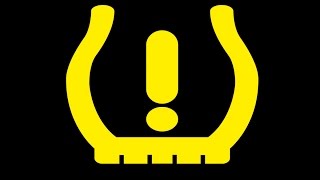
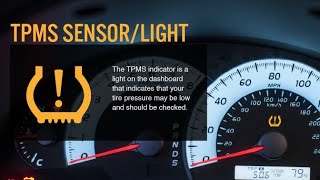
- Solid (non-flashing) TPMS warning light on the dashboard
- Message on the vehicle information display indicating low tire pressure
- Visibly flat or very low front right tire
- Vehicle pulling to the right while driving
- Poor handling or a 'spongy' feeling from the front of the car
- Audible chime or alert when the warning first appears
- Replacing the TPMS control module when the issue is just a dead sensor battery.
- Replacing the wrong TPMS sensor (e.g., the front left instead of the front right).
- Assuming the sensor is bad when the tire is simply flat.
- Confusing the C1731 TPMS code with a C1731 suspension code from another vehicle brand during online research.
Most Likely Causes
- Critically Low Tire Pressure in Front Right Tire 🔴 High Probability This is the direct trigger for the code, most often caused by a puncture from road debris (nail, screw, etc.) or a leaking valve stem. Some owners have noted the original equipment run-flat tires can be prone to premature wear, increasing the likelihood of pressure loss events. Hitting a pothole can also cause sudden air loss or damage to the tire or rim.
How to confirm: Use a reliable tire pressure gauge to check the pressure in the front right tire. A reading of 10 PSI or less confirms the condition. Visually inspect the tire for punctures.
Typical fix: Locate the source of the leak. If it's a simple puncture in the tread, it can often be repaired with a tire plug kit or a patch. Re-inflate the tire to the pressure specified on the driver's door jamb sticker.
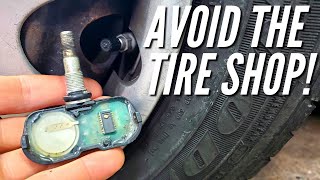
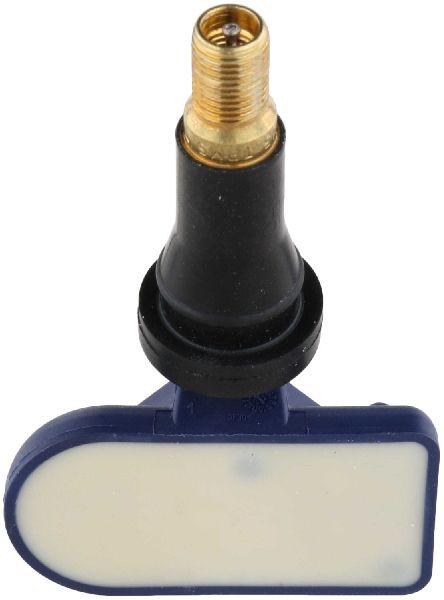
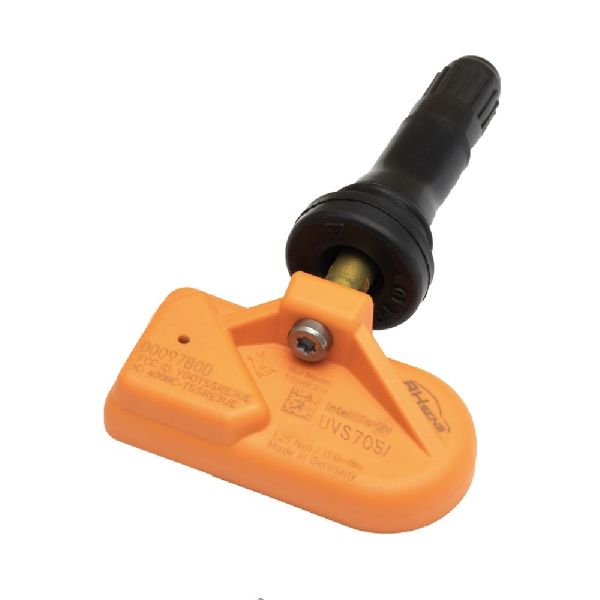
Est. part cost: $10-$30 for a DIY plug kit or professional patch. - Failed Front Right TPMS Sensor 🟡 Medium Probability → Shop Tire Pressure Monitoring System (TPMS) Sensor The batteries inside TPMS sensors have a finite lifespan, typically 5-10 years. Physical damage during tire changes or from impacts can also cause failure.
How to confirm: If the tire pressure is correct but the code C1731 and warning light persist, a professional TPMS diagnostic tool is needed. The tool can attempt to read the sensor's ID, battery status, and pressure reading. If the tool cannot get a signal from the front right sensor, it has failed.
Typical fix: Replace the front right TPMS sensor. The new sensor's ID must then be registered to the vehicle's BCM using a TPMS programming tool. Advanced DIYers can perform the physical swap without a tire machine by carefully breaking the tire bead.
Est. part cost: $40-$150 - Faulty TPMS Control Module/Receiver ⚪ Low Probability While not common, the central receiver that collects signals from all four tire sensors can fail, preventing it from receiving data from the front right sensor. On Infiniti vehicles, this function is integrated into the Body Control Module (BCM).
How to confirm: This is a diagnosis of exclusion. If a new, known-good TPMS sensor is installed and programmed but the code still cannot be cleared, and the scan tool fails to register the new ID after multiple attempts, the BCM itself is suspect. This requires advanced diagnostics.
Typical fix: Replace the TPMS control module, which on many Infiniti models is located behind the glove box or passenger side kick panel.
Est. part cost: $50-$200 for a used or new module.
Diagnosis Steps
- Immediately and safely pull over. Visually inspect the front right tire for obvious signs of being flat.
- Use a quality tire pressure gauge to measure the air pressure in the front right tire.
- If pressure is low, inflate the tire to the specification listed on the driver's door jamb sticker. Listen for audible leaks.
- If the tire was low, find and repair the leak. A soapy water solution can help find small punctures.
- After inflating, drive the vehicle for 10-15 minutes at speeds above 25 MPH to allow the system to reset automatically. If the light goes out, the problem is solved.
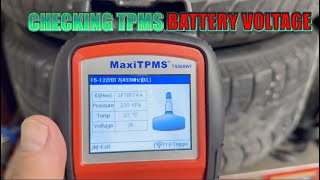
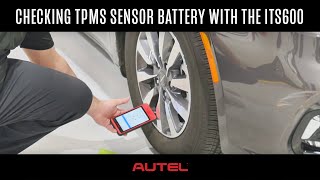
- If the tire pressure is normal but the C1731 code returns, use a TPMS diagnostic tool to test the front right sensor's signal and battery level. A low battery icon or voltage reading on the tool indicates a failing sensor.
- If the sensor is dead or has a low battery, replace the front right TPMS sensor.
- For advanced DIYers, sensor replacement can be done by deflating the tire and using the vehicle's weight or a jack to break the tire bead for access.
- After replacement, use a TPMS tool to perform the sensor ID registration (relearn) procedure with the vehicle's computer. This step is crucial for the new sensor to be recognized.
- If a new sensor cannot be registered, inspect the wiring and connectors for the main TPMS control module (BCM) before condemning the module itself. Check for a blown OBD-II fuse, which can prevent scan tool communication.
Parts You'll Likely Need
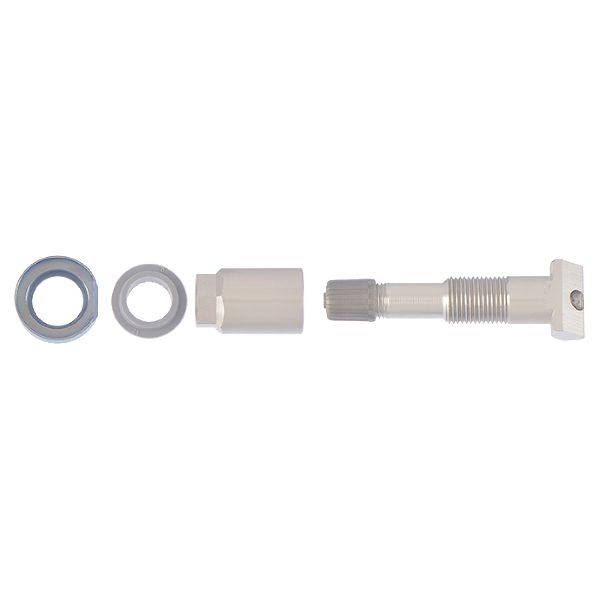
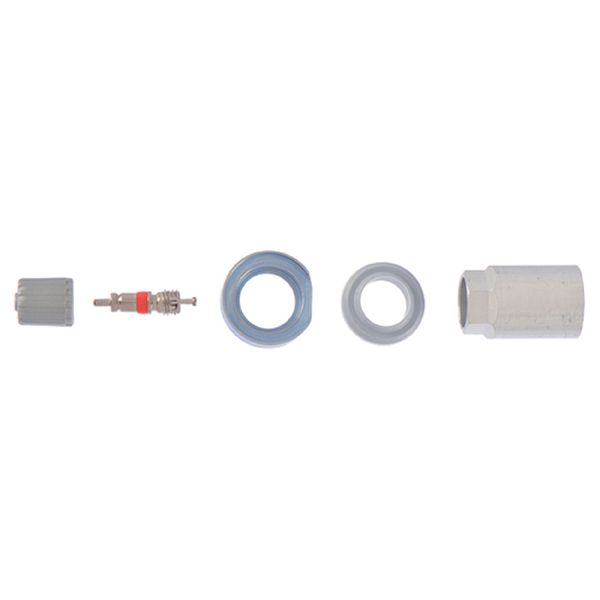
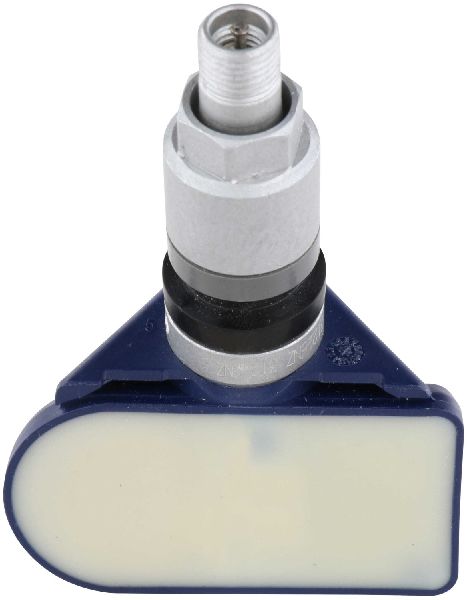
- Tire Pressure Monitoring System (TPMS) Sensor
(OEM #40700-6WY0B (supersedes 40700-6WY0C))— This is the most common part to fail when the tire itself is holding air but the code persists, usually due to an exhausted internal battery. The part number 40700-6WY0B replaces the older 40700-6WY0C.
Trusted brands: Hitachi, Continental, Denso, Autel, Huf
OEM price range: $90-$150
Aftermarket price range: $40-$80 - Tire Repair Kit — If the cause is a simple puncture, a plug kit is the cheapest and fastest way to fix the leak.
Trusted brands: Slime, Safety Seal
Aftermarket price range: $10-$30
Related Codes That Often Appear With This One
- C1705 — C1705 is another Infiniti/Nissan code for a data or reception error from the front right wheel sensor. They can sometimes appear together if the sensor is failing intermittently or has a dead battery.
Technical Service Bulletins (TSBs) & Recalls
- ITB20-003: Notes that the TPMS warning lamp may be ON (not flashing) with DTC C1731 stored, among others, confirming it as an official code for this condition.
Platform-Specific Known Issues
- Some owners on forums report that the original equipment run-flat tires wear out quickly, which can contribute to a higher likelihood of tire pressure issues.
Mechanic-Grade Diagnostic Values
- TPMS Sensor Battery Status — expected: A TPMS diagnostic tool should show 'OK' or a normal voltage reading.. Failure: The scan tool will display a 'Low Battery' icon or status for the specific sensor, even if it's still transmitting. This indicates a pending failure.
Scan Tool Commands That Help
- Infiniti CONSULT / compatible aftermarket tool (e.g., ATEQ, Autel): Transmitter ID Registration (or 'ID registration mode') — This function is required after replacing a TPMS sensor. It deletes the old sensor ID from the BCM and allows the new one to be written, which is necessary to clear the C1731 code if the sensor was the fault.
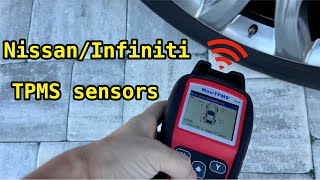
- Infiniti CONSULT / compatible aftermarket tool (e.g., ATEQ, Autel): Work Support: 'ID Read' — Used to activate and read the unique ID, pressure, temperature, and battery status from each sensor individually. This is the primary step to confirm if the front right sensor is transmitting correctly before attempting to condemn it.
Wiring & Ground Locations
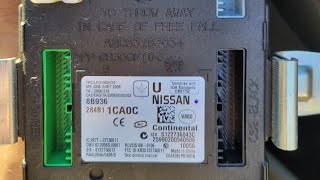
- BCM (Body Control Module) — On many modern Infiniti models, including the Q60 platform, the BCM which integrates the TPMS receiver is located on the passenger side, behind the glove box or behind the passenger side kick panel.. The BCM receives the signal from the front right TPMS sensor. In the rare event of a module failure, or a wiring/connector issue at the BCM, the vehicle will not receive the signal, potentially causing a persistent C1731 even with a good sensor.
- Ground Points E22 / E43 — These are major chassis ground points located in the engine compartment, on the right and left sides respectively.. While not directly tied to the TPMS sensor itself, a poor ground connection for the BCM or related systems can cause a wide range of unpredictable electronic issues, including communication errors with various sensors. Verifying major grounds is a step in advanced diagnostics when direct causes are not found.
- TPMS Test Connector — On some older Nissan/Infiniti models, a single-wire white connector can be found taped to the OBD-II port wiring harness under the driver's dash.. While less common on 2017+ models which primarily rely on scan tools, this connector was used on previous generations to manually put the TPMS system into a diagnostic or relearn mode by grounding the wire. Its presence on a Q60 is unlikely, but it's a known element in the brand's history for TPMS service.
Real Owner Repair Stories
- Reddit user in r/mechanicadvice (Not specified, but common issue across makes) — Immediately after getting new tires installed, the TPMS light came on for one wheel.
❌ Tried (didn't work) Returning to the shop, where they scanned the sensor and claimed it had failed and needed to be replaced at the customer's expense.
✅ What actually fixed it The customer insisted on a physical inspection. The shop discovered the TPMS sensor was completely missing from the wheel, having been forgotten or broken off during the tire change. The shop then replaced the sensor free of charge.
OEM Part Supersession History
40700-6WY0C→40700-6WY0B— Standard part number update/revision.40700-4GA0A→40700-4GA0B— Part revision for earlier models, but sometimes cross-referenced.
Heads up: This part is for earlier Infiniti models and may not be compatible with the 2017-2020 Q60. Using the wrong sensor can lead to programming failures. Always verify the part number against the vehicle's VIN.Multiple (e.g., 40700-6WY0A, 40700-EZ00A)→40700-6WY0B— Part consolidation and revision.
Heads up: Part numbers 40700-6WY0A, 40700-6WY0B, 40700-6WY0C, and 40700-EZ00A are often listed as interchangeable or part of the same family for Nissan/Infiniti vehicles using 433MHz sensors.
Helpful Videos


We Have This Part in Stock


The information in this article is provided for general reference and educational purposes only. Vehicle specifications, procedures, and part compatibility can vary by production date, trim level, and region. Always consult your vehicle's factory service manual and verify part numbers before purchasing or performing repairs. Safety-critical components such as airbags, seat belts, and braking systems should be installed by a qualified professional.
- Infiniti Q60:
- 🧭 Diagnostic Flowchart
- 🎬 Helpful Videos
- 🛍️ Shop This Part
- What's Unique About the 2017-2020 Infiniti Q60
- Symptoms You May Notice
- Most Likely Causes
- Diagnosis Steps
- Parts You'll Likely Need
- Related Codes That Often Appear With This One
- Technical Service Bulletins (TSBs) & Recalls
- Platform-Specific Known Issues
- Mechanic-Grade Diagnostic Values
- Scan Tool Commands That Help
- Wiring & Ground Locations
- Real Owner Repair Stories
- OEM Part Supersession History
- 🎟️ Get 5% Off