

C1733 Infiniti Q60 Trouble Code: TPMS Fault Causes and Fixes (2017-2020)
The C1733 code on a 2017-2020 Infiniti Q60 indicates a problem with the Tire Pressure Monitoring System (TPMS), almost always pointing to a faulty or dead sensor in the rear left tire. The fix is to replace the sensor and have it programmed to the vehicle.
- C1733 means the TPMS sensor in your rear left tire has likely failed.
- The primary symptom is a solid, non-flashing TPMS warning light, as noted in TSB ITB20-003.
- Fixing it requires replacing the sensor and using a specialized tool to register the new sensor's ID with the car's computer.
- You can drive with the code, but you won't be alerted to low pressure in that tire.
What's Unique About the 2017-2020 Infiniti Q60
For the 2017-2020 Infiniti Q60, this code is specifically mentioned in Technical Service Bulletin ITB20-003. The bulletin notes that C1733, along with several other TPMS codes, will cause the TPMS warning lamp to be solidly illuminated, not flashing. A flashing light for approximately one minute typically indicates a system malfunction, but on these vehicles, a solid light for this code points directly to a sensor communication issue rather than just low tire pressure.
Diagnostic Flowchart
Tap your situation to follow the diagnostic path that matches what you're seeing on this vehicle.
Symptoms You May Notice
- Solid (non-flashing) TPMS warning light on the instrument cluster.
- Inability to see the tire pressure reading for the rear left tire in the vehicle's information display (if equipped).
- The TPMS light may initially flash intermittently when the sensor battery is beginning to fail, especially during certain driving conditions like going over bridges, before becoming a solid light once the sensor fails completely.
- Replacing the TPMS control module (BCM) when the issue is a single, inexpensive sensor.
- Assuming the TPMS light means low tire pressure without checking for codes. A solid light can mean either low pressure or a sensor fault on this platform, which requires a code reader to differentiate.
Most Likely Causes
- Faulty Rear Left TPMS Sensor 🔴 High Probability → Shop Tire Pressure Monitoring System (TPMS) Sensor TPMS sensors have a finite lifespan, typically 5-10 years, as they are powered by a non-serviceable internal battery. Vehicles in the 2017-2020 year range are now at an age where original sensor batteries are beginning to fail, leading to a loss of signal.
How to confirm: Use a TPMS activation tool to attempt to read the sensor ID, pressure, and temperature from the rear left wheel. If the tool cannot get a reading from the sensor, but reads the other three sensors successfully, the sensor has failed.
Typical fix: Replace the rear left TPMS sensor. The new sensor must be registered to the vehicle's TPMS module using a compatible scan tool.
Est. part cost: $40-$120 - Improper Sensor Registration 🟡 Medium Probability This often occurs after new tires are installed or when swapping between summer and winter wheel sets. The BCM is looking for a specific sensor ID in a position where it is no longer located. An owner may see pressure readings for a short time before the system flags an error.
How to confirm: Attempt to perform the TPMS relearn procedure using a TPMS scan tool. If the code clears and does not return, this was the issue. Driving the vehicle for 10-15 minutes above 25 MPH is sometimes required to complete the reset after programming. 🎬 Watch: How to reset your Infiniti tire pressure sensors
Typical fix: Perform the TPMS sensor registration/relearn procedure with a specialized tool.
Est. part cost: $0 (if you have the tool) or $50-$100 for a shop to perform.
Rare But Worth Checking
- TPMS Control Module (BCM) Fault: This is very rare. Before replacing the BCM, all sensors and wiring should be thoroughly checked. A module failure would typically set other codes, cause all sensors to stop reporting simultaneously, or prevent the relearn procedure from completing.
- Radio Frequency (RF) Interference: Strong RF signals from aftermarket electronic devices (like dash cams or phone chargers) can sometimes interfere with the 315MHz signals from the TPMS sensors. This is mentioned in Infiniti service literature (TSB ITB13-039) as a possibility for 'No Data' codes.
Diagnosis Steps
- Verify the tire pressures manually with a quality pressure gauge to rule out an actual low-pressure condition.
- Use an OBD-II scanner capable of reading chassis ('C') codes to confirm C1733 is present.
- Use a TPMS activation tool at the rear left wheel to attempt to wake the sensor and read its data (ID, pressure, temperature, battery status).
- If the tool fails to get a response from the rear left sensor, but reads the other three sensors successfully, the rear left sensor is faulty and needs replacement.
- If the tool reads all four sensors, the issue may be with the registration. This is common after a tire rotation or wheel swap. Attempt the TPMS relearn procedure with the scan tool.
- If the code persists after a successful relearn, the fault is likely intermittent and points back to a failing sensor with a weak battery.
- If all sensors read correctly and the relearn procedure fails to complete, investigate the TPMS receiver/BCM circuit, though this is an unlikely failure.
Parts You'll Likely Need
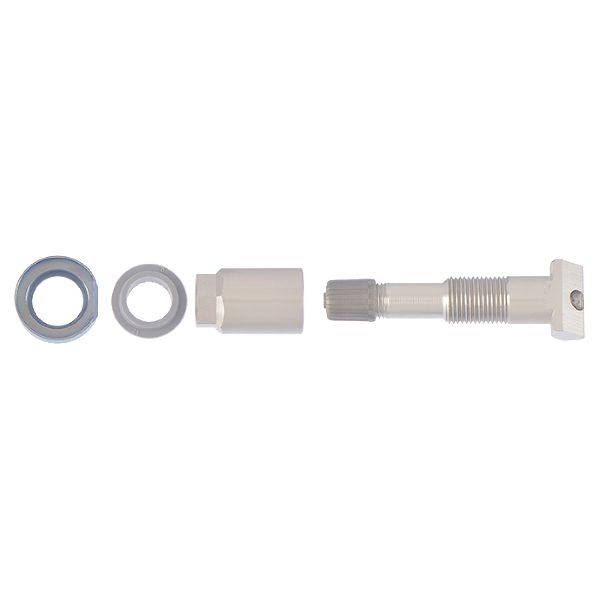
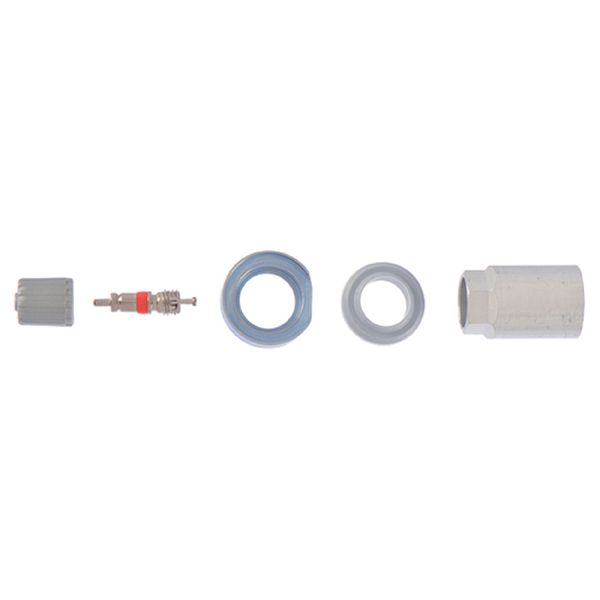
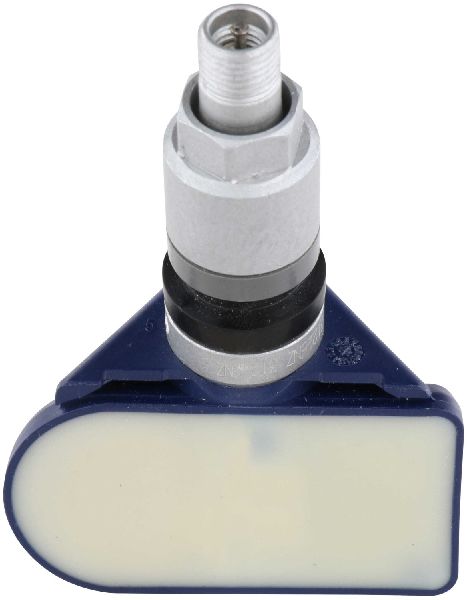
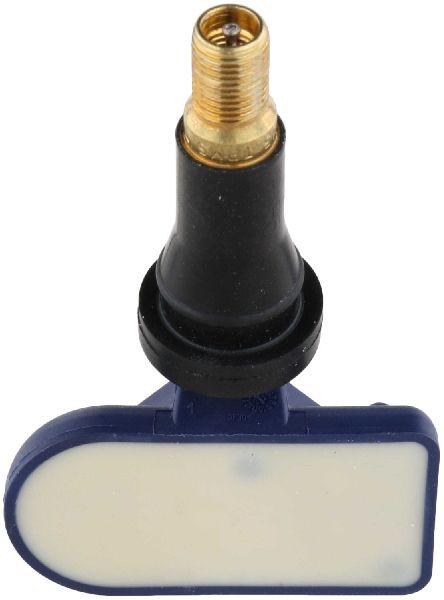
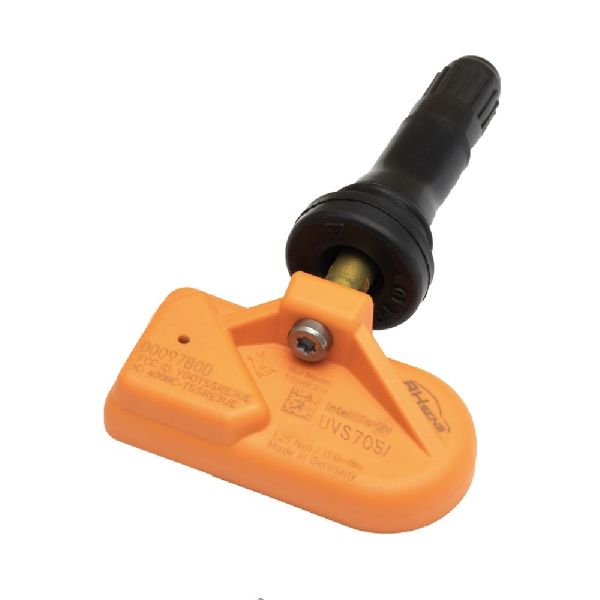
- Tire Pressure Monitoring System (TPMS) Sensor
(OEM #40700-6WY0B)— This is the transmitter inside the tire that fails, most commonly due to its internal battery dying after 5-10 years. C1733 specifically points to the sensor in the rear left wheel. This part number supersedes 40700-6WY0C.
Trusted brands: Infiniti (OEM, often made by Schrader or Continental), Hitachi, Schrader, Continental/VDO, Denso
OEM price range: $90-$150
Aftermarket price range: $40-$80
Related Codes That Often Appear With This One
- C1730, C1731, C1732 — These codes are part of the same family and correspond to the other wheel positions (Front Left, Front Right, Rear Right). They are all cited in TSB ITB20-003 for the same fault condition.
- C1708, C1709, C1710, C1711 — These are older Infiniti codes for 'No Data' from a transmitter, often caused by RF interference. While less specific, they point to the same type of communication problem.
Technical Service Bulletins (TSBs) & Recalls
- ITB20-003: States that the TPMS warning lamp may be ON (not flashing) with DTCs C1730, C1731, C1732, or C1733 stored.
- ITB13-039: Explains the difference between a solid and flashing TPMS light on Infiniti vehicles and notes RF interference as a possible cause for 'No Data' codes.
Platform-Specific Known Issues
- Per TSB ITB20-003, a solid TPMS light with DTC C1733 stored indicates a sensor fault, which might be confusing as a solid light also indicates low pressure. A scan tool is required to differentiate the cause.
Mechanic-Grade Diagnostic Values
- TPMS Sensor Battery Status — expected: OK / Good. Failure: A 'Low' or 'N/A' reading when queried with a capable TPMS tool indicates the sensor has failed or is about to fail.
Scan Tool Commands That Help
- Infiniti CONSULT-III / CONSULT-III Plus: Work Support > ID REGIST — This function is required after replacing a TPMS sensor to write the new sensor's unique ID to the Body Control Module (BCM).
- Aftermarket TPMS Tool (e.g., Autel, Snap-on): OBD Relearn / ID Registration — Used to write the new sensor IDs to the BCM via the OBD-II port after activating or cloning the new sensors. 🎬 Watch: How to program an aftermarket TPMS sensor This is the standard procedure for non-dealer shops.
Wiring & Ground Locations
- Body Control Module (BCM) — Located behind the passenger side kick panel.. The BCM is the control unit for the TPMS. It receives signals from the tire sensors and communicates with the instrument cluster. A fault in the BCM or its wiring/ground could theoretically cause TPMS codes, although it is a rare cause for a single-wheel code like C1733.
- Ground Point B202 — Located behind the right kick panel, near the BCM.. This is a primary ground point for components in the passenger side footwell area. A poor connection at this ground could potentially cause communication issues for the BCM, which controls the TPMS.
Real Owner Repair Stories
- MyG37 Forum user 'Botlerocketwar' (2009 G37x (related platform)) — TPMS light started blinking and then went solid.
❌ Tried (didn't work) Initial diagnosis was met with skepticism that 3 out of 4 sensors could fail at once.
✅ What actually fixed it A tire shop (America's Tire) confirmed the diagnosis that the sensors were dead due to age. The fix was to replace the failed sensors with OEM-spec aftermarket units and perform the relearn procedure, which resolved the light. The user noted that since the sensors were all installed at the same time from the same batch, it's not unreasonable for them to fail around the same time.
OEM Part Supersession History
40700-3JA0A→40700-3JA0B— Standard part revision/update.
Heads up: The 40700-3JA0x series is generally compatible with many 2014+ Infiniti models, including the Q60.40700-6WY0C→40700-6WY0B— Standard part revision/update.
Heads up: Pass 2 identified this supersession. Further research confirms 40700-6WY0B is a valid part number for the Q60.
Helpful Videos
We Have This Part in Stock


The information in this article is provided for general reference and educational purposes only. Vehicle specifications, procedures, and part compatibility can vary by production date, trim level, and region. Always consult your vehicle's factory service manual and verify part numbers before purchasing or performing repairs. Safety-critical components such as airbags, seat belts, and braking systems should be installed by a qualified professional.
- Infiniti Q60:
- 🧭 Diagnostic Flowchart
- 🎬 Helpful Videos
- 🛍️ Shop This Part
- What's Unique About the 2017-2020 Infiniti Q60
- Symptoms You May Notice
- Most Likely Causes
- Rare But Worth Checking
- Diagnosis Steps
- Parts You'll Likely Need
- Related Codes That Often Appear With This One
- Technical Service Bulletins (TSBs) & Recalls
- Platform-Specific Known Issues
- Mechanic-Grade Diagnostic Values
- Scan Tool Commands That Help
- Wiring & Ground Locations
- Real Owner Repair Stories
- OEM Part Supersession History
- 🎟️ Get 5% Off