

P0011 on 2018-2025 Jeep Wrangler: Causes and Fixes for Over-Advanced Camshaft Timing
For a 2018-2025 Jeep Wrangler, code P0011 is most often caused by low, dirty, or incorrect viscosity engine oil. An oil and filter change is the first and most crucial step. If that doesn't work, the next likely culprit is a faulty Bank 1 intake VVT solenoid (oil control valve), which costs about $30-$70 for a replacement part. On the 3.6L V6, this code can also be a symptom of the well-known rocker arm and camshaft failure.
- Always check your engine oil first. Low, dirty, or incorrect oil is the #1 cause of P0011.
- If the oil is good, the Bank 1 intake VVT solenoid is the next most likely culprit and is a relatively inexpensive and accessible part to replace.
- Do not immediately assume a major engine problem. Follow a logical diagnostic path: Oil -> Solenoid -> Wiring -> Mechanical (Phaser/Timing Chain).
- On the 3.6L Pentastar engine, listen carefully for any ticking or rattling noises, as this could point to a more serious cam phaser or valvetrain issue that requires professional attention.
What's Unique About the 2018-2025 Jeep WRANGLER
The 2018-2025 Jeep Wrangler (JL generation) uses either the proven 3.6L Pentastar V6 or the newer 2.0L Turbo I4. Both engines have sophisticated VVT systems that are highly sensitive to oil quality and pressure. While the P0011 code is common across many manufacturers, on the Pentastar engine, it can be an early warning for more significant valvetrain issues. The bearings on the rocker arms can fail, causing the rocker to damage the camshaft lobes (a 'wiped cam'). This creates metal debris that contaminates the oil, clogs VVT solenoids and oil passages, and leads to timing codes like P0011. Therefore, it's crucial to address this code promptly, starting with the basics like oil, as it could be a symptom of a much larger pending repair.
Diagnostic Flowchart
Tap your situation to follow the diagnostic path that matches what you're seeing on this vehicle.
Symptoms You May Notice
- Check Engine Light is on
- Rough or uneven idle
- Engine stalling, especially at low speeds
- Sluggish acceleration or hesitation
- Reduced fuel economy
- Rattling or ticking noise from the engine on startup or during operation, which can indicate rocker arm/camshaft wear.
- Vehicle enters 'limp mode', limiting engine power and RPM.
- Replacing the camshaft position sensor when the issue is a faulty VVT solenoid or low/dirty oil.
- Replacing the cam phaser before verifying the VVT solenoid is functioning correctly and the engine has clean oil of the proper viscosity.
- Assuming the P0011 code is an isolated solenoid issue on a 3.6L Pentastar without listening for the characteristic 'Pentastar tick' that would indicate a more serious rocker arm/camshaft failure.
Most Likely Causes
- Low, Dirty, or Incorrect Viscosity Engine Oil 🔴 High Probability The VVT system is entirely dependent on oil pressure to actuate the cam phasers. If the oil is low, contaminated with fuel or metal debris, or the wrong weight (e.g., not 5W-20 for the 3.6L or 5W-30 for the 2.0L as specified), the system cannot operate correctly.
How to confirm: Check the oil level on the dipstick and examine its color and consistency. Verify the oil viscosity used during the last oil change. A strong fuel smell in the oil can indicate other issues.
Typical fix: Perform an oil and filter change using a high-quality filter and the manufacturer-specified oil viscosity. Clear the codes and drive to see if the issue returns.
Est. part cost: $40-$80 - Faulty VVT Solenoid (Oil Control Valve) 🟡 Medium Probability The solenoid can get clogged with sludge or metal debris from engine wear, or it can fail electrically. This prevents it from properly directing oil flow to the cam phaser, causing it to get stuck.
How to confirm: After verifying oil is correct, this is the next logical step. A mechanic can command the solenoid with a scan tool. A common DIY method is to swap the Bank 1 and Bank 2 intake solenoids; if the code changes to P0021 (for Bank 2), the solenoid is confirmed faulty.
Typical fix: Replace the Bank 1 intake VVT solenoid. The solenoids are located on the front of the valve covers.
Est. part cost: $30-$70 - Failing Camshaft Phaser ⚪ Low Probability → Shop Engine Camshaft The 3.6L Pentastar engine has known instances of cam phaser failure, which can cause ticking or rattling noises and timing codes. The phaser's internal locking pin can fail, or it can get stuck in the advanced position due to internal wear or debris from a larger engine issue.
How to confirm: This is typically diagnosed after ruling out oil and solenoid issues. A distinct rattling or knocking noise from the top of the engine is a strong indicator. Professional diagnosis is often required, as replacement is a labor-intensive job.
Typical fix: Replace the Bank 1 intake camshaft phaser. This is an involved repair that also requires replacing the timing cover gasket and other related seals.
Est. part cost: $100-$250
Rare But Worth Checking
- Stretched Timing Chain: → Shop Engine Timing Chain While not common on lower-mileage vehicles, a stretched timing chain can throw off the correlation between the crankshaft and camshaft, triggering P0011. This is usually accompanied by a rattling noise on cold starts.
- Faulty Camshaft Position Sensor: → Shop Engine Camshaft Position Sensor It's possible for the sensor itself to fail and send incorrect data, but this is less common than oil-related or mechanical issues. Often, people replace this sensor when the actual problem is the solenoid or phaser.
- PCM Software Issue: On some newer vehicles, manufacturers release software updates for the PCM to adjust the sensitivity of the fault logic. The provided TSB #18-044-26 for a 2018 model suggests a potential software component to this issue.
- Faulty Dual-Stage Oil Pump: → Shop Engine Oil Pump The 3.6L Pentastar uses a dual-stage oil pump that switches between low and high pressure modes. If the solenoid controlling the pump gets stuck, it can result in improper oil pressure for the VVT system, potentially triggering codes like P06DD alongside timing codes.
Diagnosis Steps
- Check the engine oil level and condition. If it is low, dirty, or the wrong type, perform an oil and filter change with the correct spec oil (e.g., full synthetic 5W-20 for 3.6L), clear the code, and test drive.
- Scan for any other DTCs. Codes like P0010 can point to an electrical fault, while codes like P06DD point to an oil pressure supply issue.
- Listen carefully for a ticking or rattling sound from the top of the engine, especially on the passenger side (Bank 1). This is a key indicator of the common rocker arm/camshaft failure on the 3.6L Pentastar.
- Inspect the wiring and connector for the Bank 1 intake VVT solenoid for any damage or corrosion. The solenoids are located on the front of the engine on each valve cover.
- If you have a capable scan tool (like JScan or AlfaOBD for Jeeps), monitor the desired vs. actual camshaft position for Bank 1. Command the solenoid on and off to check for a response.
- A practical DIY test is to swap the Bank 1 intake VVT solenoid with the Bank 2 intake VVT solenoid. They are identical parts. Clear the codes and drive the vehicle. If the code returns as P0021 (the code for Bank 2), the solenoid you moved is faulty.
- If the code P0011 returns after the swap, the problem is not the solenoid. The issue is likely mechanical (sticking cam phaser), a blockage in an oil galley, or a deeper engine problem like a failing camshaft.
- When replacing a VVT solenoid, the three T25 Torx bolts should be torqued to 35 in-lbs.
Parts You'll Likely Need
- VVT Solenoid / Oil Control Valve (Bank 1 Intake)
(OEM #Mopar 5184101AG (for 3.6L Pentastar), Mopar 68299453AA (for 2.0L Turbo))— This is the most common part to fail after oil issues are ruled out. It gets clogged or fails electrically, causing incorrect oil flow to the phaser.
Trusted brands: Mopar, Dorman, Standard Motor Products (SMP)
OEM price range: $50-$90
Aftermarket price range: $30-$70 - Camshaft Phaser (Bank 1 Intake)
(OEM #Mopar 5184100AG (for 3.6L Pentastar))— If the solenoid and oil are good, the phaser itself may be stuck or worn. This is a known issue on the 3.6L Pentastar engine family, often replaced during a full timing job.
Trusted brands: Mopar
OEM price range: $100-$250
Aftermarket price range: $80-$180 - Engine Oil and Filter — Incorrect or degraded oil is the leading cause of VVT system problems and should always be the first fix attempted.
Trusted brands: Pennzoil, Mobil 1, Mopar
Related Codes That Often Appear With This One
- P0010 — This code indicates an electrical circuit problem with the VVT solenoid ('A' Camshaft Position Actuator Circuit), pointing directly to a potential wiring or solenoid failure rather than a purely mechanical one.
- P0300, P0301, P0303, P0305 — Random (P0300) or specific cylinder misfire codes (P0301, etc.) on Bank 1 can occur because the incorrect cam timing disrupts the engine's combustion process, leading to incomplete combustion in the affected cylinders.
- P0021 — This is the equivalent code for Bank 2. If a technician or owner swaps the Bank 1 and Bank 2 VVT solenoids for diagnosis, seeing P0011 disappear and P0021 appear confirms the solenoid is the faulty component.
- P06DD — This code for 'Engine Oil Pressure Control Stuck Off' indicates a problem with the dual-stage oil pump. Since the VVT system is entirely dependent on oil pressure, a pump stuck in the wrong mode can cause timing codes like P0011.
Technical Service Bulletins (TSBs) & Recalls
- 18-044-26: Mentions P0011-00 as a potential code that can be stored, often along with others like P0073 and P25E4, on 2018 models and may be addressed by a PCM software update.
Platform-Specific Known Issues
- The 3.6L Pentastar V6 has a well-documented history of valvetrain issues, specifically rocker arm bearing failure which scores and destroys the camshaft lobes ('wiped cam'). Metal debris from this failure contaminates the oil system, clogging the VVT solenoids and oil passages, directly causing timing codes like P0011. A ticking noise is the primary symptom.
- A Technical Service Bulletin (TSB #18-044-26) was issued for 2018 models that includes P0011-00 among a list of codes that may be resolved with a PCM software update, indicating a potential logic sensitivity issue from the factory.
Mechanic-Grade Diagnostic Values
- VVT Solenoid (Oil Control Valve) Coil Resistance — expected: 6.9 to 7.9 Ohms at 68°F (20°C). Other sources cite a broader range of 5 to 14 Ohms.. Failure: A reading of OL (open circuit) or significantly outside the expected range indicates a faulty solenoid coil.
- VVT Solenoid Harness Voltage — expected: Battery voltage (approx. 12V) with key on, engine off.. Failure: No voltage at the connector points to a wiring or PCM driver issue, not a faulty solenoid.
- 3.6L Pentastar Fuel Pressure — expected: 51-58 PSI. Note: This requires a special T-adapter on the fuel line as there is no standard service port.. Failure: Low fuel pressure is unlikely to cause a single timing code but can be a contributing factor to overall poor engine performance.
Scan Tool Commands That Help
- AlfaOBD, JScan: VVT System Test — To command the PCM to cycle the VVT solenoids and phasers through their range of motion to check for mechanical binding or slow response, which can help isolate a failing phaser from a solenoid issue.
- AlfaOBD, JScan, or equivalent professional scanner: Monitor Cam/Crank Error or Desired vs. Actual Cam Position — To watch live data while driving. Applying a low RPM, high load (e.g., accelerating in a high gear) can reveal a high error value on a specific phaser, indicating it is struggling to respond to commands.
- Professional Scan Tool: Actuate Variable Oil Pump Solenoid — For vehicles with the dual-stage oil pump (3.6L Pentastar), this test commands the pump to its high-pressure state to verify its function. A failure here can starve the VVT system of necessary pressure, causing timing codes.
Wiring & Ground Locations
- VVT Solenoid Connector — On the front of the valve covers for the 3.6L engine, one for intake and one for exhaust on each bank.. This 2-wire connector is the primary electrical interface for the solenoid. It can be a point of failure due to corrosion or damaged wires. Pigtail replacements are available.
- Engine Ground Locations (e.g., G104, G105) — Various points on the engine block and chassis. Specific diagrams for the JL Wrangler are available on enthusiast forums.. A poor engine ground can cause erratic behavior from sensors and actuators, including the VVT solenoids and camshaft position sensors, leading to false or intermittent codes.
Real Owner Repair Stories
- YouTube user comment (Not specified, but applicable to VVT systems with P0011) — P0011 code present.
❌ Tried (didn't work) Initial diagnosis pointed towards replacing parts.
✅ What actually fixed it The owner removed the VVT solenoids, cleaned them with carburetor cleaner, performed an engine flush, and refilled with fresh oil. The code did not return after 1,000 miles of driving, indicating the issue was sludge/debris, not a failed part. - JL Wrangler Forums user (Jeep Wrangler JL 3.6L) — Engine idle issues, camshaft/crankshaft alignment codes.
❌ Tried (didn't work) Initial troubleshooting.
✅ What actually fixed it The user discovered the oil control valves (VVT solenoids) were physically jammed. They were able to manually 'pop' them open, which immediately improved engine operation, confirming a mechanical blockage in the solenoid itself rather than an electrical or phaser issue.
"I Checked Everything" — The Actual Cause
- A P0011 code that appears immediately after an oil change is a classic example of this pattern. The standard diagnostic path might lead to checking solenoids and sensors, but the actual cause is often that the incorrect oil viscosity was used. If an engine requiring 5W-20 receives a thicker oil, the VVT system cannot actuate correctly, triggering the code despite no parts being broken. The fix is to drain the incorrect fluid and refill with the manufacturer-specified oil.
When the Usual Fixes Don't Work
- While replacing the VVT solenoid is a common fix, it is not always necessary. In some documented cases, owners have resolved a P0011 code by simply removing the suspect solenoid, thoroughly cleaning it with carburetor or brake cleaner to dislodge internal debris, performing a complete engine oil flush, and refilling with the correct specification oil. This suggests that sludge buildup, rather than electrical or mechanical failure of the solenoid itself, can be the root cause.
OEM Part Supersession History
5184101AG (and earlier versions like AD, AE, AF)→5184101AH— Likely for improved reliability, material changes, or internal design updates to prevent sticking or failure.
Heads up: The newest part number (5184101AH) is the recommended replacement for all previous versions for the 3.6L Pentastar engine.
Model Year Variations Within This Range
- 2018-2025 (All JL Wranglers): The 3.6L Pentastar engine in the JL Wrangler is the 'Pentastar Upgrade' version, first introduced in other models in 2016. This version features a two-stage variable valve lift (VVL) system in addition to VVT, a higher compression ratio (11.3:1), and other internal improvements for efficiency and power compared to the original Pentastar found in 2012-2017 JK Wranglers.
Helpful Videos
![How to Fix P0011 Engine Code in 4 Minutes [2 DIY Methods / Only $6.95]](https://img.youtube.com/vi/Il4J5NOlYPg/mqdefault.jpg)
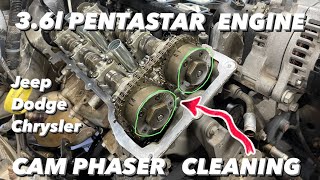
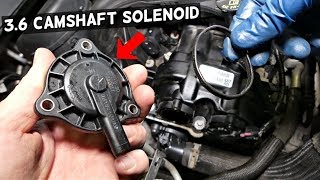
Used OEM Parts in Stock
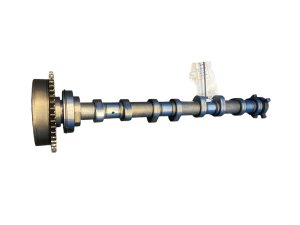
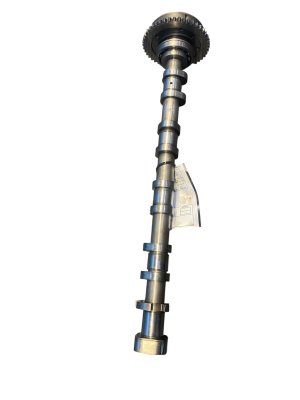
New Aftermarket Parts Available
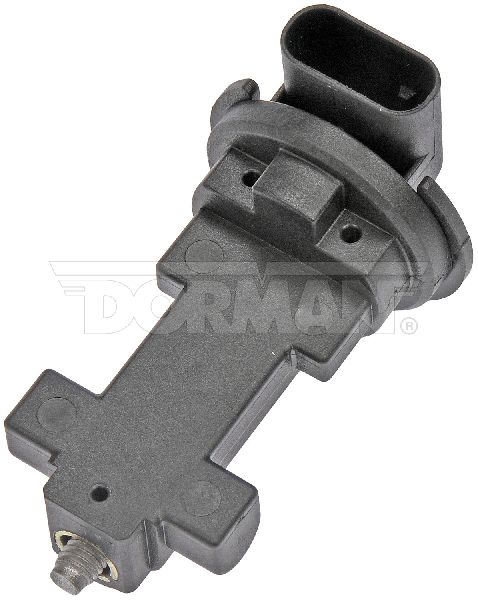
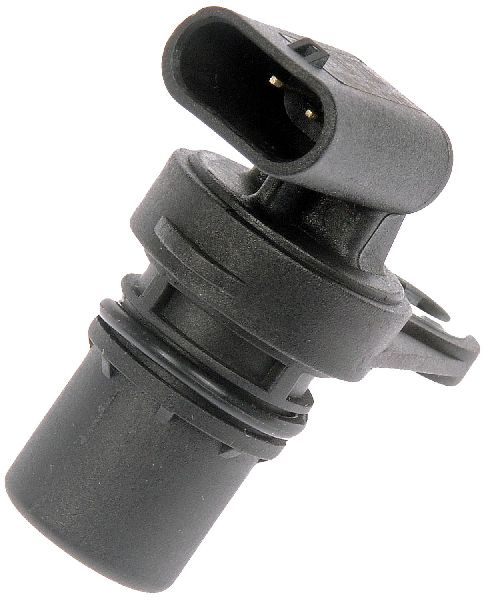

The information in this article is provided for general reference and educational purposes only. Vehicle specifications, procedures, and part compatibility can vary by production date, trim level, and region. Always consult your vehicle's factory service manual and verify part numbers before purchasing or performing repairs. Safety-critical components such as airbags, seat belts, and braking systems should be installed by a qualified professional.
- Jeep WRANGLER:
- 🧭 Diagnostic Flowchart
- 🎬 Helpful Videos
- 🛍️ Shop This Part
- What's Unique About the 2018-2025 Jeep WRANGLER
- Symptoms You May Notice
- Most Likely Causes
- Rare But Worth Checking
- Diagnosis Steps
- Parts You'll Likely Need
- Related Codes That Often Appear With This One
- Technical Service Bulletins (TSBs) & Recalls
- Platform-Specific Known Issues
- Mechanic-Grade Diagnostic Values
- Scan Tool Commands That Help
- Wiring & Ground Locations
- Real Owner Repair Stories
- "I Checked Everything" — The Actual Cause
- When the Usual Fixes Don't Work
- OEM Part Supersession History
- Model Year Variations Within This Range
- 🎟️ Get 5% Off