

P0012 on 2015-2020 Ford Explorer 2.3L EcoBoost: Causes and Fixes for Over-Retarded Cam Timing
On a 2015-2020 Explorer with the 2.3L EcoBoost, P0012 is almost always caused by low or dirty engine oil, or a failing intake VCT solenoid. Start with an oil and filter change using 5W-30 synthetic blend or full synthetic oil. If that doesn't work, the VCT solenoid is the next likely part to replace, costing around $40-$80 for an OEM part. Ford has acknowledged this is a common issue.
- P0012 on the 2.3L EcoBoost is a serious code that should be addressed promptly to avoid poor performance and potential engine damage.
- Always start diagnosis by checking the engine oil. An oil and filter change is the cheapest and most common fix.
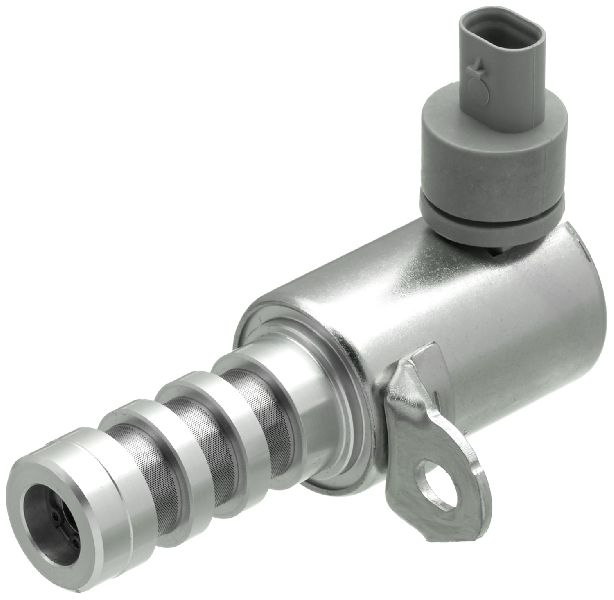
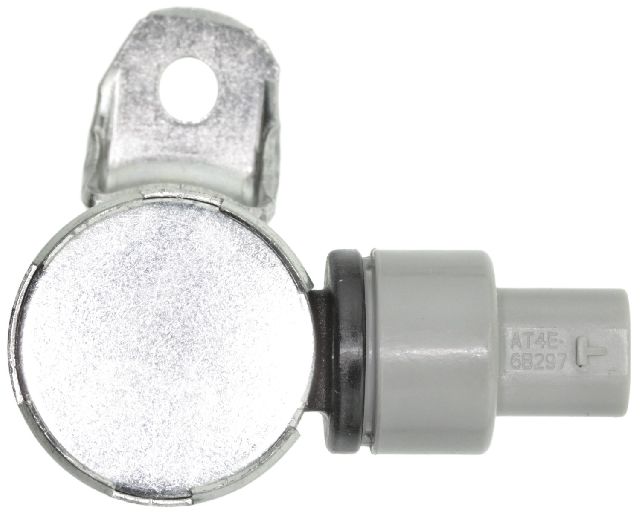
- The most likely failed part is the intake VCT solenoid (Part # CJ5Z-6M280-A), which can get clogged with oil debris.
- Ask your mechanic about Ford's diagnostic test (mentioned in TSB SSM 50067) that attempts to clean the solenoid before replacing it.
- A rattling engine noise accompanying this code is a major red flag for a more expensive timing chain problem.
What's Unique About the 2015-2020 Ford Explorer
For this generation of Explorer, the 2.3L EcoBoost engine is known to be sensitive to oil condition. Ford has issued multiple Technical Service Bulletins (TSBs) acknowledging that debris in the oil can cause the VCT solenoids to stick, leading directly to this code. Ford's diagnostic procedure per TSBs like SSM 50067 even advises technicians to try electronically cycling the solenoid 10 times with a scan tool to clear debris before replacing it. For the 2020 model year specifically, TSB SSM 50736 notes that fuel dilution in the engine oil, especially from frequent short trips, can affect oil viscosity and cause VCT performance issues.
Generation note: This range covers the fifth generation (2015-2019) and the first year of the sixth generation (2020) Explorer. While the primary causes are the same, TSB SSM 50736 specifically addresses potential fuel-in-oil issues on the 2020 model (and newer) that can trigger this code by degrading oil viscosity.
Symptoms You May Notice
- Check Engine Light illuminated
- Rough idle or engine stumbling
- Engine struggles to start
- Stalling, especially when stopped
- Reduced engine power and sluggish acceleration
- Decreased fuel efficiency
- Rattling noise from the engine on startup
- Replacing the camshaft position sensor. This code indicates a mechanical timing correlation problem, not a sensor electrical circuit fault (which would typically set a P0340 or P0344 code).
- Immediately replacing the timing chain without first checking the oil condition and testing/replacing the VCT solenoids.
Most Likely Causes
- Low, Dirty, or Incorrect Viscosity Engine Oil 🔴 High Probability The VCT system uses small oil passages that are easily clogged by sludge or debris from old oil. TSBs confirm this is a primary cause for this code on this platform. TSB SSM 50736 also highlights that fuel dilution from short-trip driving can lower oil viscosity, causing the same timing issues.
How to confirm: Check the oil dipstick for low level and inspect the oil's color and consistency. If it is dark, thick, or smells of fuel, it should be replaced. An oil change is the first and most critical step.
Typical fix: Perform an engine oil and filter change using the manufacturer-specified grade (5W-30 Synthetic Blend or Full Synthetic).
Est. part cost: $40-$80 - Failing Intake VCT Solenoid 🔴 High Probability → Shop Engine Variable Valve Timing (VVT) Solenoid Ford TSBs (like SSM 47170 and SSM 50067) specifically note that these solenoids can stick due to small debris in the oil, a common issue for this engine. A YouTube video of a 2017 Explorer with a 2.3L engine and codes P0012/P0014 shows the solenoid screens completely clogged with sludge. 🎬 Watch this 2.3L Explorer teardown showing sludge-clogged solenoid screens.
How to confirm: A mechanic can use a scan tool to command the solenoid on and off (per TSB SSM 50067) to see if it's stuck. The solenoid can also be removed and inspected for sludge or tested by applying 12V to see if it actuates. Resistance should be between 6.9 and 7.9 ohms, though some sources state a broader 5-15 ohm range is acceptable.
Typical fix: Replace the intake VCT solenoid. Since the valve cover must be removed, it is often recommended to replace both the intake and exhaust solenoids at the same time.
Est. part cost: $40-$150 - Worn Timing Chain, Guides, or Tensioner ⚪ Low Probability → Shop Engine Timing Chain While less common than oil or solenoid issues, timing chains can stretch over time, especially with high mileage or poor maintenance, causing timing correlation faults. This is a more severe mechanical failure. NHTSA ODI #11611949 describes a situation where a tensioner may have broken off, causing low oil pressure, engine rattling, and a P0012 code that forced the vehicle to the shoulder of a highway.
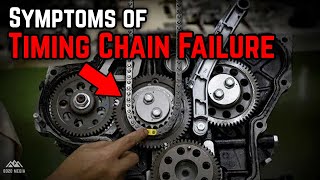
How to confirm: A distinct rattling noise from the engine, especially during a cold start, 🎬 Listen to the specific sounds of a failing timing chain. is a strong indicator. Confirmation requires significant engine disassembly to physically inspect the timing components for slack or damage.
Typical fix: Replace the timing chain, tensioner, and all related guides and phasers. This is a complex and labor-intensive job.
Est. part cost: $400-$800
Rare But Worth Checking
- Worn Camshaft Phaser (Actuator): → Shop Engine Camshaft The phaser is the gear at the end of the camshaft that the VCT solenoid controls. It can fail mechanically, but this is much less common than a solenoid failure. A clicking or rattling noise from the phaser itself is a key symptom.
- Damaged Wiring to VCT Solenoid: → Shop Engine Variable Valve Timing (VVT) Solenoid A damaged wire or connector can prevent the solenoid from receiving the correct signal from the PCM, mimicking a failed solenoid. A visual inspection of the harness is recommended during diagnosis.
Diagnosis Steps
- Check Engine Oil: Verify the oil level is correct and the oil is clean. If low, top it off. If old, dirty, or smells of fuel, perform a complete oil and filter change with the correct 5W-30 oil.
- Scan for Other Codes: Check for other related VCT codes. Multiple codes may point towards a more widespread oiling issue or a timing chain problem.
- Inspect VCT Solenoid Wiring: Check the harness and connector going to the intake VCT solenoid for any visible damage, corrosion, or loose connections.
- Test the VCT Solenoid: Using a capable scan tool, run the VCT solenoid control test (Pinpoint Test HK12 mentioned in Ford TSBs SSM 47170 and SSM 50067) to cycle the solenoid and attempt to clear debris. If the test fails or is unavailable, remove the solenoid for a visual inspection and bench test.
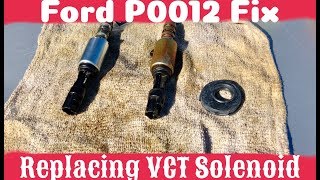
- Replace VCT Solenoid: If the solenoid is confirmed to be faulty or clogged with sludge, replace it. The OEM part number is CJ5Z-6M280-A. 🎬 See this walkthrough on how to replace the VCT solenoid. It's wise to replace the exhaust solenoid (same part number) at the same time, as it requires removing the valve cover.
- Listen for Noise: If a rattling noise is present, especially on startup, suspect a timing chain issue. This requires professional diagnosis.
- Inspect Timing System: If all else fails, a physical inspection of the timing chain, guides, and tensioners is necessary. This is an advanced procedure.
Parts You'll Likely Need
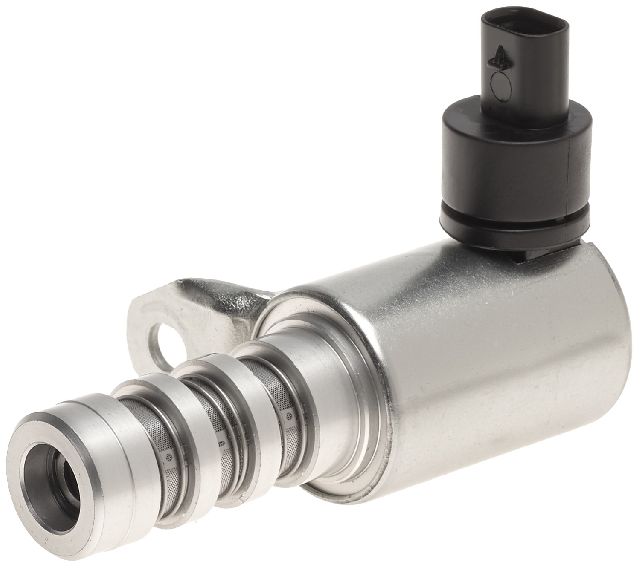
- Engine Variable Valve Timing (VVT/VCT) Solenoid
(OEM #CJ5Z-6M280-A)— This is the most common part to fail for this code, usually due to internal clogging from oil debris.
Trusted brands: Motorcraft, Dorman, NGK/NTK, Cloyes
OEM price range: $40-$80
Aftermarket price range: $25-$60 - Engine Oil and Filter — Dirty, low, or incorrect oil is the leading cause of P0012. An oil change is the first and most important diagnostic step.
Trusted brands: Motorcraft, Mobil 1, Castrol, Valvoline
OEM price range: $50-$90
Aftermarket price range: $40-$70
Related Codes That Often Appear With This One
- P0014 — This is for the 'B' (Exhaust) camshaft timing. Seeing P0012 and P0014 together often points to a common problem affecting both VCT solenoids, like oil sludge or low oil pressure.
- P052B — This code is for 'Cold Start Camshaft Position Timing Over-Retarded'. It often appears with P0012 and points to a problem that is most noticeable when the oil is cold and thick, such as a sticking VCT solenoid.
- P0011, P0015, P0021, P0022 — These are other VCT-related timing codes. If multiple codes appear at once, it strongly suggests a systemic issue like severe oil contamination, low oil pressure, or a stretched timing chain affecting the entire system.
Technical Service Bulletins (TSBs) & Recalls
- SSM 50067: For 2015-2021 vehicles, advises that DTCs like P0012 may be due to debris causing the VCT solenoid to stick. Recommends using scan tool pinpoint test HK12 to cycle the solenoid 10 times to clear it before replacement.
- SSM 47170: An earlier version of the above TSB, also identifying debris in the VCT solenoid as a common cause for a range of timing codes including P0012.
- SSM 50736: For 2019-2021 Ranger and 2020-2021 Explorer 2.3L, notes that increased oil level or fuel smell in oil can occur from short trips or extended idling. States this condition is normal but can affect oil viscosity, which is a known cause of VCT codes.
- SSM 49821: Notes that various 2015-2021 Ford vehicles may exhibit DTC P0012 and directs to standard pinpoint tests.
- SSM 54366: Notes that some 2015-2021 Ford and Lincoln vehicles may exhibit an illuminated MIL with DTC P0012 and directs technicians to Pinpoint test HK in the PC/ED manual.
- SSM 48423: States that for 2015-2020 Ford and Lincoln vehicles, P0012 may be caused by small debris causing the VCT solenoid to stick.
Platform-Specific Known Issues
- Ford has issued multiple Special Service Messages (SSMs) and TSBs (SSM 47170, 48423, 49821, 50067) related to VCT codes on this platform, often pointing to oil debris causing solenoids to stick.
- TSB SSM 50736 notes that 2020-2021 models with the 2.3L engine can experience fuel dilution in the oil, which degrades its viscosity and can cause VCT system faults like P0012. Ford states this is normal for certain operating conditions like frequent short trips.
- TSB SSM 50067 explicitly directs technicians to use a scan tool to cycle the VCT solenoid 10 times to attempt to clear debris before replacing the part, confirming that clogging is the primary failure mode.
Mechanic-Grade Diagnostic Values
- VCT Solenoid Internal Resistance — expected: 6.9 to 7.9 ohms (some sources allow a broader 5-15 ohm range).. Failure: A reading of 0 ohms (short circuit) or infinite/OL (open circuit).
- VCT Solenoid Connector Voltage (Key On, Engine Off) — expected: Approximately 12V (battery voltage) on the power supply pin (Pin 1).. Failure: No voltage or significantly low voltage, indicating a problem with the power supply circuit, fuse, or PCM relay.
- Engine Oil Pressure at Idle (Normal Operating Temp) — expected: Minimum of 15 PSI.. Failure: Pressure below 15 PSI at idle can starve the VCT system of the hydraulic pressure needed to operate, causing timing codes.
- Scan Tool Live Data PIDs for Intake Cam Timing — expected: Monitor VCT_INT_ADV (desired advance), VCTADVINT (actual advance), and VCT_INT_ERR (error). The error value should be close to 0 degrees at idle and respond quickly under load.. Failure: A large, persistent value for VCT_INT_ERR, or a VCTADVINT value that does not match the VCT_INT_ADV command, indicates a sticking phaser or solenoid.
Scan Tool Commands That Help
- Ford IDS (Integrated Diagnostic System) or equivalent professional scan tool: Pinpoint Test HK12: VCT Solenoid Cycle Test — As per Ford TSB SSM 50067, this command should be used after checking oil but before replacing a VCT solenoid. It cycles the solenoid on and off 10 times to attempt to dislodge internal debris that may be causing it to stick.
Wiring & Ground Locations
- VCT Solenoid Connector — On top of the engine's valve cover, plugged directly into the VCT solenoid.. This is where electrical tests (voltage and resistance) are performed. Pin 1 is the 12V power feed from the PCM relay, and Pin 2 is the ground-side control wire from the PCM. Corrosion or damage here will cause a loss of control over the solenoid.
- G104 — Commonly located on the right or left front of the engine compartment, on the fender apron or bulkhead.. This is a primary engine compartment and chassis ground. A poor connection here can cause incorrect reference voltages for the PCM and its sensors, potentially leading to erratic sensor readings and false diagnostic codes.
- G105 — Often located on the right side of the engine, serving as a major ground point for the engine block itself.. The PCM and its sensors rely on a solid engine ground. Corrosion or looseness at this point can introduce electrical noise and interfere with the proper operation of components like the VCT solenoids.
Real Owner Repair Stories
- YouTube channel 'Automotive Solutionz' (2017 Ford Explorer 2.3L EcoBoost) — Check Engine Light with codes P0012 and P0014.
❌ Tried (didn't work) The video proceeded directly to the correct diagnosis without showing other failed attempts.
✅ What actually fixed it The mechanic removed the valve cover and found both the intake and exhaust VCT solenoids were heavily caked in thick oil sludge, physically blocking their oil screens. Replacing both VCT solenoids (Part No. CJ5Z-6M280-A) and cleaning the sludge from the valve train area resolved both codes. - NHTSA ODI #11611949 — An owner reported a sudden loss of acceleration on the highway. A diagnostic check revealed code P0012, which was linked to a rattling noise and low oil pressure, potentially caused by a broken timing component.
OEM Part Supersession History
CJ5Z-6M280-A→CJ5Z-6M280-A— No supersession found. The part number remains current.
Diagnostic Flowchart
Other Known Issues on This Vehicle
Issues unrelated to this code that are worth knowing about as an owner of this generation:
- Coolant Intrusion / Cracked Cylinder Head/Block 🔴 High — A widely documented issue across 2.0L and 2.3L EcoBoost engines, though considered less frequent on the 2.3L than the 2.0L. Can occur under 100,000 miles. A class-action lawsuit has been filed regarding this issue. (Ref: While many TSBs exist for the 2.0L (like 19-2346), SSM 51754 was issued for a batch of 2023 2.3L engines with cracked blocks, showing the issue persists in the engine family.)
- Leaking Plastic Oil Pan 🟡 Low — A common annoyance where the factory RTV sealant on the plastic oil pan fails prematurely, causing oil leaks. Can happen at low mileage (under 20,000 miles). (Ref: Multiple TSBs have been issued by Ford to address the repair procedure for leaking oil pans on various EcoBoost engines.)
- Vibration/Rough Idle in Gear 🟠 Medium — Some owners report a noticeable vibration or rough idle specifically when the vehicle is in Drive or Reverse at a stop. (Ref: TSB 20-2271 was issued for some 2016-2019 Explorer and 2015-2019 MKC vehicles with the 2.3L engine to address this specific concern.)
Used vs. New Parts: Buying Guide for This Vehicle
When a used part is the smart pick: For this specific repair, using a used VCT solenoid is generally not recommended. The failure mode is almost always internal clogging or sticking from oil debris, which is impossible to see and is related to the donor vehicle's maintenance history. The risk of getting a part that is already failing or will fail soon is very high.
Donor-vehicle mileage cap: roughly under 30000 miles for the part to have meaningful remaining life.
What to inspect on the donor part:
- If considering a used part, insist on seeing the donor vehicle's maintenance records, specifically looking for frequent oil changes with synthetic oil.
- Remove the solenoid and inspect the mesh screens. Any visible sludge, varnish, or metallic debris is an immediate red flag.
- Test the resistance with a multimeter before purchase; it should be within the 5-15 ohm range.
OEM-only on this vehicle (don't cheap out):
- VCT Solenoid: Given the sensitivity of the Ti-VCT system and the high failure rate of this part due to contamination, the OEM Motorcraft part is strongly recommended for reliability.
- Camshaft Phaser: If the phaser needs replacement, using an OEM part is critical as aftermarket versions can have issues with materials and tolerances, leading to premature failure or noise.
Aftermarket brands forum-validated for this vehicle:
- Dorman (often offers an improved design or materials)
- NGK/NTK
- Delphi
Brands owners have reported issues with on this vehicle:
- No-name, unbranded parts from online marketplaces should be avoided due to inconsistent quality control. The labor to replace a failed solenoid (removing the valve cover) is significant enough that using a low-quality part is not worth the risk.
Real Owner Stories
Aggregated from forums and TSBs cited above. Mileages and costs reflect what owners reported in those sources.
2017 Ford Explorer 2.3L EcoBoost
Symptoms: The vehicle was throwing codes P0012 and P0014. Upon inspection, the VCT solenoid screens were found to be completely clogged with heavy oil sludge.
What fixed it: Replacement of both VCT solenoids.
Source hint: YouTube video titled '2017 Ford Explorer 2.3L Code P0012 P0014'
2015 Lincoln MKC 2.3L EcoBoost
Symptoms: Owner reported the vehicle was triggering a P0012 code shortly after the engine's introduction to the market.
What fixed it: Replacement of the VCT solenoid using OEM part number CJ5Z-6M280-A.
Source hint: The Mustang Source forum thread 'I have an ecoboost, lol! And a problem...'
2020 Ford Explorer 2.3L EcoBoost
Symptoms: Increased oil level and a distinct smell of fuel in the engine oil.
What fixed it: Ford identifies this as a 'normal' condition for short-trip driving, but it requires monitoring oil viscosity to prevent VCT system faults.
Source hint: TSB SSM 50736
Related OBD-II Codes
Frequently Asked Questions
My 2017 Explorer 2.3L has P0012 and P0014; does Ford have a specific procedure to fix this without replacing parts immediately?
I have a 2020 Explorer 2.3L and my oil smells like gasoline. Could this cause the P0012 code?
What is the specific Ford part number for the VCT solenoid on the 2.3L EcoBoost?
Is the rattling noise I hear on startup related to the P0012 code on my Explorer?
Should I replace both solenoids if only the intake one is failing?
What oil should I be using in my 2.3L EcoBoost to prevent VCT sludge issues?
Helpful Videos

![How to Fix P0012 Engine Code in 4 Minutes [2 DIY Methods / Only $6.86]](https://img.youtube.com/vi/Pu-PR3uhV5Q/mqdefault.jpg)
We Have This Part in Stock


The information in this article is provided for general reference and educational purposes only. Vehicle specifications, procedures, and part compatibility can vary by production date, trim level, and region. Always consult your vehicle's factory service manual and verify part numbers before purchasing or performing repairs. Safety-critical components such as airbags, seat belts, and braking systems should be installed by a qualified professional.
- Ford Explorer:
- 🧭 Diagnostic Flowchart
- 🎬 Helpful Videos
- 🛍️ Shop This Part
- What's Unique About the 2015-2020 Ford Explorer
- Symptoms You May Notice
- Most Likely Causes
- Rare But Worth Checking
- Diagnosis Steps
- Parts You'll Likely Need
- Related Codes That Often Appear With This One
- Technical Service Bulletins (TSBs) & Recalls
- Platform-Specific Known Issues
- Mechanic-Grade Diagnostic Values
- Scan Tool Commands That Help
- Wiring & Ground Locations
- Real Owner Repair Stories
- OEM Part Supersession History
- Other Known Issues on This Vehicle
- Used vs. New Parts: Buying Guide for This Vehicle
- Real Owner Stories
- 2017 Ford Explorer 2.3L EcoBoost
- 2015 Lincoln MKC 2.3L EcoBoost
- 2020 Ford Explorer 2.3L EcoBoost
- Related OBD-II Codes
- Frequently Asked Questions
- 🎟️ Get 5% Off