

P0012 on 2015-2019 Lincoln MKT: "A" Camshaft Position Timing Over-Retarded (Bank 1) Causes and Fixes
On a 2015-2019 Lincoln MKT, code P0012 is most often caused by dirty or low engine oil, or a failing Variable Camshaft Timing (VCT) solenoid on Bank 1. Start by checking your oil level and condition. If the oil is good, the VCT solenoid is the next most likely culprit, a known issue highlighted in Ford's technical service bulletins.
- P0012 on your MKT means the Bank 1 intake camshaft timing is delayed.
- Always start diagnosis by checking the engine oil level and condition. An oil change is the cheapest and easiest potential fix.
- The most common failed part is the Bank 1 intake VCT solenoid, often due to clogging from oil debris.
- If you hear a rattling noise from the engine, especially on startup, the problem may be a more serious and expensive timing chain issue.
- Due to the engine design, replacing the VCT solenoids can be labor-intensive, so consider replacing them in a set to save on future labor costs.
What's Unique About the 2015-2019 Lincoln MKT
The V6 engines in the Lincoln MKT, both the 3.7L Ti-VCT and 3.5L EcoBoost, use a VCT system that is highly dependent on clean engine oil and consistent oil pressure. As confirmed by multiple Technical Service Bulletins (TSBs), these engines are particularly susceptible to small debris in the oil, which can cause the VCT solenoids to stick. This makes regular, high-quality oil changes more critical than on many other vehicles to prevent this specific code. For these transversely mounted engines, Bank 1 is the cylinder bank located closer to the firewall (rear of the engine bay).
Diagnostic Flowchart
Tap your situation to follow the diagnostic path that matches what you're seeing on this vehicle.
Symptoms You May Notice
- Check Engine Light is on
- Rough, rolling, or low idle
- Engine hesitation or stalling, especially at stops
- Reduced engine power and acceleration, feeling 'sluggish'
- Decreased fuel economy
- Rattling or ticking noise from the engine on startup or at low RPM
- Replacing the camshaft position sensor when the root cause is a faulty VCT solenoid or an oil quality issue.
- Replacing only the VCT solenoid when the underlying problem is a stretched timing chain, leading to the code returning.
- Assuming a timing chain job is needed immediately based only on the code, without first diagnosing the VCT solenoids and oil pressure.
Most Likely Causes
- Low or Dirty Engine Oil 🔴 High Probability The VCT system uses hydraulic pressure to function, and the small passages in the solenoids are easily clogged by sludge or debris from old oil. This is the number one cause of VCT system problems.
How to confirm: Check the engine oil dipstick for level and inspect the oil's color and consistency. If it's low or dark and sludgy, it needs to be changed. Low oil pressure can also trigger this code.
Typical fix: Perform a complete engine oil and filter change using the manufacturer-specified grade of oil (e.g., Motorcraft 5W-30 Synthetic Blend) and a quality filter. Clear the codes and see if they return.
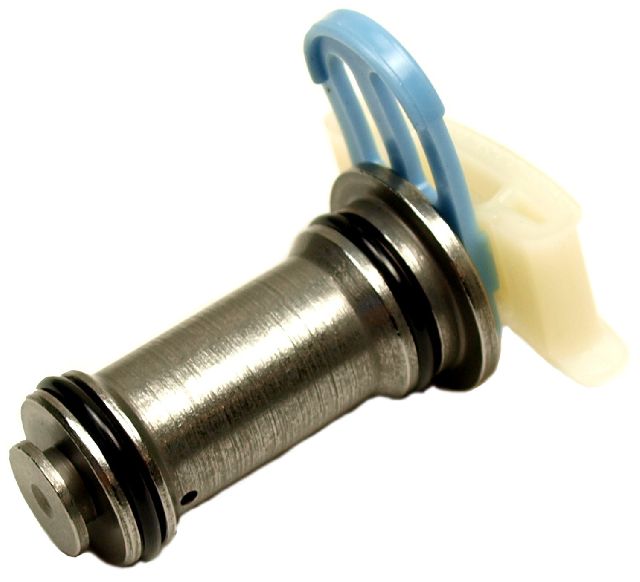
Est. part cost: $50-$100 - Failing Bank 1 Intake VCT Solenoid 🔴 High Probability → Shop Engine Variable Valve Timing (VVT) Solenoid Manufacturer TSBs SSM 48423 and SSM 47170 specifically state that this code can be caused by small debris causing the VCT solenoid to stick. The solenoids are located under the valve covers, making replacement labor-intensive.
How to confirm: Use a scan tool to command the solenoid on and off while monitoring camshaft position data (a procedure called out in TSB SSM 48423). You can also remove the solenoid and test its resistance with a multimeter (typically 8-12 ohms) or apply 12V to see if the plunger actuates. Inspect the mesh screens for debris.
Typical fix: Replace the Bank 1 intake VCT solenoid. The causal part number referenced in Ford's TSB is 6M280. The Motorcraft part number for many of these applications is 8L3Z-6M280-B. It is often recommended to replace all four VCT solenoids (Intake/Exhaust for both banks) and the valve cover gaskets at the same time due to the labor involved.
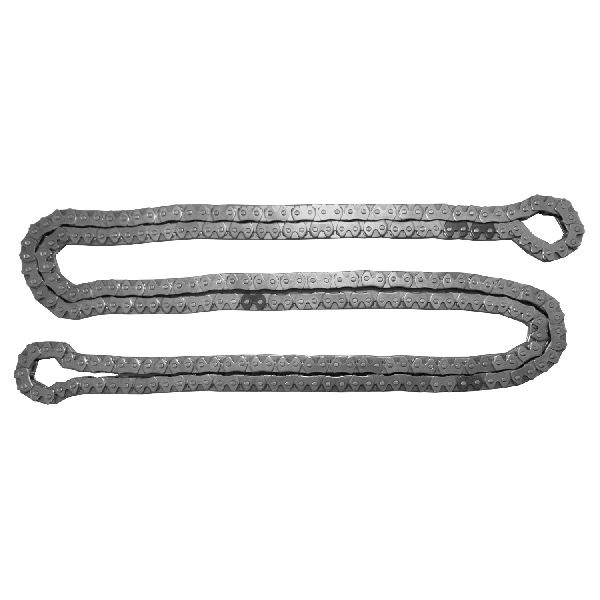
Est. part cost: $50-$150 - Stretched Timing Chain or Failed Cam Phaser 🟡 Medium Probability → Shop Engine Timing Chain This is a known issue on higher-mileage 3.5L EcoBoost engines, often exacerbated by infrequent oil changes. Wear in the chain links causes it to lengthen, creating slack that the tensioners cannot compensate for, causing the actual cam timing to lag behind the desired timing.
How to confirm: This is a complex diagnosis. It often starts with a rattling noise on startup. A mechanic will need to use a scan tool like Forscan to view the timing deviation for each camshaft. Physical confirmation requires removing the valve and front engine covers to inspect the chain, tensioners, guides, and phasers for wear and play.
Typical fix: Replace the timing chain, guides, tensioners, and all four cam phasers. This is a very labor-intensive job, often costing between $2,000 and $4,000 at a shop.
Est. part cost: $500-$1200
Rare But Worth Checking
- Clogged Oil Passages: Even with a good solenoid and fresh oil, sludge can block the small oil passages in the cylinder head or cam caps, starving the phaser of oil pressure. This usually requires significant engine disassembly to clean and is often a result of severe maintenance neglect.
- Faulty Camshaft Position Sensor: → Shop Engine Camshaft Position Sensor While possible, a bad sensor would typically throw its own specific performance or circuit code (like P0341). It's less likely to cause just P0012, but it can provide incorrect data to the PCM.
- Powertrain Control Module (PCM) Fault: This is extremely rare. The PCM would need to be professionally diagnosed and likely replaced or reprogrammed as a last resort after all other possibilities are exhausted.
Diagnosis Steps
- Verify the code with a reliable OBD-II scanner.
- Check the engine oil level and condition. If low, top it off. If old or dirty, perform a full oil and filter change with the correct spec oil (Motorcraft 5W-30) and a new filter. Clear the code and drive to see if it returns.
- If the code persists, use a scan tool to monitor desired vs. actual intake camshaft position for Bank 1. A significant lag points to a problem.
- Per TSB SSM 48423, use the scan tool's bidirectional controls to command the Bank 1 intake VCT solenoid on and off 10 times to try and clear debris. Listen for a click and watch for a change in engine idle or cam angle data.
- If the solenoid doesn't respond or the code returns, inspect its wiring and connector for damage or corrosion.
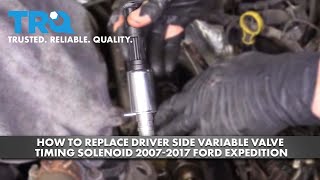
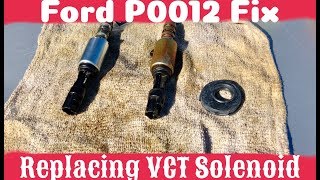
- If wiring is good, remove the Bank 1 intake VCT solenoid. This requires removing the Bank 1 (rear) valve cover. 🎬 See this walkthrough on how to replace the VCT solenoid. Inspect the solenoid's mesh screens for sludge or debris. You can try cleaning it, but replacement is the recommended long-term solution.
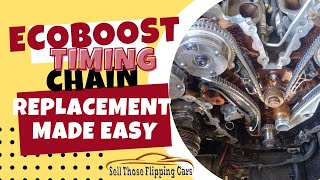
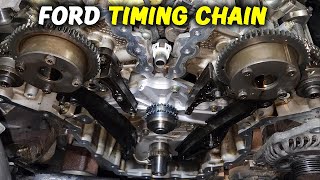
- If a new solenoid and clean oil do not resolve the code, the issue is likely mechanical and more severe. Listen for a timing chain rattle on startup. Further diagnosis requires checking engine oil pressure with a mechanical gauge and ultimately removing the front engine cover to inspect 🎬 Watch: A guide to making timing chain replacement easier. the timing chain, guides, and cam phasers for wear or damage.
Parts You'll Likely Need
- Engine Variable Valve Timing (VVT) Solenoid
(OEM #8L3Z-6M280-B (Motorcraft))— This is the most common point of failure for P0012, as it can get stuck or clogged with debris, preventing proper oil flow to the cam phaser. Ford TSBs identify this as the primary cause.
Trusted brands: Motorcraft, Dorman, Spectra Premium, SKP
OEM price range: $70-$120
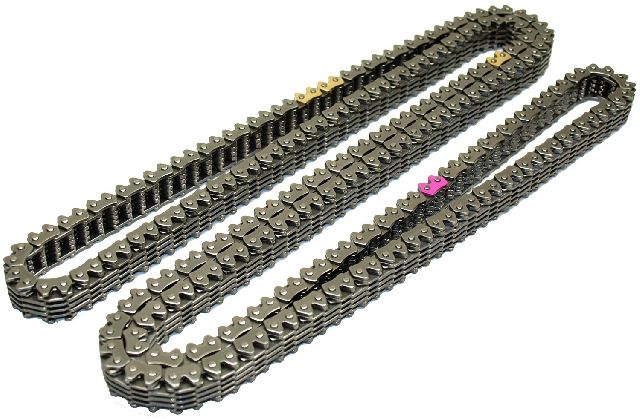
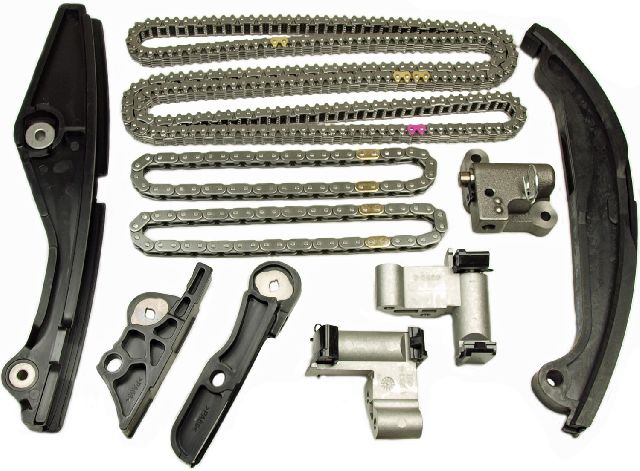
Aftermarket price range: $40-$90 - Timing Chain Kit — For higher mileage vehicles, especially the 3.5L EcoBoost, a stretched timing chain is a common cause of persistent timing codes after solenoids have been ruled out. A kit typically includes the primary and secondary chains, tensioners, guides, and phaser bolts.
Trusted brands: Motorcraft, Cloyes
OEM price range: $400-$700
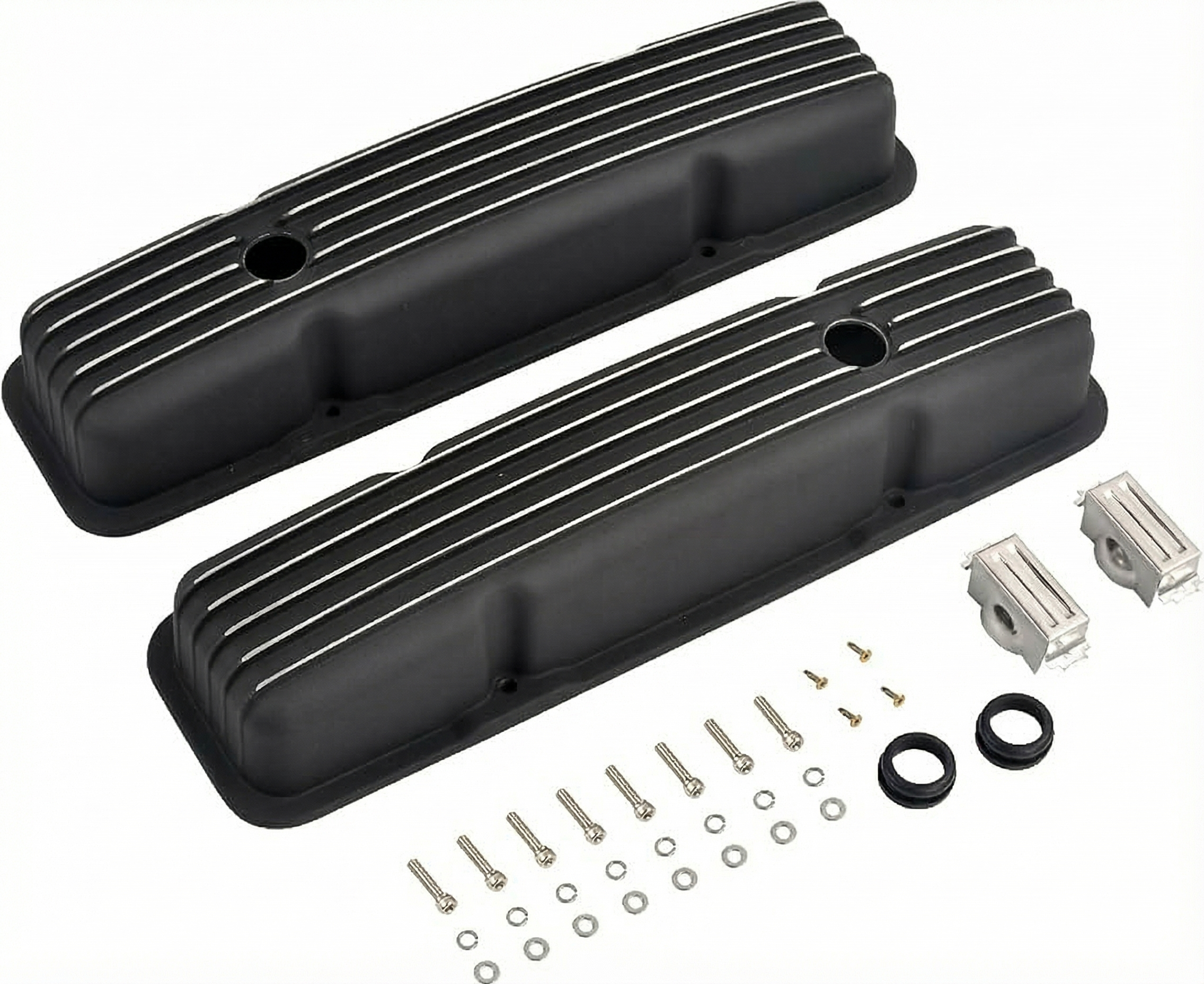
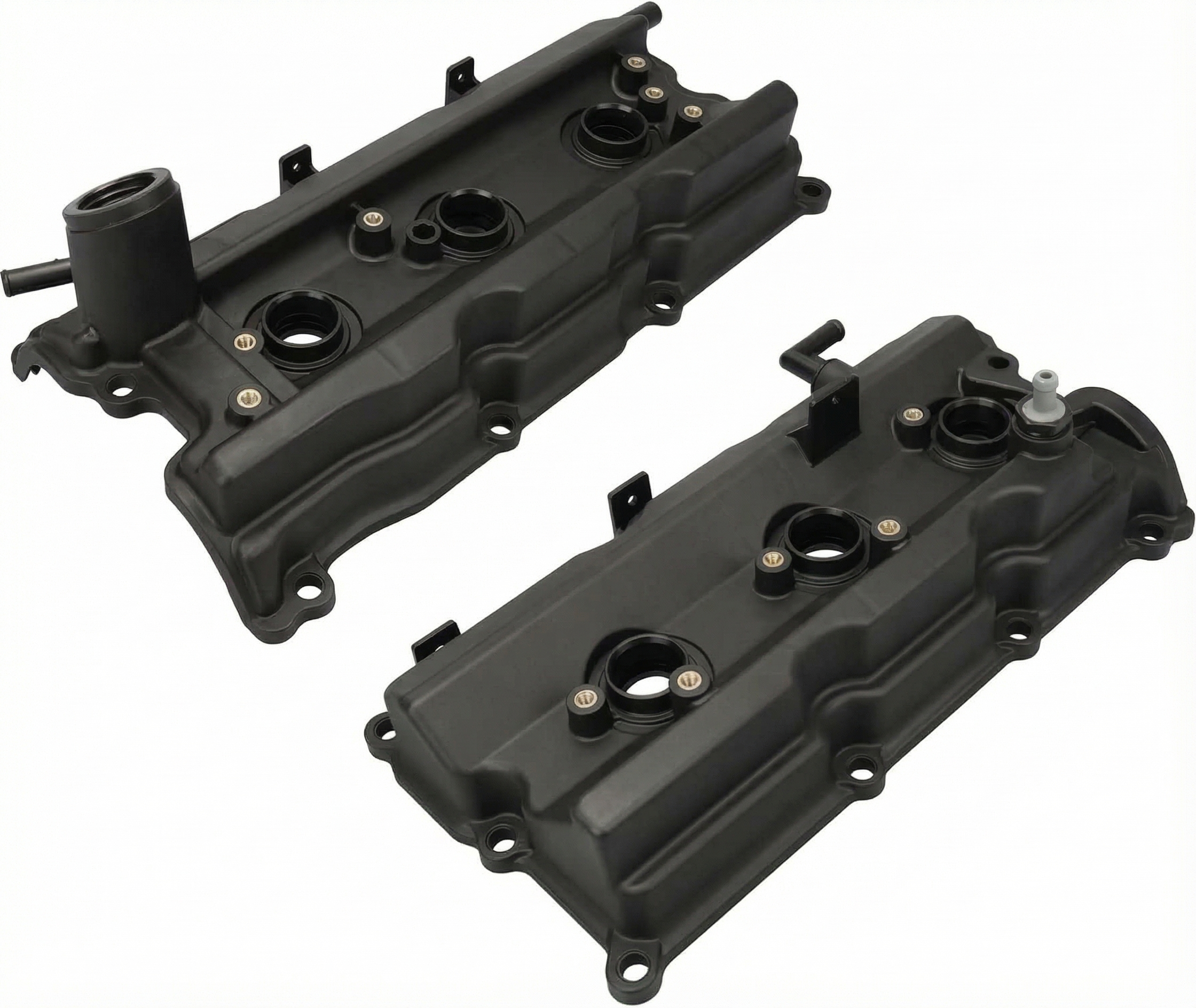
Aftermarket price range: $250-$500 - Valve Cover Gasket Kit — Since the VCT solenoids are located under the valve covers on these engines, the gasket must be replaced during the solenoid replacement job to prevent oil leaks.
Trusted brands: Motorcraft, Fel-Pro, Mahle
OEM price range: $60-$100
Aftermarket price range: $30-$70
Related Codes That Often Appear With This One
- P0022 — This is the same over-retarded timing code but for Bank 2. Seeing both together (P0012 and P0022) strongly suggests a systemic issue like low/dirty oil or low oil pressure affecting both sides of the engine.
- P0011, P0014, P0021, P0024 — These are other VCT-related codes for over-advanced or incorrect exhaust timing on both banks. The TSBs group all these codes together as having a common cause related to the VCT solenoids.
- P0016 — This code indicates a correlation problem between the crankshaft and the Bank 1 camshaft. It can appear alongside P0012 if the timing has jumped or the chain is significantly stretched.
Technical Service Bulletins (TSBs) & Recalls
- SSM 48423: Notes that various VCT codes including P0012 may be due to small debris causing the VCT solenoid to stick. Recommends cycling the solenoid with a scan tool before replacement.
- SSM 54366: Mentions P0012 and other VCT codes, referring to specific pinpoint tests in the PC/ED manual.
- SSM 47170: Similar to SSM 48423, points to debris in the VCT solenoid as a potential cause for P0012.
Platform-Specific Known Issues
- TSB SSM 48423 and SSM 47170 note that on some 2015-2020 Ford and Lincoln vehicles, DTCs including P0012 may be set due to small debris causing the VCT solenoid to stick. The prescribed first step is to use a scan tool to cycle the solenoid 10 times to attempt to clear it before replacement.
- TSB SSM 54366 also lists P0012 for 2015-2021 vehicles and directs technicians to a specific diagnostic procedure (Pinpoint Test HK) in the service manual, indicating this is a well-documented and frequent issue.
- On the 3.5L EcoBoost, a startup rattle is a very common symptom that accompanies timing codes and often points towards a stretched timing chain or failing phasers.
Mechanic-Grade Diagnostic Values
- VCT Solenoid Coil Resistance — expected: 8 to 12 Ohms. Failure: A reading outside this range indicates a faulty solenoid coil.
- Engine Oil Pressure (3.5L/3.7L) — expected: Minimum 15-22 PSI at hot idle; 30 PSI at 1500 RPM.. Failure: Pressure dropping below 15 PSI at a hot idle can be insufficient to operate the VCT system correctly, leading to over-retarded codes.
- VCT Solenoid Retaining Bolt Torque — expected: 8.3 ft-lbs (11 Nm). Failure: N/A - This is an installation specification.
Hidden / Shadow Codes Worth Checking
- VCT_ADV_ERR (PID): This is not a DTC, but a Parameter ID (PID) available in advanced scan tools like FORScan. It shows the difference in degrees between the desired and actual camshaft angle. A consistently high error value on Bank 1 Intake points directly to the source of the P0012 code. (see via FORScan or a dealership-level scanner (IDS). It's monitored under live data/scope functions.)
Scan Tool Commands That Help
- FORScan / Ford IDS: VCT Solenoid On/Off Test (Bidirectional Control) — This is a primary diagnostic step after checking oil. As mentioned in TSB SSM 48423, cycling the solenoid on and off can dislodge small debris. While monitoring engine RPM or the VCT_ADV_ERR PID, a healthy solenoid will cause a noticeable change in engine idle or the cam angle reading.
- FORScan / Ford IDS: Clear Transmission Adaptive Tables — While not directly for the engine code, if the vehicle exhibits harsh shifting along with the P0012 code, resetting the transmission's learned shift strategy after the engine repair is complete can improve overall drivability.
Wiring & Ground Locations
- Powertrain Control Module (PCM) — In the engine compartment, typically on the front left (driver's) side, near the firewall or shock tower.. The PCM sends the control signal (ground) to the VCT solenoids. A poor connection at the PCM or a faulty ground for the PCM itself could cause erratic solenoid behavior, though this is rare. Checking for corrosion at the main PCM connector is a valid last-resort diagnostic step.
- VCT Solenoid Connector — On top of the valve cover (Bank 1 is the rear/firewall side), connecting to the top of each VCT solenoid.. This is the most likely place for a wiring issue. The connector or its pins can become corroded or damaged. The power supply wire (typically Blue-Green on many Fords) should have battery voltage with the key on, and the other wire is the ground controlled by the PCM.
Real Owner Repair Stories
- Reddit user post on r/MechanicAdvice (2010 Lincoln MKT, 3.5L EcoBoost, 200,000 km) — P0012, P0014, and P0420 codes present with no bad sounds or vibrations.
❌ Tried (didn't work) A full timing job (chain, sprockets, tensioner, guides) was completed the previous year., Oil was changed regularly and was clean.
✅ What actually fixed it The user suspected an oil pressure issue was the root cause despite the recent timing job and clean oil, illustrating that even after major parts replacement, the underlying hydraulic system can still be at fault. The thread did not have a final confirmed fix, but highlights the diagnostic path after common parts are replaced. - Ford F150 Forum user (2019 F-150 5.0L (similar VCT system)) — Rough idle and a P0012 code.
❌ Tried (didn't work) N/A - user was seeking advice before attempting a fix.
✅ What actually fixed it The consensus advice was to take it to the dealer under warranty and not clear the code, reinforcing that for newer vehicles, professional diagnosis is preferred to avoid voiding warranty or complicating the diagnostic process for the technician.
OEM Part Supersession History
3L3Z-6M280-EA, 8L3Z-6M280-A→8L3Z-6M280-B— Standard part revision and improvement by the manufacturer.
Heads up: The part 8L3Z-6M280-B is the widely accepted replacement for many Ford/Lincoln V6 and V8 engines from this era. However, there are different solenoids for intake vs. exhaust on some 3.7L applications (e.g., AT4Z-6M280-A, -B, -C). Always verify the correct part for the specific camshaft (Bank 1 Intake) using the vehicle's VIN.
Helpful Videos
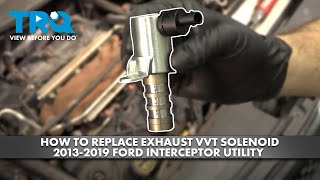
Used OEM Parts in Stock
New Aftermarket Parts Available


The information in this article is provided for general reference and educational purposes only. Vehicle specifications, procedures, and part compatibility can vary by production date, trim level, and region. Always consult your vehicle's factory service manual and verify part numbers before purchasing or performing repairs. Safety-critical components such as airbags, seat belts, and braking systems should be installed by a qualified professional.
- Lincoln MKT:
- 🧭 Diagnostic Flowchart
- 🎬 Helpful Videos
- 🛍️ Shop This Part
- What's Unique About the 2015-2019 Lincoln MKT
- Symptoms You May Notice
- Most Likely Causes
- Rare But Worth Checking
- Diagnosis Steps
- Parts You'll Likely Need
- Related Codes That Often Appear With This One
- Technical Service Bulletins (TSBs) & Recalls
- Platform-Specific Known Issues
- Mechanic-Grade Diagnostic Values
- Hidden / Shadow Codes Worth Checking
- Scan Tool Commands That Help
- Wiring & Ground Locations
- Real Owner Repair Stories
- OEM Part Supersession History
- 🎟️ Get 5% Off