

P0015 on 2015-2019 Ford Fiesta: Exhaust Cam Timing Fixes and Causes
On a 2015-2019 Ford Fiesta with the 1.6L engine, code P0015 is most often caused by a sticking exhaust VCT (Variable Camshaft Timing) solenoid, frequently due to small debris or dirty oil. An oil change and a new VCT solenoid (around $30-$60 for the part) is the most common fix. Ford has acknowledged this specific failure mode in service bulletins.
- P0015 on a 2015-2019 Fiesta almost always points to an issue with the exhaust VCT solenoid or engine oil.
- Before buying any parts, check your oil level and condition. An oil change is the cheapest and easiest first step.
- The most likely fix is replacing the exhaust VCT solenoid and changing the engine oil and filter.
- Ford has acknowledged this is a common issue via multiple Technical Service Bulletins, blaming debris in the oil.
- This is a DIY-friendly repair for those with basic tools, with the VCT solenoid being relatively easy to access.
What's Unique About the 2015-2019 Ford FIESTA
For this generation of Ford Fiesta and other Ford vehicles from the same era, the Variable Camshaft Timing (VCT) system is known to be sensitive to oil quality and debris. Ford has issued multiple Technical Service Bulletins (TSBs) acknowledging that small debris can cause the VCT solenoids to stick, directly leading to codes like P0015. [⭐] TSB SSM 48423 even provides a specific diagnostic step (pinpoint test HK11) to cycle the solenoid 10 times with a scan tool to attempt to clear the debris before replacement. [⭐] This makes a sticking solenoid a much higher probability on this platform compared to a more serious mechanical timing issue.
Diagnostic Flowchart
Tap your situation to follow the diagnostic path that matches what you're seeing on this vehicle.
Symptoms You May Notice
- Check Engine Light is on
- Rough or uneven idle
- Reduced engine power and sluggish acceleration
- Decreased fuel economy
- Engine may hesitate or stall, especially at low speeds
- Difficulty starting the engine
- Rattling noise from the engine, especially at idle when hot
- Replacing the camshaft position sensor first, when the issue is actually the VCT solenoid or oil quality.
- Assuming a major timing belt issue before checking the much more common and simpler VCT solenoid and oil-related causes.
- Replacing the timing belt without addressing a faulty VCT solenoid or phaser, leading to the code returning.
Most Likely Causes
- Dirty or Sticking Exhaust VCT Solenoid 🔴 High Probability → Shop Engine Variable Valve Timing (VVT) Solenoid Ford TSBs #SSM 48423 and #SSM 47170 directly state that small debris can cause the VCT solenoid to stick, triggering this code. [⭐] This is the most common failure point for VVT issues on this platform.
How to confirm: Use a scan tool to command the solenoid and watch for a change in cam timing. A more direct method is to remove the solenoid (held by one 8mm bolt) and inspect it for debris or a stuck internal plunger. You can also swap the intake and exhaust solenoids (they are identical parts) and see if the code changes to P0012 (intake over-retarded), which definitively confirms a bad solenoid.
Typical fix: Replace the exhaust VCT solenoid. It is highly recommended to perform an engine oil and filter change at the same time to remove contaminants. Before installing the new solenoid, apply a small amount of fresh engine oil to the O-rings to ensure a proper seal and prevent damage during installation.
Est. part cost: $30-$60 - Low or Dirty Engine Oil 🟡 Medium Probability The VCT system is hydraulic and relies entirely on clean oil at the correct pressure to function. Delayed oil changes can lead to sludge and debris that clog the fine mesh screens on the solenoid and phaser passages.
How to confirm: Check the oil level on the dipstick and inspect the oil's condition. If it is low, dark, or gritty, it needs to be changed. This is the first and most important check.
Typical fix: Perform an engine oil and filter change using the manufacturer-specified oil viscosity (e.g., 5W-20 for the 1.6L Fiesta). Clear the codes and drive to see if the issue is resolved before replacing parts.
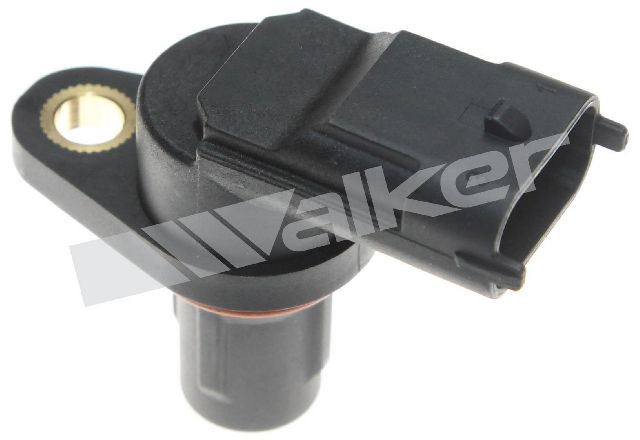
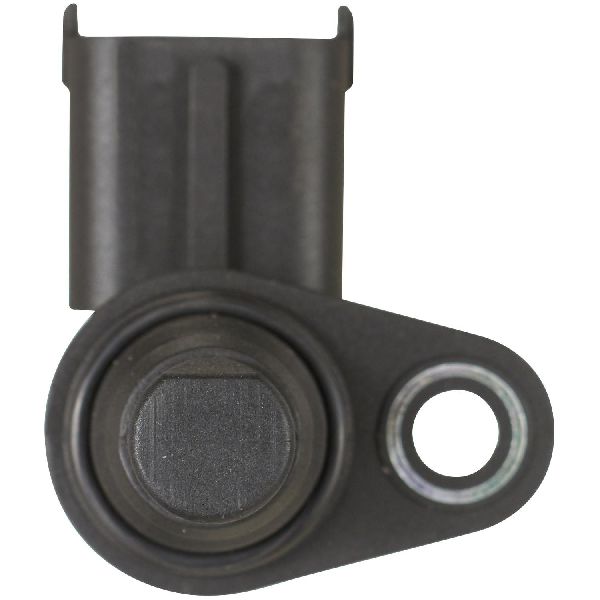
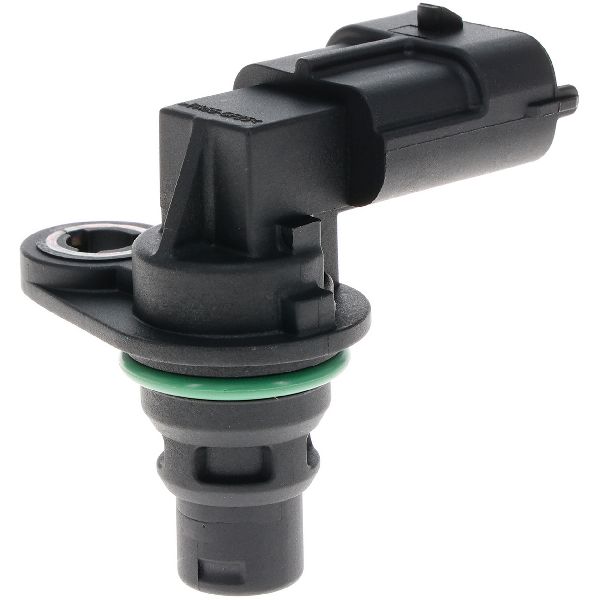
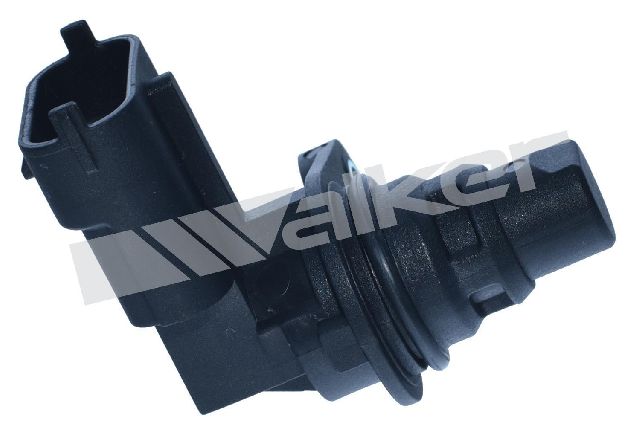
Est. part cost: $40-$70 - Faulty Camshaft Position Sensor ⚪ Low Probability → Shop Engine Camshaft Position Sensor
How to confirm: Use a scan tool with live data to monitor the sensor's output for erratic readings. A failing sensor may provide incorrect data to the ECM, causing it to set a timing code. However, this is less common than a solenoid issue for this specific code.
Typical fix: Replace the Bank 1 exhaust camshaft position sensor.
Est. part cost: $25-$50
Rare But Worth Checking
- Worn Timing Belt / Faulty Tensioner: → Shop Engine Timing Chain While less common than a solenoid failure, a stretched or jumped timing belt or a failing tensioner can cause the mechanical timing to be off, leading to this code. This is a more serious issue that should be investigated if replacing the VCT solenoid doesn't solve the problem.
- Damaged Camshaft Phaser (VCT Unit): → Shop Engine Camshaft The phaser is the mechanical gear that actually adjusts the camshaft's position. It can become clogged with sludge or fail internally, getting stuck in a retarded position. This is a more complex and expensive repair, often accompanied by a rattling noise from the engine.
Diagnosis Steps
- Check the engine oil level and condition. If low or dirty, perform an oil and filter change with the correct viscosity oil. Clear the code and test drive. This is the cheapest and easiest first step.
- If the code returns, use an OBD-II scanner to check for any other related trouble codes.
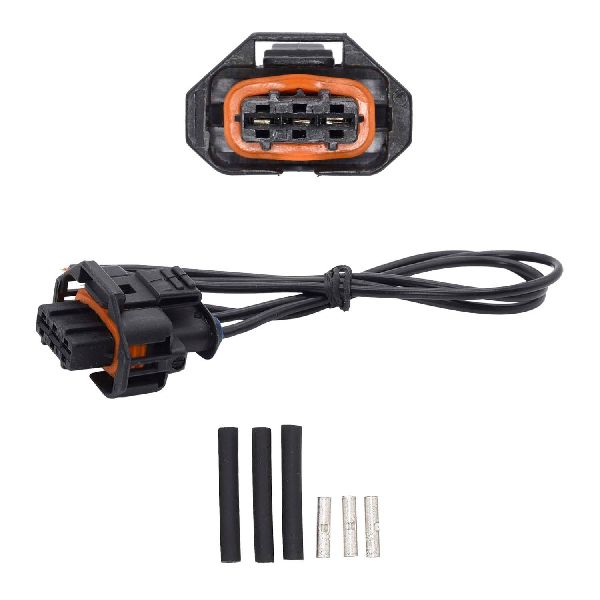
- Inspect the wiring and connector for the exhaust VCT solenoid (Bank 1) for any damage, corrosion, or loose connections.
- A common diagnostic trick is to swap the exhaust VCT solenoid with the intake VCT solenoid (they are the same part, BE8Z-6M280-B). They are located on the top of the valve cover and held by a single 8mm bolt each. Clear the codes and drive. If the code changes to P0012 (Intake Camshaft Position Timing Over-Retarded), this confirms the solenoid is the faulty part.
- If the solenoid swap confirms the fault, replace the bad solenoid. If not, remove the exhaust VCT solenoid and inspect the small screen filters on it for any metal shavings or sludge. Clean or replace as necessary.
- If the solenoid appears clean, you can test its operation by applying 12V to its terminals 🎬 Watch: Two simple DIY methods to fix the P0015 code. to see if the internal plunger actuates. A lack of movement indicates a failed solenoid.
- If the solenoid is not the issue, test the camshaft position sensor and its circuit.
- If all else fails, the issue may be with the timing belt or the camshaft phaser, which may require professional diagnosis.
Parts You'll Likely Need
- Variable Camshaft Timing (VCT) Solenoid
(OEM #BE8Z-6M280-B)— This is the most common cause of P0015 on this vehicle, as identified by Ford's own TSBs, which state it can stick due to debris. [⭐] Both intake and exhaust solenoids are the same part.
Trusted brands: Motorcraft (OEM), Dorman, Standard Motor Products (SMP), TRQ
OEM price range: $50-$75
Aftermarket price range: $25-$50 - Engine Oil and Filter — Clean oil is essential for the VCT system to operate correctly. An oil change is a critical first step and often part of the final solution.
Trusted brands: Motorcraft (oil), Castrol, Mobil 1
OEM price range: $50-$80
Aftermarket price range: $40-$60
Related Codes That Often Appear With This One
- P0014 — P0014 is for 'B' Camshaft Position - Timing Over-Advanced. It relates to the same VCT system and can appear if the solenoid is sticking intermittently or the sensor is failing erratically.
- P0340-P0344 — These codes relate to the camshaft position sensor circuit itself. If one of these is present with P0015, it points more strongly toward a sensor or wiring issue rather than a mechanical timing problem.
- P0017 — Crankshaft Position - Camshaft Position Correlation (Bank 1, Sensor B). This code often appears with P0015 if the timing has jumped a tooth or if the phaser has failed, indicating a more serious mechanical misalignment.
Technical Service Bulletins (TSBs) & Recalls
- SSM 48423: Mentions that P0015 (among other codes) may be due to small debris causing the VCT solenoid to stick. Recommends a diagnostic procedure to cycle the solenoid before replacement. [⭐]
- SSM 54366: Provides diagnostic guidance (Pinpoint test HK) for a range of VCT codes including P0015. [⭐]
- SSM 47170: An earlier bulletin also identifying debris as a cause for a sticking VCT solenoid leading to codes like P0015. [⭐]
Platform-Specific Known Issues
- Ford Technical Service Bulletin SSM 48423 notes that on 2015-2020 Ford vehicles, codes like P0015 may be caused by small debris causing the VCT solenoid to stick. It recommends using scan tool pinpoint test HK11 to cycle the solenoid and attempt to clear it before replacement. [⭐]
- Ford Technical Service Bulletin SSM 47170 reiterates the same issue for a similar range of vehicles, pointing to debris as a primary cause for VCT solenoid-related DTCs. [⭐]
- This code will cause an automatic failure of an emissions or smog test, as the Check Engine Light is illuminated and the fault directly impacts engine emissions.
Mechanic-Grade Diagnostic Values
- VCT Solenoid Internal Resistance — expected: 7.0 to 9.0 Ohms. One source specifies 6.9-7.9 Ohms at 68°F (20°C). Another indicates a normal range of 7.5-9.0 Ohms.. Failure: A reading outside the expected range (e.g., 11.4 Ohms) or an open circuit (no reading) indicates a faulty solenoid.
- VCT Solenoid Connector Voltage (Key On, Engine Off) — expected: Approximately 12V (battery voltage) on the power supply wire (Blue-Green wire on some diagrams).. Failure: No voltage indicates a problem with the power supply from the fuse box (Fuse F16 in Battery Junction Box) or the PCM power relay.
Scan Tool Commands That Help
- Ford IDS (Dealer Tool): Pinpoint Test HK / VCT Solenoid Cycle Test — As recommended by TSB SSM 48423, this command cycles the solenoid rapidly to try and dislodge small debris that may be causing it to stick. This should be used before deciding to replace the solenoid. [⭐]
- FORScan: Monitor PIDs: VCT_EXH_CMD (Commanded Angle) and VCT_EXH_ACT (Actual Angle) or VCT_EXH_DIF (Difference) — To diagnose a slow or non-responsive VCT system. Graphing these values while driving will show if the actual angle is lagging significantly behind the commanded angle, pointing to a sticking solenoid or phaser. A large, slow-to-correct value in the 'DIF' PID under load indicates a problem.
Wiring & Ground Locations
- VCT Solenoid Power Supply — The VCT solenoids receive power from fuse F16 (15A) in the engine compartment fuse box (Battery Junction Box). This fuse is powered by the PCM Power Relay.. If there is no power at the VCT solenoid connector, this fuse and relay are the primary suspects. Since this fuse also powers the fuel injectors, a blown fuse would likely cause a no-start condition, not just a P0015 code.
- Main Engine Ground — A primary ground strap connects from the battery negative terminal area to the chassis and to the engine block, often on a bolt for the transmission bell housing or a motor mount. Another ground point is located under the air filter housing.. A poor engine ground can cause a variety of electrical issues, including erratic sensor readings and incorrect actuator operation. While not a primary cause for P0015, verifying grounds are clean and tight is a crucial step in any electrical diagnosis.
- VCT Solenoid Control Wire — The ground signal for the VCT solenoid is pulse-width modulated (duty-cycled) by the Powertrain Control Module (PCM) to control its position.. A break or short in this wire between the solenoid and the PCM will prevent the solenoid from being controlled correctly, leading to a timing error code.
Real Owner Repair Stories
- YouTube channel 'cleverton siqueira' (Ford New Fiesta with 1.6 Sigma Ti-VCT engine) — P0015 code, loss of power, engine dying in the street.
❌ Tried (didn't work) Putting the engine in time with timing tools., Testing the camshaft position sensors (they were working).
✅ What actually fixed it The mechanic removed and inspected the VCT solenoids, finding them clogged with oil sludge ('borra'). He cleaned both solenoids, performed an engine oil and filter change, reinstalled the parts, and cleared the codes with a scanner, which resolved the issue. - Ford F150 Forum user (Ford F-150 (different vehicle, but same diagnostic principle for VCT)) — Rough idle, stalling when hot, shudder, P0022 (intake over-retarded, Bank 2).
❌ Tried (didn't work) Initial guessing between phaser and solenoid.
✅ What actually fixed it The user used FORScan to graph the VCT error PID (VCT_INT_DIF2). The graph showed the solenoid was slow to react and would overshoot the commanded value, creating instability. This data strongly indicated a faulty VCT solenoid rather than a more serious mechanical phaser issue, allowing for a targeted repair.
"I Checked Everything" — The Actual Cause
- A technician reported chasing various Ti-VCT performance DTCs on a 1.6L GTDI engine. Standard diagnostics like checking oil pressure were normal. The root cause was discovered during disassembly: an aftermarket oil filter had disintegrated, and small pieces of the filter material combined with oil to form a 'paper-oil mud' that clogged the VCT actuator passages.
OEM Part Supersession History
BE8Z-6M280-B→No supersession found in searches.— This appears to be the current and consistent part number for the specified vehicle range.
Model Year Variations Within This Range
- 2015-2019: No significant variations were found within this model year range for the 1.6L Ti-VCT engine (EMS2211/EMS2214) that would affect the diagnosis or common causes of code P0015. The VCT solenoid and its related issues appear consistent across these years.
Helpful Videos
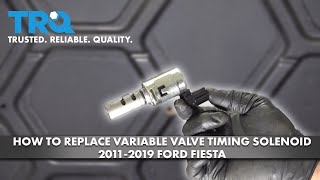
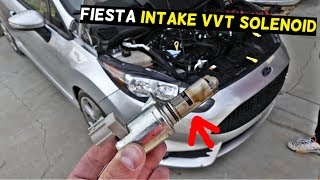

![How to Fix P0015 Engine Code in 4 Minutes [2 DIY Methods / Only $6.62]](https://img.youtube.com/vi/kO0eG5jKmzg/mqdefault.jpg)
We Have This Part in Stock


The information in this article is provided for general reference and educational purposes only. Vehicle specifications, procedures, and part compatibility can vary by production date, trim level, and region. Always consult your vehicle's factory service manual and verify part numbers before purchasing or performing repairs. Safety-critical components such as airbags, seat belts, and braking systems should be installed by a qualified professional.
- Ford FIESTA:
- 🧭 Diagnostic Flowchart
- 🎬 Helpful Videos
- 🛍️ Shop This Part
- What's Unique About the 2015-2019 Ford FIESTA
- Symptoms You May Notice
- Most Likely Causes
- Rare But Worth Checking
- Diagnosis Steps
- Parts You'll Likely Need
- Related Codes That Often Appear With This One
- Technical Service Bulletins (TSBs) & Recalls
- Platform-Specific Known Issues
- Mechanic-Grade Diagnostic Values
- Scan Tool Commands That Help
- Wiring & Ground Locations
- Real Owner Repair Stories
- "I Checked Everything" — The Actual Cause
- OEM Part Supersession History
- Model Year Variations Within This Range
- 🎟️ Get 5% Off