

P0015 on 2016-2018 Mazda CX-3: Causes and Fixes for Exhaust Cam Timing
On a 2016-2018 Mazda CX-3, P0015 is almost always caused by low/dirty engine oil or a failing exhaust Oil Control Valve (OCV), part number PE01-14-420A. Always check the oil first. If the oil is clean and full, the OCV is the next likely culprit. The code is frequently paired with P0524 (Low Oil Pressure), which points to debris in the oil system as described in Mazda TSBs.
- P0015 on a 2016-2018 Mazda CX-3 points to a problem with the exhaust camshaft timing, almost always related to engine oil.
- Your first step should always be to check the engine oil level and condition. An oil change with full synthetic 0W-20 oil may fix the issue.
- This code is frequently seen with P0524 (Low Oil Pressure). If both are present, an oil pressure test is necessary to avoid potential engine damage.
- Do not immediately replace the camshaft position sensor; it's rarely the cause. The most common failed part is the exhaust Oil Control Valve (OCV).
- Mazda has acknowledged this issue in TSBs and has an updated oil strainer part available that may be required to permanently fix the problem.
What's Unique About the 2016-2018 Mazda CX-3
Mazda's Skyactiv-G engines are particularly sensitive to oil pressure and cleanliness. For this reason, Mazda has issued multiple Technical Service Bulletins (TSBs) acknowledging that P0015 is frequently caused by oil-related issues, such as debris in the oil pump or Oil Control Valve (OCV). The problem is so specific that Mazda has a prescribed diagnostic procedure that often involves checking for an accompanying P0524 (Engine Oil Pressure Too Low) code and may require replacing an oil strainer with an updated part. The TSBs explicitly state the cause is often a foreign object temporarily getting stuck in the oil pump pressure relief valve or the OCV.
Symptoms You May Notice
- Check Engine Light is on
- Rough idle
- Poor acceleration and reduced engine power
- Decreased fuel economy
- Engine hesitation or stalling
- Rattling noise from the engine, especially on startup.
- Replacing the camshaft position sensor first. The sensor is typically not the root cause; it is accurately detecting a mechanical or oil pressure-related timing issue.
- Replacing the OCV without checking oil pressure first, especially when P0524 is also present. The TSBs provide a clear diagnostic path based on oil pressure readings.
Most Likely Causes
- Low or Dirty Engine Oil 🔴 High Probability The Skyactiv-G VVT system is hydraulic and highly sensitive to oil level, viscosity, and cleanliness. Mazda TSBs directly link oil pressure drops from debris to this code, making it the most critical first check.
How to confirm: Check the engine oil dipstick. The oil should be at the full mark and have a clear, amber color. Dark, thick, or sludgy oil is a problem. A Reddit user with a P0015 code noted they were significantly behind on an oil change, which was the suspected cause.
Typical fix: Perform an engine oil and filter change using the manufacturer-specified full synthetic 0W-20 oil.
Est. part cost: $40-$80 - Failing Exhaust Oil Control Valve (OCV/VVT Solenoid) 🟡 Medium Probability → Shop Engine Variable Valve Timing (VVT) Solenoid The OCV can become clogged with debris or fail electrically, preventing it from correctly regulating oil flow to the camshaft phaser. Mazda TSBs recommend replacing the OCV if diagnostics point to it.
How to confirm: After verifying oil level, you can test the OCV. Check its resistance with a multimeter (should be 6.9-7.9 ohms at 68°F/20°C). A common diagnostic trick is to swap the identical intake and exhaust OCVs; if the code changes to P0012 (Intake Camshaft Over-Retarded), the OCV is faulty.
Typical fix: Replace the exhaust-side Oil Control Valve. The OEM part number is PE01-14-420A.
Est. part cost: $100-$300 - Clogged Oil Strainer or Failing Oil Pump ⚪ Low Probability → Shop Engine Oil Pump Mazda TSBs note that debris can get stuck in the oil pump's pressure relief valve or clog the oil pickup strainer, causing low oil pressure that triggers P0015, often with P0524. Mazda has released a modified oil strainer to address this. A forum user with a 2016 Mazda 3 reported their P0015 was ultimately fixed by replacing the oil pump after a dealership oil change used the wrong weight oil.
How to confirm: This requires a mechanical oil pressure test. If pressure is below specification (TSBs specify checking at 650, 1500, and 4500 RPM, with idle pressure needing to be >7 psi), the pump or strainer is the likely cause.
Typical fix: Drop the oil pan, clean it, and replace the oil strainer with the updated part. If the oil pump is confirmed to be faulty, it must be replaced.
Est. part cost: $30-$400
Rare But Worth Checking
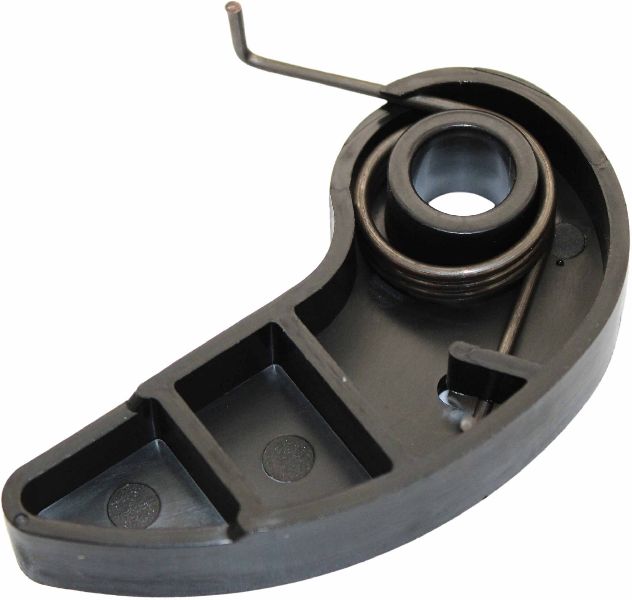
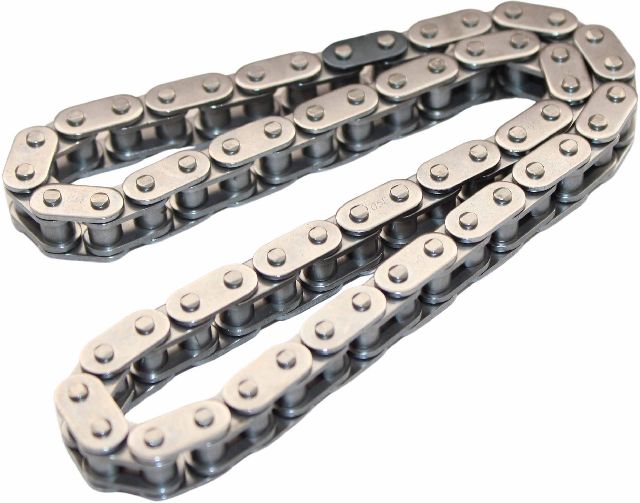
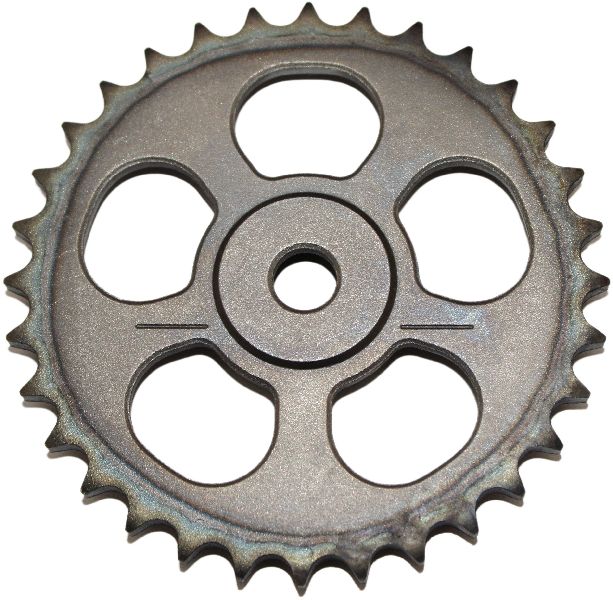
- Stretched Timing Chain or Faulty Camshaft Phaser: → Shop Engine Timing Chain While less common, severe oil neglect or high mileage can lead to a stretched timing chain or a phaser that is mechanically stuck. This is a more serious mechanical issue, often accompanied by rattling noises and codes like P0017.
- Faulty Camshaft Position Sensor: → Shop Engine Camshaft Position Sensor It is rare for the sensor itself to fail. The sensor is usually correctly reporting a timing problem caused by something else. Do not replace this part first unless all other causes have been ruled out.
Diagnosis Steps
- Check the engine oil level and condition. If it is low, dirty, or the wrong viscosity, perform an oil and filter change with full synthetic 0W-20 oil, clear the code, and re-test.
- Scan for other codes. If P0524 is present, this strongly points to an oil pressure problem that requires a mechanical oil pressure test.
- If only P0015 is present and the oil is good, follow the TSB procedure: clear the code and rev the engine to 4,000 RPM ten times to try and dislodge debris from the OCV.
- Inspect the wiring and connector for the exhaust OCV (on the top of the valve cover) for any damage or corrosion.
- Test the OCV. You can swap the exhaust OCV with the intake OCV. If the code changes to P0012, the OCV is bad and needs to be replaced.
- If the code returns and oil pressure tests normal, but the cam angle deviation is over 5 degrees, Mazda's TSB suggests replacing the OCV. If the deviation is within 5 degrees, the TSB recommends replacing the oil strainer with a modified part, which requires removing and cleaning the oil pan.
- If the mechanical oil pressure test shows low pressure, the TSB directs replacement of the oil pump and the modified oil strainer.
- If you hear rattling noises or the timing deviation is severe, inspect the timing chain, tensioner, and camshaft phaser for wear or damage.
Parts You'll Likely Need
- Exhaust Oil Control Valve (OCV)
(OEM #PE01-14-420A)— This solenoid is the most common part to fail or clog with debris, directly causing the timing issue. It is the same part for both intake and exhaust.
Trusted brands: Mazda OE, Dorman, Standard Motor Products (SMP)
OEM price range: $150-$315
Aftermarket price range: $80-$150 - Oil Strainer (Pickup Tube Screen)
(OEM #PE7W-14-240)— Mazda issued a TSB recommending the replacement of the original oil strainer with a modified version to prevent debris-related oil pressure drops. The latest part number may be PE01-14-240A which supersedes older versions.
Trusted brands: Mazda OE
OEM price range: $30-$50
Aftermarket price range: $20-$40 - Engine Oil and Filter — The VVT system is highly sensitive to oil quality. An oil change with the correct 0W-20 synthetic oil is the first and easiest step and may resolve the issue on its own.
Trusted brands: Mobil 1, Castrol, Valvoline, Mazda Genuine Oil
OEM price range: $60-$90
Aftermarket price range: $40-$70
Related Codes That Often Appear With This One
- P0524 — Stands for 'Engine Oil Pressure Too Low'. Mazda TSBs explicitly state that P0015 and P0524 often appear together, indicating the root cause is a drop in oil pressure due to debris in the oil pump or OCV.
- P0017 — Stands for 'Crankshaft Position - Camshaft Position Correlation'. This may appear if the timing deviation is significant, pointing towards a more severe mechanical issue like a stretched or slipped timing chain.
Technical Service Bulletins (TSBs) & Recalls
- 01-016-19-3627: Supersedes many previous bulletins and covers 2016-2018 CX-3. It details the diagnostic flowchart for P0015/P0524, blaming debris for oil pressure drops and specifying when to replace the oil pump vs. the OCV and modified strainer.
- 01-009/16: An earlier multi-model TSB that also covers the P0015/P0524 issue, providing flowcharts and the procedure of revving the engine to dislodge debris.
- 01-003/13: An early bulletin for 2012-13 Skyactiv engines with the same P0015/P0524 issue, establishing the cause as foreign objects in the oil system.
Platform-Specific Known Issues
- Mazda has issued multiple TSBs (e.g., 01-016-19-3627, 01-009/16) for Skyactiv engines regarding P0015, especially when paired with P0524. The cause is identified as a drop in oil pressure from debris lodging in the oil pump pressure relief valve or the OCV. The diagnostic procedure is highly specific: if oil pressure is low, the oil pump and strainer are replaced. If oil pressure is normal, the OCV and/or strainer are replaced based on cam angle deviation.
Mechanic-Grade Diagnostic Values
- Oil Control Valve (OCV) Resistance — expected: 6.9 - 7.9 Ohms at 68°F (20°C). Failure: A reading outside this range, or 0/infinite ohms, indicates an electrical failure in the solenoid.
- Exhaust Camshaft Angle Deviation (Live Data) — expected: Less than 5 degrees difference between target (VT_EX_DES) and actual (VT_EX_ACT) PIDs at idle.. Failure: A deviation greater than 5 degrees points towards a faulty OCV or a mechanical issue, as per Mazda TSB 01-009/16.
- Mechanical Engine Oil Pressure (Hot Engine) — expected: At 650 RPM: > 7 psi (50 kPa). At 1,500 RPM: 16.0 - 25.3 psi (110-175 kPa). At 4,500 RPM: 43.6 - 62.3 psi (300-430 kPa).. Failure: Readings below these specifications confirm a low oil pressure condition, pointing to the oil pump or strainer as the cause.
Scan Tool Commands That Help
- Mazda M-MDS or FORScan: Live Data PID Monitoring: 'VT_EX_DES' (Target) vs. 'VT_EX_ACT' (Actual) — This is the primary method outlined in Mazda TSBs to quantify the camshaft timing deviation. A difference of more than 5 degrees is a key diagnostic threshold for determining the next repair step.
- FORScan: Bidirectional Control / Output Control (OCV) — Allows a technician to manually command the exhaust OCV on and off while the engine is running to verify its mechanical operation and observe the effect on engine performance and live data, helping to isolate a stuck or slow-to-respond valve.
Wiring & Ground Locations
- G10 — On the left rear of the cylinder head.. A poor ground at this location could potentially affect the readings of engine sensors mounted on the cylinder head, including the camshaft position sensor, leading to incorrect data being sent to the PCM.
- PCM Pin 1AN — Pin 1AN on the Powertrain Control Module (PCM) connector.. This is the specific pin that sends the control signal to the Oil Control Valve (OCV). In advanced diagnostics, a technician can back-probe this pin to test for a control signal (typically a PWM signal) from the PCM, which helps rule out a faulty PCM driver or a break in the wiring harness if the OCV is not responding.
Real Owner Repair Stories
- Reddit user brandonprime on r/AskAMechanic (2016 Mazda 3 (2.0L Skyactiv-G engine)) — Weird rattling sound and struggling to start, which got progressively worse over 3 months. Eventually, the P0015 code appeared and the engine started to lose power.
❌ Tried (didn't work) Initial online research pointed to an oil change or replacing the VVT solenoid.
✅ What actually fixed it The oil pump was replaced. The owner suspects a dealership oil change using the wrong weight oil or overfilling it caused the oil pump to fail.
OEM Part Supersession History
PE01-14-420→PE01-14-420A— Standard part revision and improvement.
Heads up: The parts are interchangeable, with the 'A' revision being the current and preferred replacement.PE7W-14-240→PE01-14-240A— Mazda released a modified oil strainer to address issues with debris causing oil pressure drops, as noted in TSBs.
Heads up: When replacing the oil strainer due to P0015/P0524 codes, it is critical to use the updated part number as specified in the relevant TSB for the vehicle's specific year and engine.
Diagnostic Flowchart
Other Known Issues on This Vehicle
Issues unrelated to this code that are worth knowing about as an owner of this generation:
- Leaking A/C Condenser 🟠 Medium — A commonly reported problem leading to loss of A/C function. Often requires replacement of the condenser.
- Infotainment System Glitches 🟡 Low — Owners report issues like lagging, freezing, or unresponsive touchscreens. Sometimes resolved with a software update. (Ref: Multiple TSBs exist for diagnosing Mazda Connect concerns.)
- Premature Wheel Bearing Failure 🟠 Medium — A humming noise that increases with speed is a sign of a failing wheel bearing, which has been reported by some owners.
- Tailgate Strut Failure / Recall 🟡 Low — Early models (especially 2016) were subject to a recall for tailgate lift supports that could corrode and fail, causing the tailgate to fall unexpectedly. (Ref: Recall exists for this issue.)
- Electrical System Faults (2016 model) 🟠 Medium — The 2016 model year has a higher number of owner complaints related to the electrical system, including starting issues and ECU malfunctions. (Ref: Numerous TSBs (791 in total for 2016 model) address various system issues.)
Used vs. New Parts: Buying Guide for This Vehicle
When a used part is the smart pick: For this specific repair, using used parts is generally not recommended. The primary culprits (OCV, oil pump, oil strainer) are all critical to engine lubrication and are known failure points due to internal wear and clogging from debris. The risk of a used part failing again shortly after installation is high.
Donor-vehicle mileage cap: roughly under 40000 miles for the part to have meaningful remaining life.
What to inspect on the donor part:
- If considering a used OCV, verify the donor vehicle had regular oil changes with 0W-20 synthetic oil.
- Inspect the screen on a used OCV for any signs of sludge, varnish, or metallic debris before purchase.
- Avoid any parts from a donor vehicle that shows signs of engine sludge (e.g., thick, black deposits visible through the oil filler cap).
OEM-only on this vehicle (don't cheap out):
- Oil Pump
- Oil Strainer
Aftermarket brands forum-validated for this vehicle:
- Dorman (for Oil Control Valve)
- Hitachi (for Oil Control Valve)
- Standard Motor Products (SMP) (for Oil Control Valve)
Brands owners have reported issues with on this vehicle:
- No-name or unbranded OCVs from online marketplaces, as their internal calibration and durability may not meet OEM specifications required by the sensitive Skyactiv VVT system.
Real Owner Stories
Aggregated from forums and TSBs cited above. Mileages and costs reflect what owners reported in those sources.
2016 Mazda 3 2.0L Skyactiv-G
Symptoms: Intermittent P0015 code and engine stalling.
What fixed it: The owner was significantly overdue for an oil change, which was the suspected primary cause of the issue.
Source hint: Reddit r/MechanicAdvice: '16 Mazda 3 P0015 Code Cleared itself After stall.
2016 Mazda 3 2.0L Skyactiv-G
Symptoms: Rattling noise on startup and a P0015 code that appeared months after a dealership oil change.
What fixed it: The final fix was replacing the oil pump. The owner suspected the dealership had used the wrong weight oil, leading to the pump's failure.
Source hint: Reddit r/AskAMechanic: Need help with Code p0015 on mazda 3 2016
Related OBD-II Codes
Frequently Asked Questions
What is the first and most important thing to check if my 2016-2018 CX-3 shows a P0015 code?
I have both P0015 and P0524 codes showing. What does this mean for my Mazda?
Is there a way to test the exhaust Oil Control Valve (OCV) before replacing it?
I heard about a Mazda TSB for this issue. Does it apply to my car?
My oil level is fine. Is there a simple procedure I can try before going to a mechanic?
The dealership mentioned replacing a 'modified oil strainer'. Is this a real part for this problem?
What is the correct part number for the exhaust OCV on my CX-3?
Helpful Videos

We Have This Part in Stock


The information in this article is provided for general reference and educational purposes only. Vehicle specifications, procedures, and part compatibility can vary by production date, trim level, and region. Always consult your vehicle's factory service manual and verify part numbers before purchasing or performing repairs. Safety-critical components such as airbags, seat belts, and braking systems should be installed by a qualified professional.
- Mazda CX-3:
- 🧭 Diagnostic Flowchart
- 🎬 Helpful Videos
- 🛍️ Shop This Part
- What's Unique About the 2016-2018 Mazda CX-3
- Symptoms You May Notice
- Most Likely Causes
- Rare But Worth Checking
- Diagnosis Steps
- Parts You'll Likely Need
- Related Codes That Often Appear With This One
- Technical Service Bulletins (TSBs) & Recalls
- Platform-Specific Known Issues
- Mechanic-Grade Diagnostic Values
- Scan Tool Commands That Help
- Wiring & Ground Locations
- Real Owner Repair Stories
- OEM Part Supersession History
- Other Known Issues on This Vehicle
- Used vs. New Parts: Buying Guide for This Vehicle
- Real Owner Stories
- 2016 Mazda 3 2.0L Skyactiv-G
- 2016 Mazda 3 2.0L Skyactiv-G
- Related OBD-II Codes
- Frequently Asked Questions
- 🎟️ Get 5% Off