

P0016 on 2020-2021 Cadillac CT5: Causes, Fixes & TSBs
On a 2020-2021 Cadillac CT5, P0016 indicates a timing correlation error. For the 3.0L V6 (LGY), the most likely cause is a faulty Intake Camshaft Position Actuator Park Lock Solenoid, per GM TSB #PIP5730B. For the 2.0L Turbo (LSY), suspect a faulty or collapsed timing chain tensioner causing chain slack, as detailed in GM TSB #PIP5652A. Always check engine oil level and condition first, as low or dirty oil affects the hydraulic VVT system.
- P0016 on a 2020-2021 CT5 is a serious code that requires immediate attention to prevent potential engine damage.
- The most likely cause depends on your engine: for the 3.0L V6, it's likely a specific VVT solenoid (per TSB #PIP5730B); for the 2.0L Turbo, it's likely the timing chain tensioner.
- Always start diagnosis by checking the engine oil level and condition, as low or dirty oil is a common contributor to VVT system faults.
- Do not immediately replace the cam/crank sensors; they are usually reporting a real mechanical issue, not failing themselves.
- This is not a simple DIY fix. Diagnosis and repair should be left to a professional technician familiar with modern GM engines.
What's Unique About the 2020-2021 Cadillac CT5
While P0016 on many older GM engines points to stretched timing chains, the 2020-2021 CT5 has more specific, documented issues. For the 3.0L Twin-Turbo V6 (LGY), General Motors issued Technical Service Bulletin #PIP5730B specifically for this code, pointing technicians toward faulty Intake Camshaft Position Actuator Park Lock Solenoids which can stick or come apart. For the 2.0L Turbo (LSY) engine, GM TSB #PIP5652A identifies issues with the timing chain tensioner sticking or collapsing, causing chain slack and a rattling noise. This makes it crucial to diagnose based on the engine, rather than assuming it's the same primary timing chain failure common on older GM V6s.
Diagnostic Flowchart
Tap your situation to follow the diagnostic path that matches what you're seeing on this vehicle.
Symptoms You May Notice
- Check Engine Light is on
- Rough or unstable idle
- Reduced engine power and sluggish acceleration
- Engine is hard to start or cranks but won't start
- Rattling noise from the engine, especially near the timing cover 🎬 See this guide on identifying and fixing engine rattling noises. (a key symptom for the 2.0L LSY issue).
- Replacing the camshaft or crankshaft position sensors without confirming they have failed. These sensors are often just doing their job by reporting a real mechanical timing issue. 🎬 Watch: Understanding camshaft correlation codes and how to fix them.
Most Likely Causes
- Faulty Intake Camshaft Position Actuator Park Lock Solenoid Valve (3.0L V6) 🔴 High Probability → Shop Engine Camshaft This specific part is identified by GM in TSB #PIP5730B as a primary cause for P0016 on the 3.0L LGY engine. The solenoid can stick or physically come apart, with part of the valve remaining in the actuator. This often occurs with no other drivability symptoms besides the check engine light.
How to confirm: A technician will remove the solenoids for inspection. A key diagnostic step is to swap the intake park lock solenoids between engine banks (Bank 1 and Bank 2) to see if the code follows to the other bank (e.g., P0018 sets). If the code changes, the solenoid is confirmed as the fault.
Typical fix: Replace the faulty Intake Camshaft Position Actuator Park Lock Solenoid Valve(s). TSB #PIP5730B suggests replacing both if one is found to be bad.
Est. part cost: $50-$150 - Stuck or Collapsed Timing Chain Tensioner (2.0L I4) 🔴 High Probability → Shop Engine Timing Chain GM TSB #PIP5652A identifies a faulty timing chain tensioner as a cause for P0016 on the 2.0L LSY engine. The tensioner plunger can get stuck in its body, leading to a loose timing chain and a rattling noise. 🎬 Watch: Common GM timing chain issues and rattle symptoms explained.
How to confirm: A physical inspection is required, which involves removing the lower engine front cover to check for an air gap between the tensioner plunger and the timing chain guide. A rattling sound from the front of the engine is a strong indicator.
Typical fix: Replace the timing chain tensioner. While access is difficult, the guides and chain should also be inspected for excessive wear or damage and replaced if necessary.
Est. part cost: $80-$200 - Low, Degraded, or Incorrect Viscosity Engine Oil 🟡 Medium Probability The camshaft phasing system (VVT) is hydraulic and relies entirely on clean engine oil at the correct pressure. The 2.0L LSY requires 0W-20 dexos1 oil, while the 3.0L LGY requires 5W-30 dexos1. Using the wrong oil or having low/dirty oil can cause actuator solenoids to stick or fail.
How to confirm: Check the oil level on the dipstick and inspect its condition. If it's low, black, or sludgy, this is a likely contributor.
Typical fix: Perform an oil and filter change using the manufacturer-specified oil. Clear codes and see if the issue returns.
Est. part cost: $60-$120 - Faulty Camshaft or Crankshaft Position Sensor ⚪ Low Probability → Shop Engine Crankshaft Position Sensor
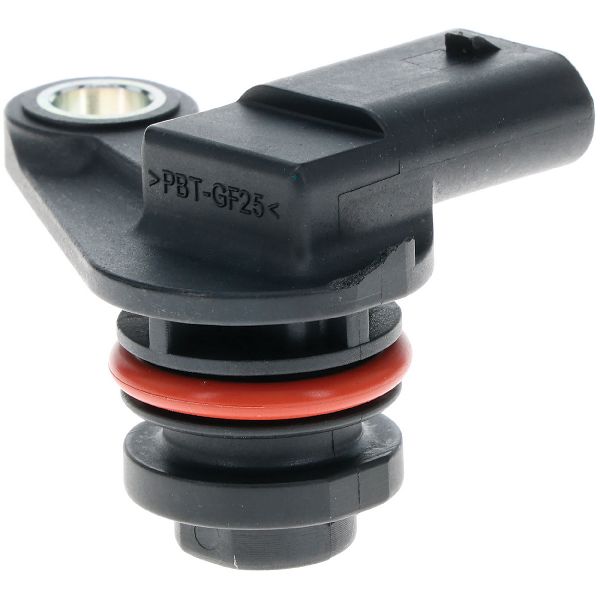
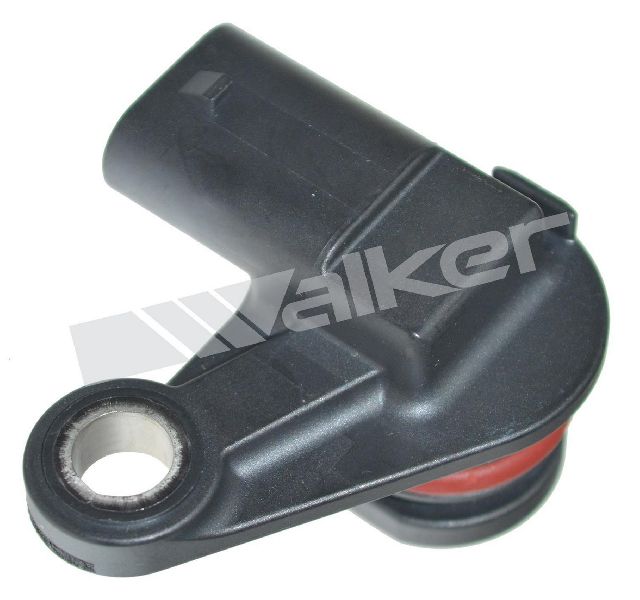
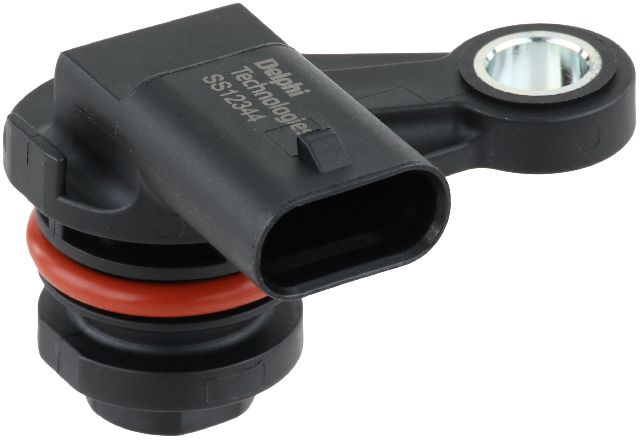
How to confirm: Use a scan tool with live data or an oscilloscope to check for a clean, consistent signal from both sensors. A lack of signal or an erratic waveform indicates a bad sensor.
Typical fix: Replace the failed sensor. However, this is often misdiagnosed; the sensors are usually correctly reporting a mechanical problem.
Est. part cost: $40-$100
Rare But Worth Checking
- Stretched or Jumped Timing Chain: → Shop Engine Timing Chain While less common on these newer engines compared to their predecessors, a stretched timing chain remains a possibility, especially on higher-mileage vehicles or those with poor maintenance history. A failed tensioner on the 2.0L LSY can lead to this if not addressed.
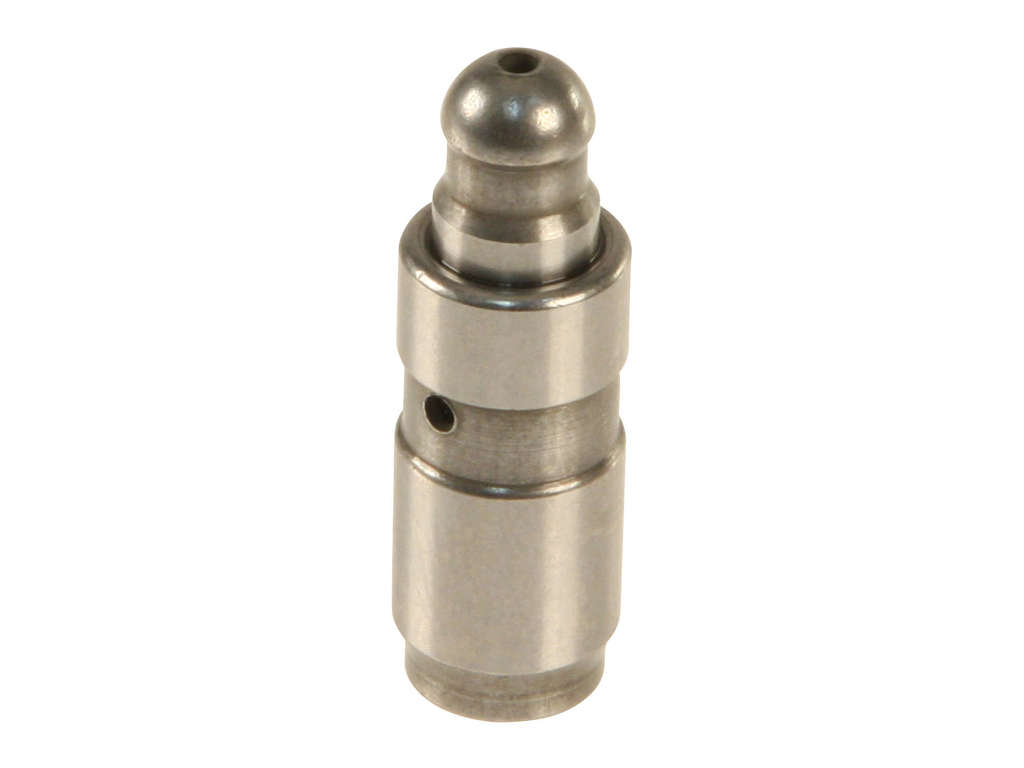
- Damaged Camshaft Actuator or Spongy Lash Adjusters (3.0L V6): → Shop Engine Camshaft TSB #21-NA-278 notes that internal valvetrain issues like damaged actuators or failed hydraulic lash adjusters (lifters) can also cause timing correlation codes, often accompanied by a ticking or rattling noise. This is a complex, labor-intensive diagnosis.
- Swapped Electrical Connectors (3.0L V6): On related GM V6 engines, TSB #19-NA-150 warns that after engine repairs, the connectors for the Bank 1 intake VVT solenoid and the intake actuator park lock solenoid can be accidentally swapped because they are identical. This would immediately set a P0016 code.
- Slipped Crankshaft Reluctor Wheel: → Shop Engine Crankshaft On other GM engines, a known, though rare, cause for P0016 is the crankshaft reluctor wheel (tone ring) slipping from its position, causing the crankshaft position sensor to send incorrect data to the ECM. This is a major repair, often requiring crankshaft replacement.
Diagnosis Steps
- Check Engine Oil: Verify the oil level is correct and the oil is clean. Ensure the correct viscosity is being used (0W-20 for 2.0L LSY, 5W-30 for 3.0L LGY). If incorrect, perform an oil change, clear codes, and re-test.
- Scan for Other Codes: Check for other related codes (P0017, P0018, P0019, P0300) to help narrow down the problem.
- (3.0L V6) Inspect Park Lock Solenoids: Following TSB #PIP5730B, remove and inspect the Intake Camshaft Position Actuator Park Lock Solenoids for damage or sticking. Consider swapping them between banks to see if the code moves from P0016 to P0018.
- (2.0L I4) Listen for Engine Rattle: Listen for a distinct rattling noise from the front of the engine, which is a key symptom of a failed timing chain tensioner per TSB #PIP5652A.
- Inspect Sensors and Wiring: Visually inspect the camshaft and crankshaft position sensors and their wiring for any damage, corrosion, or loose connections. On the 3.0L V6, verify the park lock solenoid and VVT solenoid connectors are not swapped.
- Analyze Sensor Data: Use a professional scan tool to observe the live data from the cam and crank sensors to ensure they are producing a signal.
- (2.0L I4) Inspect Timing Chain Tensioner: If oil and sensors are good, the next step is a mechanical inspection of the timing chain and tensioner, which requires partial engine disassembly to check for a collapsed plunger.
- Check Mechanical Timing: If all else fails, a full mechanical timing inspection is necessary to check for a stretched chain, worn guides, or a slipped reluctor wheel.
Parts You'll Likely Need
- Intake Camshaft Position Actuator Park Lock Solenoid Valve
(OEM #12681275)— This is the most likely cause for P0016 on the 3.0L V6 engine, as identified in GM TSB #PIP5730B. Part number 12681275 supersedes 12669993.
Trusted brands: ACDelco (Genuine GM)
OEM price range: $35-$60
Aftermarket price range: $20-$40 - Timing Chain Tensioner
(OEM #12706932)— This is a primary suspect for the 2.0L LSY engine, as it can stick or collapse, causing the timing chain to become loose, per TSB #PIP5652A.
Trusted brands: ACDelco (Genuine GM)
OEM price range: $120-$180
Aftermarket price range: $80-$130 - Camshaft Position Sensor — Though less common, a sensor can fail. It's replaced if testing shows no signal or an erratic signal.
Trusted brands: ACDelco, Bosch, Delphi
OEM price range: $60-$100
Aftermarket price range: $40-$70 - Timing Chain Kit — If the chain has stretched or jumped, or if a tensioner or guide has failed, a complete kit replacement is necessary. This is a more likely scenario on the 2.0L LSY if the tensioner issue was not addressed promptly.
Trusted brands: ACDelco (Genuine GM), Cloyes
OEM price range: $400-$600
Aftermarket price range: $250-$450
Related Codes That Often Appear With This One
- P0018 — This is the equivalent code for Bank 2. If P0016 and P0018 appear together on the 3.0L V6, it points to a problem common to both banks, such as an issue with the primary timing chain or, more likely, the Intake Camshaft Position Actuator Park Lock Solenoids as noted in TSB #PIP5730B.
- P0017 — This code is for the exhaust camshaft on Bank 1. If seen with P0016, it strongly suggests a base timing issue on the entire bank, like a jumped or stretched timing chain, which can be caused by a failed tensioner on the 2.0L LSY.
- P0300 — This is a random misfire code. Incorrect cam timing disrupts the combustion process, leading to misfires. TSB #21-NA-278 links timing codes with misfire codes and engine noise.
Technical Service Bulletins (TSBs) & Recalls
- PIP5730B: Diagnostic Assistance For P0011, P0016, P0018, and P0021 On The Gen 2 HFV6 Engine. Identifies faulty Intake Camshaft Position Actuator Park Lock Solenoid Valves as the cause for P0016 on the 3.0L LGY.
- PIP5652A: Rattle Noise From Front of Engine With or Without DTCs P0011, P0014, P0016, P0017. Points to a stuck or collapsed timing chain tensioner on the 2.0L LSY engine.
- 21-NA-278: Diagnostic Strategy for Ticking, Tap or Rattle Noise from Engine with Possible Misfire. Links timing codes like P0016 with internal valvetrain issues like damaged actuators or lash adjusters.
- 19-NA-150: Information on Rough Idle, Malfunction Indicator Lamp (MIL) Illuminated After Engine Repairs - DTC P0016 Set. Warns about swapping identical connectors for the VVT solenoid and park lock solenoid on related V6 engines.
Platform-Specific Known Issues
- TSB #PIP5730B specifically calls out the Intake Camshaft Position Actuator Park Lock Solenoid Valves as a cause for P0016 on the 3.0L LGY V6 engine.
- A GM TechLink article points to a stuck or collapsed timing chain tensioner as a cause for P0016 on the 2.0L LSY I4 engine.
- TSB #21-NA-278 indicates that more complex valvetrain issues, such as faulty hydraulic lash adjusters or a leaking timing chain tensioner gasket, can also trigger this code on the 3.0L V6.
Mechanic-Grade Diagnostic Values
- VVT Solenoid / Camshaft Position Actuator Solenoid Resistance — expected: 8 to 13 Ohms. Failure: A reading outside this range, or a reading that fluctuates wildly when tapping on the solenoid, indicates a faulty solenoid. An open circuit (infinite resistance) or a short (near zero resistance) also indicates failure.
- Scan Tool Camshaft/Crankshaft Correlation Value — expected: Near 0 degrees at idle.. Failure: A value that is consistently greater than a calibrated threshold (e.g., more than +/- 10 degrees) for a set period (e.g., 10 seconds) will trigger the DTC. For example, one service document notes a failure if the timing is slower than 16.6°CA (ATDC) for 10 seconds.
Scan Tool Commands That Help
- GDS2 (GM Techline): Camshaft Position Actuator Solenoid Control — This bidirectional test allows a technician to command the VVT solenoids on and off while monitoring engine RPM. A change in engine idle quality or RPM when the solenoid is commanded indicates the solenoid is mechanically responding to the command, helping to differentiate between a wiring/ECM issue and a stuck mechanical component.
- GDS2 (GM Techline): Crankshaft Position and Camshaft Position Correlation Test — This is a specific diagnostic function within GDS2 that monitors the desired vs. actual camshaft position angles. It provides real-time data on how well the phasers are tracking the ECM's commands, which is crucial for diagnosing intermittent or borderline correlation faults.
OEM Part Supersession History
12669993→12681275— Part update or improvement by the manufacturer.
Heads up: The part description for 12681275 is often listed as 'Valve Rocker Arm' by many parts suppliers, which can cause significant confusion. However, TSB PIP5730B identifies the 'Intake Camshaft Position Actuator Park Lock Solenoid Valve' as the component to inspect for P0016 on the 3.0L LGY, and forum/parts data confirms 12681275 is the correct service part for this solenoid, superseding the older 12669993.
Helpful Videos
We Have This Part in Stock


The information in this article is provided for general reference and educational purposes only. Vehicle specifications, procedures, and part compatibility can vary by production date, trim level, and region. Always consult your vehicle's factory service manual and verify part numbers before purchasing or performing repairs. Safety-critical components such as airbags, seat belts, and braking systems should be installed by a qualified professional.
- Cadillac CT5:
- 🧭 Diagnostic Flowchart
- 🎬 Helpful Videos
- 🛍️ Shop This Part
- What's Unique About the 2020-2021 Cadillac CT5
- Symptoms You May Notice
- Most Likely Causes
- Rare But Worth Checking
- Diagnosis Steps
- Parts You'll Likely Need
- Related Codes That Often Appear With This One
- Technical Service Bulletins (TSBs) & Recalls
- Platform-Specific Known Issues
- Mechanic-Grade Diagnostic Values
- Scan Tool Commands That Help
- OEM Part Supersession History
- 🎟️ Get 5% Off