

P0016 on 2009-2010 Pontiac G3: Crank/Cam Timing Correlation Causes and Fixes
On the 2009-2010 Pontiac G3, code P0016 almost always points to a problem with the timing belt system, such as a slipped belt, a failed tensioner, or failed idler pulleys which were originally made of plastic. It can also be caused by a bad camshaft or crankshaft sensor, or incorrect installation of components after a repair. Addressing this promptly is critical as this is an interference engine and continued operation can lead to catastrophic engine damage.
- P0016 on a 2009-2010 Pontiac G3 is a serious code that indicates a mechanical timing problem.
- Do not continue to drive the vehicle, as this can lead to catastrophic engine failure.
- The most likely cause is a problem with the timing belt system (slipped belt or bad tensioner), not a stretched timing chain.
- Before replacing sensors, verify the engine's mechanical timing is correct.
- A complete timing belt service, including the tensioner and water pump, is the recommended repair if the timing is found to be incorrect.
What's Unique About the 2009-2010 Pontiac G3
The 2009-2010 Pontiac G3 is a rebadged Chevrolet Aveo and uses a 1.6L Daewoo-sourced LXV engine, which was new for the 2009 model year and featured Variable Valve Timing (VVT). Unlike many other GM vehicles of the era that use timing chains prone to stretching, this engine uses a timing belt. Therefore, the root causes for P0016 on the G3 are more likely related to timing belt system failure. A notorious weak point on the platform mate, the Chevrolet Aveo, is the original plastic-bodied tensioner and idler pulleys, which are known to fail and cause the belt to slip. The official replacement interval for the belt is 100,000 miles, but many specialists and owner forums recommend a more conservative 60,000-mile interval due to the risk of pulley failure and the engine's interference design.
Diagnostic Flowchart
Tap your situation to follow the diagnostic path that matches what you're seeing on this vehicle.
Symptoms You May Notice
- Check Engine Light is on
- Engine runs rough or misfires
- Poor acceleration and reduced power
- Engine cranks but fails to start
- Rattling or unusual noises from the engine
- Hard or delayed starting
- Engine stalls, especially at idle
- Sudden, hard jolting deceleration at highway speeds
- Replacing only the camshaft or crankshaft sensor without first verifying the engine's mechanical timing is perfect. The code is most often a symptom of a mechanical issue (the timing belt system) rather than a sensor failure.
- Performing a timing belt change but re-using the original plastic idler pulleys or old tensioner, which then fail shortly after, causing the belt to slip.
Most Likely Causes
- Slipped, Stretched, or Worn Timing Belt 🔴 High Probability → Shop Engine Timing Chain The 1.6L engine uses a timing belt that has a finite service life. While the official interval is 100,000 miles, the original plastic pulleys are a known weak point that can fail earlier, causing the belt to slip. An old belt can also stretch, causing enough deviation to trigger the code.
How to confirm: Visually inspect the timing belt for missing teeth, cracks, damage, or incorrect alignment marks after removing the timing cover. Check for excessive slack.
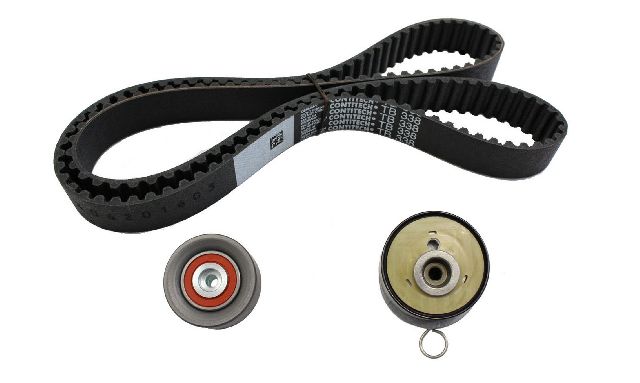
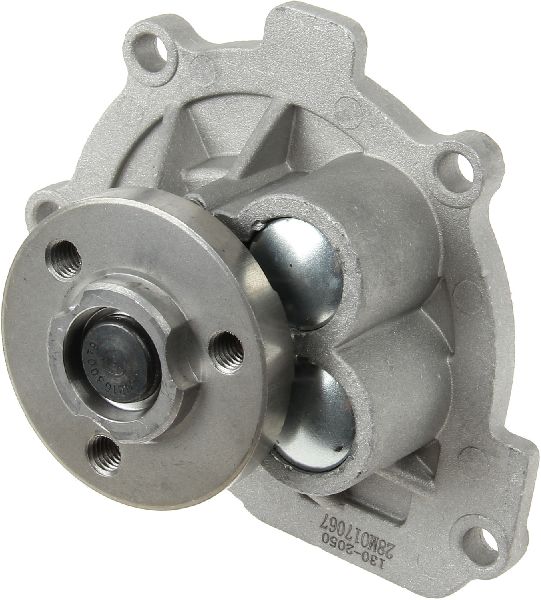
Typical fix: Replace the timing belt, tensioner, and idler pulleys as a kit. It is critical to use a kit with upgraded metal pulleys instead of the original plastic design. 🎬 Watch: Step-by-step timing belt and pulley replacement walkthrough. The water pump should also be replaced as it is driven by the timing belt.
Est. part cost: $100-$200 - Failed Timing Belt Tensioner or Idler Pulley 🔴 High Probability → Shop Engine Timing Chain The original tensioner and idler pulleys on the platform mate (Chevrolet Aveo) are made of plastic and are a known common failure point. When a pulley fails or seizes, it can cause the belt to go slack, jump a tooth, or break, leading to a P0016 code and risking engine damage.
How to confirm: During a visual inspection, check if the tensioner is holding the belt tight. A loose belt or a noisy/wobbly pulley is a clear sign of failure.
Typical fix: Replace the timing belt tensioner and all idler pulleys. This is always done as part of a complete timing belt service. Insist on a kit that includes metal-bodied pulleys.
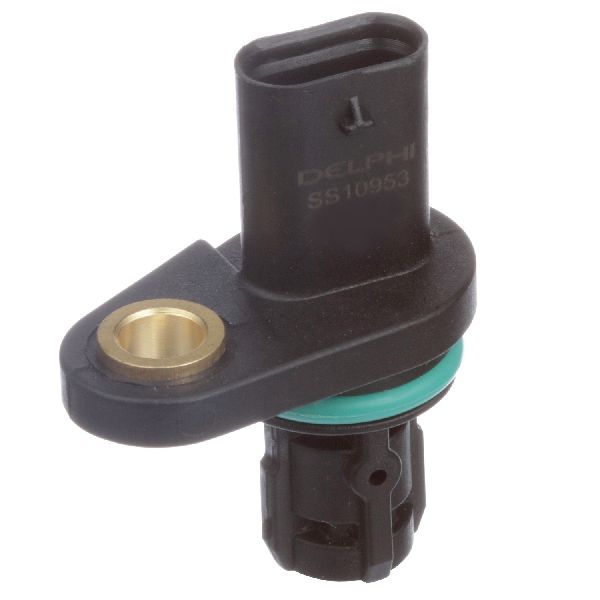
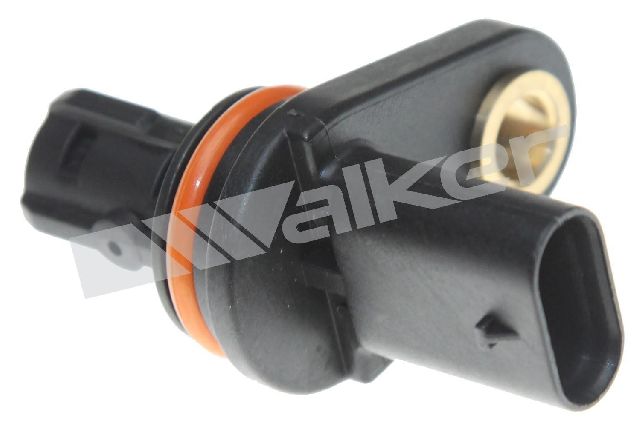
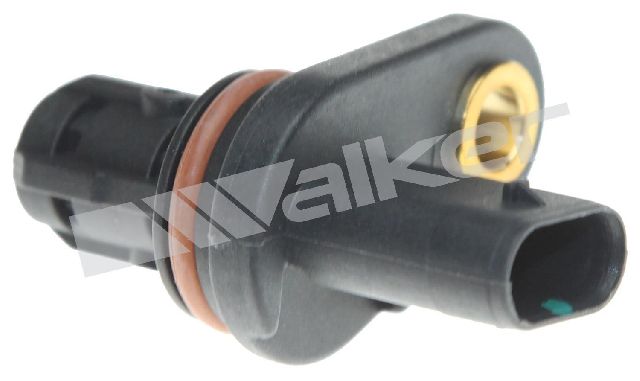
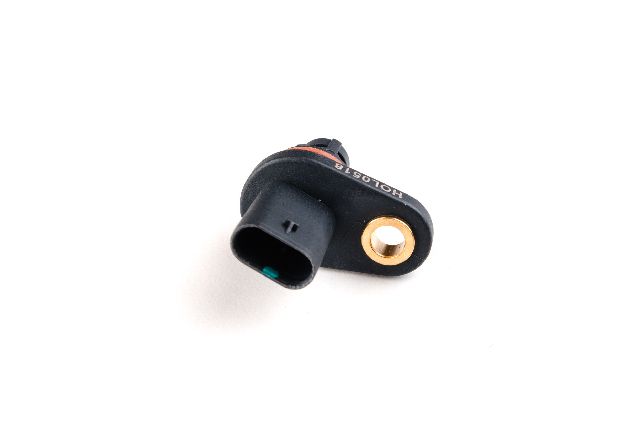
Est. part cost: $40-$80 - Faulty Camshaft Position Sensor (CMP) 🟡 Medium Probability → Shop Engine Camshaft Position Sensor
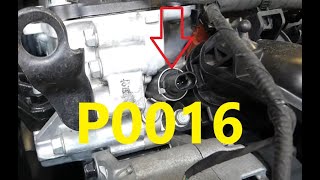
How to confirm: Use a multimeter to test the sensor's voltage and resistance against the manufacturer's specifications. A scan tool can also show erratic readings from the sensor. Before replacing, inspect wiring and connectors. The intake and exhaust sensors are often interchangeable; swapping them to see if the code changes to P0017 can confirm a bad sensor.
Typical fix: Replace the camshaft position sensor. The OE part number is reportedly 55565709.
Est. part cost: $25-$70 - Faulty Crankshaft Position Sensor (CKP) 🟡 Medium Probability → Shop Engine Crankshaft Position Sensor
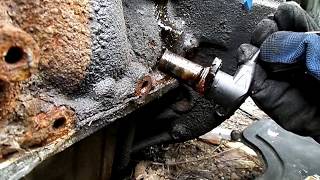
How to confirm: Test the sensor's output with a multimeter or oscilloscope. Check for damage to the sensor or its wiring. This sensor is reportedly difficult to access, located behind the starter motor. 🎬 Watch: How to access and remove the crankshaft sensor.
Typical fix: Replace the crankshaft position sensor.
Est. part cost: $30-$80 - Low or Dirty Engine Oil ⚪ Low Probability While the primary timing is belt-driven, this engine does use Variable Valve Timing (VVT) which is hydraulically operated. Very low or sludgy oil can affect the operation of the VVT camshaft actuators (phasers), potentially causing a correlation error.
How to confirm: Check the engine oil level and condition on the dipstick. If it's low or appears very dark and thick, it needs to be changed.
Typical fix: Perform an oil and filter change using the correct viscosity oil (5W-30).
Est. part cost: $30-$50
Rare But Worth Checking
- Damaged Reluctor Ring: The reluctor ring (or tone ring) on the crankshaft provides the signal for the CKP sensor. If it's bent, cracked, has debris on it, or has sheared its alignment key, it can cause this code even if mechanical timing is perfect. The crankshaft reluctor ring for this vehicle is available under part number 55574781.
- Wiring or Connector Issue: Damaged, corroded, or loose wiring to either the camshaft or crankshaft position sensor can mimic a sensor failure. Always inspect the harness before replacing parts.
- Incorrectly Installed Camshaft Actuator Sleeve: → Shop Engine Camshaft Per GM TSB #PIP4543D, a 'unique black plastic oil sleeve' sits between the camshaft actuator and the camshaft. If this sleeve is missing, damaged, or installed incorrectly after a repair, it will disrupt oil flow to the VVT actuator and set codes like P0016. This part is not sold separately and comes with a new actuator assembly.
- Crankshaft Position Variation Relearn Not Performed: → Shop Engine Crankshaft In some cases, especially after a timing belt service or sensor replacement, the ECM may require a 'Crankshaft Position Variation Relearn' procedure to be performed with a capable scan tool. Failure to do so can sometimes leave the P0016 code active.
- Faulty or Clogged VVT Solenoid: Low or dirty engine oil can clog the filter screens on the VVT solenoids, causing them to stick. They can be removed, cleaned, and tested by applying 12V to see if they actuate. A failed solenoid will also cause this code.
Diagnosis Steps
- Verify the engine oil level and condition. Top off or change the oil if necessary.
- Use an OBD-II scanner to check for any other pending or active codes. Note any codes related to the exhaust cam (P0017) or sensor circuits (P0340, P0335).
- Inspect the wiring and connectors for the camshaft and crankshaft position sensors for any signs of damage, corrosion, or looseness.
- If possible, use a scan tool to observe the live data from both sensors to see if one is providing an erratic or non-existent signal.
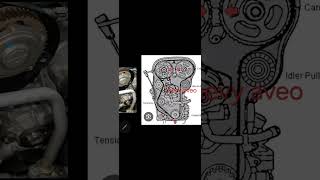
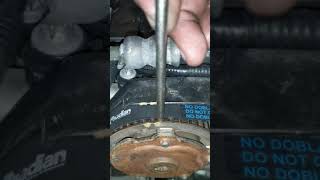
- Set the engine to Top Dead Center (TDC) for cylinder 1 and verify that the timing marks on the camshaft sprockets and crankshaft pulley are perfectly aligned as per the service manual. 🎬 See this guide for aligning the G3 timing marks. Being off by even one tooth will set this code. This requires removing the upper timing belt cover.
- While inspecting the timing marks, check the timing belt for wear, cracks, or missing teeth. Check the idler pulleys for wobble or noise and verify the tensioner is applying proper pressure. A loose belt is a major red flag.
- If timing is off, a full timing belt service is required using a quality kit with metal pulleys.
- If timing is perfect, test the VVT solenoids. Check their resistance (should be 6.9-7.9 Ohms) and apply 12V to confirm they actuate.
- If timing is perfect, but the code appeared after a recent engine repair, investigate the possibility of the missing plastic oil sleeve mentioned in TSB PIP4543D.
Parts You'll Likely Need
- Timing Belt Kit with Water Pump
(OEM #96183352)— This is the most common and complete fix. A kit ensures all wearable timing components (belt, tensioner, idlers) and the water pump are replaced at once. It is critical to select a kit with metal pulleys to replace the failure-prone plastic originals.
Trusted brands: ACDelco, Gates, Continental
OEM price range: $150-$250
Aftermarket price range: $80-$150 - Camshaft Position Sensor
Related Codes That Often Appear With This One
- P0017 — This code indicates a correlation issue with the exhaust camshaft. If both P0016 and P0017 are present, it strongly points to a base timing issue, like a slipped timing belt affecting both camshafts. A Reddit user reported both codes appearing together due to a needed timing belt replacement.
- P0340 — This code indicates a problem with the camshaft position sensor circuit itself, which could be the root cause of the P0016.
- P0335 — This code points to an issue in the crankshaft position sensor circuit, which could also trigger the P0016 correlation fault.
- P0106 — This code for the Manifold Absolute Pressure (MAP) sensor can be triggered by the erratic engine running and poor vacuum caused by incorrect cam timing. A Reddit user reported this exact combination (P0016, P0017, P0106) after a timing belt service.
Technical Service Bulletins (TSBs) & Recalls
- PIP4543D: Mentions DTC P0016 can be set after a repair involving camshaft actuators due to a specific black plastic oil sleeve being missing or damaged. This TSB explicitly covers the 2009-2010 Pontiac G3.
Platform-Specific Known Issues
- A GM Technical Service Bulletin, #PIP4543D, is highly relevant to this vehicle. It states that codes P0016/P0017 can appear after engine repairs involving the camshaft actuators. The cause is a 'unique black plastic oil sleeve' between the actuator and camshaft that can be lost, damaged, or installed incorrectly. This sleeve is critical for directing oil to the VVT system.
- The original timing belt idler and tensioner pulleys were made of plastic and are a very common failure point on the Chevrolet Aveo platform mate. They can crack or fail, causing the timing belt to slip. It is highly recommended to replace them with upgraded metal pulleys during any timing belt service.
Mechanic-Grade Diagnostic Values
- VVT Solenoid (Camshaft Actuator) Resistance — expected: 6.9 - 7.9 Ohms at 68°F (20°C). Failure: A reading of mega-ohms (millions of ohms) or an open circuit indicates a failed solenoid.
- Crankshaft Position Sensor (CKP) AC Voltage Output — expected: Around 200 millivolts (AC) while cranking, but varies by vehicle.. Failure: A reading of zero or no fluctuation while cranking indicates a failed sensor.
- Scan Tool Crankshaft RPM during Cranking — expected: 100 - 500 RPM. Failure: A reading of zero RPM while the engine is cranking indicates a failed crankshaft position sensor.
Scan Tool Commands That Help
- GM Tech2 / GDS2 or equivalent professional scanner: Crankshaft Position Variation Learn (also called CASE Relearn) — This procedure is often required after replacing the timing belt, camshaft sensor, or crankshaft sensor to synchronize the new components with the ECM. Failure to perform this can leave a P0016 or P1336 code active even after a correct mechanical repair. The procedure involves warming the engine, holding the brake, and revving the engine to a specific RPM (around 4000 RPM) until the fuel cuts off and the tool indicates the learn was successful.
Wiring & Ground Locations
- G103 — Below the engine control module (ECM). Another source describes it at the left rear of the engine compartment on the cowl, above the brake booster.. This ground serves the Engine Control Module (ECM). A poor ground connection here can cause erratic behavior and false codes from various engine sensors.
- G104 — Next to the starter motor.. This ground also serves the ECM and is physically close to the crankshaft position sensor. Corrosion or a loose connection here could potentially affect the CKP sensor signal.
- Camshaft Position Sensor Connector — On top of the valve cover, connected to the intake and exhaust camshaft position sensors.. This is a 3-pin connector. Oil leaks from the valve cover gasket are common and can contaminate this connector, leading to a poor signal and triggering codes.
Real Owner Repair Stories
- Chevrolet Aveo forum user (2011 Chevrolet Aveo LT) — Persistent P0016 code after professional timing belt service.
❌ Tried (didn't work) Replaced water pump., Replaced timing belt, idler pulley, and tensioner., Triple-checked that all timing marks were perfectly aligned., Replaced both intake and exhaust camshaft position sensors.
✅ What actually fixed it The final fix was replacing the crankshaft position sensor. The owner noted it was extremely difficult to access, located behind the starter motor, and required blind work with an Allen wrench and an endoscopic camera to reinstall. A CKP relearn was also suggested if the code remained. - Reddit user r/MechanicAdvice (2011 Aveo5, 1.6L, 120k miles) — P0016 and P0017 codes, intermittent ticking noise, hard cold starts, and sudden, hard jolting deceleration at highway speeds after timing belt service.
❌ Tried (didn't work) Shop replaced the timing belt., Owner replaced the valve cover and spark plugs., Clearing the codes with a reader (they came back immediately).
✅ What actually fixed it The user did not post a final resolution, but the combination of P0016, P0017, and a new P0106 code after a timing belt service strongly suggests the mechanical timing was still incorrect by one or more teeth, despite the service being performed.
When the Usual Fixes Don't Work
- While the vast majority of P0016 codes on this vehicle point to a mechanical timing belt issue, there are documented cases where the timing was confirmed to be perfect, yet the code remained. In one such case, the ultimate culprit was a faulty crankshaft position sensor, which is often overlooked due to its difficult-to-access location behind the starter. This highlights the need to follow a complete diagnostic procedure and not stop at just verifying the timing marks, especially if the code persists after a timing belt service.
Model Year Variations Within This Range
- 2009+: The 2009 model year introduced a new 1.6L Ecotec engine with Variable Valve Timing (VVT). Pre-2009 models used a different 1.6L engine without VVT. This means that for 2009-2010 models, causes related to VVT solenoids and actuators are relevant, whereas they would not be for earlier models.
Helpful Videos
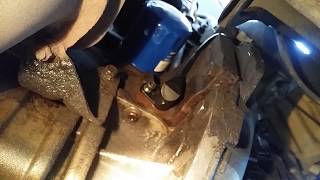
![How to Fix P0016 Engine Code in 6 Minutes [4 DIY Methods / Only $6.94]](https://img.youtube.com/vi/extiOvtV8_Y/mqdefault.jpg)
We Have This Part in Stock

The information in this article is provided for general reference and educational purposes only. Vehicle specifications, procedures, and part compatibility can vary by production date, trim level, and region. Always consult your vehicle's factory service manual and verify part numbers before purchasing or performing repairs. Safety-critical components such as airbags, seat belts, and braking systems should be installed by a qualified professional.
- Pontiac G3:
- 🧭 Diagnostic Flowchart
- 🎬 Helpful Videos
- 🛍️ Shop This Part
- What's Unique About the 2009-2010 Pontiac G3
- Symptoms You May Notice
- Most Likely Causes
- Rare But Worth Checking
- Diagnosis Steps
- Parts You'll Likely Need
- Related Codes That Often Appear With This One
- Technical Service Bulletins (TSBs) & Recalls
- Platform-Specific Known Issues
- Mechanic-Grade Diagnostic Values
- Scan Tool Commands That Help
- Wiring & Ground Locations
- Real Owner Repair Stories
- When the Usual Fixes Don't Work
- Model Year Variations Within This Range
- 🎟️ Get 5% Off