

P0017 on 2009-2012 Toyota RAV4 2.5L: Exhaust Cam Timing Causes and Fixes
On a 2009-2012 RAV4 with the 2.5L engine, code P0017 is most often caused by low or dirty engine oil, a failing exhaust Oil Control Valve (OCV), or a faulty exhaust VVT gear (cam phaser). Start by checking your oil; if the level is good, the OCV is a relatively inexpensive part to replace (around $50-$100) and a likely culprit. Be aware of TSB T-SB-0012-11, which points to a known issue with the exhaust VVT gear for this specific engine and model year range.
- Always check your engine oil level and condition first; it's the easiest and most common fix.
- Code P0017 on this RAV4 points specifically to the exhaust camshaft.
- Be aware of TSB T-SB-0012-11, which indicates a high probability of a faulty exhaust VVT gear (cam phaser), especially if you hear an engine rattle.
- Replacing the camshaft position sensor is rarely the correct fix for this correlation code.
- The Oil Control Valve (OCV/VVT Solenoid) is a likely culprit and is much easier and cheaper to replace than the VVT gear or timing chain.
What's Unique About the 2009-2012 Toyota RAV4
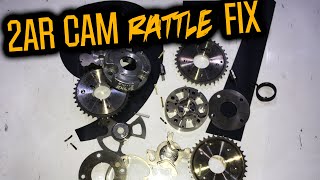
For this specific RAV4 with the 2AR-FE engine, the P0017 code is frequently linked to a known issue covered by Toyota Technical Service Bulletin (TSB) T-SB-0012-11. This bulletin addresses a rattle noise and codes P0015 or P0017, often pointing to a problem with the Variable Valve Timing (VVT) system itself, specifically the exhaust VVT gear (phaser). While oil-related issues are always the first suspect, owners of this vehicle should be aware of the higher-than-normal probability of a failing VVT gear, a problem also noted on platform mates like the Toyota Camry and Scion tC.
Symptoms You May Notice
- Check Engine Light is on
- Engine rattling noise, especially at startup or idle
- Rough or unstable idle
- Hesitation or lack of power during acceleration
- Engine may be hard to start or may stall
- Decreased fuel efficiency
- Engine knocking or tapping noises
- Replacing the camshaft position sensor. The P0017 code indicates a correlation fault (a mechanical timing issue), not necessarily a sensor failure. The sensor is usually just accurately reporting the misalignment. Replacing it without diagnosing the root cause will result in the code returning.
Most Likely Causes
- Low or Dirty Engine Oil 🔴 High Probability The VVT system is entirely dependent on oil pressure to adjust cam timing. Low oil levels, incorrect viscosity (should be 0W-20), or oil that is dirty/sludgy will directly impede the function of the OCV and VVT gear.
How to confirm: Check the oil level on the dipstick and inspect the oil's color and consistency. If it's low, dark black, or sludgy, it needs to be changed. This should always be the first step.
Typical fix: Perform an oil and filter change using the manufacturer-recommended oil viscosity (0W-20). Clear the code and drive to see if it returns.
Est. part cost: $30-$70 - Faulty Exhaust VVT Gear (Cam Phaser/Actuator) 🔴 High Probability A known issue for the 2AR-FE engine, as noted in TSB T-SB-0012-11. The internal locking pin mechanism can fail, or the unit can develop cracks, causing a rattle and timing correlation faults. This is a well-documented failure on this engine.
How to confirm: After ruling out oil and the OCV, a visual inspection (requiring valve cover removal) may reveal a cracked gear. A Reddit user confirmed finding a broken timing guide that was being chewed up by the chain, a direct result of the failing gear. Diagnosis is often made by a technician familiar with the TSB after other causes are eliminated.
Typical fix: Replace the exhaust camshaft timing gear assembly. This is a labor-intensive job that also requires replacing the valve cover gasket.
Est. part cost: $150-$300 - Faulty Exhaust Oil Control Valve (OCV) / VVT Solenoid 🔴 High Probability → Shop Engine Variable Valve Timing (VVT) Solenoid
How to confirm: Remove the OCV (typically one 10mm bolt) and inspect its filter screen for sludge or debris. Test the solenoid's resistance with a multimeter; it should be between 6.9 and 7.9 ohms at 68°F (20°C). You can also apply 12V power and ground to see if the internal plunger clicks. A scan tool can also perform an active test to command the solenoid on and off.
Typical fix: Clean or replace the exhaust Oil Control Valve. Replacement is often the better long-term solution as cleaning may not be permanent.
Est. part cost: $50-$150 - Stretched Timing Chain 🟡 Medium Probability → Shop Engine Timing Chain
How to confirm: This is a complex diagnosis requiring removal of the timing cover to measure chain slack and verify timing marks are aligned. It's typically suspected after all other VVT components (oil, OCV, VVT gear) have been checked and confirmed good.
Typical fix: Replace the timing chain, guides, and tensioner. This is a major repair.
Est. part cost: $200-$500 for a kit
Rare But Worth Checking
- Faulty Engine Control Module (ECM): → Shop Engine Control Module (ECM) This is extremely rare. The ECM should only be considered after all other mechanical and electrical possibilities have been exhaustively tested and ruled out.
- Damaged Tone Ring: The reluctor or tone ring on the camshaft or crankshaft, which the position sensors read, can become damaged or slip out of position. This is uncommon but can cause a P0017 code.
Diagnosis Steps
- Check the engine oil level and condition. If low or dirty, perform an oil and filter change with 0W-20 oil, clear the code, and see if it returns. This is the most common and cheapest first step.
- Use a scan tool to read freeze frame data to understand the engine conditions (RPM, load, temperature) when the code was set.
- Inspect the wiring and connector for the exhaust camshaft position sensor and the exhaust Oil Control Valve (OCV) for any damage, corrosion, or loose connections.
- Remove and inspect the exhaust OCV. Check its small filter screen for metal shavings or sludge.
- Test the OCV's operation. Check resistance with a multimeter (should be 6.9-7.9 ohms). Apply 12V power to see if the plunger actuates. If you have a capable scan tool, perform an active test to command the solenoid and observe engine response. 🎬 Watch: How to test and fix the P0017 correlation code
- If the OCV and wiring are good, the next step is to suspect a mechanical issue. This requires more advanced work.
- Remove the valve cover to inspect the VVT gear (cam phaser) for visible damage like cracks. Also inspect the timing chain for obvious slack and check for broken plastic from the chain guides.
- If no damage is visible, the final step is to perform a full timing inspection. This involves removing the timing cover to verify all timing marks on the crank, cams, and chain are perfectly aligned. This is a significant job and may require a professional.
- Only after confirming all mechanical and electrical parts are good should the ECM be considered a potential cause.
Parts You'll Likely Need
- Exhaust Camshaft Timing Gear Assembly (VVT Actuator)
(OEM #13070-0V013)— This part is a known failure point on the 2AR-FE engine for this code, as documented in TSB T-SB-0012-11. The original part was prone to failure, and this updated part number is the specified replacement.
Trusted brands: Toyota (Genuine), Aisin
OEM price range: $200-$300
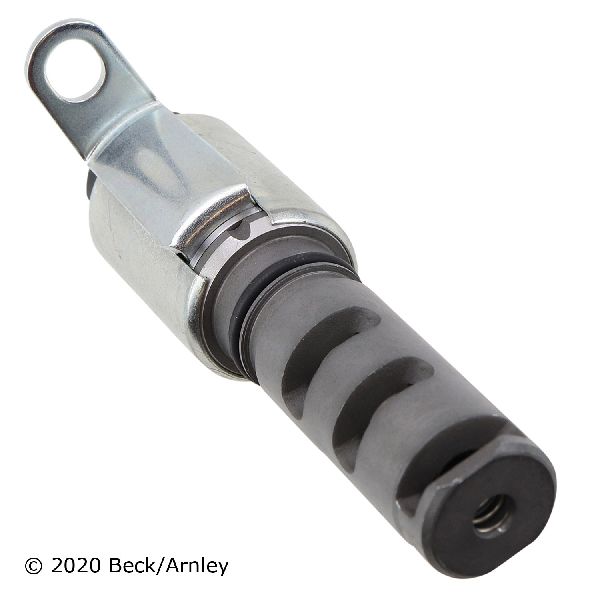
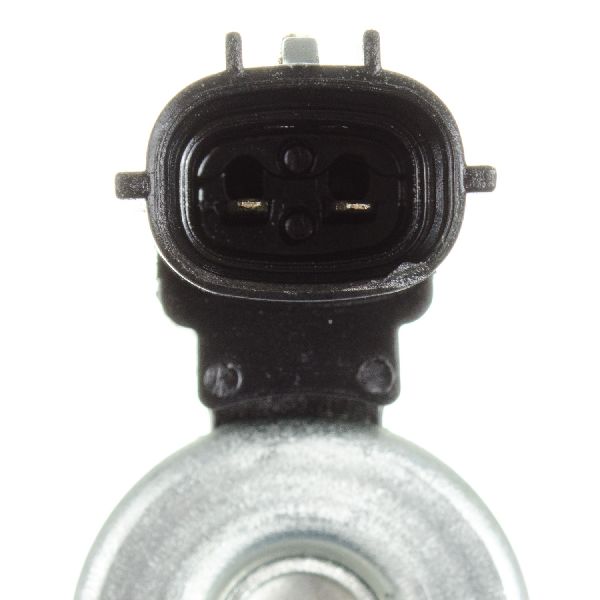
Aftermarket price range: $100-$200 - Engine Variable Valve Timing (VVT) Solenoid (Oil Control Valve)
(OEM #15330-0T010 or 15330-37020)— This solenoid controls oil flow to the VVT gear and is prone to clogging from dirty oil or electrical failure. It's a common and relatively easy part to replace as a diagnostic step. 🎬 See this walkthrough for replacing the VVT solenoid
Trusted brands: Toyota (Genuine), Denso
OEM price range: $100-$150
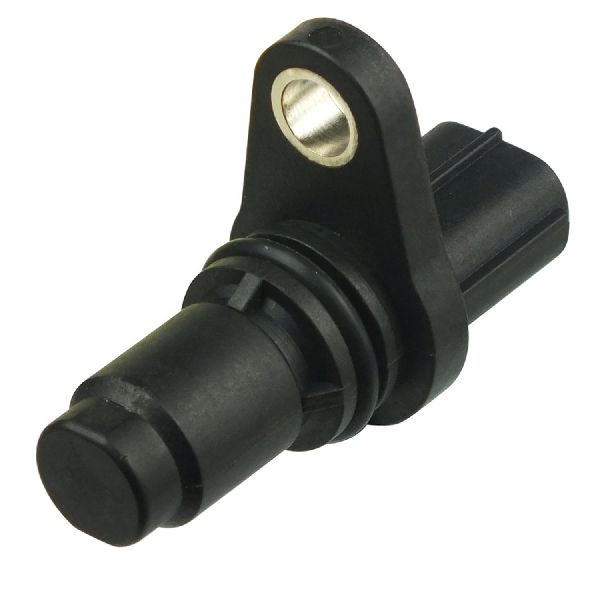
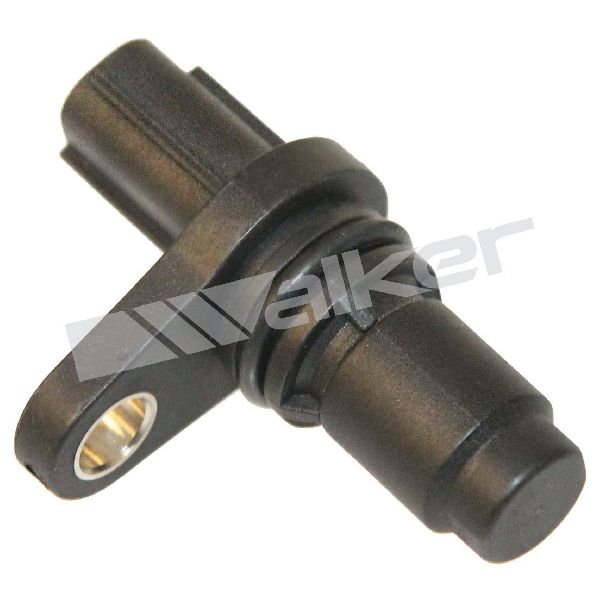
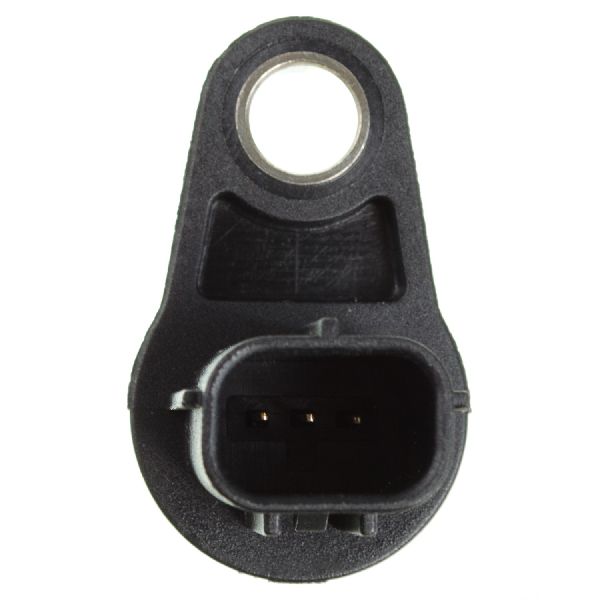
Aftermarket price range: $40-$90 - Camshaft Position Sensor
(OEM #90919-05060)— While less common, a failing sensor can cause this code. It's often replaced unnecessarily. The 2AR-FE uses the same sensor for intake and exhaust positions, so they can be swapped for diagnosis.
Trusted brands: Toyota (Genuine), Denso
OEM price range: $100-$150
Aftermarket price range: $30-$80
Related Codes That Often Appear With This One
- P0015 — Stands for 'Camshaft Position 'B' - Timing Over-Retarded (Bank 1)'. It's often triggered along with P0017 because both relate to the exhaust cam timing being incorrect. TSB T-SB-0012-11 lists both codes for the same root cause.
Technical Service Bulletins (TSBs) & Recalls
- T-SB-0012-11: Addresses a MIL 'ON' condition with DTC P0015 and/or P0017, and/or a rattle noise from the engine on 2009-2011 RAV4 and 2010-2011 Camry models with the 2AR-FE engine. Specifies replacement of the exhaust VVT gear.
Platform-Specific Known Issues
- A known issue documented in TSB T-SB-0012-11 points to failure of the exhaust VVT gear, causing a rattle and setting codes P0017 and/or P0015. This applies to 2009-2011 RAV4 models with the 2AR-FE engine.
Mechanic-Grade Diagnostic Values
- Exhaust Oil Control Valve (VVT Solenoid) Resistance — expected: 6.9 to 7.9 Ohms at 68°F (20°C).. Failure: A reading outside this range, or an open/short circuit, indicates a faulty solenoid coil. Note that resistance increases with temperature, so a slightly higher reading like 9.1 Ohms on a warm engine can be acceptable.
- Camshaft Position Sensor Resistance (Cold) — expected: 835 to 1,400 Ohms (for DENSO-made sensors).. Failure: A resistance value outside of this specified range indicates a faulty sensor.
- Camshaft Position Sensor Resistance (Hot) — expected: 1,060 to 1,645 Ohms (for DENSO-made sensors).. Failure: A resistance value outside of this specified range indicates a faulty sensor.
- Oil Control Valve Actuation Test — expected: An audible click and visible movement of the internal plunger when 12V is applied to the terminals.. Failure: No click or movement indicates the solenoid is mechanically stuck or electrically failed.
Scan Tool Commands That Help
- Toyota Techstream: Active Test: Control the VVT Exhaust Linear (Bank 1) — This command allows the technician to manually operate the exhaust OCV solenoid while the engine is running. A change in engine idle (stumble or stall) confirms the solenoid is working and oil passages are likely clear. No change in idle points to a faulty OCV, clogged oil passages, or a stuck VVT gear.
- Toyota Techstream: Data List: VVT Initial Position Learning Value — After a repair, particularly a timing chain or VVT gear replacement, this value can be checked to ensure the system has learned the new baseline mechanical timing. Some tools may offer a 'VVT Learning Value Reset' or 'VVT Sensor Zero Point Calibration' to expedite this process.
Wiring & Ground Locations
- ECM (Engine Control Module) — On the 2009-2012 RAV4, the main ECM is located behind the glove box.. This is the central computer that receives signals from the crank/cam sensors and controls the OCV. While rarely the cause, knowing its location is critical for advanced electrical diagnostics, such as checking for voltage and ground at the ECM pins.
- Engine Harness Ground Points — The 2AR-FE engine harness has key ground points on the valve cover and on the side of the cylinder head, often under the intake or throttle body area.. A poor ground connection for the engine harness can introduce electrical noise or incorrect voltage readings for the camshaft and crankshaft sensors, potentially leading to a false P0017 code. Verifying these grounds are clean and tight is a crucial step in advanced diagnosis.
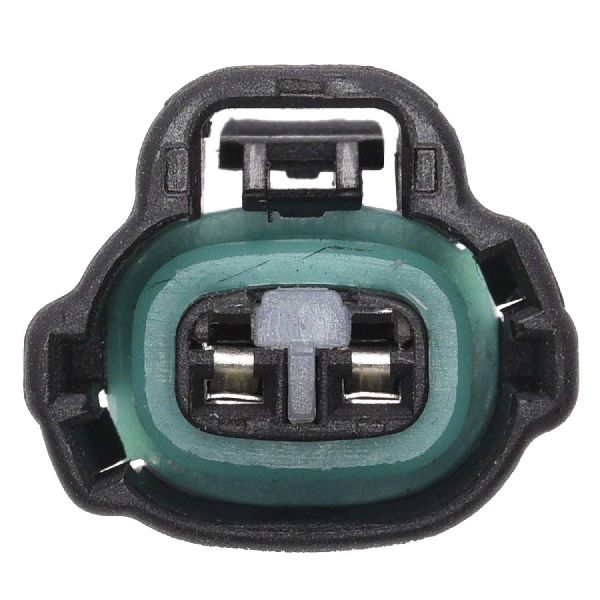
- Exhaust OCV Connector — On the cylinder head, near the exhaust camshaft. It is a two-wire connector.. This is the primary connection point for testing the OCV solenoid's resistance and for performing voltage checks from the ECM.
Real Owner Repair Stories
- YouTube channel 'Freddy Cevallos' (2010 Toyota Camry with 2.5L 2AR-FE engine) — Persistent P0017 and P0014 codes that would not clear after extensive diagnosis.
❌ Tried (didn't work) Thoroughly checking all standard components related to the codes.
✅ What actually fixed it The technician discovered that the VVT gears (phasers) installed on the engine were from a different, possibly newer, model year (e.g., 2012). Although they physically fit, their timing marks and internal operation were different, causing a persistent correlation error. Replacing the VVT gears with the correct parts for the 2010 model year resolved the codes.
OEM Part Supersession History
13070-0V010, 13070-0V011, 13070-0V012, 13070-36011→13070-0V013— The original exhaust VVT gear (cam phaser) was prone to failure, causing rattles and timing codes as documented in TSB T-SB-0012-11. The new part number, 13070-0V013, is the updated and more robust replacement.
Heads up: Using a gear from a later model year (e.g., post-2012) on an earlier engine may cause persistent timing codes even if the part is new, as the timing calibration can differ.
Model Year Variations Within This Range
- 2009-2011: These model years are specifically called out in TSB T-SB-0012-11 for the faulty exhaust VVT gear. While a 2012 model can still experience this failure, it is less likely to be related to the specific manufacturing defect addressed by the TSB.
- 2009-2011: An ECM software update was available under TSB T-SB-0001-11 to address a transaxle rattle noise between 25-35 mph. While not directly related to P0017, it's important to ensure the ECM has the latest calibration, as software can affect how the engine and transmission interact.
Diagnostic Flowchart
Other Known Issues on This Vehicle
Issues unrelated to this code that are worth knowing about as an owner of this generation:
- Torque Converter Shudder 🟠 Medium — Common enough to warrant a warranty extension program (ZH1) and TSB (T-SB-0023-15). Typically occurs between 25-50 mph under light load. (Ref: T-SB-0023-15, Warranty Enhancement Program ZH1)
- Excessive Oil Consumption 🟠 Medium — While the 2AR-FE is a significant improvement over its predecessor (the 2AZ-FE), some owners report noticeable oil consumption, especially at higher mileage. This is often attributed to low-tension piston rings. Following a strict 5,000-mile oil change interval can help mitigate this.
- Steering Intermediate Shaft Clunk/Noise 🟡 Low — A clunking or popping noise when turning the steering wheel is a widely reported issue. Toyota addressed this with an updated part. (Ref: T-SB-0318-08)
- Rear Suspension Arm Failure/Corrosion 🔴 High — Improperly tightened lock nuts after an alignment could lead to thread damage, rust, and potential failure of the rear suspension arm. This prompted a recall. (Ref: Recall (NHTSA #12V373000))
Used vs. New Parts: Buying Guide for This Vehicle
When a used part is the smart pick: A used Oil Control Valve (OCV) or Camshaft Position Sensor from a low-mileage donor vehicle can be a cost-effective diagnostic step or replacement, as these are typically reliable electronic parts.
Donor-vehicle mileage cap: roughly under 80000 miles for the part to have meaningful remaining life.
What to inspect on the donor part:
- For an OCV, inspect the filter screen to ensure it is perfectly clean with no signs of sludge or metal debris.
- For sensors, check for any cracks in the plastic housing or corrosion on the electrical pins.
- Verify the donor vehicle did not have a catastrophic engine failure or signs of severe oil sludge.
- Match part numbers exactly, as variations exist between model years that can cause issues.
OEM-only on this vehicle (don't cheap out):
- Exhaust VVT Gear (Cam Phaser): Due to the known defect with the original part and the critical nature of its function, using a new, updated OEM (Toyota/Aisin) or reputable OEM-equivalent part is strongly recommended. A used part may have the same defect or limited remaining life.
- Timing Chain and Guides: These are wear items critical to engine health. The cost of labor to replace them is too high to justify using used parts.
Aftermarket brands forum-validated for this vehicle:
- Aisin (for VVT Gear - often the OEM supplier)
- Denso (for OCV and Camshaft Sensor - often the OEM supplier)
Brands owners have reported issues with on this vehicle:
- Unbranded, 'white-box' VVT gears and solenoids from online marketplaces. These often have high failure rates and can cause more diagnostic headaches than they solve.
Real Owner Stories
Aggregated from forums and TSBs cited above. Mileages and costs reflect what owners reported in those sources.
2009-2011 Toyota RAV4 2AR-FE
Symptoms: Check engine light on with codes P0015 and P0017, accompanied by a rattle noise from the engine.
What fixed it: Replacement of the exhaust camshaft timing gear assembly as specified in TSB T-SB-0012-11.
Source hint: TSB T-SB-0012-11
2010 Toyota RAV4 2AR-FE
Symptoms: The owner found a broken timing chain guide that was being chewed up by the chain.
What fixed it: Replacing the intake cam gear and the broken timing chain guide.
Source hint: Reddit - r/AskMechanics - P0015 & P0017 repair
2009-2012 Toyota RAV4 2AR-FE
Symptoms: P0017 code returned even after the dealership replaced the camshaft sensor and then the crankshaft sensor with an OEM part.
What fixed it: The source highlights this as a mechanical failure (VVT gear or timing) rather than a sensor issue, noting that replacing sensors is a common misdiagnosis.
Source hint: Car Talk Community - Code p0017 dealership is clueless
Related OBD-II Codes
Frequently Asked Questions
Does TSB T-SB-0012-11 apply to my 2012 RAV4 with the 2.5L engine?
What specific oil viscosity should I use in my 2AR-FE engine to prevent P0017?
Can I just clean the Oil Control Valve (OCV) to fix the rattle and the P0017 code?
Is the engine rattling noise at startup related to the P0017 code on my RAV4?
What are the resistance specifications for testing the VVT solenoid on this vehicle?
My dealership already replaced the camshaft and crankshaft sensors, but P0017 is back. What is the likely issue?
Helpful Videos

We Have This Part in Stock

The information in this article is provided for general reference and educational purposes only. Vehicle specifications, procedures, and part compatibility can vary by production date, trim level, and region. Always consult your vehicle's factory service manual and verify part numbers before purchasing or performing repairs. Safety-critical components such as airbags, seat belts, and braking systems should be installed by a qualified professional.
- Toyota RAV4:
- 🧭 Diagnostic Flowchart
- 🎬 Helpful Videos
- 🛍️ Shop This Part
- What's Unique About the 2009-2012 Toyota RAV4
- Symptoms You May Notice
- Most Likely Causes
- Rare But Worth Checking
- Diagnosis Steps
- Parts You'll Likely Need
- Related Codes That Often Appear With This One
- Technical Service Bulletins (TSBs) & Recalls
- Platform-Specific Known Issues
- Mechanic-Grade Diagnostic Values
- Scan Tool Commands That Help
- Wiring & Ground Locations
- Real Owner Repair Stories
- OEM Part Supersession History
- Model Year Variations Within This Range
- Other Known Issues on This Vehicle
- Used vs. New Parts: Buying Guide for This Vehicle
- Real Owner Stories
- 2009-2011 Toyota RAV4 2AR-FE
- 2010 Toyota RAV4 2AR-FE
- 2009-2012 Toyota RAV4 2AR-FE
- Related OBD-II Codes
- Frequently Asked Questions
- 🎟️ Get 5% Off