

P0018 on 2013-2018 Audi S8 4.0T: Crank/Cam Correlation Causes and Fixes
On the Audi S8 4.0T, P0018 is most often caused by low oil pressure to the cam adjusters due to a clogged turbocharger oil strainer, a known issue with a recall (21H7). Before replacing expensive parts like timing chains, inspect this strainer and the Bank 2 intake camshaft adjustment solenoid. A shop visit is highly recommended due to the labor-intensive nature of the primary cause.
- For a P0018 code on your S8, the first and most important step is to investigate the known oil strainer issue (Recall 21H7), as it directly causes the oil pressure drop that triggers this fault.
- Do not immediately assume you need an expensive timing chain replacement. A faulty camshaft adjustment solenoid or simply low/incorrect oil are much more common and cheaper to fix.
- Diagnosis should follow a logical path: Oil level/quality -> Oil pressure test / Strainer inspection -> Solenoid test/swap -> Sensor test -> Mechanical timing inspection.
- This is a serious code. Driving with it, especially if caused by oil starvation, can lead to catastrophic failure of the turbochargers and/or engine.
- Due to the complexity of the 4.0T engine, this code is best left to a professional technician or a highly experienced DIYer with the correct tools.
What's Unique About the 2013-2018 Audi S8
🎬 Watch: An honest breakdown of the 4.0T engine's reliability.The Audi 4.0T V8 engine, known for its 'hot-V' design with turbochargers in the valley, has a critical design flaw directly linked to P0018. A small oil strainer for the turbochargers, located in the engine valley, is prone to clogging with carbon and oil sludge. This blockage restricts oil flow, starving the upper engine of adequate oil pressure, which is required for the hydraulically-operated camshaft adjusters (phasers) to function. When the phasers lack sufficient pressure, they cannot adjust cam timing correctly, leading to correlation codes like P0018. This problem was so widespread that Audi issued a safety recall (NHTSA 22V178000, Audi code 21H7) and a Technical Service Bulletin (TSB 2044640) to replace the strainer with an updated part.
Symptoms You May Notice
- Check Engine Light is on
- Rough or unstable idle
- Noticeable loss of engine power and poor acceleration
- Increased fuel consumption
- Rattling or ticking noises from the engine, especially on startup
- Engine may stall at low speeds or when stopping
- Extended cranking time before the engine starts
- Replacing the camshaft position sensor when the root cause is a clogged oil strainer or a faulty VVT solenoid.
- Immediately assuming the timing chain has stretched without first verifying oil pressure and solenoid function, which are far more common and less expensive failures.
- Replacing the camshaft adjuster (phaser) when only the much cheaper and more accessible control solenoid is faulty.
Most Likely Causes
- Clogged Turbocharger Oil Strainer 🔴 High Probability This is a well-documented design flaw in the 4.0T engine, leading to an official safety recall (21H7) and multiple TSBs (e.g., 2044640). The fine mesh screen clogs with oil/carbon deposits, restricting oil flow to the turbos and the entire upper engine, including the cam phasers.
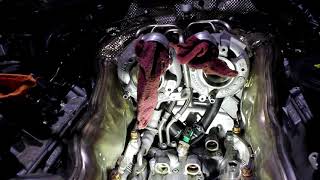
How to confirm: An oil pressure test showing lower-than-specified pressure is a strong indicator. The ultimate confirmation is visual inspection of the strainer, which is located under the intake manifold and turbochargers in the engine valley. This is a labor-intensive check.
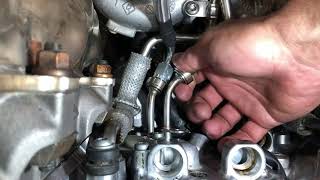
Typical fix: Replace the oil strainer with the updated part (Audi P/N 079115175G). 🎬 See how to install a relocation kit for the strainer. The recall procedure also includes an engine oil and filter change. Due to the labor involved, it is highly recommended to also replace the oil check valve (P/N 079103175C) and the PCV valve/oil separator at the same time.
Est. part cost: $20-$50 - Failed Camshaft Adjustment Valve (Solenoid) 🟡 Medium Probability → Shop Engine Camshaft The solenoids can become clogged with oil sludge or their internal plastic filter screens can break off and enter oil passages, a known issue on the 4.0T. Oil contamination from a clogged main strainer or infrequent oil changes accelerates this failure.
How to confirm: Use a scan tool to actuate the solenoid and monitor its response. A common diagnostic trick is to swap the Bank 2 intake solenoid with the Bank 2 exhaust solenoid (or a Bank 1 solenoid) to see if the trouble code follows the part. Visually inspect the removed solenoid for a broken or missing filter screen.
Typical fix: Replace the faulty camshaft adjustment valve for Bank 2 Intake (Audi P/N may vary, e.g., 06E109257S). It's recommended to perform an oil change at the same time.
Est. part cost: $80-$200 - Low or Incorrect Engine Oil 🟡 Medium Probability The VVT system is entirely dependent on oil pressure. The 4.0T engine can consume oil, and using oil that does not meet Audi's specific VW 502 00 or 504 00 specification can accelerate sludge formation and component wear.
How to confirm: Check the oil level via the MMI system and verify the oil's condition. Ensure the correct oil specification is being used by checking service records or the oil container.
Typical fix: Top off or change the engine oil and filter using a manufacturer-specified, high-quality synthetic oil.
Est. part cost: $80-$150 - Stretched Timing Chain or Failed Tensioner ⚪ Low Probability → Shop Engine Timing Chain While generally robust, timing chains can stretch and hydraulic tensioners can weaken over time, especially with high mileage (100k+ miles) or if operated with poor oil quality/pressure. This can cause enough slack to create a correlation fault.
How to confirm: This is typically a diagnosis of exclusion. Use a diagnostic tool like VCDS to check camshaft deviation measuring blocks. If the deviation is consistently out of spec after ruling out oil pressure and solenoid issues, a stretched chain is likely. Physical inspection is the final confirmation but requires significant engine disassembly.
Typical fix: Replace the timing chains, tensioners, and guides. This is a very expensive, often engine-out, repair.
Est. part cost: $1000-$2500 - Failed Camshaft Position Sensor (Sensor A, Bank 2) ⚪ Low Probability → Shop Engine Camshaft Position Sensor
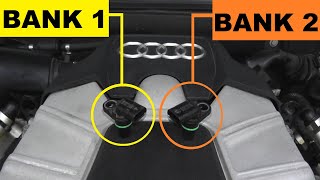
How to confirm: Test the sensor's output with a multimeter or oscilloscope. The most straightforward diagnostic step is to swap it with the identical sensor from Bank 1 to see if the code changes to P0016 (Bank 1 correlation fault). If it does, the sensor is bad.
Typical fix: Replace the Bank 2 intake camshaft position sensor (Audi P/N may vary, e.g., 06E905163C).
Est. part cost: $50-$120
Rare But Worth Checking
- Failed Camshaft Adjuster (Phaser): → Shop Engine Camshaft While the solenoid is more likely to fail, the mechanical adjuster itself can get stuck or fail internally, especially if operated with low oil pressure for an extended period. This is a more complex and expensive repair than the solenoid.
- Wiring Harness Damage: Damage or corrosion in the wiring to the camshaft position sensor or the adjustment solenoid can cause an intermittent or lost signal, triggering the code. This can happen from chafing or heat exposure in the tight engine bay.
- Faulty Engine Control Module (ECM): → Shop Engine Control Module (ECM) In very rare cases, the ECM itself can be the source of the problem, misinterpreting sensor data. This should only be considered after all other possibilities have been exhaustively ruled out.
Diagnosis Steps
- Verify the engine oil level is correct and the oil is clean and of the manufacturer-specified type (e.g., VW 504 00).
- Use an advanced scan tool (like VCDS) to read all fault codes and to monitor live data. Specifically, check the 'camshaft adjustment angle' measuring blocks for Bank 2 Intake. Compare the specified vs. actual values at idle and under load.
- Perform an engine oil pressure test with a mechanical gauge. If pressure is below Audi's specification, immediately suspect the clogged turbo oil strainer. This is the most critical step for the 4.0T engine.
- If oil pressure is good, test the Bank 2 intake camshaft adjustment solenoid. Swap it with the adjacent exhaust solenoid or one from Bank 1 to see if the fault code follows the part. Inspect the solenoid's screen for damage upon removal.
- Inspect the wiring and connector for the Bank 2 intake camshaft position sensor and the adjustment solenoid for any signs of damage, corrosion, or loose connections.
- If solenoids and wiring are good, test the camshaft position sensor itself. Swap it with the Bank 1 sensor to see if the code changes to P0016.
- If all of the above components check out, the final step is to suspect a mechanical timing issue (stretched chain, failed tensioner, or stuck phaser). This requires measuring cam deviation values and, ultimately, invasive physical inspection of the timing components.
Parts You'll Likely Need
- Turbocharger Oil Strainer/Screen
(OEM #079115175G)— This is the most common root cause of oil pressure-related timing faults on the 4.0T engine and is subject to safety recall 21H7.
Trusted brands: Audi Genuine
OEM price range: $20-$50
Aftermarket price range: $15-$30 - Camshaft Adjustment Valve (Solenoid)
(OEM #06E109257S)— This solenoid controls oil flow to the cam phaser and is a common failure point, either from clogging or electrical issues. The internal filter screen is also known to break.
Trusted brands: Bosch, Pierburg, Audi Genuine
OEM price range: $150-$220
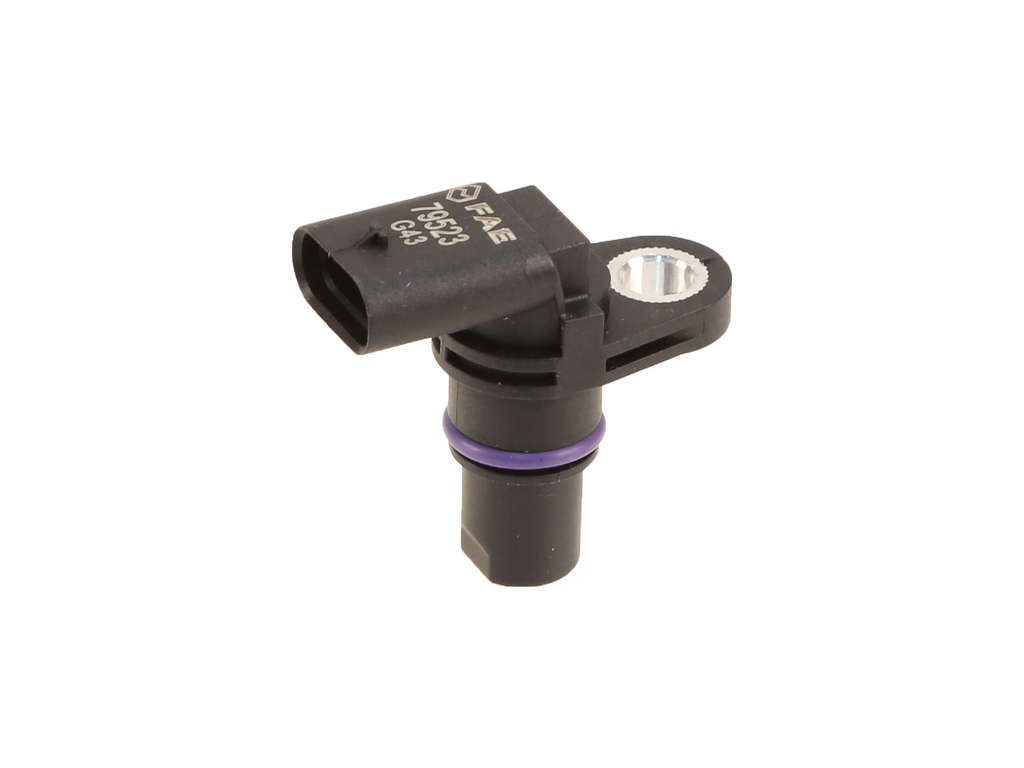
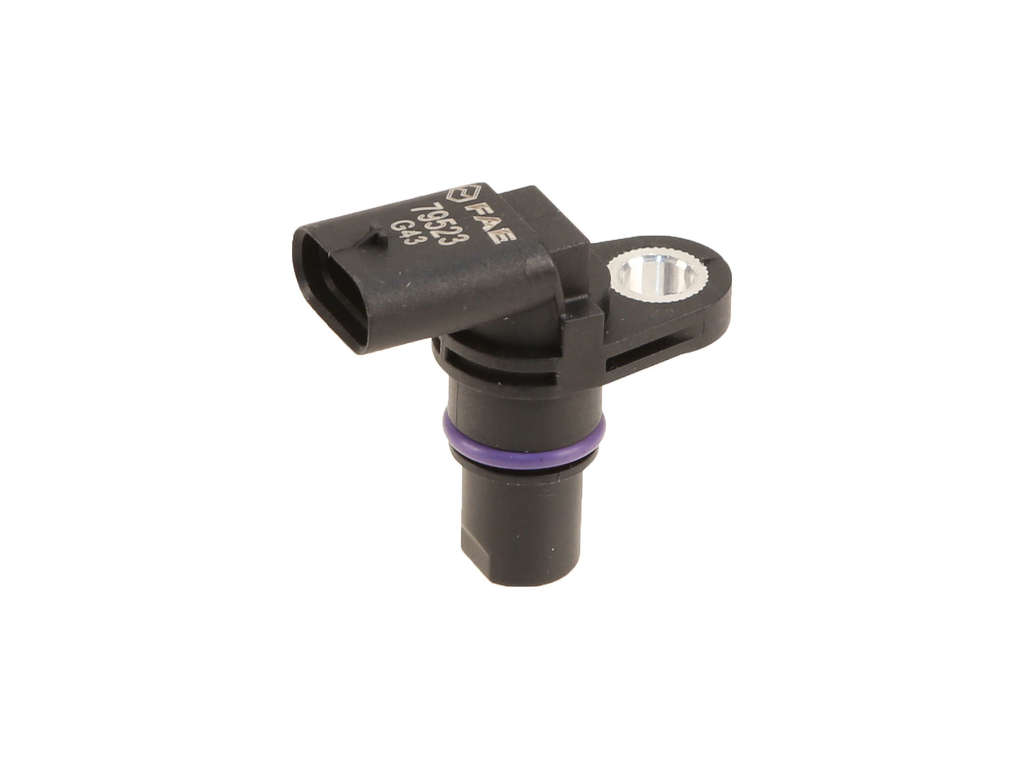
Aftermarket price range: $70-$140 - Camshaft Position Sensor
(OEM #06E905163C)— Though less common, a faulty sensor can send incorrect data to the ECM, triggering the code. It's often misdiagnosed as the primary failure.
Trusted brands: Bosch, Audi Genuine
OEM price range: $70-$130
Aftermarket price range: $40-$90
Related Codes That Often Appear With This One
- P0019 — Crank/Cam correlation error for the exhaust camshaft on the same bank (Bank 2). This often points to a shared problem like low oil pressure affecting all VVT components on that bank.
- P0016 — The equivalent correlation error (Intake 'A') but for Bank 1. If both P0016 and P0018 are present, it strongly suggests a systemic issue like severe oil starvation from the main strainer or a stretched primary timing chain affecting both banks.
- P0300, P0305, P0306, P0307, P0308 — Random or specific misfire codes for the cylinders on Bank 2 (Cylinders 5, 6, 7, 8). Incorrect cam timing disrupts the air/fuel mixture and ignition timing, leading to incomplete combustion and misfires on the affected bank.
- P0524 — Engine Oil Pressure Too Low. This code is a direct confirmation that the issue is related to oil starvation and points directly to the clogged oil strainer as the likely culprit.
Technical Service Bulletins (TSBs) & Recalls
- NHTSA 22V178000 / Audi Recall 21H7: Safety recall for the blocked turbocharger oil strainer affecting 2013-2017 S8 and other 4.0T models.
- Audi TSB 2044640: Technical service bulletin detailing diagnosis and repair for damaged turbochargers, pointing to poor oil supply as a root cause and specifying the optimized oil strainer.
Platform-Specific Known Issues
- A recall was issued (NHTSA ID: 22V178000, Audi code: 21H7) because the turbocharger oil supply strainer can become blocked, leading to oil starvation for the turbos and other engine components like cam phasers. This is a primary cause for P0018.
- A Technical Service Bulletin (TSB 2041097/2) was issued for related codes on the 4.0T engine due to the filter element on the camshaft adjustment control valve becoming loose.
Mechanic-Grade Diagnostic Values
- Camshaft Adjustment Valve (Solenoid) Resistance — expected: 6.9 to 7.9 Ohms at 68°F (20°C). Failure: A reading outside this range, or an open circuit (infinite resistance), indicates a faulty solenoid.
- Camshaft Position Correlation (Bank 2 Sensor A) - VCDS/ODIS — expected: Actual value should be close to specified value; typically within a few degrees.. Failure: A consistent deviation where the actual value is less than 75 degrees of the crankshaft angle can trigger P0018.
Scan Tool Commands That Help
- VCDS (VAG-COM) or ODIS: Output Test for Camshaft Adjustment Valve (e.g., N318 for Bank 2 Exhaust, N208 for Bank 2 Intake) — This command allows the technician to manually activate the solenoid while the engine is running and monitor the camshaft angle's response in live data. A lack of change in the cam angle when the solenoid is commanded indicates a problem with the solenoid, its wiring, or oil flow to the phaser.
- VCDS (VAG-COM) or ODIS: Basic Settings for Camshaft Adaptation — After replacing timing components like chains, tensioners, or phasers, this function should be run. It allows the ECM to learn the new baseline positions of the camshafts, ensuring accurate timing control and preventing false correlation codes.
Wiring & Ground Locations
- Bank 2 Camshaft Position Sensors (G300, G301) — Located on the top of the camshaft housing (valve cover area) for Bank 2 (driver's side in LHD vehicles).. G301 is the specific sensor for the intake camshaft ('Sensor A') on Bank 2. Its signal is directly compared against the crankshaft sensor to determine timing correlation. A fault in its wiring or the sensor itself is a direct cause for P0018.
- Bank 2 Camshaft Adjustment Valves (N208, N319) — Mounted on the front of the cylinder head for Bank 2, controlling oil flow to the phasers. N208 is for the intake camshaft.. The P0018 code is triggered by incorrect intake cam timing on Bank 2. The adjustment valve (solenoid) N208 is the component that physically controls this timing by modulating oil pressure. A failure or wiring issue here is a primary suspect.
- Engine Harness Chafe Points — The entire engine valley, due to the 'hot-V' design, is a high-heat area. Wiring harnesses routed near the turbochargers, exhaust manifolds (integrated into heads), and EGR/Combi valves are susceptible to heat degradation over time.. Heat can cause wiring insulation to become brittle and crack, leading to short circuits or open circuits for the cam sensors or adjustment solenoids, causing intermittent or persistent P0018 faults.
Real Owner Repair Stories
- Reddit user in r/Audi (2016 Audi S8 Plus) — Intermittent Check Engine Light for P0018, which would clear itself after a few drive cycles.
❌ Tried (didn't work) Initial research pointed towards a stuck camshaft valve solenoid.
✅ What actually fixed it The user was asking for advice, and the primary suspect identified by others was the common 4.0T issue: the clogged turbo oil strainer leading to oil pressure problems for the VVT system. The consensus was to investigate the oil strainer before replacing any solenoids or sensors. - NHTSA ODI #11233069 — An owner of a related Audi model reported that at approximately 63,000 miles, the check engine light illuminated with code P0018, which subsequently caused the vehicle to fail an emissions test for license renewal.
OEM Part Supersession History
079115175F→079115175G— The original fine-mesh oil strainer was highly prone to clogging with carbon and sludge. The updated 'G' revision features a revised design intended to be less restrictive and less prone to catastrophic clogging that leads to oil starvation.
Heads up: Never install the older 'F' revision or a used strainer. Only the new, Genuine Audi 079115175G part should be used for this repair to ensure longevity.079103542B / 079103542D→079103542E— The PCV / Oil Separator assembly went through several revisions to improve its durability and function. The 'E' revision is the most current replacement part.
Heads up: While older versions may fit, it is best practice to use the latest available revision (079103542E) when performing service in the engine valley to ensure the longest service life.
Model Year Variations Within This Range
- 2015-2018 (D4.5 Facelift): For the 2015 model year, the S8 received a facelift. The 4.0T engine's power was slightly increased from 512 hp to 520 hp. While the fundamental engine architecture and the root cause of P0018 (oil strainer) remain the same, some ancillary parts, electronics, or software versions may differ. The S8 Plus model, introduced in 2016, had a further power increase to 605 hp (US) but shares the same core engine block and VVT system. Always confirm part numbers with the vehicle's VIN.
- 2013-2014 (Pre-facelift): These early D4 models have 512 hp and hydraulic power steering. The P0018 issue is identical across the entire 2013-2018 range due to the shared engine design and oil strainer part. There are no significant differences in the diagnosis or primary repair for this specific code.
Diagnostic Flowchart
Other Known Issues on This Vehicle
Issues unrelated to this code that are worth knowing about as an owner of this generation:
- PCV / Oil Separator Failure 🔴 High — Common failure, especially on vehicles over 60,000 miles. The part is plastic and located in the high-heat engine valley.
- Turbocharger Failure 🔴 High — Very common, directly linked to the oil strainer issue. Failure can occur at any mileage if oil flow is restricted. (Ref: Recall 21H7, TSB 2044640)
- Adaptive Air Suspension Failure 🟠 Medium — Common on higher-mileage vehicles (typically over 80,000 miles) as rubber and electronic components age.
- Active Motor Mount Failure 🟠 Medium — Failure is common around 60,000-80,000 miles.
- Coolant Leaks in Engine Valley 🟠 Medium — Can occur due to the high heat in the 'hot-V' design degrading plastic and rubber components over time. (Ref: TSB 2036167/1 (related to coolant pipe seepage))
Used vs. New Parts: Buying Guide for This Vehicle
When a used part is the smart pick: For this specific repair, using used parts is generally not recommended due to the high labor cost to access components. However, a used Camshaft Position Sensor could be a viable option if it can be tested or comes from a reputable seller with a warranty. Large, non-wear components like engine covers or brackets are also suitable from a donor car.
Donor-vehicle mileage cap: roughly under 75000 miles for the part to have meaningful remaining life.
What to inspect on the donor part:
- For sensors, ensure connectors are clean, free of corrosion, and the housing has no cracks.
- Avoid any parts from a donor vehicle that show signs of heavy oil sludge or coolant contamination.
- Check for a service history of the donor vehicle if possible, specifically looking for regular oil changes.
OEM-only on this vehicle (don't cheap out):
- Turbocharger Oil Strainer (P/N 079115175G): Absolutely critical. Never use a used or aftermarket version of this part.
- Timing Chains, Tensioners, and Guides: These are wear items. The cost of labor is too high to risk using used components.
- PCV / Oil Separator: Given the high labor to access it in the engine valley, installing a new, latest-revision OEM part is the only sensible choice.
- Camshaft Adjustment Solenoids: While some high-quality aftermarket options exist, the sensitivity of the VVT system makes OEM (or the direct OEM supplier like Pierburg) the safest bet to avoid repeat failures.
Aftermarket brands forum-validated for this vehicle:
- Sensors: Bosch, NTK (if available).
- Solenoids: Pierburg (often the original OEM supplier), Vaico.
Brands owners have reported issues with on this vehicle:
- Unnamed, no-brand 'white box' sensors and solenoids from online marketplaces. These often have high failure rates and can cause incorrect diagnostic readings, leading to more confusion and expense.
Real Owner Stories
Aggregated from forums and TSBs cited above. Mileages and costs reflect what owners reported in those sources.
2015 Audi A8 4.0T
Symptoms: The owner experienced a check engine light accompanied by a long cranking time before the engine would start and a low, unstable idle.
What fixed it: The issue was discussed in the context of P0018 correlation faults where diagnostic steps like swapping sensors and checking the VVT system were required.
Source hint: AudiWorld forum thread titled 'P0018 Check Engine Light'
2014 Audi S8 4.0T — ~100000 miles
Symptoms: Rattling or ticking noises from the engine, especially on startup, and a noticeable loss of power.
What fixed it: Replacement of the oil strainer with the updated part (P/N 079115175G) and the oil check valve as part of the 21H7 recall procedure.
Source hint: NHTSA 22V178000 / Audi Recall 21H7
2016 Audi RS7 4.0T
Symptoms: A technician noted that even with updated parts, the fine mesh screens can clog, leading to oil starvation and timing codes.
What fixed it: Visual inspection of the camshaft adjustment valve revealed a broken internal plastic filter screen that had entered the oil passage.
Source hint: Reddit r/Audi thread discussing 4.0T V8 reliability
Related OBD-II Codes
Frequently Asked Questions
Is there a recall for the 4.0T engine that could cause the P0018 code?
What is the updated part number for the oil strainer on my Audi S8?
Can a loose part inside the engine cause this code according to Audi TSBs?
How can I tell if my P0018 is a bad sensor or a mechanical timing issue?
Does the 4.0T engine require a specific oil to prevent VVT issues?
Is the P0018 code common on other Audi models besides the S8?
Helpful Videos

![How to Fix AUDI P0018 Engine Code in 6 Minutes [4 DIY Methods / Only $6.81]](https://img.youtube.com/vi/WXpN2bFmYFI/mqdefault.jpg)
Used OEM Parts in Stock
New Aftermarket Parts Available



The information in this article is provided for general reference and educational purposes only. Vehicle specifications, procedures, and part compatibility can vary by production date, trim level, and region. Always consult your vehicle's factory service manual and verify part numbers before purchasing or performing repairs. Safety-critical components such as airbags, seat belts, and braking systems should be installed by a qualified professional.
- Audi S8:
- 🧭 Diagnostic Flowchart
- 🎬 Helpful Videos
- 🛍️ Shop This Part
- What's Unique About the 2013-2018 Audi S8
- Symptoms You May Notice
- Most Likely Causes
- Rare But Worth Checking
- Diagnosis Steps
- Parts You'll Likely Need
- Related Codes That Often Appear With This One
- Technical Service Bulletins (TSBs) & Recalls
- Platform-Specific Known Issues
- Mechanic-Grade Diagnostic Values
- Scan Tool Commands That Help
- Wiring & Ground Locations
- Real Owner Repair Stories
- OEM Part Supersession History
- Model Year Variations Within This Range
- Other Known Issues on This Vehicle
- Used vs. New Parts: Buying Guide for This Vehicle
- Real Owner Stories
- 2015 Audi A8 4.0T
- 2014 Audi S8 4.0T — ~100000 miles
- 2016 Audi RS7 4.0T
- Related OBD-II Codes
- Frequently Asked Questions
- 🎟️ Get 5% Off