

P0018 on 2020-2021 Cadillac CT5 3.0L V6: Causes and Fixes for Cam/Crank Correlation
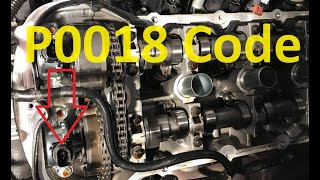
For a 2020-2021 Cadillac CT5 with the 3.0L V6, code P0018 is most likely caused by a faulty Intake Camshaft Position Actuator Park Lock Solenoid Valve, as noted in GM TSB PIP5730B. Before major repairs, inspect these solenoids on the driver's side of the engine. Replacement is a moderate DIY job with parts costing around $50-$150.
- For the 2020-2021 CT5 3.0L V6, P0018 is specifically addressed by TSB PIP5730B, which points to faulty Intake Camshaft Position Actuator Park Lock Solenoids.
- Always check the engine oil level and condition first, as low or dirty oil is a common cause of VVT system faults.
- Do not immediately assume a costly timing chain failure. Follow the TSB's advice and inspect/swap the park lock solenoids first.
- Driving with this code is not recommended due to the risk of stalling and potential for severe engine damage.
- This code only applies to the 3.0L V6 engine in the CT5, not the 2.0L 4-cylinder.
What's Unique About the 2020-2021 Cadillac CT5
While many GM V6 engines with similar codes often suffer from stretched timing chains, the 3.0L LGY engine in the CT5 has a specific known issue outlined by General Motors. A Technical Service Bulletin (PIP5730B) points directly to the Intake Camshaft Position Actuator Park Lock Solenoid Valves as a primary cause. The TSB notes the valve can stick or 'come apart,' leaving a portion stuck in the actuator. This means a relatively simple and inexpensive solenoid replacement could fix the code, unlike the costly and labor-intensive timing chain job required on other platforms.
Diagnostic Flowchart
Tap your situation to follow the diagnostic path that matches what you're seeing on this vehicle.
Symptoms You May Notice
- Check Engine Light is on
- Rough or uneven idle
- Reduced engine power and acceleration
- Engine may hesitate or stall 🎬 Watch: A quick guide on fixing P0018 correlation codes.
- Rattling noise from the engine, especially on startup
- Immediately replacing the camshaft position sensor. The sensor is often just reporting the timing error correctly; it is usually not the cause of the problem.
- Assuming a stretched timing chain without first checking the simpler and more likely causes like the park lock solenoids or oil condition, as specified in TSB PIP5730B for this specific engine family.
Most Likely Causes
- Faulty Intake Camshaft Position Actuator Park Lock Solenoid Valve 🔴 High Probability → Shop Engine Camshaft This is a documented issue for the 3.0L LGY engine as per GM Technical Service Bulletin PIP5730B. The solenoid can stick or physically come apart, preventing the camshaft actuator from operating correctly.
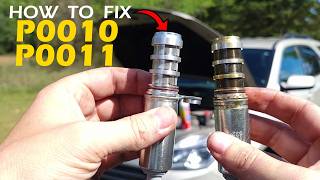
How to confirm: Remove the Bank 2 (driver's side) intake park lock solenoid and inspect it for physical damage or sticking. A definitive diagnostic test is to swap the Bank 1 and Bank 2 intake park lock solenoids and see if the code changes to P0016 (the Bank 1 equivalent).
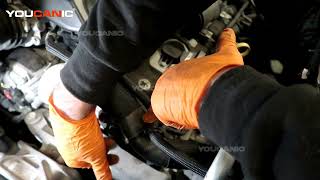
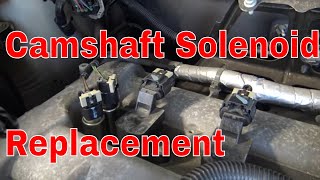
Typical fix: Replace the faulty solenoid. 🎬 See this walkthrough for replacing the camshaft actuator solenoid valve. It is recommended to replace both intake park lock solenoids (Bank 1 and Bank 2) at the same time as a preventative measure.
Est. part cost: $50-$150 - Low, Dirty, or Incorrect Viscosity Engine Oil 🟡 Medium Probability The entire variable valve timing system, including the camshaft phasers and solenoids, is hydraulically operated by engine oil pressure. Incorrect or degraded oil can cause components to stick or respond slowly. The 3.0L LGY engine requires full-synthetic SAE 5W-30 oil meeting GM's dexos1 specification.
How to confirm: Check the engine oil level and condition on the dipstick. Ensure the correct oil type is being used. The oil capacity is approximately 6.0 quarts for RWD models and 6.6 quarts for AWD models.
Typical fix: Perform an engine oil and filter change using full-synthetic SAE 5W-30 oil that is dexos1 Gen 3 approved.
Est. part cost: $70-$130 - Stretched Timing Chain or Failed Tensioner ⚪ Low Probability → Shop Engine Timing Chain While a very common failure on the older GM 3.6L V6 (LLT/LFX) engines, it is a less likely, but still possible, cause on the newer 3.0L LGY. Over time, chains can stretch, causing the base mechanical timing to be off. This should be considered only after the more common solenoid and oil issues are ruled out.
How to confirm: This is a complex diagnosis that requires measuring the timing deviation with a high-end scan tool (like GM GDS2) or physically inspecting the chains, guides, and tensioners, which involves significant engine disassembly. 🎬 Watch: How to diagnose timing chain stretch on GM V6 engines.
Typical fix: Replace all timing chains, tensioners, and guides. This is a very labor-intensive job.
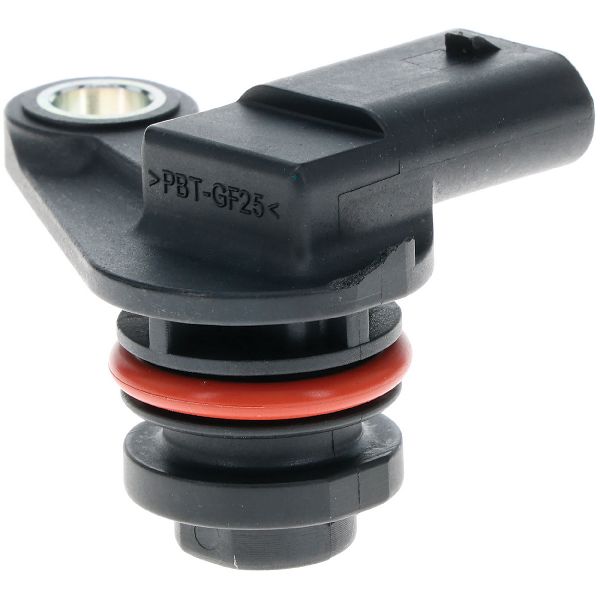
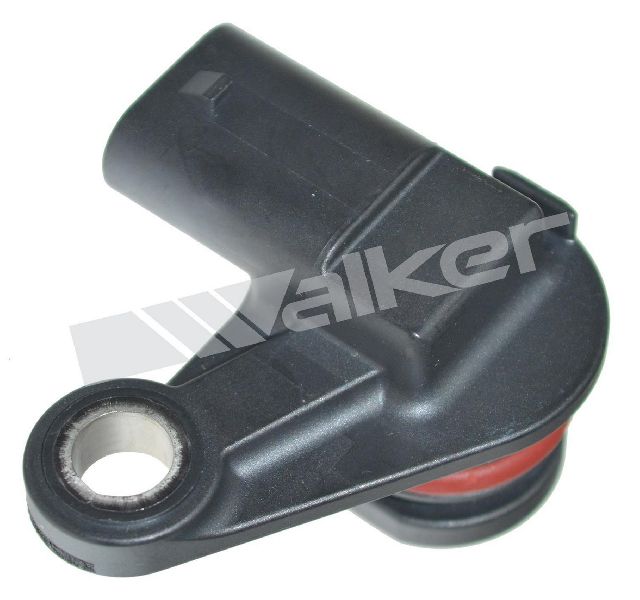
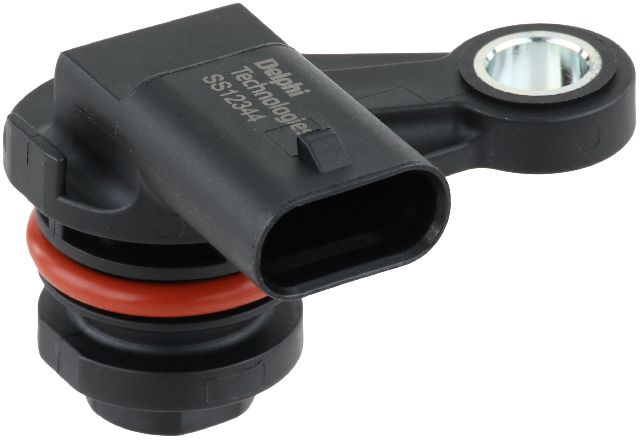
Est. part cost: $400-$800 - Faulty Camshaft Position Sensor (Bank 2 Intake) ⚪ Low Probability → Shop Engine Camshaft Position Sensor
How to confirm: The sensor itself can be tested with a multimeter for resistance. An easier diagnostic step is to swap the Bank 2 intake sensor with the Bank 1 intake sensor to see if the fault code changes to P0016.
Typical fix: Replace the Bank 2 intake camshaft position sensor.
Est. part cost: $20-$50
Rare But Worth Checking
- Slipped Crankshaft Reluctor Wheel: → Shop Engine Crankshaft An older GM TSB (PIP3423K) for various V6 engines notes that the reluctor wheel pressed onto the crankshaft can move, throwing off the crank position signal and causing correlation codes. This is a major failure requiring crankshaft replacement and can happen even to new parts.
- Faulty Camshaft Phaser/Actuator: → Shop Engine Camshaft The mechanical actuator (phaser) on the end of the camshaft can fail internally, get clogged with sludge, or the park lock pin can stick. This is a more involved repair than replacing the external solenoid and typically requires timing cover removal.
Diagnosis Steps
- Check Engine Oil: Verify the oil level is full and the oil is clean. Confirm it is full-synthetic 5W-30 dexos1 approved oil. If in doubt, change the oil and filter.
- Scan for Other Codes: Use an OBD-II scanner to check for any other related codes (e.g., P0016, P0019, P0009) to help narrow down the problem.
- Inspect Park Lock Solenoids (per TSB PIP5730B): Remove the Bank 2 (driver's side) intake camshaft position actuator park lock solenoid. Inspect it for damage, sticking, or being physically broken/separated.
- Swap Solenoids: If no damage is visible, swap the Bank 2 solenoid with the Bank 1 (passenger side) solenoid. Clear the codes and drive the vehicle to see if the code returns as P0016. If it does, the solenoid is faulty.
- Test Camshaft Position Sensor: If the solenoids are good, swap the Bank 2 intake camshaft position sensor with the Bank 1 intake sensor. Clear codes and see if P0016 appears. If so, the sensor is bad.
- Inspect Wiring: Check the wiring and connectors for the camshaft sensor and solenoid on Bank 2 for any signs of damage, corrosion, or loose connections.
- Professional Diagnosis: If the above steps do not resolve the issue, the problem is likely more serious (timing chain, phaser, reluctor wheel) and requires professional diagnosis with specialized tools to check the live timing deviation and inspect the timing system.
Parts You'll Likely Need
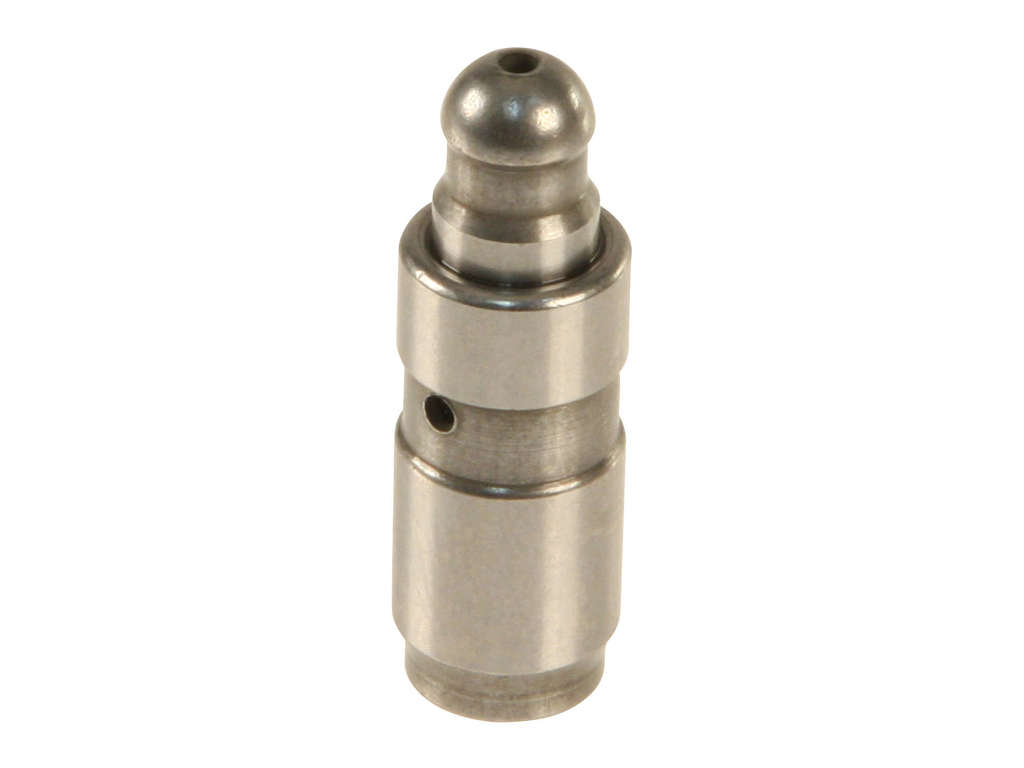
- Intake Camshaft Position Actuator Park Lock Solenoid Valve
(OEM #12703392)— This is the most likely cause according to GM TSB PIP5730B for this specific engine and code. Part number is not consistently available in online catalogs; it's best to contact a GM dealer with your VIN and reference TSB PIP5730B. It is recommended to replace both bank's solenoids at once.
Trusted brands: ACDelco (GM Genuine)
OEM price range: $50-$100
Aftermarket price range: $30-$70 - Engine Camshaft Position Sensor
(OEM #12646782)— A possible but less common cause. It's a relatively inexpensive part to replace during diagnosis.
Trusted brands: ACDelco, Bosch, Delphi
OEM price range: $20-$40
Aftermarket price range: $15-$30 - Engine Oil and Filter Kit — Required for basic maintenance and to rule out oil-related issues. Use Full Synthetic 5W-30 dexos1 Gen 3 oil.
Trusted brands: ACDelco Oil, Mobil 1, ACDelco PF64 Filter
OEM price range: $70-$130
Aftermarket price range: $50-$90 - Timing Chain Kit — This is the fix for a stretched timing chain, which is a possible underlying cause if solenoids and sensors are confirmed to be good.
Trusted brands: ACDelco (GM Genuine), Cloyes
OEM price range: $400-$800
Aftermarket price range: $250-$500
Related Codes That Often Appear With This One
- P0016 — This is the same correlation error but for Bank 1 (passenger side). If both are present, it points strongly toward a base timing issue affecting both banks, such as a stretched primary timing chain or a problem with the crankshaft signal.
- P0019 — This is a correlation error for the exhaust camshaft on Bank 2. If seen with P0018, it indicates a timing problem affecting the entire bank, likely a secondary timing chain or phaser alignment issue on Bank 2.
- P0008 / P0009 — These are more general engine position system performance codes. Their presence along with P0018 makes a significant mechanical timing issue, like a stretched chain, much more likely.
Technical Service Bulletins (TSBs) & Recalls
- PIP5730B: Communicates diagnostic information for DTCs P0016 and P0018, pointing to the Intake Camshaft Position Actuator Park Lock Solenoid Valves sticking or coming apart.
Platform-Specific Known Issues
- TSB PIP5730B specifically calls out the Intake Camshaft Position Actuator Park Lock Solenoid Valves as a known cause of P0018 on the 3.0L LGY engine. The bulletin notes the solenoids can stick or come apart.
- The 3.0L LGY engine is part of the GM High Feature V6 family, which has a history of timing chain issues on previous generations (3.6L LLT/LFX). While the LGY is improved, chain stretch remains a possibility, though it is less probable than the solenoid issue.
Mechanic-Grade Diagnostic Values
- Camshaft Position Actuator Solenoid Resistance — expected: 6 to 13 Ohms. Failure: A reading significantly outside this range, or an open/short circuit, indicates a failed solenoid.
- Scan Tool Cam/Crank Correlation Deviation — expected: Less than 5-9 degrees at idle.. Failure: A persistent deviation greater than this threshold will trigger the P0018 code.
Scan Tool Commands That Help
- GM GDS2: Camshaft Position Actuator Control — This bidirectional command allows a technician to manually command the camshaft phaser to advance or retard. It's used to verify if the phaser and solenoid are responding correctly to ECM commands, helping to isolate a hydraulic (oil) issue from a mechanical or electrical one.
- GM GDS2: Crankshaft Position Variation Learn — This procedure is required after replacing the crankshaft, crankshaft position sensor, or ECM. It allows the control module to learn the minor physical variations in the crankshaft reluctor wheel to prevent false misfire detection and ensure accurate timing correlation.
Wiring & Ground Locations
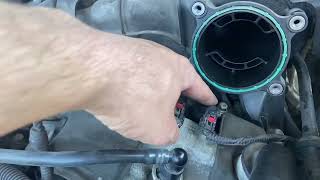
- Bank 2 Camshaft Position Sensor Connector — On the 3.0L V6, Bank 2 is the driver's side. The intake camshaft position sensor is located on the front of the cylinder head, accessible after removing the engine cover.. This is the primary sensor reporting the position data that the ECM uses to set code P0018. Checking its connector for corrosion, damage, or a loose fit is a crucial early diagnostic step.
- G105 Ground — On similar GM V6 platforms, a key engine ground (often designated G105) is located on the left rear of the engine block.. A poor ground connection at this point can introduce electrical noise or incorrect reference voltage for various engine sensors, including the camshaft and crankshaft position sensors, potentially leading to false correlation codes.
OEM Part Supersession History
Unknown→12703392 (ACDelco D2301C)— This is the current part number for the Intake Camshaft Position Actuator Park Lock Solenoid Valve implicated in TSB PIP5730B.
Model Year Variations Within This Range
- 2020 vs 2021: The 2021 Cadillac CT5 with the 3.0L LGY V6 received slightly higher EPA highway fuel economy ratings (e.g., +2 MPG for RWD models) compared to the 2020 model. GM did not announce any specific mechanical changes to the engine or transmission that would account for this improvement.
Helpful Videos



We Have This Part in Stock


The information in this article is provided for general reference and educational purposes only. Vehicle specifications, procedures, and part compatibility can vary by production date, trim level, and region. Always consult your vehicle's factory service manual and verify part numbers before purchasing or performing repairs. Safety-critical components such as airbags, seat belts, and braking systems should be installed by a qualified professional.
- Cadillac CT5:
- 🧭 Diagnostic Flowchart
- 🎬 Helpful Videos
- 🛍️ Shop This Part
- What's Unique About the 2020-2021 Cadillac CT5
- Symptoms You May Notice
- Most Likely Causes
- Rare But Worth Checking
- Diagnosis Steps
- Parts You'll Likely Need
- Related Codes That Often Appear With This One
- Technical Service Bulletins (TSBs) & Recalls
- Platform-Specific Known Issues
- Mechanic-Grade Diagnostic Values
- Scan Tool Commands That Help
- Wiring & Ground Locations
- OEM Part Supersession History
- Model Year Variations Within This Range
- 🎟️ Get 5% Off