

P0018 on 2015-2024 Ford Edge 2.7L/3.5L: Crank/Cam Correlation Causes and Fixes
On the Ford Edge V6, P0018 is most often caused by low/dirty engine oil or a sticking VCT solenoid on the front-facing cylinder bank (Bank 2). An oil change and a new solenoid (~$30-$80) is the most likely fix before suspecting a more costly timing chain issue. For the 3.5L V6, this code can be an early warning of a failing internal water pump that is contaminating the oil.
- P0018 on a Ford Edge V6 points to a timing mismatch on the front (Bank 2) intake camshaft.
- Before suspecting major mechanical failure, always check the engine oil level and condition first. An oil change may resolve the issue.
- The most common part to fail is the Bank 2 intake VCT solenoid, which is relatively inexpensive and easy to replace.
- Only after ruling out oil and VCT solenoid issues should you suspect a more expensive and complex stretched timing chain problem.
- Ignoring this code can lead to severe engine performance issues and potential catastrophic failure if the timing chain is the cause and it breaks.
What's Unique About the 2015-2024 Ford Edge
The second-generation Ford Edge with either the 3.5L V6 or 2.7L V6 EcoBoost engine uses a Variable Camshaft Timing (VCT) system that is highly dependent on clean, correct-viscosity engine oil. These engines can be susceptible to timing-related issues, and Ford has issued Technical Service Bulletins (TSBs) that specifically mention VCT solenoids sticking due to small debris, leading to codes like P0018. A critical issue for the 3.5L V6 is the internal, timing-chain-driven water pump; its failure can leak coolant into the oil, destroying the oil's lubricating properties and causing rapid wear on the timing chain and VCT components, making P0018 a potential symptom of this larger problem.
Symptoms You May Notice
- Check Engine Light is on
- Rough or uneven idle
- Reduced engine power and poor acceleration
- Engine may hesitate or stall, especially when coming to a stop
- Decreased fuel economy
- Rattling noise from the engine, especially on startup
- Immediately replacing the camshaft or crankshaft position sensors without first checking the oil condition and VCT solenoid function. The code indicates a correlation *problem*, not necessarily a sensor failure.
- Assuming a stretched timing chain without performing proper diagnostics. The repair is very expensive and may not be necessary if the issue is just a simple solenoid or dirty oil.
- On a 3.5L V6, replacing the timing chain without also replacing the internal water pump. A failing water pump is a frequent root cause of the chain failure, and leaving the old one in place will likely lead to a repeat failure.
Most Likely Causes
- Low, Dirty, or Incorrect Viscosity Engine Oil 🔴 High Probability The VCT system uses oil pressure to adjust camshaft timing. If the oil is low, dirty, or the wrong type, the VCT solenoids and phasers cannot function correctly. Ford engines are known to be sensitive to oil quality.
How to confirm: Check the engine oil dipstick for level and inspect the oil's color and consistency. If it's dark, thick, or below the 'add' mark, this is a likely contributor. For the 3.5L, check for a milky appearance, which indicates coolant contamination from a possible water pump failure.
Typical fix: Perform an oil and filter change using the OEM-specified grade of full synthetic oil and a quality filter.
Est. part cost: $50-$100 - Sticking or Failed VCT Solenoid (Oil Control Valve) 🔴 High Probability → Shop Engine Variable Valve Timing (VVT) Solenoid Ford TSB 16-0093 specifically notes that on some 2016 3.5L engines, this code can be caused by a faulty VCT solenoid, often due to debris. This is a known weak point across many Ford V6 engines and is the most common component failure for this code.
How to confirm: A mechanic can command the solenoid on and off with a diagnostic scan tool to see if it responds. It can also be removed and tested for resistance or blockages. A common DIY test is to swap the intake and exhaust solenoids on Bank 2 and see if the code changes to P0019.
Typical fix: Replace the Bank 2 intake VCT solenoid. It is often recommended to replace all four solenoids at the same time for preventative maintenance.
Est. part cost: $30-$80 - Stretched Timing Chain 🟡 Medium Probability → Shop Engine Timing Chain Over time, especially with extended oil change intervals, the timing chains on the 3.5L and 2.7L engines can stretch. On the 3.5L V6, this is often accelerated by a failing internal water pump leaking coolant into the oil, which severely degrades the oil's lubricating properties and causes rapid chain wear.
How to confirm: This is a complex diagnosis. A mechanic may use a scan tool to look at cam/crank correlation data. Physical inspection requires significant engine disassembly to check tensioner extension or chain guide wear. A startup rattle is a strong audible symptom.
Typical fix: Replace the timing chain, tensioners, guides, and VCT phasers. For the 3.5L V6, the water pump MUST be replaced at the same time.
Est. part cost: $400-$800
Rare But Worth Checking
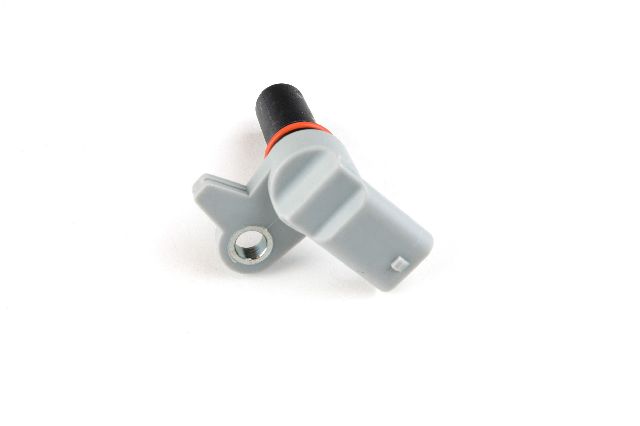
- Failed Camshaft Position Sensor (CMP): → Shop Engine Camshaft Position Sensor While less common than a VCT solenoid failure, a faulty CMP sensor can send incorrect data to the PCM, triggering the code. It's a relatively inexpensive part to replace as a diagnostic step if oil and solenoid issues are ruled out.
- Failed Crankshaft Position Sensor (CKP): → Shop Engine Crankshaft Position Sensor A failing CKP sensor can disrupt the reference signal for all timing operations. This is rare, and would likely be accompanied by other codes or starting issues.
- Damaged VCT Phaser (Camshaft Sprocket): The phaser itself can fail mechanically, getting stuck in one position or having broken internal locking pins. This is often replaced during a timing chain job but can fail independently, sometimes causing a rattling noise.
- Damaged Crankshaft Reluctor Wheel: → Shop Engine Crankshaft In very rare cases, the reluctor wheel (tone ring) that the crankshaft sensor reads from can be damaged or shifted, causing an incorrect timing signal. This is an intensive repair.
Diagnosis Steps
- Check Engine Oil: Verify the oil level is correct and the oil is clean. If it's low, past its service life, or appears milky (coolant contamination), perform an oil and filter change with the correct OEM-spec full synthetic oil. Clear the code and see if it returns. This is the cheapest and most important first step.
- Scan Tool Analysis: Use an OBD-II scanner to check for any other pending or stored codes. A professional scan tool can monitor the desired vs. actual camshaft position angles for Bank 2 (CAM_ERR2 PID) to see the deviation in real-time.
- Inspect and Test VCT Solenoid: Locate the intake VCT solenoid on Bank 2 (front of the engine). Inspect the wiring and connector for damage. Test the solenoid's function with a scan tool or by applying 12v to check for an audible click. For a more definitive test, swap the Bank 2 intake and exhaust solenoids and see if the code changes from P0018 to P0019.
- Test Camshaft Position Sensor: If the solenoid is working, inspect and test the Bank 2 intake camshaft position sensor and its wiring. Swapping it with the sensor from Bank 1 (P0016) is a valid diagnostic step.
- Mechanical Timing Check: If all electronic components and oil are good, the problem is likely mechanical. This requires a skilled technician to inspect the timing chain for stretch, check the tensioners and guides for wear, and verify the VCT phasers are not damaged. On the 3.5L, this is the point to check for evidence of a leaking internal water pump. This is an invasive and labor-intensive process.
Parts You'll Likely Need
- Variable Camshaft Timing (VCT) Solenoid / Oil Control Valve
(OEM #For 3.5L V6: AT4Z-6M280-A (Bank 2 / Right Side Intake). For 2.7L V6: FT4Z-6M280-B (all 4 are identical). Always verify with VIN.)— This is the most common point of failure due to clogging from oil debris, as noted in Ford TSBs. It's relatively inexpensive and accessible.
Trusted brands: Motorcraft, Dorman
OEM price range: $50-$90
Aftermarket price range: $30-$60 - Timing Chain Kit — If the chain has stretched, a full kit including the chain, guides, and tensioners is required to restore proper timing. This is the definitive fix for mechanical timing failure.
Trusted brands: Motorcraft, Cloyes
OEM price range: $400-$600
Aftermarket price range: $250-$400 - Engine Water Pump (For 3.5L V6) — On the 3.5L V6, the water pump is internal and driven by the timing chain. Its failure contaminates the oil with coolant, which is a primary cause of timing chain and VCT component failure. It is considered mandatory to replace during a timing chain service.
Trusted brands: Motorcraft, Gates
OEM price range: $150-$250
Aftermarket price range: $80-$150
Related Codes That Often Appear With This One
- P0016 — This is the same correlation error but for Bank 1 (the firewall side). Seeing both P0016 and P0018 together strongly suggests a problem common to both banks, like low oil pressure or a stretched primary timing chain.
- P0019 — This is a correlation error for the exhaust camshaft ('Sensor B') on the same bank (Bank 2). If seen with P0018, it points to a more significant timing issue on Bank 2, such as a problem with the phaser or the chain timing on that bank.
- P0021 — This code indicates 'Intake Camshaft Position Timing - Over-Advanced (Bank 2)'. It's often caused by the same faulty VCT solenoid that can cause P0018, as a stuck solenoid can cause both an incorrect position (P0018) and an over-advanced state (P0021). Ford TSB 16-0038 specifically advises replacing the Bank 2 intake VCT solenoid if P0018 and P0021 are found together on certain 2016 3.5L engines.
Technical Service Bulletins (TSBs) & Recalls
- TSB 16-0093: For some 2016 Ford Edge, F-150, Explorer and other models with the 3.5L engine and low mileage (under 2000 miles), this TSB notes that various cam/crank correlation codes including P0018 can be caused by a faulty VCT solenoid and advises replacing the affected solenoid.
- SSM 50067: A Special Service Message from Ford that applies to multiple engines, including the 2.7L, noting that small debris can cause VCT solenoids to stick, leading to codes like P0018.
Platform-Specific Known Issues
- Internal Water Pump Failure (3.5L V6): → Shop Engine Water Pump The 3.5L V6 features a water pump located inside the engine block, driven by the primary timing chain. When the pump's bearing or seal fails, it leaks coolant directly into the crankcase. This coolant contamination destroys the engine oil's viscosity and lubricity, leading to accelerated wear of the timing chain, guides, and VCT phasers. P0018 is often one of the first DTCs to appear as a result of this chain stretch. Any timing job on this engine MUST include a new water pump.
- TSB 16-0093: For some 2016 models with the 3.5L engine and low mileage, Ford acknowledged that codes P0011, P0016, P0018, P0019 and others could be set due to a faulty VCT solenoid, and the prescribed fix is to replace the specific solenoid identified by the code.
Mechanic-Grade Diagnostic Values
- VCT Solenoid Internal Resistance — expected: 5.0 - 15.0 Ohms. More specific ranges like 6.9-7.9 Ohms are sometimes cited.. Failure: A reading of 0 Ohms (short), infinite/OL (open), or significantly outside the expected range indicates a failed solenoid coil.
- VCT Solenoid Power Supply Voltage — expected: Battery Voltage (approx. 12.0V) at the solenoid connector with Key On, Engine Off.. Failure: Voltage below 10.5V indicates an open circuit or problem in the power feed wiring or fuse.
- Engine Oil Pressure at Hot Idle — expected: Minimum 25 PSI.. Failure: Pressure below 25 PSI indicates oil starvation that will prevent the VCT system from operating correctly and can trigger timing codes.
- Scan Tool PID: VCT_ADV_ERR (VCT Advance Error) — expected: Should be close to 0° at warm idle.. Failure: A consistent deviation greater than +/- 5° indicates a timing correlation problem. Some TSBs note that a reading of +6° or more at idle can specifically indicate a stretched timing chain.
- Camshaft Position Sensor (CMP) Resistance (2-wire VR type) — expected: 586 - 2,033 Ohms.. Failure: Resistance outside this range indicates a faulty sensor. Note: Many modern sensors are 3-wire Hall-effect and cannot be tested this way.
Hidden / Shadow Codes Worth Checking
- Mode 6, Test ID $82: This is Ford's on-board diagnostic monitor for VCT system performance. It stores statistical data on camshaft timing errors. (see via Use a professional scan tool with Mode 6 capability (like Ford IDS or FORScan). A failure logged in this test can indicate a developing VCT problem before a P-code is set.)
Scan Tool Commands That Help
- Ford IDS or FORScan: VCT Solenoid On/Off State Control (Bidirectional Test) — This is a primary diagnostic step to test the mechanical function of a VCT solenoid. The command manually energizes the solenoid; the technician should hear an audible click and see a change in engine idle quality if the solenoid is working.
- Ford IDS or FORScan: VCT Solenoid Cleaning Cycle — Per Ford TSBs (like SSM 47170 and SSM 49821), if a solenoid is suspected of sticking from debris, a technician can use the scan tool to cycle the solenoid on and off 10 times in an attempt to dislodge the particle and restore function before replacing the part.
Wiring & Ground Locations
- Bank 2 VCT Solenoid Connector — On the 2.7L V6, the solenoid connectors are accessible on the top of the cylinder heads. On the 3.5L V6, the connectors are on top of the valve covers, but the solenoids themselves are located underneath, requiring valve cover removal for replacement.. This is the primary point for electrical testing (voltage and resistance) of the Bank 2 intake VCT solenoid. Corrosion or damage here will cause a failure.
- Bank 2 Camshaft Position Sensor Connector — Located on the front (radiator side) valve cover, near the VCT solenoid.. This connector provides power, ground, and signal path for the sensor that reports the camshaft's position. A fault here will cause incorrect data to be sent to the PCM.
Real Owner Repair Stories
- f150forum.com user report (2013 Ford F-150 3.5L EcoBoost (shared engine architecture)) — P0016 code (Bank 1 equivalent of P0018).
❌ Tried (didn't work) N/A - went straight to major repair.
✅ What actually fixed it A full timing chain and phaser replacement was performed, with all timing marks triple-checked for accuracy. However, the P0016 code returned immediately after the repair. The final resolution was not posted, but the story serves as a critical warning that even a perfectly executed timing job may not fix the code if another underlying issue (like a wiring fault, PCM issue, or faulty new part) exists. - fordedgeforum.com user report (2008 Ford Edge) — P0018 code appeared, but engine ran fine.
❌ Tried (didn't work) Replaced the camshaft position sensor.
✅ What actually fixed it The user replaced the sensor, but three weeks later received codes P0022 and P0018 together. The final fix was not posted, but this demonstrates the common misdiagnosis of replacing a sensor when the root cause is something else (likely a VCT solenoid or mechanical timing).
"I Checked Everything" — The Actual Cause
- This code is not related to vacuum or EVAP leaks, so a smoke test is not a relevant diagnostic procedure. The equivalent scenario is when all electrical tests (sensors, solenoids, wiring) pass. In this case, the cause is almost certainly a mechanical issue within the timing system, such as a stretched timing chain, worn chain guides, a failed tensioner, or a mechanically failed VCT phaser.
OEM Part Supersession History
N/A→Motorcraft 'CC' and 'CD' revisions— To address the common 'startup rattle' and premature wear issues in 3.5L EcoBoost cam phasers.
Heads up: When replacing phasers on an older engine, it is critical to use the latest 'CD' revision parts to prevent a recurrence of the rattle and timing issues.
Model Year Variations Within This Range
- 2019-2024: The 2019 model year refresh introduced a new 8-speed automatic transmission and made the 2.7L V6 EcoBoost exclusive to the new ST performance trim, replacing the previous 'Sport' trim.
- 2015-2024 (2.7L V6 EcoBoost): The 2.7L EcoBoost engine used in the Ford Edge is the 'Gen 1' version, which uses direct injection only. This is different from the 'Gen 2' version introduced in the 2018 F-150, which added port fuel injection (dual injection) to help mitigate carbon buildup on intake valves. Edge owners may need to consider intake valve cleaning as a long-term maintenance item.
- 2016 (3.5L V6): Ford TSB 16-0038 specifically targets 2016 models with the 3.5L GTDI engine with very low mileage. It advises that if P0018 is present along with P0021, the Bank 2 intake VCT solenoid should be replaced.
Diagnostic Flowchart
Real Owner Stories
Aggregated from forums and TSBs cited above. Mileages and costs reflect what owners reported in those sources.
2016 Ford Edge 3.5L V6 — ~1500 miles
Symptoms: Triggered P0018 and other cam/crank correlation codes at very low mileage.
What fixed it: Replaced the faulty VCT solenoid as prescribed by Ford.
Source hint: TSB 16-0093
2011 Ford Edge 3.5L V6
Symptoms: Experienced a rough idle and pulled trouble codes P0018 and P0021.
What fixed it: Community identified it as a likely internal water pump and timing chain failure requiring major mechanical repair.
Source hint: fordedgeforum.com - 'Rough Idle and trouble codes P0018 and P0021'
2013 Ford Edge
Symptoms: Received a P0018 code immediately after performing a water pump replacement.
What fixed it: The code was triggered because the timing was set incorrectly during the complex water pump and timing chain removal process.
Source hint: reddit.com/r/AskMechanics - '2013 Ford Edge p0018 code after replacing water pump'
2008 Ford Edge
Symptoms: Owner pulled DTCs P0018, P0021, and P0022 for valve timing issues and needed to locate Bank 2.
What fixed it: Diagnostic path involved locating the front of the vehicle (Bank 2) and considering solenoid replacement before major engine work.
Source hint: fordedgeforum.com - '2008 Edge DTCs P0018 P0021 P0022 for Valve Timing Issues'
Related OBD-II Codes
Frequently Asked Questions
Does TSB 16-0093 apply to my Ford Edge for code P0018?
Why is the water pump mentioned as a cause for P0018 on the 3.5L V6?
My 2.7L EcoBoost Edge has code P0018. Could it just be a sticking solenoid?
How can I test if the VCT solenoid is causing P0018 on my Edge?
What is the CAM_ERR2 PID and how does it help diagnose my Edge?
I hear a rattling noise on startup along with the P0018 code. What does this mean?
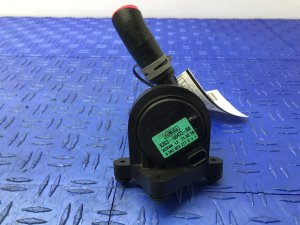
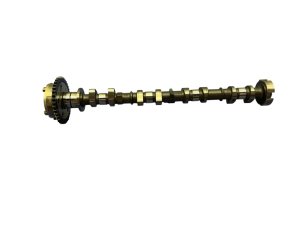
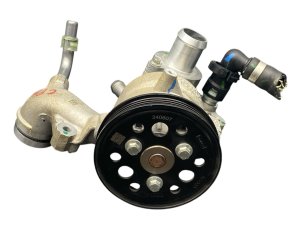
Used OEM Parts in Stock
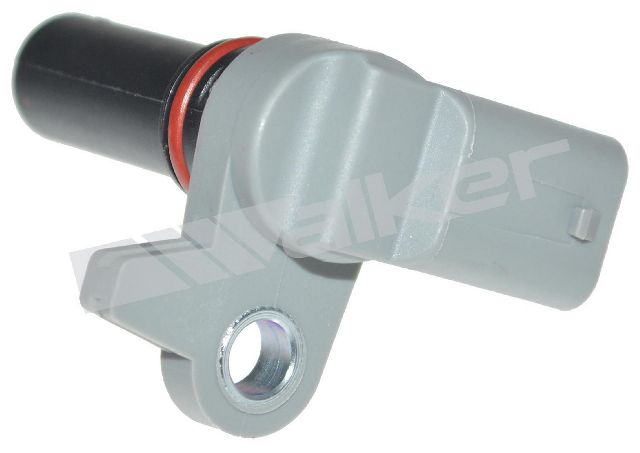
New Aftermarket Parts Available


The information in this article is provided for general reference and educational purposes only. Vehicle specifications, procedures, and part compatibility can vary by production date, trim level, and region. Always consult your vehicle's factory service manual and verify part numbers before purchasing or performing repairs. Safety-critical components such as airbags, seat belts, and braking systems should be installed by a qualified professional.
- Ford Edge:
- 🧭 Diagnostic Flowchart
- 🛍️ Shop This Part
- What's Unique About the 2015-2024 Ford Edge
- Symptoms You May Notice
- Most Likely Causes
- Rare But Worth Checking
- Diagnosis Steps
- Parts You'll Likely Need
- Related Codes That Often Appear With This One
- Technical Service Bulletins (TSBs) & Recalls
- Platform-Specific Known Issues
- Mechanic-Grade Diagnostic Values
- Hidden / Shadow Codes Worth Checking
- Scan Tool Commands That Help
- Wiring & Ground Locations
- Real Owner Repair Stories
- "I Checked Everything" — The Actual Cause
- OEM Part Supersession History
- Model Year Variations Within This Range
- Real Owner Stories
- 2016 Ford Edge 3.5L V6 — ~1500 miles
- 2011 Ford Edge 3.5L V6
- 2013 Ford Edge
- 2008 Ford Edge
- Related OBD-II Codes
- Frequently Asked Questions
- 🎟️ Get 5% Off