

P0019 on 2011-2017 Audi A8 3.0T: Crank-Cam Correlation Causes and Fixes
P0019 on an Audi A8 3.0T means the exhaust camshaft on the driver's side (Bank 2) is out of sync with the crankshaft. This is often caused by a failing camshaft position sensor or a bad VVT solenoid. However, it can also indicate a stretched timing chain, which is a very expensive repair requiring engine or transmission removal.
- P0019 on your A8 points to a timing issue on the driver's side exhaust camshaft.
- Always check your oil level and condition first; low or dirty oil is a simple fix that can cause this code.
- The most likely parts to fail are the camshaft position sensor and the VVT solenoid, which are relatively inexpensive.
- A rattling noise on cold starts is a major warning sign of a potential timing chain issue, which is a very expensive repair on this engine.
- Do not ignore this code. While the car may drive, a complete timing failure can destroy the engine.
What's Unique About the 2011-2017 Audi A8
The Audi 3.0L TFSI V6 (EA837 family) is a supercharged engine known for its smooth power delivery. However, a widely documented issue is wear on the timing chain tensioners. This can cause a brief rattle on cold starts as oil pressure builds. While Audi has sometimes characterized a 1-2 second rattle as acceptable, it's often the first sign of wear in the timing system. If this wear becomes excessive, it allows slack in the chain, leading to correlation codes like P0019. The timing chains are located at the rear of the engine against the firewall, making replacement an extremely labor-intensive job that requires either removing the engine or dropping the transmission.
Symptoms You May Notice
- Check Engine Light is on.
- Rough or unstable idle.
- Hesitation or stumbling during acceleration.
- Reduced engine power and performance.
- Decreased fuel economy.
- Engine may be hard to start or fails to start.
- Rattling noise from the back of the engine on a cold start, lasting 1-3 seconds.
- Engine knocking or tapping noises.
- Replacing the crankshaft position sensor when the fault is specific to one camshaft.
- Immediately assuming the timing chain is stretched and needs replacement. This is the most expensive repair and should be the last resort after ruling out sensors, solenoids, and oil issues.
- Replacing the camshaft position sensor when the actual problem is a much cheaper and simpler faulty VVT solenoid.
Most Likely Causes
- Low or Dirty Engine Oil 🔴 High Probability The camshaft adjustment system (VVT) is hydraulic and relies on clean oil and proper pressure to function. Sludgy or low oil can cause the VVT actuators (phasers) and solenoids to respond slowly or get stuck, leading to a correlation fault.
How to confirm: Check the engine oil level via the MMI system or dipstick (if equipped) and inspect its condition. If it's low or appears dirty/sludgy, an oil change is the first and most crucial diagnostic step.
Typical fix: Change the engine oil and filter using an OEM-approved oil (e.g., VW 502 00 / 504 00 spec) and filter.
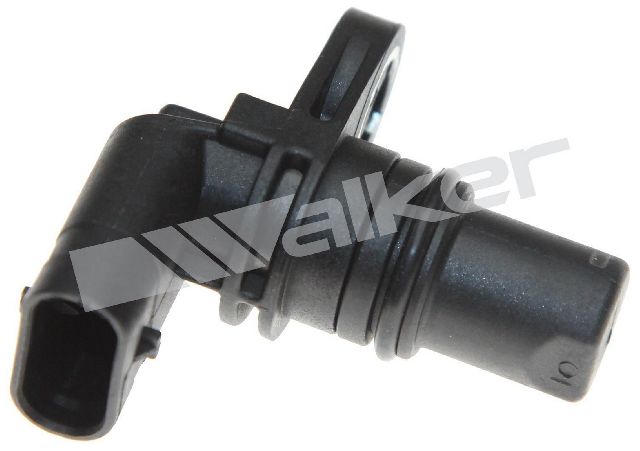
Est. part cost: $80-$150 - Faulty Camshaft Position Sensor (Bank 2, Exhaust) 🟡 Medium Probability → Shop Engine Camshaft Position Sensor
How to confirm: Swap the Bank 2 exhaust camshaft sensor (G301) with the Bank 1 exhaust sensor (G300). Clear the codes and drive the car. If the code changes to P0017 (Bank 1, Sensor B), the sensor is bad. The sensor is located on the rear of the driver's side cylinder head.
Typical fix: Replace the faulty camshaft position sensor.
Est. part cost: $40-$100 - Faulty Camshaft Adjuster Solenoid (VVT Solenoid) 🟡 Medium Probability → Shop Engine Camshaft
How to confirm: These are also known as Camshaft Adjuster Magnets. Swap the Bank 2 exhaust camshaft adjuster solenoid (N319) with the one from the intake side on the same bank (N208) or from Bank 1. Clear codes and see if the fault follows the solenoid's new position. For example, if P0018 appears, the solenoid is faulty. They are located on the front of the engine.
Typical fix: Replace the faulty camshaft adjuster solenoid. Sometimes they can be cleaned, but replacement is recommended.
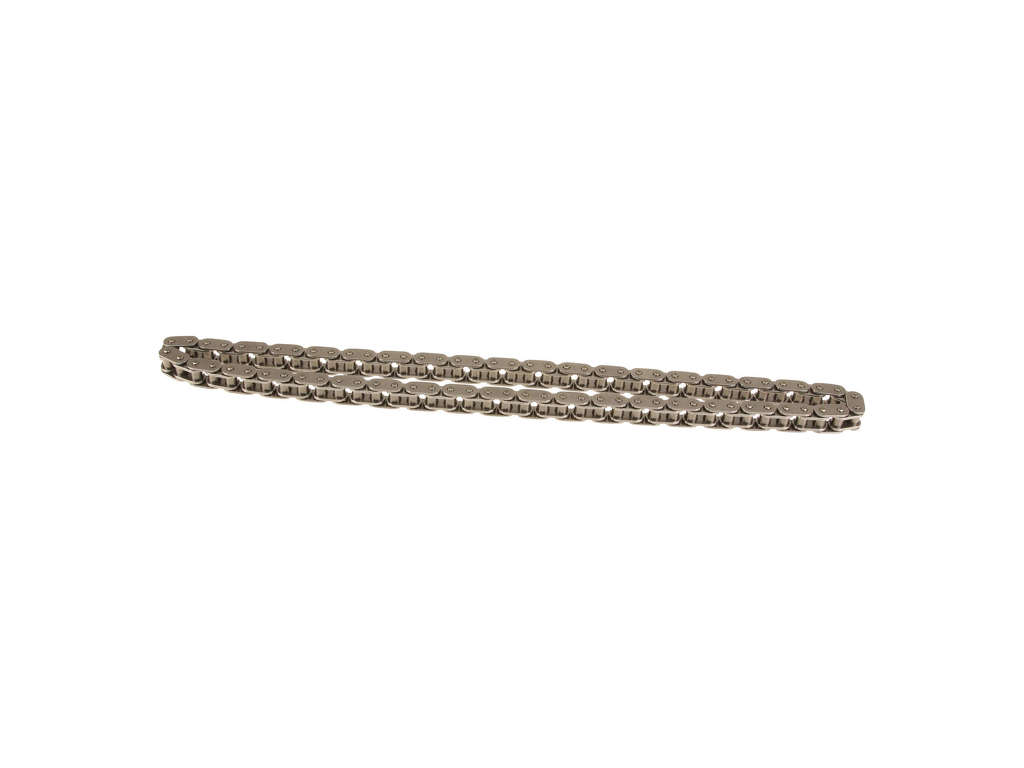
Est. part cost: $50-$120 - Stretched Timing Chain or Failed Tensioner ⚪ Low Probability → Shop Engine Timing Chain The 3.0T engine is known for timing chain tensioner wear, especially over 100,000 miles, which can cause chain slack. This slack creates a deviation in cam/crank timing that the ECM detects. The CREC engine revision had improvements, but is not immune.
How to confirm: This is a difficult diagnosis. A mechanic can use a scan tool like VCDS to view 'advanced measuring blocks' for camshaft adaptation phase. Values for 'Camshaft adjustment: inlet phase: bank 1' and 'bank 2' are checked at warm idle. While there's no official spec, forum consensus suggests values between 0° and -4° are acceptable. Values approaching -8° or more indicate significant chain stretch and a fault code is likely. Physical inspection is the ultimate confirmation but is very labor-intensive.
Typical fix: Replace the timing chains, tensioners, and guides. This is a major engine-out or transmission-out service.
Est. part cost: $800-$1500
Rare But Worth Checking
- Damaged Wiring or Connectors: Check the wiring harness and connector for the Bank 2 exhaust camshaft sensor for any signs of damage, corrosion, or oil contamination before replacing parts.
- Failed Crankshaft Position Sensor: → Shop Engine Crankshaft While less common for a single-bank correlation code, a failing crankshaft sensor can send an erratic signal that causes timing faults. This would typically be accompanied by other codes.
- Slipped Camshaft Phaser/Adjuster: → Shop Engine Camshaft The VVT actuator (phaser) itself can fail mechanically, although this is less common than a sensor or solenoid failure. This would prevent it from adjusting timing correctly even with a good solenoid and oil pressure.
Diagnosis Steps
- Check Engine Oil: Verify the oil level is correct and the oil is clean and of the correct VW 502/504 specification. Low or dirty oil is a common cause of VVT system issues. This is the cheapest and easiest first step.
- Scan for Codes: Use an OBD-II scanner (preferably VCDS or similar) to confirm P0019 and look for any other related codes (e.g., P0018, P0349). Note the freeze frame data.
- Inspect Wiring: Visually inspect the wiring and connector for the Bank 2 exhaust camshaft position sensor (driver's side, rear of the cylinder head). Look for damage, corrosion, or oil contamination.
- Swap Solenoids (Diagnostic): The VVT solenoids are on the front of the engine and relatively accessible. Swap the Bank 2 exhaust VVT solenoid with the Bank 2 intake solenoid. Clear codes and drive. If the code changes to P0018, the solenoid is faulty.
- Swap Sensors (Diagnostic): If solenoids are not the issue, swap the Bank 2 exhaust camshaft position sensor with the Bank 1 exhaust sensor. Clear codes and see if the fault moves to Bank 1 (P0017). If it does, the sensor is faulty.
- Advanced Diagnostics (VCDS): With the engine fully warmed up at idle, use a tool like VCDS to check the camshaft adaptation values. Search for 'Camshaft adjustment: inlet phase: bank 2' (or ENG99898). A value more negative than -5° is a strong indicator of chain stretch, with faults often appearing as it approaches -8° or more.
- Mechanical Inspection: If all else fails, a physical inspection of the timing chains, guides, and tensioners is required. This is a major job requiring engine or transmission removal and should be performed by a professional.
Parts You'll Likely Need
- Camshaft Position Sensor (Bank 2 Exhaust)
(OEM #06E905163C)— This sensor directly measures the position of the exhaust camshaft on Bank 2. A failure will immediately cause a correlation error.
Trusted brands: Bosch, NTK, Genuine Audi
OEM price range: $80-$120
Aftermarket price range: $40-$70 - Camshaft Adjuster Solenoid / VVT Solenoid
(OEM #06E109257P)— This solenoid (also called an adjuster magnet) controls oil flow to the camshaft phaser. If it gets stuck or fails, it cannot adjust cam timing correctly, leading to a P0019 code.
Trusted brands: INA, Pierburg, Genuine Audi
OEM price range: $90-$150
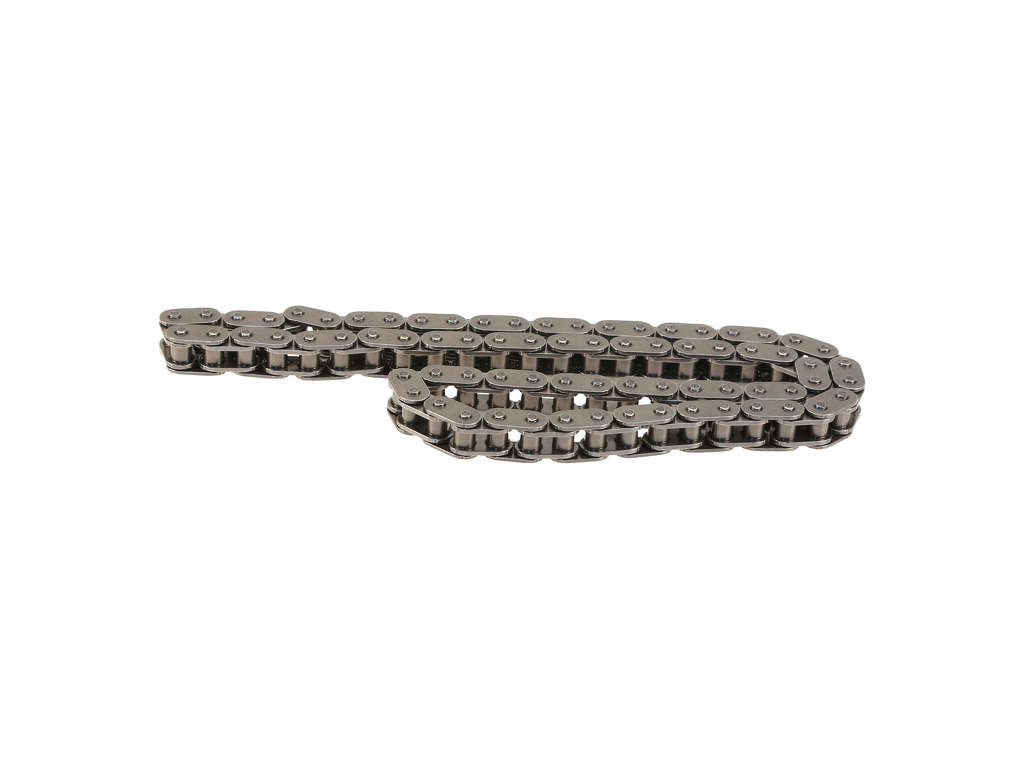
Aftermarket price range: $50-$90 - Timing Chain Kit
(OEM #06E109465AS (Chain), 06E109218H)— If timing chain stretch is confirmed via VCDS adaptation values or cold start rattle, a full kit including chains, tensioners, and guides is required for the repair. This is a common failure point on high-mileage 3.0T engines.
Trusted brands: Iwis, INA, Genuine Audi
OEM price range: $800-$1500
Aftermarket price range: $500-$900
Related Codes That Often Appear With This One
- P0018 — This code is for Bank 2, Sensor 'A' (Intake Camshaft). If both P0018 and P0019 are present, it strongly suggests a mechanical timing issue on Bank 2, like a stretched chain or a problem with the main timing tensioner for that bank, rather than a single sensor failure.
- P0349 — This code indicates a circuit malfunction for the Bank 2 camshaft position sensor ('B' circuit). It often appears with P0019 if the sensor has failed electrically or has a wiring issue.
- P052A — Cold Start 'A' Camshaft Position Timing Over-Advanced (Bank 1). While for the other bank, it points to the same family of cold-start timing control issues, often related to oil pressure build-up and tensioners.
Technical Service Bulletins (TSBs) & Recalls
- TSB 15-16-28 (2045425/1): Issued for cold start timing chain rattle on 3.0T engines in models like the A6, A7, and Q7. The fix involves replacing the upper timing chain tensioners with updated parts. While not specific to P0019, it addresses the root cause of chain slack that can lead to it.
- A TSB for other models suggests that correlation codes can sometimes be caused by a contaminated cam adjuster solenoid, not a faulty sensor, reinforcing the diagnostic step of cleaning or swapping solenoids.
Platform-Specific Known Issues
- A brief (1-3 second) chain rattle on cold starts is a well-documented characteristic of the 3.0T engine, often pointing to aging timing chain tensioners that are slow to build oil pressure. While sometimes considered 'normal' by Audi, it's an early warning sign that can eventually lead to timing codes like P0019.
- The timing chains are located at the rear of the engine against the firewall, making service extremely difficult and costly compared to engines with front-mounted chains.
- Some owners on forums report that after replacing a sensor, adaptations may need to be reset using a tool like VCDS for the code to clear permanently.
Mechanic-Grade Diagnostic Values
- Camshaft Adjuster Solenoid (N319) Resistance — expected: 6.9 to 7.9 Ohms at 20°C (68°F). Some sources suggest a wider acceptable range up to 20 Ohms.. Failure: An open circuit (infinite resistance), a short (near zero), or a value significantly outside the expected range. However, a solenoid can pass this electrical test but still be mechanically stuck.
- VCDS Camshaft Adaptation Phase Value (Bank 2) — expected: At warm idle, check measuring block 'Camshaft adjustment: inlet phase: bank 2' (ENG99898). A healthy engine should read between 0° and -4°.. Failure: Values approaching or exceeding -8° are a strong indication of significant timing chain stretch, which will trigger a correlation fault.
Scan Tool Commands That Help
- VCDS (VAG-COM): Engine -> Output Tests -> Camshaft Adjustment Valve (N319) — This command directly cycles the solenoid, allowing a technician to listen for an audible 'click'. No click indicates a dead solenoid or a wiring issue, providing a quick electrical function check.
- VCDS (VAG-COM): Engine -> Basic Settings -> Test of camshaft adjustment — This runs a complete functional test of the VVT system for a given bank. The ECU commands the adjuster and verifies the timing change. A 'System not OK' result points to a functional failure in the solenoid, adjuster (phaser), or oil pressure supply, confirming a mechanical or hydraulic issue.
Wiring & Ground Locations
- ECM Pinout Document — Available as a PDF online for the Audi A8 V6 3.0L TFSI.. Provides pin assignments for the Engine Control Module, which is critical for advanced electrical diagnosis, such as checking for continuity or shorts in the wiring between the camshaft position sensor (G301) or VVT solenoid (N319) and the ECM.
Real Owner Repair Stories
- AudiWorld Forums user (2012 Audi A6 3.0T (similar EA837 engine)) — Check Engine Light with code P0021 (Bank 2 Intake, a related VVT fault). No other performance symptoms.
❌ Tried (didn't work) Visual inspection of wiring and connectors., Swapping the Bank 1 and Bank 2 camshaft adjuster solenoids (the P0021 code returned for the same bank).
✅ What actually fixed it Replacement of the mechanical Bank 2 intake camshaft adjuster (the phaser) by an Audi dealer resolved the code. - AudiWorld Forums user (2009 C6.5 Avant 3.0T, 202k miles) — After initial cold start rattle subsides, a secondary rattle occurs as the cam angle oscillates between 4.1° and 5.6° for 2-3 minutes before settling.
❌ Tried (didn't work) Initial diagnosis pointed towards tensioners, but the persistent hunting behavior suggested another issue.
✅ What actually fixed it The issue was diagnosed as a failing mechanical camshaft adjuster (phaser). The owner was quoted $4200-$4500 for the repair, highlighting it as a major job.
"I Checked Everything" — The Actual Cause
- In the context of P0019, the equivalent of a 'smoke test clean' scenario is when both the camshaft position sensor and the VVT solenoid test as good (e.g., pass resistance tests and swapping does not move the fault). In these cases, the actual cause is often a mechanical or hydraulic issue. A documented case on a 3.0T engine showed that after confirming the solenoid was not at fault, the final repair was the mechanical camshaft adjuster (phaser) itself, which had failed internally.
OEM Part Supersession History
06E109257F, 06E109257J→06E109257P— Part revision and improvement by the manufacturer.
Heads up: The newer part number (06E109257P) is the correct replacement for the older versions.
Model Year Variations Within This Range
- 2014-2017 (CREC Engine): The updated CREC engine features dual injection (port MPI and direct FSI), which helps mitigate the carbon buildup on intake valves that was more common on the earlier direct-injection-only CGXC engine. However, some forum discussions suggest the CREC's revised PCV system may be more prone to oil consumption issues than its predecessor. The fundamental rear-mounted timing chain design remains the same.
Diagnostic Flowchart
Other Known Issues on This Vehicle
Issues unrelated to this code that are worth knowing about as an owner of this generation:
- Premature Water Pump & Thermostat Failure 🔴 High → Shop Engine Water Pump — Very common, often fails between 60,000-100,000 miles. Leaks can cause overheating. (Ref: Multiple part revisions exist. Early models were more prone to failure.)
- PCV Valve / Oil Separator Failure 🟠 Medium — Common failure item, can cause high oil consumption, rough idle, and a whistling noise. Recommended check/replacement around 60,000-80,000 miles.
- Carbon Buildup on Intake Valves 🟠 Medium — As a direct-injection engine, carbon buildup is inevitable over time (typically noticeable after 80,000 miles), leading to reduced performance and misfires.
- Engine Mount Failure 🟠 Medium — The fluid-filled electronic engine mounts are prone to leaking and failing, causing excessive engine vibration at idle.
- Adaptive Air Suspension Failure 🔴 High — Compressor failure or leaking air struts are a common high-cost repair on higher-mileage A8s, resulting in a harsh ride or the vehicle sagging.
Used vs. New Parts: Buying Guide for This Vehicle
When a used part is the smart pick: Used sensors or solenoids can be a cost-effective way to perform diagnostic swaps to confirm a failure. However, for a permanent repair, their remaining lifespan is unknown, making them a risky choice.
Donor-vehicle mileage cap: roughly under 75000 miles for the part to have meaningful remaining life.
What to inspect on the donor part:
- For sensors/solenoids, check for physical damage, corrosion on pins, or signs of oil leakage through the connector.
- Ask for the VIN of the donor car to verify it had a compatible engine (CGXC/CREC).
- Avoid parts from engines that show signs of heavy oil sludging or coolant contamination ('milkshake').
OEM-only on this vehicle (don't cheap out):
- Timing Chain Kit (Chains, Tensioners, Guides): This is a high-labor, engine-out job. The risk of premature failure from a low-quality aftermarket kit far outweighs any initial cost savings. Use Genuine Audi or a known OEM supplier like Iwis for chains.
- Camshaft Adjuster (Phaser): This is a precision mechanical part that is also very labor-intensive to replace. Aftermarket quality is unproven, making Genuine Audi the only recommended option.
Aftermarket brands forum-validated for this vehicle:
- Sensors: Bosch, NTK
- Solenoids (Adjuster Magnets): INA, Pierburg [Pass 2]
- Timing Chains: Iwis is a known OEM supplier for many German brands.
Brands owners have reported issues with on this vehicle:
- Unbranded, all-inclusive timing kits from online marketplaces (e.g., Amazon, eBay) should be avoided. These often use inferior materials for guides and tensioners that can fail catastrophically.
Real Owner Stories
Aggregated from forums and TSBs cited above. Mileages and costs reflect what owners reported in those sources.
2012 Audi A6 3.0T (Platform Mate) — ~110000 miles
Symptoms: Owner experienced a P0018 code (related bank) and sought confirmation on whether the timing was off.
What fixed it: The dealer confirmed the timing was off, leading to a full timing chain replacement.
Source hint: https://www.audiworld.com/forums/a6-c7-platform-discussion-194/2012-3-0t-timing-chain-replacement-2965689/
2012 Audi A6 3.0T (Platform Mate)
Symptoms: Trouble code P0018 appeared on the EA837 engine; owner investigated diagnostics from sensors to chain stretch.
What fixed it: Discussion highlighted that after sensor replacement, adaptations may need to be reset using VCDS to permanently clear the code.
Source hint: https://www.audizine.com/forum/showthread.php/806503-Trouble-code-p0018-(2012-A6-3-0t)
Audi 3.0T (CREC Engine)
Symptoms: Owner reported a P0019 code on the newer CREC engine revision.
What fixed it: The diagnostic process involved swapping sensors and solenoids to isolate the fault.
Source hint: https://forums.ross-tech.com/index.php?threads/29891/
Related OBD-II Codes
Frequently Asked Questions
Does TSB 15-16-28 (2045425/1) apply to my Audi A8 with the 3.0T engine?
I hear a rattling noise for about 2 seconds when I start my A8 in the morning. Is this related to P0019?
Can I use any synthetic oil to clear this code?
Where is the Bank 2 exhaust camshaft position sensor located on my A8?
How can I use VCDS to check if my timing chain is actually stretched?
Is it possible the P0019 code is just a software issue or needs a reset?
Helpful Videos
![3.0 T AUDI TFSI ENGINE TIMING CHAIN RATTLE (NOISE) COLD Start .... [PART 1] #audi #automotive #a7](https://img.youtube.com/vi/MlMCHpJmELo/mqdefault.jpg)
We Have This Part in Stock

The information in this article is provided for general reference and educational purposes only. Vehicle specifications, procedures, and part compatibility can vary by production date, trim level, and region. Always consult your vehicle's factory service manual and verify part numbers before purchasing or performing repairs. Safety-critical components such as airbags, seat belts, and braking systems should be installed by a qualified professional.
- Audi A8:
- 🧭 Diagnostic Flowchart
- 🎬 Helpful Videos
- 🛍️ Shop This Part
- What's Unique About the 2011-2017 Audi A8
- Symptoms You May Notice
- Most Likely Causes
- Rare But Worth Checking
- Diagnosis Steps
- Parts You'll Likely Need
- Related Codes That Often Appear With This One
- Technical Service Bulletins (TSBs) & Recalls
- Platform-Specific Known Issues
- Mechanic-Grade Diagnostic Values
- Scan Tool Commands That Help
- Wiring & Ground Locations
- Real Owner Repair Stories
- "I Checked Everything" — The Actual Cause
- OEM Part Supersession History
- Model Year Variations Within This Range
- Other Known Issues on This Vehicle
- Used vs. New Parts: Buying Guide for This Vehicle
- Real Owner Stories
- 2012 Audi A6 3.0T (Platform Mate) — ~110000 miles
- 2012 Audi A6 3.0T (Platform Mate)
- Audi 3.0T (CREC Engine)
- Related OBD-II Codes
- Frequently Asked Questions
- 🎟️ Get 5% Off