

P0021 on 2015-2021 Ford Mustang: 'A' Camshaft Over-Advanced (Bank 2) Causes and Fixes
On a 2015-2021 Ford Mustang with a V6 or V8 engine, code P0021 is most often caused by low/dirty engine oil or a failing Variable Camshaft Timing (VCT) solenoid on the driver's side (Bank 2). An oil change with the correct viscosity oil is the first step. If that fails, replacing the VCT solenoid is the next most likely fix, with the part costing around $25-$70.
- P0021 on a 2015-2021 Mustang V6/V8 points to an over-advanced intake camshaft on the driver's side.
- Always start diagnosis with the simplest fix: check your engine oil level and condition. An oil and filter change may resolve the issue.
- The most likely faulty part is the Bank 2 intake VCT solenoid, which can often be diagnosed by swapping it with the Bank 1 solenoid.
- Ignoring this code can lead to poor performance, bad fuel economy, and potential engine damage over time.
What's Unique About the 2015-2021 Ford MUSTANG
The Ford Mustang's 5.0L Coyote and 3.7L Cyclone engines use a Twin Independent Variable Camshaft Timing (Ti-VCT) system that is highly dependent on clean engine oil and correct oil pressure to function. As highlighted in multiple Ford Technical Service Bulletins (TSBs), these systems are sensitive to small debris or sludge in the oil, which can clog passages and cause the VCT solenoids to stick. This makes regular oil changes with the manufacturer-specified oil (e.g., 5W-20) especially critical for preventing this specific code on these engines. Some owners on forums note that the issue, particularly a rough idle, can appear when the oil is hot, potentially pointing to lower oil pressure at idle.
Diagnostic Flowchart
Tap your situation to follow the diagnostic path that matches what you're seeing on this vehicle.
Symptoms You May Notice
- Check Engine Light is on
- Rough, fluctuating, or unstable idle, sometimes getting worse as the engine warms up
- Hesitation, stumbling, or stalling during acceleration or when coming to a stop
- Reduced engine power and sluggish acceleration
- Decreased fuel economy
- Rattling, ticking, or knocking noise from the engine, particularly near the front valve cover area
- Replacing the camshaft position sensor before checking oil condition or testing the VCT solenoid.
- Replacing the expensive VCT phaser or timing components before ruling out a simple oil issue or a bad VCT solenoid.
- Assuming an aftermarket engine tune is the cause without first checking the fundamental mechanical and electrical components.
Most Likely Causes
- Low, Dirty, or Incorrect Viscosity Engine Oil 🔴 High Probability The VCT system is hydraulically operated by engine oil. Ford TSBs for this platform and its mates (like the F-150) specifically cite debris or sludge in the oil as a primary cause for sticking solenoids.
How to confirm: Check the oil level on the dipstick and examine its condition. If it's low, dark, sludgy, or past its recommended change interval, it needs to be changed.
Typical fix: Change the engine oil and filter using the manufacturer-recommended oil type and viscosity (typically 5W-20 for the 5.0L V8). Clear the codes and drive to see if the issue is resolved.
Est. part cost: $40-$90 - Failing VCT Solenoid (Oil Control Valve) 🔴 High Probability → Shop Engine Variable Valve Timing (VVT) Solenoid As noted in TSBs SSM 50067 and SSM 47170, the VCT solenoids can stick due to small debris. TSB 16-0038 also points to solenoid failure when P0021 is paired with P0018. Forum discussions on Mustang6G and F150Forum frequently cite a faulty VCT solenoid as the ultimate fix.
How to confirm: After an oil change, if the code persists, the easiest DIY test is to swap the Bank 2 (driver's side) intake VCT solenoid with the Bank 1 (passenger's side) intake VCT solenoid. Clear the codes and drive. If the code returns as P0011 (the Bank 1 equivalent), the solenoid is confirmed bad.
Typical fix: Replace the Bank 2 intake VCT solenoid. It is located on the driver's side valve cover.
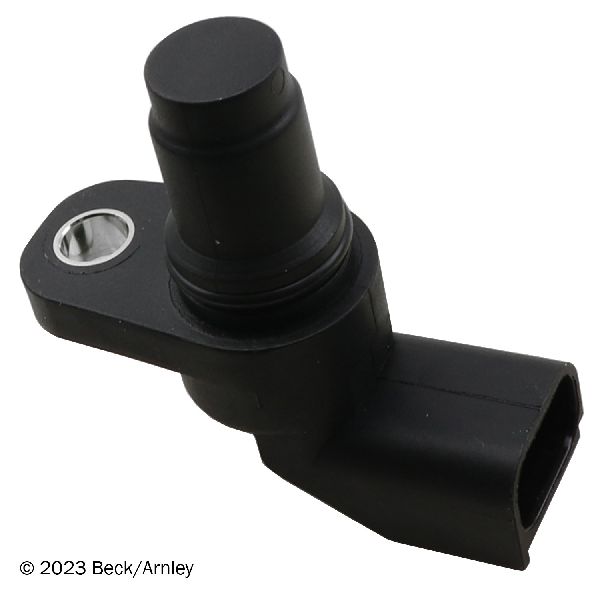
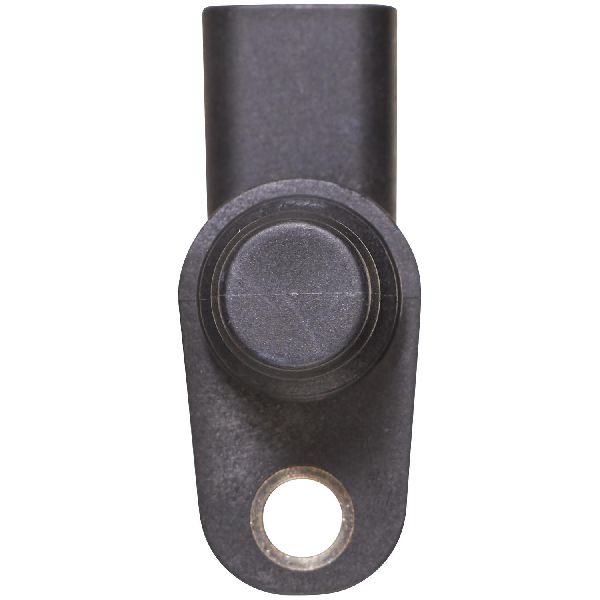
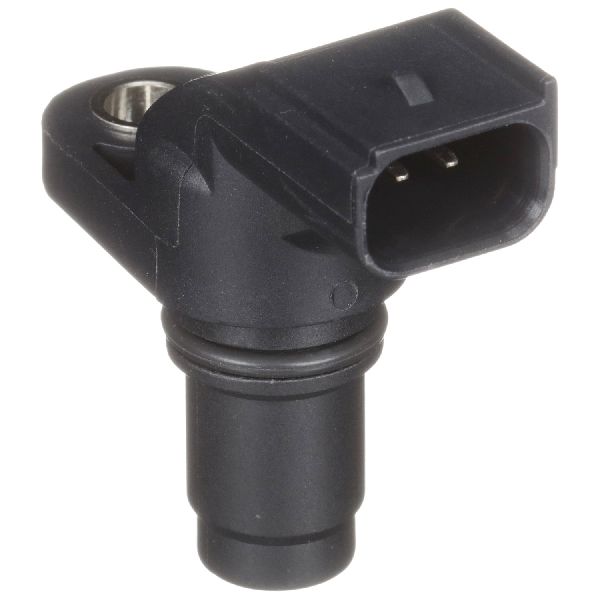
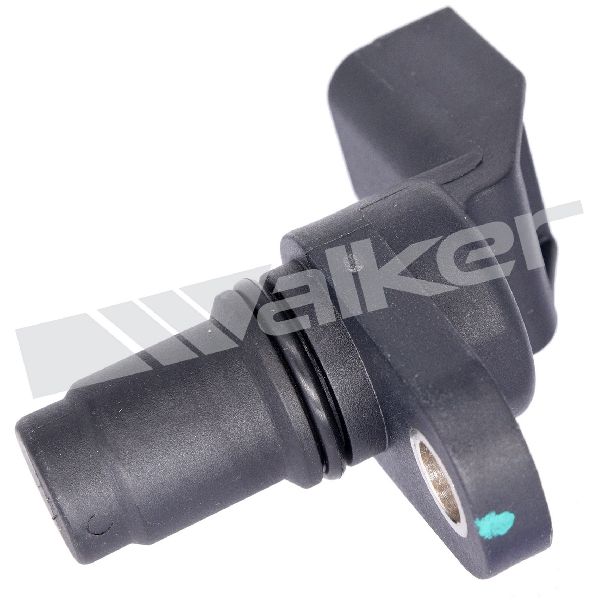
Est. part cost: $25-$70 - Faulty Camshaft Position Sensor 🟡 Medium Probability → Shop Engine Camshaft Position Sensor The PCM relies on this sensor's signal to know the camshaft's position. An incorrect or missing signal can lead to a false timing code.
How to confirm: Test the sensor's output with a multimeter or oscilloscope. Often, a failing sensor will also trigger other specific sensor-related DTCs. However, misdiagnosing this part is common, so it's best to rule out oil and VCT solenoid issues first. 🎬 See how to easily replace the camshaft position sensor
Typical fix: Replace the Bank 2 camshaft position sensor.
Est. part cost: $20-$60
Rare But Worth Checking
- Worn Timing Chain or Failed Tensioner: → Shop Engine Timing Chain If the timing chain has stretched or a tensioner has failed, the physical timing of the camshaft will be off, which can trigger this code. This is a more serious mechanical issue often accompanied by a rattling noise.
- Failed VCT Phaser (Cam Sprocket): The VCT phaser itself, which is the gear on the end of the camshaft, can become stuck in the advanced position due to internal failure or oil blockage. This is a more complex and expensive repair than a solenoid.
- Wiring or Connector Issues: Damaged wiring or a corroded/loose connector for the VCT solenoid or camshaft position sensor can cause an intermittent signal and trigger the code. Some owners on forums have reported that wires on top of the engine can become brittle from heat and break, causing a rough idle.
Diagnosis Steps
- Check Engine Oil: Verify the oil level is correct and the oil is clean and of the proper viscosity (e.g., 5W-20). If in doubt, perform an oil and filter change. This is the first step recommended by Ford TSBs and resolves the issue in many cases. 🎬 Watch: Two quick DIY methods to fix the P0021 code
- Scan for Other Codes: Check for any other DTCs that could point to a more specific issue, such as a camshaft position sensor fault (P0345, P0349) or misfire codes.
- Inspect Wiring: Visually inspect the wiring harness and connector for the Bank 2 (driver's side) intake VCT solenoid and camshaft position sensor. Look for signs of damage, corrosion, loose connections, or wires made brittle by engine heat.
- Test the VCT Solenoid (Swap Method): The most common and effective DIY method is to swap the Bank 2 intake solenoid with the Bank 1 intake solenoid. They are located on the valve covers and are typically identical parts. Clear the codes and drive the vehicle. If the fault moves to Bank 1 and code P0011 appears, you have confirmed a bad solenoid.
- Command Solenoid with Scan Tool: A more advanced diagnostic tool can be used to command the VCT solenoid on and off while monitoring engine RPM. A working solenoid should cause the engine to hesitate or run rough when activated at idle. You can also test the resistance of the solenoid with a multimeter; it should typically be between 6-12 ohms.
- Test Camshaft Position Sensor: If the solenoid tests good, the next step is to test the camshaft position sensor to ensure it is sending a correct signal to the PCM. This may require an oscilloscope for accurate diagnosis.
- Check Oil Pressure: If the simple fixes don't work, especially if you have both P0011 and P0021, it's wise to have the engine oil pressure tested with a mechanical gauge. Low oil pressure at idle when hot can cause VCT system malfunctions.
- Mechanical Timing Check: If all electronic components and oil systems are good, a deeper mechanical inspection of the VCT phaser and timing chain/guides may be necessary. This is an advanced job, often requiring professional help.
Parts You'll Likely Need
- Variable Camshaft Timing (VCT) Solenoid
(OEM #BR3Z-6M280-D (Fits 5.0L & 3.7L, supersedes older numbers))— This is the most common point of failure according to Ford TSBs and owner forums, often due to sticking from oil debris or internal failure.
Trusted brands: Motorcraft, Standard Motor Products (SMP), Dorman
OEM price range: $40-$70
Aftermarket price range: $25-$50 - Engine Oil and Filter
(OEM #XO-5W20-Q1SP (Motorcraft 5W-20 Synthetic Blend), FL-500S (Filter))— Low or dirty oil is a primary cause of VCT system faults. An oil change is the first and most important diagnostic step.
Trusted brands: Motorcraft, Mobil 1, Castrol
OEM price range: $50-$90
Aftermarket price range: $40-$70 - Camshaft Position Sensor
(OEM #7L1Z-6B288-A)— If the VCT solenoid is functioning correctly, an inaccurate signal from this sensor can mislead the PCM into setting a false timing code.
Related Codes That Often Appear With This One
- P0011 — This is the equivalent code for Bank 1 (passenger side). Seeing both P0011 and P0021 simultaneously strongly suggests a systemic issue like very low/dirty oil, low oil pressure, or an issue with an aftermarket tune.
- P0022 — This is the 'over-retarded' code for the same camshaft (Bank 2 Intake). Seeing both P0021 and P0022 can indicate a VCT solenoid that is sticking intermittently, a wiring issue, or a sensor that is providing erratic readings.
- P0018 — This code relates to Crankshaft/Camshaft correlation on Bank 2. A Ford TSB (16-0038) for the related 3.5L engine suggests that when P0018 and P0021 appear together, the Bank 2 intake VCT solenoid is the likely culprit.
- P0300, P0302, P0304 — Random or specific cylinder misfire codes on Bank 2 can occur as a result of the incorrect valve timing caused by the P0021 fault.
Technical Service Bulletins (TSBs) & Recalls
- SSM 54366: Notes that various Ford vehicles may exhibit P0021 and other VCT codes, pointing to workshop manual diagnostics.
- SSM 50067: States that P0021 and other VCT codes may be due to small debris causing the VCT solenoid to stick and advises against immediate component replacement.
- SSM 47170: Similar to SSM 50067, attributes P0021 and related codes to debris causing a sticky VCT solenoid.
Platform-Specific Known Issues
- Ford has issued multiple Technical Service Bulletins (TSBs) like SSM 54366, SSM 50067, and SSM 47170 that address a group of VCT-related codes including P0021. They state the cause may be 'small debris causing the VCT solenoid to stick' and recommend performing specific diagnostic tests before replacing components.
- On the 5.0L Coyote engine, the VCT solenoids are located on the top of the valve covers, making them relatively easy to access for testing or replacement after removing the engine cover and ignition coils.
- A user on Mustang6G.com reported getting a P0021 code that caused the truck to almost stall at a light, which resolved after a reset but highlighted the intermittent nature of the fault.
- Another forum thread on S197forum.com discussed how aftermarket tunes can sometimes trigger these codes, but it's often masking an underlying hardware issue like a failing solenoid that the new tune makes more apparent.
Mechanic-Grade Diagnostic Values
- VCT Solenoid (Oil Control Valve) Internal Resistance — expected: 6.9 to 12 ohms. One source cites 6.9-7.9 ohms at 68°F (20°C), while others give a broader 6-12 ohm range.. Failure: A reading of 0 ohms (short circuit) or infinite/OL (open circuit) indicates a failed solenoid.
- Camshaft Position Sensor (CMP) - Power Wire Voltage — expected: ~5 Volts with key on, engine off (KOEO).. Failure: Significantly lower or no voltage suggests a wiring or PCM issue, not a bad sensor.
- Camshaft Position Sensor (CMP) - Signal Wire Voltage — expected: ~5 Volts at KOEO, which drops to near 0V when a ferrous metal object passes in front of the sensor.. Failure: Voltage does not change or is stuck high/low, indicating a faulty sensor or wiring issue.
- Engine Oil Pressure (Mechanical Gauge) — expected: At least 10-15 psi at hot idle; 30-40 psi at 2,000 RPM.. Failure: Pressure dropping below 10 psi at hot idle can cause VCT malfunctions and trigger P0021, even if the pressure is normal at higher RPM.
Scan Tool Commands That Help
- Ford IDS (Integrated Diagnostic System) or FORScan: VCT Solenoid Actuator Test / On-Off Control — This bidirectional command allows the technician to manually activate and deactivate the VCT solenoid while the engine is idling. A functional solenoid and phaser system will cause the engine to run rough or stall when the solenoid is commanded on at idle. If there is no change in engine operation, it points to a stuck solenoid, a clogged oil passage, or a failed phaser.
- Ford IDS (Integrated Diagnostic System) or FORScan: Monitor VCT_ADV, VCT_ADV_ERR, and VCT_DC PIDs — These live data PIDs (Parameter IDs) show the commanded camshaft angle (VCT_ADV), the difference between commanded and actual angle (VCT_ADV_ERR), and the duty cycle of the solenoid (VCT_DC). For P0021, you would monitor the Bank 2 equivalents. A large error value or a duty cycle commanded to 100% with no corresponding change in cam angle points directly to a mechanical or hydraulic issue rather than an electrical one.
Wiring & Ground Locations
- G104 — In the engine bay, near the battery on the driver's side.. This ground point serves the Data Link Connector (DLC). A poor ground here could potentially interfere with scan tool communication during diagnosis.
- G105 — On the lower part of the engine, near the starter motor.. This is a primary engine-to-chassis ground. A poor connection here can cause a host of electrical issues, including erratic sensor readings as the engine block may not have a stable ground reference.
- G201 — Behind the passenger side kick panel, near the PCM.. This is a critical ground for the Powertrain Control Module (PCM). A faulty G201 can cause unpredictable PCM behavior, including incorrect processing of sensor signals from the camshaft sensors, potentially leading to false codes.
- VCT Solenoid Connector — On top of the driver's side valve cover, connecting to the VCT solenoid.. This connector provides power and the control signal from the PCM. The wires are a two-pin setup; one receives battery voltage (via a fuse shared with other components like injectors) and the other is a ground-side control from the PCM. Checking for battery voltage on the power pin and using a NOID light can verify circuit integrity.
Real Owner Repair Stories
- Reddit user on r/f150 (2012 F-150 5.0L with ~86k miles) — Low oil pressure warning only at warm idle. No noises or other codes initially.
❌ Tried (didn't work) A Ford dealer diagnosed worn bearings and recommended an engine replacement after a mechanical gauge showed <15 psi at hot idle.
✅ What actually fixed it A second opinion at an independent shop found normal oil pressure (20+ psi at hot idle). The actual cause was a faulty, leaking oil pressure sending unit. Replacing the sender resolved the warning and the vehicle ran normally. - Ford F150 Forum user (2011 F-150 5.0L with 250,000 miles) — Low oil pressure at operating temp (15 PSI), lumpy idle, knocking sound, and camshaft position codes (P0365, P0369).
❌ Tried (didn't work) Replacing oil pressure sensor, replacing all 4 cam position sensors, replacing the entire engine wiring harness, replacing main/rod bearings, replacing oil pump, timing chain tensioners, and the driver-side exhaust cam phaser.
✅ What actually fixed it The user's story highlights a severe case where low oil pressure at hot idle was the root cause that triggered VCT-related codes. Despite replacing nearly every related component, the underlying issue of low pressure at hot idle persisted, indicating a deeper mechanical problem within the engine block's oil passages or clearances that even a bearing replacement did not solve. This serves as a cautionary tale that VCT codes can be a symptom of a much larger oil pressure problem.
OEM Part Supersession History
BR3Z-6M280-D→BR3Z-6M280-E, and then BR3Z-6M280-F— Standard part revision and improvement by the manufacturer.
Heads up: The newer part numbers (E and F) are direct replacements for D and are fully compatible.
Model Year Variations Within This Range
- 2018-2021: The 2018 model year introduced the 'Gen 3' Coyote 5.0L V8. While the Ti-VCT system is fundamentally the same, the Gen 3 engine features a dual-fuel system (port and direct injection), a higher compression ratio (12.0:1 vs 11.0:1), and revised cylinder heads. The engine control strategies are also more complex. While this doesn't change the primary causes of P0021 (oil, solenoids), the diagnostic approach for fuel or complex engine control issues may differ from the 2015-2017 'Gen 2' Coyote.
Helpful Videos

![How to Fix P0021 Engine Code in 4 Minutes [2 DIY Methods / Only $6.43]](https://img.youtube.com/vi/T8aepJyvnbg/mqdefault.jpg)
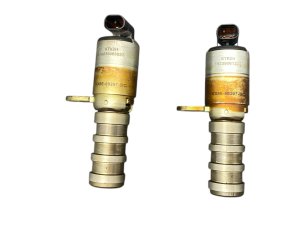
Used OEM Parts in Stock
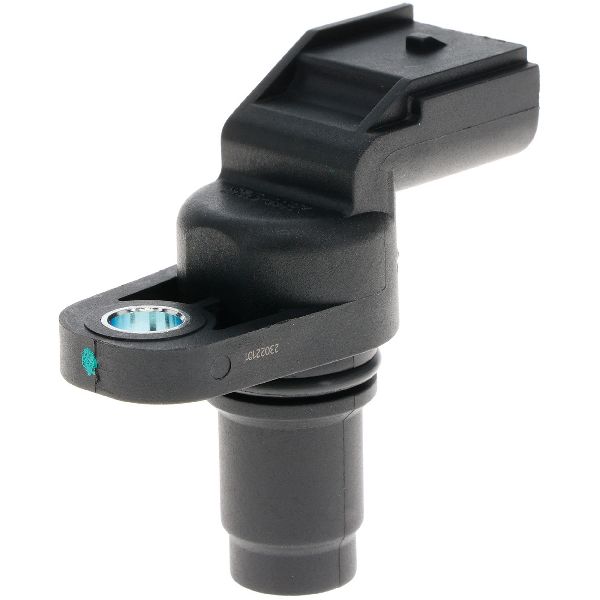
New Aftermarket Parts Available

The information in this article is provided for general reference and educational purposes only. Vehicle specifications, procedures, and part compatibility can vary by production date, trim level, and region. Always consult your vehicle's factory service manual and verify part numbers before purchasing or performing repairs. Safety-critical components such as airbags, seat belts, and braking systems should be installed by a qualified professional.
- Ford MUSTANG:
- 🧭 Diagnostic Flowchart
- 🎬 Helpful Videos
- 🛍️ Shop This Part
- What's Unique About the 2015-2021 Ford MUSTANG
- Symptoms You May Notice
- Most Likely Causes
- Rare But Worth Checking
- Diagnosis Steps
- Parts You'll Likely Need
- Related Codes That Often Appear With This One
- Technical Service Bulletins (TSBs) & Recalls
- Platform-Specific Known Issues
- Mechanic-Grade Diagnostic Values
- Scan Tool Commands That Help
- Wiring & Ground Locations
- Real Owner Repair Stories
- OEM Part Supersession History
- Model Year Variations Within This Range
- 🎟️ Get 5% Off