

P0022 on 2013-2019 Subaru Outback 2.5L: Causes and Fixes for Over-Retarded Camshaft Timing
On a 2013-2019 Subaru Outback, P0022 is most often caused by low or dirty engine oil, or a failing driver's side intake Oil Control Valve (OCV). Always check your oil first. Replacing the OCV is a common fix, costing about $100-$150 for an OEM part, with a DIY difficulty of 2/5.
- First, check your oil. Low or dirty 0W-20 synthetic oil is the most common cause of P0022 on the FB25 engine.
- If an oil change doesn't fix it, the next most likely culprit is a faulty driver's side intake Oil Control Valve (OCV).
- A simple DIY diagnostic is to swap the driver's side and passenger's side intake OCVs; if the code moves to the other side (P0012), you've found the bad part.
- Do not immediately assume you have a major timing chain issue; that is a rare cause and should be the last consideration after all oil-related possibilities are exhausted.
What's Unique About the 2013-2019 Subaru Outback
The FB25 engine in this generation of Outback uses a timing chain and is very sensitive to oil level and quality for its AVCS (variable valve timing) system. Unlike older turbo Subaru engines (like the EJ25), this engine does not have the problematic banjo bolt filters that often caused similar codes. Instead, issues are more directly tied to overall oil condition or the Oil Control Valve (OCV) itself. Subaru has issued a technical service bulletin (TSB 02-163-16R) that provides a detailed diagnostic procedure for this exact problem on these engines, covering all FA/FB series engines.
Generation note: This range covers the end of the fourth generation (2013-2014) and the full fifth generation (2015-2019) of the Subaru Outback. Both generations use the FB25 2.5L engine, and the causes and fixes for code P0022 are consistent across this year range.
Symptoms You May Notice
- Check Engine Light is on
- Rough or unstable idle
- Engine hesitates or feels sluggish on acceleration
- Reduced fuel economy
- Engine may stall when coming to a stop
- Hard starting
- Replacing the camshaft position sensor. While possible, it's rarely the cause. The sensor is usually reporting the timing problem correctly.
- Assuming a timing chain replacement is needed first. This is an expensive repair that should only be done after ruling out the much more common and cheaper oil and OCV issues.
Most Likely Causes
- Low, Dirty, or Incorrect Viscosity Engine Oil 🔴 High Probability The AVCS system is hydraulic and extremely sensitive to oil pressure and cleanliness. Early FB25 engines had known oil consumption issues which led to a class-action lawsuit, making it easy to run low if not checked regularly. Sludge from infrequent oil changes can easily block the small passages in the OCV or cam phaser.
How to confirm: Check the engine oil dipstick. Note the level and the color/clarity of the oil. If the level is low or the oil is dark and sludgy, this is the likely cause.
Typical fix: Change the engine oil and filter using a high-quality 0W-20 full synthetic oil that meets Subaru's specifications. Reset the code and drive to see if it returns.
Est. part cost: $40-$80 - Faulty Bank 2 (Driver's Side) Intake Oil Control Valve (OCV) 🟡 Medium Probability → Shop Engine Variable Valve Timing (VVT) Solenoid The OCV can become clogged with oil sludge or fail electrically. Subaru issued TSB 02-170-17R regarding oil wicking past the OCV seal and into the wiring harness, causing electrical issues. This TSB announced a redesigned OCV to prevent this seepage.
How to confirm: After confirming oil is good, the easiest test is to swap the Bank 2 (driver's side) intake OCV with the Bank 1 (passenger's side) intake OCV. Clear the codes and drive. If the code returns as P0011 or P0012 (the Bank 1 equivalents), the OCV is faulty. You can also test the OCV's resistance with a multimeter; it should be between 6.9 and 7.9 ohms at room temperature.
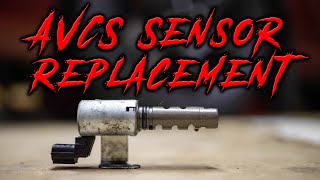
Typical fix: Replace the faulty Oil Control Valve. It is located on the front of the engine on the driver's side, held by a single 10mm bolt.
Est. part cost: $100-$150 - Clogged Oil Passages ⚪ Low Probability Oil sludge from infrequent oil changes can block small passages in the cam carrier or the AVCS cam sprocket itself.
How to confirm: This is difficult to confirm without significant disassembly. It's usually suspected after replacing the OCV doesn't solve the problem. TSB 02-163-16R details steps for inspecting the cam carrier and sprocket.
Typical fix: Requires removing the timing cover and/or cam carrier to clean or replace affected components. This is a labor-intensive job and may involve using an engine flush product as a first attempt.
Est. part cost: $500+
Rare But Worth Checking
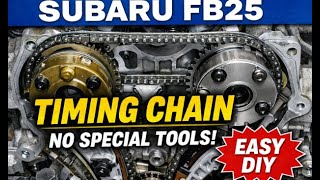
- Stretched Timing Chain or Failed Tensioner: → Shop Engine Timing Chain While the FB25 uses a timing chain designed to last the life of the engine, severe neglect, high mileage, or a faulty tensioner can cause enough slack to retard cam timing. This is a last-resort diagnosis after all oil-related issues are ruled out.
- Faulty Camshaft Position Sensor: → Shop Engine Camshaft Position Sensor It's possible for the sensor itself to fail, but it's much less common than oil-related issues. Usually, a sensor circuit fault would trigger a different code. The sensor is typically just reporting the mechanical timing problem correctly.
- Failed AVCS Cam Sprocket (Phaser): The phaser itself can get stuck in the retarded position due to internal debris or failure of its locking pin. This is an expensive repair and should only be considered after exhausting all other diagnostic steps outlined in TSB 02-163-16R.
Diagnosis Steps
- Check Engine Oil Level and Condition: Pull the dipstick. Is the oil level between the marks? Is the oil clean and honey-colored, or is it dark, thick, or low? If low or dirty, perform an oil and filter change with 0W-20 synthetic oil, clear the code, and drive. This is the most common fix.
- Inspect the Oil Control Valve (OCV) Connector: Locate the Bank 2 (driver's side) intake OCV. Unplug the electrical connector and check for any signs of engine oil inside the connector pins. Oil here indicates a leaking OCV seal, requiring replacement of the valve. This is a known issue covered in TSB 02-170-17R.
- Test the OCV via Swapping: If the oil is good and the connector is clean, swap the driver's side intake OCV with the passenger's side intake OCV. They are identical parts and easily accessible on the front of the engine.
- Clear Codes and Test Drive: After swapping the OCVs, clear the trouble codes with a scanner and drive the vehicle, making sure to vary engine speed.
- Check for New Codes: If the code returns as P0011 or P0012 (Bank 1 codes), the OCV you moved is confirmed to be faulty. Purchase and install a new one. If the code returns as P0022, the problem is not the OCV and lies elsewhere in the system (e.g., clogged passages, timing chain, or cam sprocket).
- Advanced Diagnostics: If the problem persists, further diagnosis requires consulting TSB 02-163-16R and may involve checking oil pressure at the galleries, and inspecting internal components like the cam sprocket and oil passages, which may require professional help.
Parts You'll Likely Need
- Engine Oil Control Valve (VVT Solenoid)
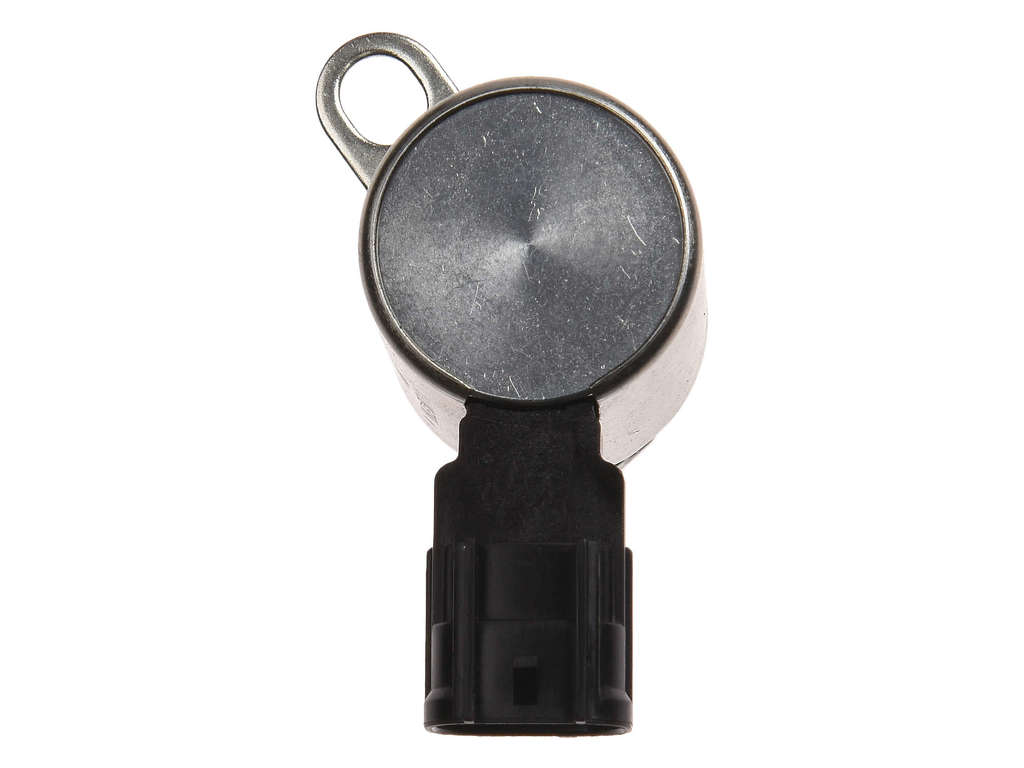
(OEM #10921AA231)— This solenoid is the most common component to fail after low/dirty oil. It gets stuck or clogged, preventing proper oil flow to the cam phaser. The original part was superseded by this number due to a seal redesign.
Trusted brands: Subaru (OEM), Denso
OEM price range: $100-$150
Aftermarket price range: $50-$90 - 0W-20 Full Synthetic Engine Oil and Filter — Low or dirty oil is the number one cause of this code. A fresh oil change is the first and most important diagnostic step.
Trusted brands: Idemitsu (OEM supplier for Subaru), Mobil 1, Pennzoil
OEM price range: $60-$90
Aftermarket price range: $40-$60
Related Codes That Often Appear With This One
- P0011 — This is the 'over-advanced' code for Bank 1. Seeing it with P0022 is unusual but could point to erratic OCV behavior on both banks or widespread oil sludge issues.
- P0012 — This is the same 'over-retarded' code but for Bank 1 (passenger side). If you see P0022 and P0012 together, it strongly points to a systemic oil problem like very low oil level, low oil pressure, or severe sludge.
Technical Service Bulletins (TSBs) & Recalls
- 02-163-16R: Inspection and Repair Procedures for AVCS-Related DTCs. Corroborated the diagnostic flow and common causes beyond the OCV.
- 02-170-17R: Discusses oil wicking into the OCV harness, a potential cause for electrical failure of the valve.
Platform-Specific Known Issues
- TSB 02-163-16R provides a detailed diagnostic flowchart for AVCS-related codes on FA/FB engines, including P0022. It should be referenced by any technician diagnosing a persistent issue.
- TSB 02-170-17R notes that oil can leak from the OCV and wick into the wiring harness, causing electrical faults. The harness connector should always be inspected for oil contamination when diagnosing this code. The TSB indicates a redesigned part is available.
Mechanic-Grade Diagnostic Values
- Oil Control Valve (OCV) Solenoid Resistance — expected: 6.9 to 7.9 Ohms at 68°F (20°C). Failure: A reading of 0 (short), infinity/OL (open circuit), or a value significantly outside the specified range indicates a faulty solenoid coil.
- Live Data: AVCS Intake Cam Angle (Bank 2) — expected: Should be near 0 degrees at idle. The angle should increase and closely follow the 'Commanded Cam Angle' PID as engine RPMs rise under load.. Failure: The actual angle does not change, lags significantly behind the commanded angle, or is stuck at a non-zero value at idle. This confirms the camshaft is not moving as requested by the ECM.
- Live Data: OCV Duty Cycle (Bank 2) — expected: The duty cycle percentage commanded by the ECM should increase when more camshaft advance is requested.. Failure: If the duty cycle increases but the 'AVCS Intake Cam Angle' does not respond, it points to a mechanical or hydraulic issue (clogged passage, stuck OCV, faulty phaser) rather than an electrical command problem.
Scan Tool Commands That Help
- Subaru Select Monitor (SSM) or advanced bidirectional scanner (e.g., Autel, RomRaider): AVCS System Active Test / Actuator Test — This function allows a technician to manually command the OCV solenoid to operate while the engine is running at a steady RPM (e.g., 2000 RPM). By watching the live cam angle data, you can directly confirm if the solenoid and cam phaser are mechanically capable of responding to commands, isolating the issue from the ECM's automated logic.
- Advanced aftermarket scan tool (e.g., Autel): Reset ECM Learned Values / Test Mode Change — As a last resort, per TSB 02-163-16R, if a persistent AVCS code exists but all mechanical and electrical parts test good, the ECM may have a corrupt 'learned value' for cam position. Subaru's official procedure is to replace the ECM. However, some aftermarket tools can force the ECM into a 'Test Mode' (requiring a temporary fuse to be installed in the underhood fuse box) and reset these learned values, potentially saving the cost of a new ECM.
Real Owner Repair Stories
- Reddit user and Subaru technician 'chiroso' (Various FA/FB engine Subarus) — Persistent AVCS-related DTCs (like P0022) even after replacing parts.
❌ Tried (didn't work) Replacing the Oil Control Valve (OCV), Verifying oil pressure, Checking timing chain alignment
✅ What actually fixed it The ECM had stored a bad 'learned value' for the camshaft position. Per TSB 02-163-16R, the official fix is ECM replacement. However, the technician used an aftermarket scan tool to put the car in 'Test Mode' and successfully reset the learned values, clearing the persistent code without replacing the expensive ECM.
OEM Part Supersession History
Various older OCVs→10921AA231 (and others depending on application)— The original design was prone to internal oil seal failure, causing oil to leak and wick into the engine wiring harness, leading to electrical faults and DTCs. The new part has a redesigned internal seal to prevent this.
Heads up: The old and new parts are externally identical. To identify the newer, improved part, look for the production lot number on the face of the solenoid. If the first five digits are '17159' or higher, it is the redesigned part (manufactured on or after the 159th day of 2017).
Model Year Variations Within This Range
- 2013-2014 vs 2015-2019: The 2013-2014 models are part of the fourth generation Outback, while 2015-2019 models are the fifth generation. While they both use the FB25 engine, the early years of this engine (including 2013-2014) were more susceptible to the oil consumption issue that was the subject of a class-action lawsuit. Later models (2015+) have revised piston rings to address this, making them less likely to run low on oil, a primary cause of P0022. However, the diagnostic and repair process for the P0022 code itself remains identical across the entire 2013-2019 range.
Diagnostic Flowchart
Other Known Issues on This Vehicle
Issues unrelated to this code that are worth knowing about as an owner of this generation:
- Excessive Oil Consumption 🔴 High — Common in early FB25 engines (approx. 2011-2014), leading to a class-action lawsuit. Caused by defective piston rings. (Ref: Class-action lawsuit settlement extended warranty for this issue.)
- CVT Transmission Failure/Hesitation 🔴 High — Widespread enough that Subaru extended the CVT warranty to 10 years/100,000 miles for many models, including the 2013-2019 Outback. Symptoms include shuddering, hesitation, or complete failure. (Ref: Subaru CVT Warranty Extension (e.g., TSB 16-107-17R, 16-117-18))
- Starlink Infotainment System Failures 🟠 Medium — Very common across the 2015-2019 generation. Issues include screen freezing, 'ghost touches' (delamination), reboots, and loss of functionality. Led to a class-action lawsuit. (Ref: Multiple TSBs for software updates; lawsuit settlement in progress as of 2024.)
- Spontaneously Cracking Windshields 🟡 Low — Reported frequently enough to be a known annoyance, particularly on 2015+ models with EyeSight, where replacement is more expensive. Cracks can appear without obvious impact.
- Rapid Battery Drain / Parasitic Draw 🟠 Medium — Often linked to the Data Communication Module (DCM) for the Starlink system, which can fail to shut down properly, draining the battery in a few days. (Ref: No official recall, but a common DIY fix is to pull the DCM fuse.)
- Wheel Bearing Failure 🟠 Medium — Premature failure of front or rear wheel bearings is a commonly reported issue, often occurring before 100,000 miles.
Used vs. New Parts: Buying Guide for This Vehicle
When a used part is the smart pick: For this specific repair, sourcing a used Oil Control Valve (OCV) from a junkyard is a reasonable option, especially for diagnostic purposes. Since swapping the part is a key diagnostic step, having a known-good used part on hand can quickly confirm if the original OCV is faulty without the immediate cost of a new OEM part.
Donor-vehicle mileage cap: roughly under 80000 miles for the part to have meaningful remaining life.
What to inspect on the donor part:
- Check the connector pins for any signs of oil. If oil is present, the part has a leaking seal and should be avoided.
- Inspect the small screen/filter on the valve for any metallic debris or heavy sludge. Cleanliness suggests a well-maintained donor engine.
- If possible, test the resistance with a multimeter before purchase. It should be between 6.9 and 7.9 ohms.
OEM-only on this vehicle (don't cheap out):
- AVCS Cam Sprocket (Phaser)
- Timing Chain Tensioner
Aftermarket brands forum-validated for this vehicle:
- Denso (often the OEM supplier to Subaru)
Brands owners have reported issues with on this vehicle:
- Unbranded, 'white-box' solenoids from online marketplaces often have high failure rates or incorrect calibration, leading to the code returning quickly.
Real Owner Stories
Aggregated from forums and TSBs cited above. Mileages and costs reflect what owners reported in those sources.
2013-2019 Subaru Outback FB25 2.5L
Symptoms: The owner experienced both over-retarded (P0022) and over-advanced (P0021) codes at the same time.
What fixed it: The discussion recommended performing an OCV swap as a diagnostic step to determine if the issue was a faulty valve or oil sludge.
Source hint: subaruoutback.org: P0022 and P0021 at the same time
2013-2019 Subaru Outback FB25 2.5L
Symptoms: High oil consumption issues linked to piston rings, which can lead to low oil pressure for the AVCS system.
What fixed it: Using specific oil types (HPL) to address cleaning and consumption issues in the FB25 engine.
Source hint: BobIsTheOilGuy.com: HPL in FB25 Outback, cleaning/consumption?
Related OBD-II Codes
Frequently Asked Questions
I heard there was a lawsuit regarding oil consumption on the FB25 engine; could this be causing my P0022 code?
Is there a specific TSB for the Oil Control Valve (OCV) leaking into the wiring on my 2013-2019 Outback?
What diagnostic procedure does Subaru recommend for persistent AVCS codes like P0022?
Can I use any engine oil to fix this, or does it have to be a specific type?
If I swap the OCVs to test them, what codes should I look for to confirm the valve is bad?
Helpful Videos
![How to Fix P0022 Engine Code in 4 Minutes [2 DIY Methods / Only $6.53]](https://img.youtube.com/vi/BO7HzbeFxqo/mqdefault.jpg)
![How to Fix TOYOTA P0022 Engine Code in 4 Minutes [1 DIY Method / Only $19.45]](https://img.youtube.com/vi/vmX7wLfp7r8/mqdefault.jpg)
We Have This Part in Stock


The information in this article is provided for general reference and educational purposes only. Vehicle specifications, procedures, and part compatibility can vary by production date, trim level, and region. Always consult your vehicle's factory service manual and verify part numbers before purchasing or performing repairs. Safety-critical components such as airbags, seat belts, and braking systems should be installed by a qualified professional.
- Subaru Outback:
- 🧭 Diagnostic Flowchart
- 🎬 Helpful Videos
- 🛍️ Shop This Part
- What's Unique About the 2013-2019 Subaru Outback
- Symptoms You May Notice
- Most Likely Causes
- Rare But Worth Checking
- Diagnosis Steps
- Parts You'll Likely Need
- Related Codes That Often Appear With This One
- Technical Service Bulletins (TSBs) & Recalls
- Platform-Specific Known Issues
- Mechanic-Grade Diagnostic Values
- Scan Tool Commands That Help
- Real Owner Repair Stories
- OEM Part Supersession History
- Model Year Variations Within This Range
- Other Known Issues on This Vehicle
- Used vs. New Parts: Buying Guide for This Vehicle
- Real Owner Stories
- 2013-2019 Subaru Outback FB25 2.5L
- 2013-2019 Subaru Outback FB25 2.5L
- Related OBD-II Codes
- Frequently Asked Questions
- 🎟️ Get 5% Off