

P0024 on 2009-2017 Audi Q5 3.2L V6: Exhaust Cam Timing Causes and Fixes
On the Audi Q5 3.2L V6, code P0024 is most commonly caused by a faulty camshaft adjustment valve (VVT solenoid) or low/dirty engine oil. A solenoid is about $50-$150 to replace. However, this code can also be an early warning for a more serious timing chain issue, which is a much more expensive repair. Treat this code with urgency, as a simple fix can prevent a catastrophic failure.
- Always check your engine oil level and condition first; it is the most common and easiest fix.
- The most likely part to fail is the Bank 2 (driver's side) exhaust camshaft adjustment valve (VVT solenoid). Swapping it with the intake solenoid is the best way to confirm.
- This code can be a warning of a much more serious timing chain issue. If the oil and solenoid are good, have the timing system professionally inspected.
- Bank 2 on the Audi V6 engine is the driver's side in North America.
- Do not ignore this code. Continued driving can lead to reduced performance, poor fuel economy, and in a worst-case scenario, catastrophic engine failure.
What's Unique About the 2009-2017 Audi Q5
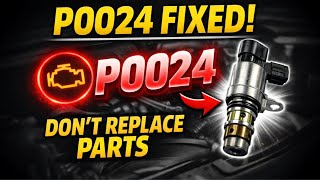
The Audi 3.2L FSI V6 engine (engine code CALB), like many VAG engines from this era, relies heavily on precise oil pressure to operate its complex variable valve timing system. While P0024 can be a simple fix like a solenoid, it can also be a symptom of developing timing chain problems. The timing chains are located at the rear of the engine, making service extremely labor-intensive. The plastic timing chain guides and tensioners can wear, causing slack in the chain that leads to timing correlation faults. Owners should treat this code with urgency, as a simple solenoid issue can mimic the early signs of a much more 🎬 Watch: This quick video explains the P0024 code and its fix. catastrophic timing chain failure.
Generation note: The 2009-2017 Audi Q5 covers the first generation (Typ 8R). The CALB 3.2L FSI V6 engine was primarily available in the earlier years of this generation, from 2009 to 2012, before being phased out for the 3.0L supercharged V6.
Symptoms You May Notice
- Check Engine Light is on
- Rough or unstable idle
- Engine stalling or hard starting
- Reduced engine power and sluggish acceleration
- Decreased fuel economy
- Rattling noise from the engine, especially on cold startup, which may 🎬 Listen: Hear what a failing timing chain sounds like on startup. indicate timing chain tensioner issues
- Replacing the camshaft position sensor when the actual fault is with the VVT solenoid or low oil pressure.
- Immediately assuming a catastrophic timing chain failure before performing simple diagnostics like an oil change or swapping the VVT solenoids.
- Replacing the timing chain when the issue was a simple and inexpensive VVT solenoid.
Most Likely Causes
- Low, Dirty, or Incorrect Viscosity Engine Oil 🔴 High Probability The VVT system is hydraulically operated. Low oil level, sludge from extended drain intervals, or using oil that doesn't meet Audi's specific VW 502 00 specification can impede the function of the camshaft adjusters and solenoids.
How to confirm: Check the engine oil level using the MMI system (this engine often lacks a physical dipstick). Inspect the oil for cleanliness and ensure it is the correct type (e.g., VW 502 00 spec). An oil change is the cheapest and easiest first step.
Typical fix: Perform an oil and filter change with a high-quality, manufacturer-approved synthetic oil (e.g., Mobil 1 0W-40, Liqui Moly Leichtlauf).
Est. part cost: $70-$150 - Faulty Camshaft Adjustment Valve (VVT Solenoid) 🔴 High Probability → Shop Engine Camshaft These solenoids, also known as N205 valves, control oil flow to the camshaft phasers. They can become clogged with debris or fail electrically, causing them to stick. They are a known failure point and can also cause significant oil leaks from their seals.
How to confirm: A common and effective diagnostic step is to swap the Bank 2 exhaust solenoid with the Bank 2 intake solenoid. Clear the codes and drive. If the code changes to P0021 ('A' Camshaft Position - Bank 2), the solenoid is confirmed faulty. You can also test the solenoid's resistance with a multimeter, which should be between 6.9 and 7.9 ohms.
Typical fix: Replace the faulty camshaft adjustment valve for Bank 2 Exhaust. It is often recommended to replace the seal (Part No. WHT002789) at the same time.
Est. part cost: $50-$180 - Worn Timing Chain and/or Tensioners 🟡 Medium Probability → Shop Engine Timing Chain The 3.2L FSI engine is known for timing chain stretch and tensioner wear, particularly the upper plastic guides. A stretched chain or weak tensioner causes the camshaft timing to deviate from the crankshaft, triggering correlation faults. This is a major design flaw as the timing system is on the rear of the engine, requiring engine or transmission removal for service.
How to confirm: This is an advanced diagnosis. Using a VAG-specific scan tool like VCDS, check the values in Measuring Block 93 for camshaft adaptation. If the values for Bank 1 or Bank 2 (especially Bank 2 in this case) are approaching or have exceeded -8.0 degrees, it is a strong indicator of significant timing chain stretch. A cold start rattle is also a key symptom.
Typical fix: This is a major repair requiring replacement of the timing chains, guides, and tensioners. Due to the engine-out labor, this is a very expensive job often costing thousands of dollars.
Est. part cost: $800-$2000
Rare But Worth Checking
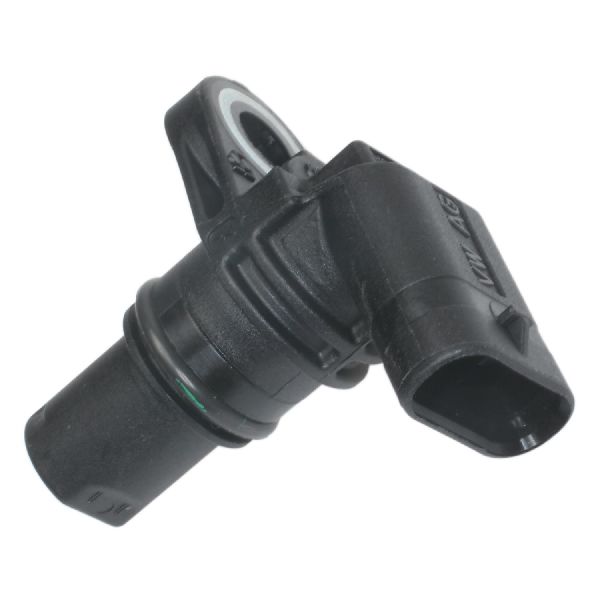
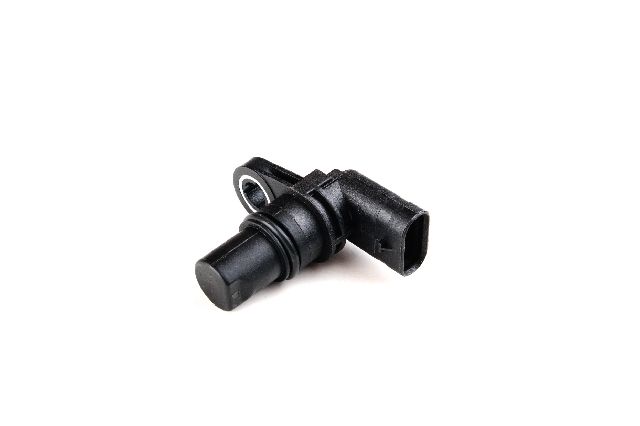
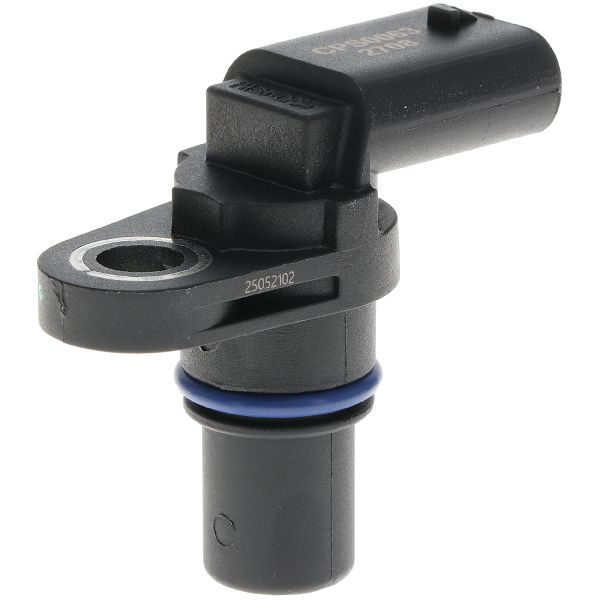
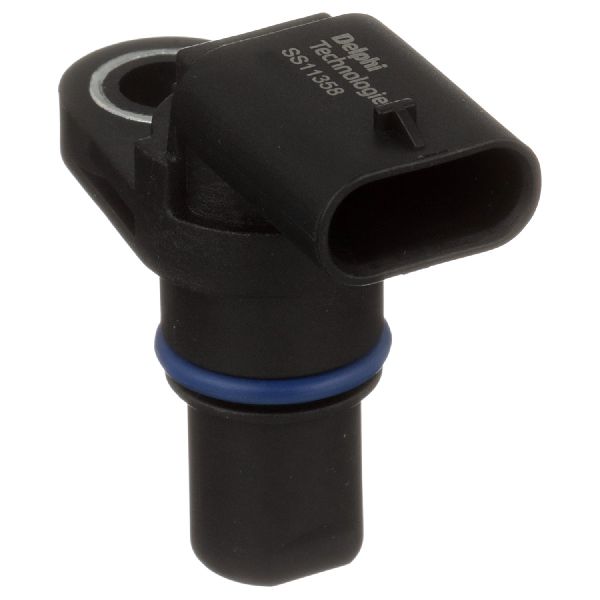
- Faulty Camshaft Position Sensor: → Shop Engine Camshaft Position Sensor While less common than a solenoid failure, the sensor that reads the camshaft's position can fail, sending incorrect data to the ECM. This is often misdiagnosed as a solenoid or timing issue. Swapping the sensor with another one (e.g., from Bank 1) can be a useful diagnostic step.
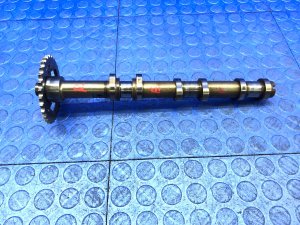
- Failed Camshaft Adjuster (Phaser): → Shop Engine Camshaft The mechanical gear (phaser) on the end of the camshaft can fail internally, getting stuck in an advanced position. This is a mechanical failure and requires replacement of the phaser itself, which is a significant job often performed during a timing chain service.
- Clogged Oil Passages or Strainers: There are small mesh screens or strainers in the oil passages leading to the VVT solenoids and cam adjusters. If sludge or debris from a failing component clogs these passages, it can starve the system of oil pressure and cause timing faults. Cleaning or replacing these may be necessary.
Diagnosis Steps
- Check Engine Oil: Verify the oil level is correct via the MMI and that the oil is clean. Use only VW 502 00 specification oil. If the oil is old or of unknown quality, perform an oil and filter change. Clear codes and see if P0024 returns.
- Scan Tool Analysis: Use an OBD-II scanner to confirm P0024 and check for any other related codes. Observe freeze-frame data to see the engine conditions (RPM, load, temperature) when the code was set.
- Inspect VVT Solenoid Wiring: Check the electrical connector and wiring to the Bank 2 (driver's side) exhaust camshaft adjustment valve for any damage, corrosion, or loose connections.
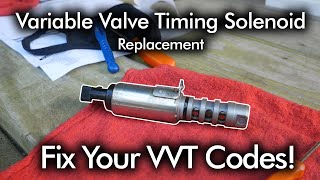
- Swap Solenoids: The most effective DIY diagnostic is to swap the Bank 2 exhaust solenoid with the Bank 2 intake solenoid. They are identical parts. Clear the codes and 🎬 See this walkthrough on how to replace the VVT solenoid. drive the vehicle. If the code returns as P0021, you have confirmed the solenoid is faulty and needs replacement.
- Test Solenoid: If not swapping, you can remove the solenoid and test it. Check for resistance with a multimeter (should be 6.9-7.9 ohms). You can also briefly apply 12V power to see if the internal plunger actuates. Check for debris on the solenoid screens.
- Advanced Diagnostics (VCDS): For suspected timing chain issues, use VCDS to check 'Camshaft adaptation phase position' in Advanced Measuring Values. Select both intake and exhaust for Bank 1 and Bank 2. With the engine fully warmed up and idling, observe the values. Values that are negative and approaching or exceeding -8.0° indicate significant chain stretch requiring replacement.
- Professional Inspection: If the solenoid is good and VCDS values are within spec, but the problem persists, further mechanical inspection of the camshaft phasers and oil passages may be required by a professional technician.
Parts You'll Likely Need
- Camshaft Adjustment Valve (VVT Solenoid)
(OEM #06E109257P)— This solenoid is the most common point of failure for VVT-related codes. It gets clogged by debris or fails electrically, causing incorrect camshaft timing.
Trusted brands: Genuine VW/Audi, Pierburg (often the OEM supplier), Febi Bilstein, URO Parts
OEM price range: $120-$180
Aftermarket price range: $50-$100 - Camshaft Position Sensor
(OEM #07L905163C)— If the solenoid is not the cause, the sensor providing the position data to the ECM may be faulty. It's a less common but possible failure point.
Trusted brands: Bosch, Genuine VW/Audi
OEM price range: $80-$120
Aftermarket price range: $40-$70 - Timing Chain Kit — In cases of confirmed timing chain stretch or tensioner failure (indicated by VCDS Block 93 values or startup rattle), a complete kit including chains, tensioners, and guides is required for a proper repair.
Trusted brands: INA
Related Codes That Often Appear With This One
- P0021 — Intake 'A' Camshaft Position Timing Over-Advanced (Bank 2). This code may appear after swapping the intake and exhaust VVT solenoids for diagnostic purposes, confirming the solenoid is the faulty component.
- P0018 — Crankshaft Position - Camshaft Position Correlation (Bank 2 Sensor A). This code indicates a more serious mechanical timing mismatch and often points towards a stretched timing chain or jumped tooth. It may appear alongside P0024 in severe cases.
- P0300, P0304, P0305, P0306 — Random or specific cylinder misfire codes for Bank 2 (cylinders 4, 5, and 6). Incorrect camshaft timing disrupts the combustion process, leading to misfires on the affected bank.
Platform-Specific Known Issues
- Timing Chain Tensioner Wear: The 3.2L FSI can experience premature wear of the upper timing chain tensioners. This can be diagnosed by checking camshaft phase adaptation values in measuring block 93 with a tool like VCDS. Values approaching or exceeding -8.0 degrees indicate significant stretch and the need for a timing service. A rattling noise on startup is a strong audible symptom.
- Oil Leaks from Solenoid Seals: The seals for the camshaft adjustment valves (Part No. WHT002789) are known to harden and leak oil down the front of the engine. It is highly recommended to replace these seals when servicing the solenoids.
Mechanic-Grade Diagnostic Values
- Camshaft Adjustment Valve (N205/N319) Resistance — expected: 6.9 to 7.9 Ohms at 68°F (20°C). Some sources state a broader but still valid range of 5.0 to 8.0 Ohms.. Failure: A reading of 0 ohms (short circuit), infinite resistance (open circuit), or a value significantly outside the specified range indicates a faulty solenoid.
- VCDS Advanced Measuring Values - Camshaft Adaptation — expected: A value between 0.0° and -5.0° at warm idle is considered healthy.. Failure: A value approaching or exceeding -8.0° indicates significant timing chain stretch, necessitating a timing chain service.
Scan Tool Commands That Help
- VCDS (VAG-COM): Output Test - N319 Camshaft Adjustment Valve 2 — This allows a technician to command the Bank 2 exhaust solenoid to actuate. You should hear a distinct click from the solenoid. If there is no click, it points to either a failed solenoid or a wiring issue. This is useful for confirming the solenoid's electrical and mechanical function without removing it from the engine.
- VCDS (VAG-COM): Basic Settings - Group 093 (Camshaft Adjustment) — After replacing timing components or camshaft adjusters, running this basic setting can help the ECM relearn the new baseline positions. While not always required for a simple solenoid swap, it can be a useful step if the code returns intermittently after a repair.
Wiring & Ground Locations
- Camshaft Adjustment Valve 2 (Exhaust) - N319 — Located on the rear of the Bank 2 (driver's side) cylinder head.. This is the specific solenoid that controls the Bank 2 exhaust camshaft timing. A poor connection or damaged wiring at its connector will directly cause a P0024 fault.
- Ground Connection 12 — In the engine compartment, on the left side frame rail/suspension strut area.. This is a primary engine ground point. A loose or corroded connection here can cause a host of intermittent electrical issues for engine sensors and actuators, including the camshaft adjustment valves and position sensors.
- Ground Connection 615 — On the left suspension strut tower in the engine bay.. Another critical ground point for the engine control module and related components. Poor grounding can lead to incorrect sensor readings and actuator performance, potentially triggering false timing codes.
Real Owner Repair Stories
- AudiWorld Forums User (2006 Audi A6 3.2L (same engine family)) — Check engine light with codes P0391 and P0024.
❌ Tried (didn't work) The user was asking for advice before trying fixes.
✅ What actually fixed it A responding user recommended swapping the Bank 2 (driver side) camshaft adjuster valves (intake and exhaust) and then rechecking for codes. This is the standard, accepted diagnostic procedure to isolate a faulty solenoid. - AudiForums.com User (Audi A6 (engine not specified but symptoms match)) — P0024 code appeared three times in six months. Rough idle and sometimes a rough start.
❌ Tried (didn't work) Replaced the camshaft position sensor three separate times. The first two times the light went away, the third time it did not.
✅ What actually fixed it The thread ended without a definitive solution posted by the original user, but it serves as a valuable example of misdiagnosis. The user repeatedly replaced the sensor, which is a common mistake, instead of investigating the more likely VVT solenoid or oil passages as suggested by the code definition.
OEM Part Supersession History
06E109257J→06E109257P— Part revision and update by the manufacturer, likely for improved reliability or material changes.
Heads up: The newer 'P' revision is the correct and currently available part and is backward compatible. When searching for this part, you may see references to the older 'J' part number.
Model Year Variations Within This Range
- 2009-2012: There are no significant mechanical differences reported for the CALB 3.2L V6 engine used in the Q5 between these model years. A 2012 engine can be swapped into a 2010 model without compatibility issues, indicating the core components related to this code remained consistent.
Diagnostic Flowchart
Other Known Issues on This Vehicle
Issues unrelated to this code that are worth knowing about as an owner of this generation:
- Intake Valve Carbon Buildup 🔴 High — A very common issue for all FSI (direct injection) engines. Typically requires cleaning every 40,000-60,000 miles.
- Timing Chain System Failure 🔴 High → Shop Engine Timing Chain — Common on higher-mileage vehicles (80,000+ miles), especially with extended oil change intervals.
- Water Pump & Thermostat Failure 🟠 Medium — Common failure item, often occurring between 60,000 and 100,000 miles. (Ref: Recalls existed for other Audi engines (e.g., 2.0T and 3.0T) but not specifically for the 3.2L's main pump.)
- Oil Consumption / PCV System Failure 🟠 Medium — Can develop over the life of the vehicle, often after 60,000 miles.
Used vs. New Parts: Buying Guide for This Vehicle
When a used part is the smart pick: For a VVT solenoid, a used part from a low-mileage donor vehicle can be a cost-effective gamble to confirm a diagnosis before buying a new part. However, given the high failure rate and relatively low cost of new aftermarket units, most owners should opt for a new part. Used electronic sensors like the camshaft position sensor are also reasonable if from a reputable dismantler. Never use used timing chain components.
Donor-vehicle mileage cap: roughly under 75000 miles for the part to have meaningful remaining life.
What to inspect on the donor part:
- For solenoids, check that the mesh screens are intact and free of metallic debris.
- Verify the part number on the used component matches the original exactly.
- Ask for the VIN of the donor car to verify mileage and check for reported accidents or engine issues.
OEM-only on this vehicle (don't cheap out):
- Timing Chain Kit: Due to the extreme labor cost of a timing job on this engine, using anything other than a high-quality OEM or OEM-supplier kit (like INA) is a massive risk. Aftermarket kits have a higher chance of premature failure, which would be catastrophic.
Aftermarket brands forum-validated for this vehicle:
- VVT Solenoid: Pierburg (often the original OEM supplier), Bosch, Dorman.
- Timing Chain Kit: INA is a widely trusted OEM supplier for VAG timing components.
- Camshaft Position Sensor: Bosch, NTK.
Brands owners have reported issues with on this vehicle:
- Unbranded or 'white-box' VVT solenoids and sensors from online marketplaces. While cheap, they have a high rate of being dead-on-arrival or failing within a few months.
Real Owner Stories
Aggregated from forums and TSBs cited above. Mileages and costs reflect what owners reported in those sources.
2009-2011 Audi A6 (C6) 3.2L FSI — ~85000 miles
Symptoms: Rattling noise from the engine, especially on cold startup.
What fixed it: Replacement of the timing chains, guides, and tensioners due to the plastic guides wearing out and the chain stretching.
Cost: $800-$2000
Source hint: vehicle_specific_issues and known_issues sections regarding Timing Chain System Failure
2009-2017 Audi Q5 3.2L FSI
Symptoms: P0024 code triggered; suspected faulty Bank 2 exhaust solenoid.
What fixed it: Swapped the Bank 2 exhaust solenoid with the Bank 2 intake solenoid to see if the code followed the part (changing to P0021).
Source hint: diagnosis_steps and forum_citations (YouTube DIY video explaining P0024)
2009-2011 Audi A6 (C6) 3.2L FSI
Symptoms: Checking VCDS Block 93 values to diagnose timing issues.
What fixed it: Confirmed values were approaching -8.0 degrees, indicating the need for timing service.
Source hint: AudiWorld forum thread titled 'Audi 3.2FSI VCDS Block 93'
Related OBD-II Codes
Frequently Asked Questions
Where is Bank 2 located on my Audi 3.2L V6 engine?
My Q5 doesn't have a dipstick; how do I check the oil level for this P0024 code?
What specific oil type should I use to prevent VVT solenoid issues in my CALB engine?
Is there a specific part number for the solenoid seals if I find an oil leak?
How can I use VCDS to check if my timing chain is stretched?
What is the resistance specification for the N205 camshaft adjustment valve?
Helpful Videos
![How to Fix AUDI P0024 Engine Code in 4 Minutes [1 DIY Method / Only $19.45]](https://img.youtube.com/vi/xiuPoPnsSC8/mqdefault.jpg)
Used OEM Parts in Stock
New Aftermarket Parts Available


The information in this article is provided for general reference and educational purposes only. Vehicle specifications, procedures, and part compatibility can vary by production date, trim level, and region. Always consult your vehicle's factory service manual and verify part numbers before purchasing or performing repairs. Safety-critical components such as airbags, seat belts, and braking systems should be installed by a qualified professional.
- Audi Q5:
- 🧭 Diagnostic Flowchart
- 🎬 Helpful Videos
- 🛍️ Shop This Part
- What's Unique About the 2009-2017 Audi Q5
- Symptoms You May Notice
- Most Likely Causes
- Rare But Worth Checking
- Diagnosis Steps
- Parts You'll Likely Need
- Related Codes That Often Appear With This One
- Platform-Specific Known Issues
- Mechanic-Grade Diagnostic Values
- Scan Tool Commands That Help
- Wiring & Ground Locations
- Real Owner Repair Stories
- OEM Part Supersession History
- Model Year Variations Within This Range
- Other Known Issues on This Vehicle
- Used vs. New Parts: Buying Guide for This Vehicle
- Real Owner Stories
- 2009-2011 Audi A6 (C6) 3.2L FSI — ~85000 miles
- 2009-2017 Audi Q5 3.2L FSI
- 2009-2011 Audi A6 (C6) 3.2L FSI
- Related OBD-II Codes
- Frequently Asked Questions
- 🎟️ Get 5% Off