

P0024 on 2015-2021 Ford Mustang: Causes and Fixes for Exhaust Cam Timing
On a 2015-2021 Ford Mustang, P0024 is most often caused by a sticking exhaust VCT (Variable Camshaft Timing) solenoid on Bank 2 (driver's side), frequently due to low or dirty engine oil. Start by checking your oil; the fix is often a new VCT solenoid, which costs about $30-$90 for the part. An oil change is highly recommended with the repair.
- Before buying any parts, check your engine oil level and condition. Low or old oil is a primary cause of P0024 on these engines.
- The most likely failed part is the Bank 2 (driver's side) exhaust VCT solenoid, which is relatively inexpensive and accessible to replace.
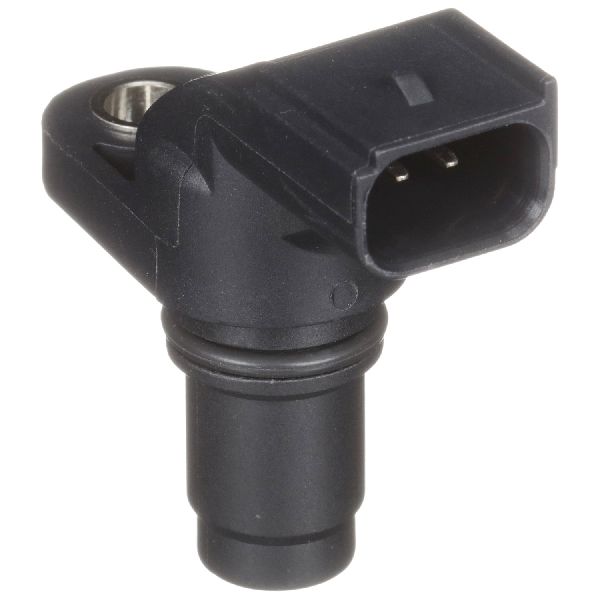
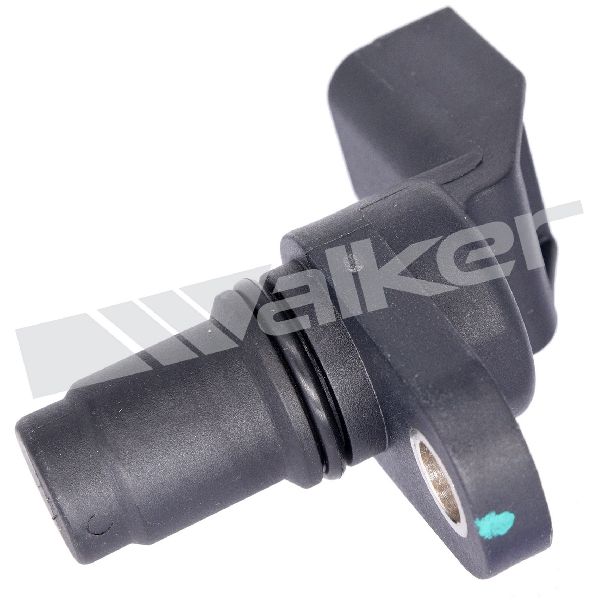
- Do not immediately replace the camshaft position sensor; it is only reporting the problem, not causing it.
- An oil and filter change after replacing the VCT solenoid is highly recommended to flush out any debris that caused the original part to fail.
- If you have both P0014 and P0024 codes, suspect a global issue like oil sludge or low pressure.
What's Unique About the 2015-2021 Ford MUSTANG
The Ford VCT system, used in both the 2.3L EcoBoost and 5.0L Coyote V8 engines, is highly dependent on clean engine oil of the correct viscosity. As noted in Ford's own Technical Service Bulletins (TSBs), the VCT solenoids that control this system can be susceptible to sticking due to small debris or sludge in the oil. This means that unlike some other vehicles where this code might immediately suggest a major mechanical failure, on a Mustang, the root cause is very often related to oil maintenance or a relatively simple solenoid failure. Some owners on forums have even resolved the issue with an engine flush procedure to clear out sludge.
Diagnostic Flowchart
Tap your situation to follow the diagnostic path that matches what you're seeing on this vehicle.
Symptoms You May Notice
- Check Engine Light is on
- Rough or shaky engine idle
- Engine hesitation or stumbling, especially when changing gears at low RPM
- Reduced engine power and poor acceleration
- Engine may stall at stops
- Decreased fuel economy
- Ticking or knocking sounds from the engine
- Replacing the camshaft position sensor. While the sensor reports the problem, it's rarely the cause of it. The code indicates a mechanical timing issue, not necessarily a sensor failure. A mechanic on StangNet advised against this, suggesting scoping the sensor instead of just replacing parts.
Most Likely Causes
- Low or Dirty Engine Oil 🔴 High Probability The VCT system is hydraulically operated by engine oil. Incorrect oil level or viscosity, or contamination from extended drain intervals, directly impacts the performance of the VCT solenoids and phasers. Some 2018-2020 5.0L engines were also subject to TSB 19-2365 for excessive oil consumption, making low oil a more frequent issue.
How to confirm: Check the engine oil dipstick for level and inspect the oil's color and consistency. If it's low or very dark/sludgy, this is a likely contributor. A Mustang6G forum member with a 2017 GT reported the code appeared when he was down just half a quart of oil, and it disappeared after topping it off.
Typical fix: Top off the oil or perform a complete oil and filter change using the manufacturer-specified grade (e.g., Motorcraft 5W-20 or 5W-30 depending on the engine). Consider an engine flush if sludge is suspected.
Est. part cost: $40-$80 - Sticking or Failing VCT Solenoid (Oil Control Valve) 🔴 High Probability → Shop Engine Variable Valve Timing (VVT) Solenoid Ford TSBs #SSM 50067 and #SSM 47170 specifically state that small debris can cause the VCT solenoid to stick, triggering this code. This is a well-documented issue. The solenoids contain fine mesh screens that can become clogged by oil sludge or debris.
How to confirm: After verifying oil level, swap the Bank 2 exhaust VCT solenoid with the Bank 2 intake solenoid. Clear the codes and drive. If the code changes to P0021 (Intake Camshaft Position Timing), the solenoid is faulty. A multimeter can also be used to check the solenoid's internal resistance, which should typically be between 5-15 ohms.
Typical fix: Replace the Bank 2 exhaust VCT solenoid. 🎬 Watch this step-by-step guide to replacing your VCT solenoids. It is highly recommended to also perform an oil and filter change to remove contaminants that may have caused the failure.
Est. part cost: $30-$90 - Wiring or Connector Issue at VCT Solenoid ⚪ Low Probability → Shop Engine Variable Valve Timing (VVT) Solenoid Engine heat and vibration can cause wiring to become brittle or connectors to lose their connection over time. A user on the Mustang6G forum diagnosed a wiring issue by measuring the resistance on the harness, finding a discrepancy between Bank 1 (90 ohms) and Bank 2 (38 ohms).
How to confirm: Visually inspect the wiring harness and connector leading to the Bank 2 exhaust VCT solenoid for any signs of damage, corrosion, or loose pins. Check for proper voltage at the connector with the engine running. Check for proper resistance with a multimeter.
Typical fix: Repair the damaged section of the harness or clean/replace the connector.
Est. part cost: $5-$50
Rare But Worth Checking
- Failed Camshaft Phaser: → Shop Engine Camshaft The phaser is the mechanical gear on the end of the camshaft that actually performs the timing adjustment. It can get stuck or fail internally, but this is less common than a solenoid issue and a much more expensive repair. Forum discussions often involve users hoping the issue is the solenoid and not the phaser due to the significant difference in repair complexity.
- Stretched Timing Chain or Failed Tensioner: → Shop Engine Timing Chain Over time, a timing chain can stretch, or the hydraulic tensioner can weaken, causing slack in the system and leading to inaccurate cam timing. This is usually accompanied by rattling noises from the front of the engine, especially on startup.
- Low Systemic Oil Pressure: In a severe case documented on StangNet forums for a 5.0L, a persistent P0024 code was ultimately traced to low overall oil pressure caused by a main or rod bearing issue, which required an engine replacement to fix. This highlights the importance of a mechanical oil pressure test if simpler fixes fail.
Diagnosis Steps
- Verify the code with an OBD-II scanner.
- Check the engine oil level and condition. If low or dirty, correct this first, clear the code, and drive to see if it returns.
- Inspect the electrical connector and wiring for the Bank 2 (driver's side) exhaust VCT solenoid for any visible damage, corrosion, or loose pins.
- Using a capable scan tool (like FORScan), monitor the desired vs. actual camshaft angle PIDs (e.g., VCT_EXH_CAM_ERR_B2 or VCT_EXH_DIF_B2). A large, persistent discrepancy confirms the issue.
- Perform a solenoid swap test. Swap the Bank 2 exhaust VCT solenoid with the Bank 2 intake VCT solenoid. Clear codes and re-test. If the code moves to P0021 (Intake Camshaft Position Timing), the solenoid is confirmed bad.
- If the code does not move, test the solenoid's resistance with a multimeter (should be ~5-15 ohms). You can also manually apply 12V to see if it actuates (clicks).
- If the solenoid and wiring are good, the problem may be in the camshaft phaser or the base engine timing (timing chain/tensioner). A mechanical oil pressure test is also recommended at this stage.
Parts You'll Likely Need
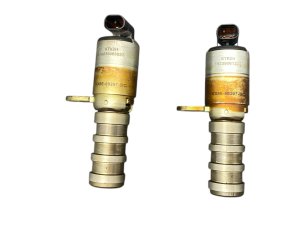
- Variable Camshaft Timing (VCT) Solenoid / Oil Control Valve
(OEM #BR3Z-6M280-F (Supersedes BR3Z-6M280-E, BR3Z-6M280-D for 5.0L Coyote))— This is the most common point of failure for this code, often due to internal sticking caused by oil debris, as cited in Ford TSBs.
Trusted brands: Motorcraft, Dorman, Delphi
OEM price range: $35-$90
Aftermarket price range: $30-$70 - Engine Oil and Filter — Clean, correct-viscosity oil is critical for VCT system health and is often required to resolve the underlying cause of a sticking solenoid.
Trusted brands: Motorcraft
OEM price range: $50-$80
Aftermarket price range: $40-$60
Related Codes That Often Appear With This One
- P0025 — This is for 'Exhaust Camshaft Position Timing - Over-Retarded (Bank 2)'. Seeing both may indicate an erratic VCT solenoid or a severe oil pressure/sludge problem causing unpredictable movement.
- P0014 — This is the same 'Over-Advanced' code but for Bank 1 (passenger side). If you see both P0014 and P0024, it strongly points to a systemic issue like low/dirty oil, widespread sludge, or low oil pressure affecting both banks.
- P0349 — This code is for 'Camshaft Position Sensor 'A' Circuit Intermittent (Bank 2)'. A Reddit user reported getting this code along with P0024 and P0022 after a shop swapped solenoids, indicating a potential wiring or deeper electrical issue.
Technical Service Bulletins (TSBs) & Recalls
- SSM 54366
- SSM 50067
- SSM 47170
- TSB 19-2365 (Related issue for 5.0L engine family)
Platform-Specific Known Issues
- TSB Guidance on VCT Codes: TSB #SSM 50067 and #SSM 47170 note that P0024 (and related codes) may be caused by small debris causing the VCT solenoid to stick, and advise against immediate component replacement without proper diagnosis.
- 5.0L Coyote Oil Consumption: Some 2018-2020 Mustangs with the 5.0L V8 may experience excessive oil consumption, as addressed in TSB 19-2365 for the related F-150. This issue, caused by high vacuum during deceleration, can lead to low oil levels that trigger P0024. The fix involves a PCM reprogram and potentially a new dipstick.
- Upgraded Solenoids for High HP Applications: For modified 5.0L/5.2L engines, the original VCT solenoids can fail at their mounting points under high stress. Ford Performance offers upgraded, high-strength solenoids (Part # M-6297-M50A) with thicker mounting flanges to prevent this.
Mechanic-Grade Diagnostic Values
- VCT Solenoid Internal Resistance — expected: 5-15 Ohms. Failure: A reading outside this range, or an open/short circuit, indicates a faulty solenoid.
- VCT Solenoid Connector Voltage (Key On, Engine Off) — expected: ~12V (Battery Voltage). Failure: No voltage suggests a problem with the power supply circuit, fuse, or PCM power relay.
- FORScan PID: VCT_EXH_CAM_ERR_B2 (Bank 2 Exhaust Cam Error) — expected: Close to 0 degrees at idle.. Failure: A large, persistent non-zero value indicates the camshaft is not at its commanded position, confirming a fault.
- Hot Idle Oil Pressure (5.0L Coyote) — expected: Gen 1/2 spec is 10-15 psi minimum, though many owners report 20-25 psi as average. Gen 3 engines have a larger 10-qt oil pan and a two-stage oil pump, which may alter expected pressures.. Failure: Pressure below the minimum specification can starve the VCT system and cause codes like P0024.
Hidden / Shadow Codes Worth Checking
- P0024:00-6C: This is a Ford-specific status code where '-6C' indicates the DTC is 'Maturing - Intermittent at Time of Request' and the MIL is off. This means the fault has been detected but may not have met the threshold for turning on the Check Engine Light yet. (see via This extended code format is visible with advanced scan tools like FORScan.)
Scan Tool Commands That Help
- FORScan: Output State Control (OSC) for VCT Solenoids — This bidirectional command allows a technician to manually activate and deactivate each VCT solenoid while the engine is running. By commanding the solenoid on and off and observing changes in engine idle or the cam error PID (VCT_EXH_CAM_ERR_B2), you can confirm if the solenoid is responding electrically and mechanically. This is a powerful step before physically removing the part.
Wiring & Ground Locations
- Bank 2 VCT Solenoid Connector — On the front of the driver's side valve cover. The exhaust solenoid is the lower of the two on that side.. This is the primary connection point for the component that controls exhaust cam timing on Bank 2. Damage to the connector or wiring here directly causes faults.
- Engine to Frame Ground Strap — On S550 Mustangs, a primary ground strap connects from the driver's side motor mount stud to the frame. Another strap often runs from the back of the engine/head to the firewall.. A poor engine ground can cause a host of electrical issues and erratic sensor readings for the PCM, potentially contributing to control system faults like P0024. Ensuring this connection is clean and tight is a crucial step in diagnosing electrical gremlins.
- PCM Connector C175E (5.0L) — This is one of the main connectors at the Powertrain Control Module (PCM).. The control signal for the Bank 2 Exhaust VCT solenoid originates here. According to wiring diagrams, the VCT22 (Variable Cam Timing Solenoid 22) control wire is typically located at a specific pin in this connector, which is essential for end-to-end circuit testing.
Real Owner Repair Stories
- Mustang6G.com Forum User (2017 Mustang GT) — Check Engine Light with code P0024, but no noticeable performance issues.
✅ What actually fixed it The owner checked the oil and found it was low by about half a quart. After topping off the oil and clearing the code, the Check Engine Light did not return after 25 miles of driving. - Mustang6G.com Forum User (2017 5.0L Mustang) — P0024 error code, laggy performance at low RPM, rough idle.
❌ Tried (didn't work) Replacing the Bank 2 exhaust VCT solenoid with a new part.
✅ What actually fixed it The problem persisted after replacing the solenoid. Further diagnosis using FORScan showed the solenoid duty cycle was maxed out, but the cam position was not changing as commanded. This pointed to a mechanical failure of the camshaft phaser itself, which was the next step in the repair. - Reddit r/Mustang User (2017 Mustang GT) — Initial P0024 code.
❌ Tried (didn't work) A shop swapped the two VCT solenoids on Bank 2 (intake and exhaust).
✅ What actually fixed it The issue was not resolved. After the solenoid swap, the Check Engine Light returned with additional codes P0022 and P0349 alongside the original P0024. This indicated the problem was not the solenoid itself but likely a more complex wiring issue or a problem with the camshaft phaser or base timing, requiring further diagnosis.
OEM Part Supersession History
BR3Z-6M280-D→BR3Z-6M280-E, then BR3Z-6M280-F— The updated -E and -F versions feature more substantial ribs and additional spot welds on the mounting arms for increased strength and durability.
Heads up: While the solenoids are functionally similar, Ford Performance solenoids intended for later models may have a different electrical connector style than early (e.g., 2011) models, requiring a connector pigtail swap or harness replacement.
Model Year Variations Within This Range
- 2018-2021 (5.0L Gen 3 Coyote): The Gen 3 Coyote engine, introduced in 2018, features significant changes including dual port and direct injection, a higher 12:1 compression ratio, and revised cylinder heads with larger valves. The engine control strategies are also far more complex. While the P0024 code's root cause (VCT system) is the same, the Gen 3 engine has a larger 10-quart composite oil pan and a two-stage oil pump, making oil level and pressure characteristics different from the 2015-2017 Gen 2 engine.
Helpful Videos
Used OEM Parts in Stock
New Aftermarket Parts Available

The information in this article is provided for general reference and educational purposes only. Vehicle specifications, procedures, and part compatibility can vary by production date, trim level, and region. Always consult your vehicle's factory service manual and verify part numbers before purchasing or performing repairs. Safety-critical components such as airbags, seat belts, and braking systems should be installed by a qualified professional.
- Ford MUSTANG:
- 🧭 Diagnostic Flowchart
- 🎬 Helpful Videos
- 🛍️ Shop This Part
- What's Unique About the 2015-2021 Ford MUSTANG
- Symptoms You May Notice
- Most Likely Causes
- Rare But Worth Checking
- Diagnosis Steps
- Parts You'll Likely Need
- Related Codes That Often Appear With This One
- Technical Service Bulletins (TSBs) & Recalls
- Platform-Specific Known Issues
- Mechanic-Grade Diagnostic Values
- Hidden / Shadow Codes Worth Checking
- Scan Tool Commands That Help
- Wiring & Ground Locations
- Real Owner Repair Stories
- OEM Part Supersession History
- Model Year Variations Within This Range
- 🎟️ Get 5% Off