

P0024 on 2015-2019 Lincoln MKC: Exhaust Camshaft Timing Fixes
On a 2015-2019 Lincoln MKC, code P0024 is most often caused by a sticking exhaust VCT (Variable Camshaft Timing) solenoid, frequently due to small debris or dirty oil. Cleaning or replacing the solenoid is the most common fix. The Motorcraft part costs around $50-$70. An oil change is highly recommended with this repair.
- P0024 on a Lincoln MKC means the exhaust camshaft timing is too far advanced.
- The most likely cause is a VCT solenoid that is sticking due to dirty oil or debris, a known issue acknowledged in manufacturer TSBs.
- Always check your engine oil level and condition first. An oil change may be required.
- Before replacing expensive parts like the camshaft phaser, inspect and clean or replace the much cheaper VCT solenoid.
- The repair is accessible for DIY mechanics with basic tools, but requires removing some components to access the solenoid.
What's Unique About the 2015-2019 Lincoln MKC
The 2.0L and 2.3L EcoBoost engines in the Lincoln MKC and its platform mates are well-known for this issue, as highlighted by multiple Technical Service Bulletins (TSBs) from Ford/Lincoln. The primary cause cited by the manufacturer is not necessarily a failed part, but small debris in the engine oil causing the VCT solenoid to stick. TSB SSM 50067 specifically advises technicians to run a diagnostic routine to cycle the VCT solenoid 10 times to clear debris before replacing any parts. This makes oil quality and following specific diagnostic procedures crucial before jumping to component replacement.
Diagnostic Flowchart
Tap your situation to follow the diagnostic path that matches what you're seeing on this vehicle.
Symptoms You May Notice
- Check Engine Light is on
- Rough or unstable idle
- Reduced engine power and poor acceleration
- Engine hesitation or stalling, especially at low RPMs
- Decreased fuel economy
- Rattling or knocking noises from the engine upon startup
- Replacing the camshaft position sensor when the actual problem is the VCT solenoid.
- Replacing the camshaft phaser when the issue is just a clogged VCT solenoid or dirty oil.
- Assuming the engine is damaged when the code was simply triggered by a low oil level.
Most Likely Causes
- Sticking or Clogged VCT Oil Control Solenoid 🔴 High Probability → Shop Engine Camshaft Manufacturer TSBs SSM 50067 and SSM 47170 directly state that small debris in the oil can cause the VCT solenoid to stick, which is a known issue for this platform. The solenoids have fine mesh screens that can easily become clogged by old or dirty oil.
How to confirm: Use a scan tool to monitor the desired vs. actual camshaft position for the exhaust cam. A significant, persistent discrepancy points to a problem. You can also command the solenoid on and off with a capable scan tool to see if the timing responds and listen for a click. Physically removing and inspecting the solenoid for debris or stickiness is the definitive test. Resistance can be checked with a multimeter and should be within spec (often 6.9-8.2 ohms, but check the manual).
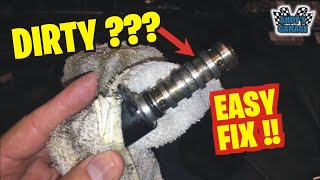
Typical fix: First, attempt the diagnostic procedure in TSB SSM 50067 to cycle the solenoid and clear debris. If that fails, remove and clean the solenoid with brake cleaner. 🎬 See this guide on cleaning your VVT solenoids and valves If cleaning doesn't resolve the issue or the solenoid is electrically faulty, it must be replaced. An oil and filter change is highly recommended at the same time.
Est. part cost: $40-$70 - Low, Dirty, or Incorrect Viscosity Engine Oil 🟡 Medium Probability The VCT system is entirely dependent on oil pressure and cleanliness to function. Delays in oil changes can lead to sludge and debris that clog the small passages in the VCT solenoids and phasers.
How to confirm: Check the oil level on the dipstick and inspect the oil's condition. If it is low, dark, or sludgy, it needs to be changed.
Typical fix: Perform an engine oil and filter change using the manufacturer-specified grade of oil (e.g., Motorcraft).
Est. part cost: $50-$100 - Failed Camshaft Position Sensor ⚪ Low Probability → Shop Engine Camshaft Position Sensor
How to confirm: A faulty sensor can send incorrect data to the ECM, making it think the timing is off when it isn't. Monitor the sensor's output with a scan tool for erratic readings. Swapping the exhaust sensor with the intake sensor (if they are the same part) can see if the code changes to P0011 or P0012.
Typical fix: Replace the exhaust camshaft position sensor.
Est. part cost: $30-$70
Rare But Worth Checking
- Damaged Camshaft Phaser: → Shop Engine Camshaft The phaser is the mechanical gear on the end of the camshaft that actually adjusts the timing. It can fail mechanically or get stuck due to debris, but this is much less common than a solenoid issue. This is a more involved and expensive repair.
- Stretched Timing Chain or Timing Issue: → Shop Engine Timing Chain While not common on these engines with normal maintenance, a stretched timing chain can cause the base timing to be off, leading to VCT-related codes. This is a significant mechanical repair.
- Wiring or Connector Issue: Damage to the wiring harness or a corroded connector for the VCT solenoid can interrupt the signal from the ECM, causing a fault.
Diagnosis Steps
- Verify the engine oil level and condition. If low or dirty, perform an oil and filter change before proceeding. This alone can sometimes fix the issue.
- Connect an OBD-II scanner and confirm P0024 is the active code. 🎬 Watch: A breakdown of common causes and fixes for P0024 Check for any other related codes.
- Using the scanner's live data function, observe the requested vs. actual position for the Bank 2 (Exhaust) camshaft. A significant discrepancy points to a problem.
- As per TSB SSM 50067, use a capable scan tool to command the exhaust VCT solenoid to cycle 10 times to attempt to clear debris. Clear codes and re-test.
- Inspect the wiring and electrical connector at the exhaust VCT solenoid for any visible damage, corrosion, or loose connections.
- Remove the exhaust VCT solenoid. It is typically located on the top of the valve cover, held in by a single bolt. Inspect its internal screens for metallic debris or sludge.
- Clean the solenoid with brake cleaner and test its mechanical action by applying 12V to its terminals; you should hear a solid click as the internal plunger moves. If it's stuck, sluggish, or clogged, replacement is recommended.
- If the solenoid is confirmed to be working and clean, the issue may be more severe. Next steps involve checking oil pressure at the cylinder head and inspecting the camshaft phaser and timing components, which may require a professional.
Parts You'll Likely Need
- Engine Variable Valve Timing (VVT) Solenoid
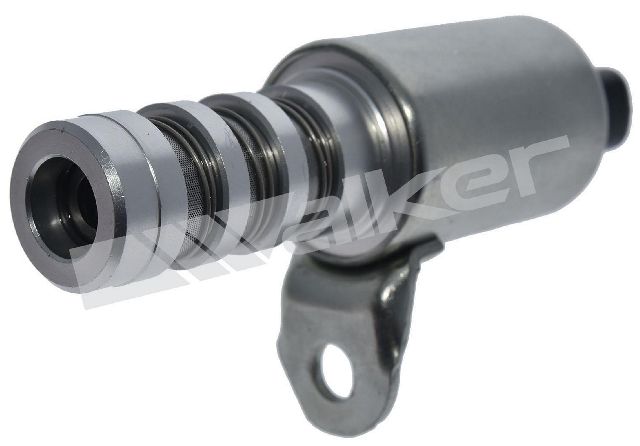
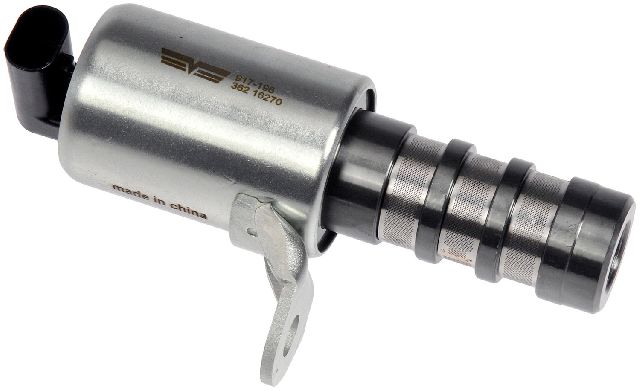
(OEM #CJ5Z-6M280-A)— This is the most frequent point of failure for code P0024 on this vehicle, often due to sticking from oil debris as noted in manufacturer TSBs. The intake and exhaust solenoids are often the same part.
Trusted brands: Motorcraft, Dorman, Standard Motor Products (SMP)
OEM price range: $50-$70
Aftermarket price range: $28-$60
Related Codes That Often Appear With This One
- P0014 — 'B' Camshaft Position - Timing Over-Advanced or System Performance (Bank 1). On an I-4 engine, this is the generic equivalent of P0024. Seeing both may indicate a more widespread oiling issue.
- P0011 — 'A' (Intake) Camshaft Position - Timing Over-Advanced. If this code appears with P0024, it could point to a systemic problem like low/dirty oil affecting both VCT systems.
- P0349 — Camshaft Position Sensor 'B' Circuit Intermittent (Bank 2). A Reddit user reported this code appearing alongside P0024 after a shop swapped VCT solenoids, indicating a potential wiring or sensor issue was now present.
Technical Service Bulletins (TSBs) & Recalls
- SSM 50067: Notes that various VCT codes including P0024 may be due to small debris causing the VCT solenoid to stick. Advises cycling the solenoid with a scan tool before replacement.
- SSM 47170: Similar to the above, points to debris causing a sticking VCT solenoid as a potential cause for P0024 and other codes.
- SSM 54366: Mentions P0024 among a list of VCT codes and refers technicians to updated diagnostic procedures in the workshop manual.
Platform-Specific Known Issues
- Multiple Technical Service Bulletins (SSM 50067, SSM 47170) have been issued by the manufacturer for a range of Lincoln vehicles, including the MKC, noting that DTCs like P0024 can be caused by small debris causing the VCT solenoid to stick. The bulletins advise against immediate component replacement without proper diagnosis.
- TSB SSM 50067 specifically instructs technicians to use the scan tool to cycle the affected VCT solenoid 10 times to attempt to clear it before replacing it, confirming this is a very common and known issue that isn't always a hard part failure.
Mechanic-Grade Diagnostic Values
- VCT Solenoid Resistance — expected: 6.9 to 8.2 ohms. Failure: A reading outside this range indicates a faulty solenoid coil.
- VCT Solenoid Power Supply Voltage — expected: Battery voltage (approx. 12V) with key on, engine off.. Failure: No voltage indicates a wiring or fuse issue upstream of the solenoid.
- Live Data: VCT Error PID (VCTRER) — expected: Near 0 degrees at idle and under steady load.. Failure: A persistent value greater than a few degrees (e.g., >10-20 degrees) indicates the camshaft is not at its commanded position.
Scan Tool Commands That Help
- Ford IDS (or equivalent like FORScan): Variable Cam Timing (VCT) Control — This is the bidirectional control/actuator test mentioned in TSB SSM 50067. It allows the technician to command the solenoid to cycle on and off (often 10 times) to dislodge debris that may be causing it to stick.
- Ford IDS (or equivalent): Datalogger with VCTRER PIDs — To diagnose an intermittent or performance-related VCT issue. By logging the VCT Error PIDs (e.g., VCTRER_EXH_B2) during a drive cycle, a technician can see exactly when the timing deviation occurs, which helps pinpoint the cause.
Wiring & Ground Locations
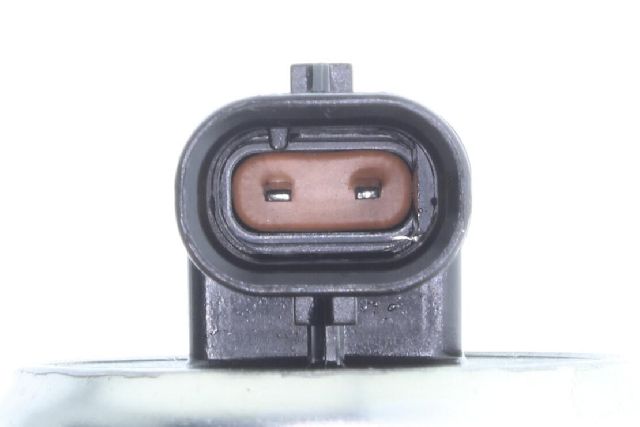
- VCT Solenoid Connector — Plugs directly into the top of the VCT solenoid on the valve cover.. This 2-pin male connector provides power and the control signal from the PCM. Corrosion or damage to the pins or wiring pigtail can cause a loss of control, mimicking a failed solenoid.
- Main Engine Ground Point — On many similar Ford platforms, a primary chassis ground point is located on the frame rail near the battery and underhood fuse box, often under the battery tray.. While not a direct cause, a poor engine ground can create a host of electrical issues and unpredictable sensor readings. Ensuring the main ground connection is clean and tight is a fundamental step in diagnosing any electrical fault.
Real Owner Repair Stories
- YouTube video 'How to Replace Variable Valve Timing Solenoid 2013-2019 Ford Escape 2.0L L4' (2013 Ford Escape Titanium 2.0L EcoBoost (platform mate to MKC)) — Check engine light, sputtering, rough running, reduced fuel efficiency.
❌ Tried (didn't work) The video is a direct-to-fix tutorial, so no failed attempts were documented.
✅ What actually fixed it The video demonstrates the replacement of the VVT solenoids as the direct fix for these symptoms, which are commonly associated with P0024.
OEM Part Supersession History
CJ5E-6B297-AA→CJ5Z-6M280-A— Standard part number update and supersession by Ford.
Heads up: The two part numbers are generally interchangeable for this application, but it is always best to use the latest revision (CJ5Z-6M280-A).
Model Year Variations Within This Range
- 2019: The 2019 Lincoln MKC received a significant facelift, most notably changing the front 'split-wing' grille to the new corporate rectangular grille. However, the 2.0L and 2.3L EcoBoost engine options and the 6-speed automatic transmission remained unchanged from the 2015-2018 models.
- 2016: For the 2016 model year, Lincoln replaced the MyLincoln Touch infotainment system with the superior SYNC 3 system. This does not affect the diagnosis of code P0024.
Helpful Videos

We Have This Part in Stock


The information in this article is provided for general reference and educational purposes only. Vehicle specifications, procedures, and part compatibility can vary by production date, trim level, and region. Always consult your vehicle's factory service manual and verify part numbers before purchasing or performing repairs. Safety-critical components such as airbags, seat belts, and braking systems should be installed by a qualified professional.
- Lincoln MKC:
- 🧭 Diagnostic Flowchart
- 🎬 Helpful Videos
- 🛍️ Shop This Part
- What's Unique About the 2015-2019 Lincoln MKC
- Symptoms You May Notice
- Most Likely Causes
- Rare But Worth Checking
- Diagnosis Steps
- Parts You'll Likely Need
- Related Codes That Often Appear With This One
- Technical Service Bulletins (TSBs) & Recalls
- Platform-Specific Known Issues
- Mechanic-Grade Diagnostic Values
- Scan Tool Commands That Help
- Wiring & Ground Locations
- Real Owner Repair Stories
- OEM Part Supersession History
- Model Year Variations Within This Range
- 🎟️ Get 5% Off