

P0024 on 2005-2012 Toyota Avalon 3.5L V6: Exhaust Cam Timing Causes and Fixes
On a 2005-2012 Avalon with the 3.5L V6, code P0024 is most often caused by a faulty exhaust Oil Control Valve (OCV) for Bank 2 or low/dirty engine oil. Bank 2 is the cylinder bank closer to the radiator. Replacing the OCV is a common DIY fix costing around $40-$100 for the part. This is a very common issue across the many Toyota and Lexus vehicles that use the 2GR-FE engine.
- P0024 means the exhaust camshaft timing on the front cylinder bank (Bank 2) is too far advanced.
- Always check your engine oil level and condition first. This is the simplest and most common fix.
- The most likely failed part is the Bank 2 exhaust Oil Control Valve (OCV), located on the front of the engine.
- A simple and effective diagnostic is to swap the front and rear exhaust OCVs to see if the code changes to P0014.
- Do not replace the camshaft position sensor; it is rarely the cause of this specific code.
What's Unique About the 2005-2012 Toyota Avalon
The Toyota 2GR-FE V6 is a widely used and generally reliable engine, but its dual VVT-i system is sensitive to oil quality, level, and pressure. Code P0024 on this platform frequently points to a failing Oil Control Valve (OCV), also called a VVT solenoid, which is a common and accessible repair. Some early 2GR-FE engines were also subject to a TSB (T-SB-0094-09) for a ticking noise and various VVT codes, including P0024, which could require more in-depth mechanical repairs related to the VVT-i gear itself in some cases. Additionally, early versions of this engine used a rubber VVT-i oil supply hose that was prone to rupture, which could lead to catastrophic oil loss and engine failure.
Symptoms You May Notice
- Check Engine Light is on
- Rough or unstable idle
- Engine may hesitate or stall, especially at low speeds.
- Reduced engine power and poor acceleration.
- Decreased fuel economy.
- Hard starting or extended cranking.
- Engine may have a pre-ignition problem on acceleration.
- Replacing the camshaft position sensor. This sensor is usually not the cause of a P0024 code unless a specific sensor-related code is also present. The P0024 code indicates a mechanical timing or hydraulic control issue, not a sensor failure. The sensor is reporting the problem correctly; it is not the source of the problem.
Most Likely Causes
- Low or Dirty Engine Oil 🔴 High Probability The VVT-i system is operated by oil pressure. Low levels or oil that is old, thick, or sludged can clog passages and prevent the OCV and cam phasers from working correctly.
How to confirm: Check the engine oil level on the dipstick and inspect its condition. If the oil is low, dark, or thick, it needs to be changed.
Typical fix: Top off or perform a complete oil and filter change using the manufacturer-recommended oil viscosity (typically 5W-30).
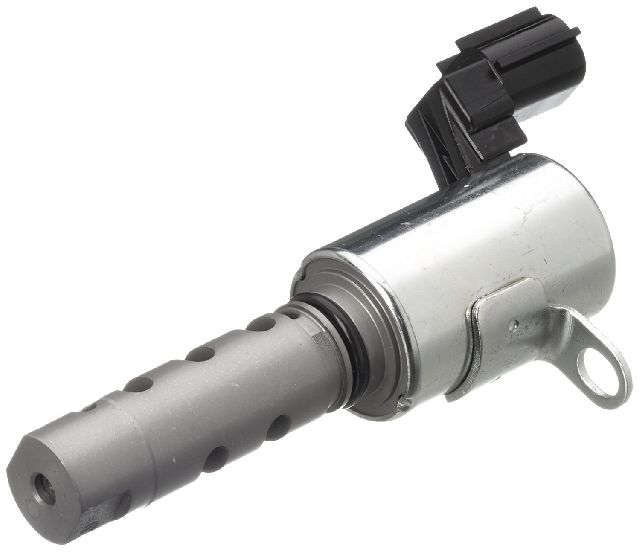
Est. part cost: $40-$80 - Faulty Bank 2 Exhaust Oil Control Valve (OCV / VVT Solenoid) 🔴 High Probability → Shop Engine Variable Valve Timing (VVT) Solenoid The OCV is an electronic solenoid that is constantly working. It can become clogged with sludge or fail electronically over time, getting stuck in one position. This is a very common failure point on the 2GR-FE engine.
How to confirm: The most effective diagnostic is to swap the Bank 2 (front) exhaust OCV with the Bank 1 (rear) exhaust OCV. Clear the codes and drive. If the code changes to P0014 (the equivalent code for Bank 1), the OCV is faulty. You can also test the solenoid's resistance with a multimeter; it should be between 6.9-7.9 ohms at 68°F (20°C).
Typical fix: Replace the Bank 2 exhaust Oil Control Valve. It is located on the front cylinder head (Bank 2) and is easily accessible.
Est. part cost: $40-$120 - Clogged OCV Filter Screen 🟡 Medium Probability A small mesh filter protects the OCV from debris in the oil. If this filter becomes clogged, it can starve the OCV and cam phaser of oil pressure, causing a timing error.
How to confirm: The filter is a small bolt-like component located on the cylinder head, usually near the OCV. Remove it and inspect for sludge or debris.
Typical fix: Remove and clean the filter with brake cleaner. It is inexpensive and often recommended to replace it when servicing the OCV.
Est. part cost: $10-$25
Rare But Worth Checking
- Failing VVT-i Camshaft Gear (Phaser): → Shop Engine Camshaft If oil and OCV issues are ruled out, the mechanical gear itself can fail. Toyota issued TSB T-SB-0094-09 for some 2005-2009 models for a ticking noise accompanied by VVT codes, including P0024, which points to a faulty VVT-i gear. This is a much more involved and expensive repair.
- Stretched Timing Chain: → Shop Engine Timing Chain At very high mileage, the timing chain can stretch, causing a discrepancy between the crankshaft and camshaft positions that the VVT system cannot compensate for. This is less common than other causes but can happen.
- Faulty ECM: In very rare cases, the Engine Control Module itself can be the source of the problem, incorrectly commanding or interpreting the VVT system signals. This should only be considered after all other possibilities have been exhausted.
Diagnosis Steps
- Check Engine Oil: Verify the oil level is full and the oil is clean. If low or dirty, perform an oil change with the correct viscosity oil (5W-30), clear the code, and see if it returns.
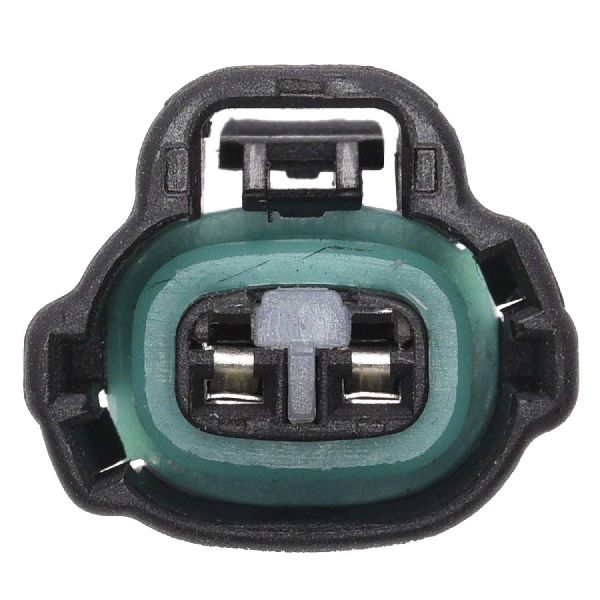
- Inspect OCV Connector: Check the wiring and connector for the Bank 2 exhaust OCV for any damage, corrosion, or loose connection. The OCV is on the front-facing cylinder head, making it easy to access.
- Swap OCVs: The most reliable test. Swap the front (Bank 2) exhaust OCV with the rear (Bank 1) exhaust OCV. They are the same part number. Clear the codes and drive the vehicle. If the code returns as P0014, you have confirmed the OCV you moved to the rear is faulty.
- Test OCV Manually: If you don't swap them, you can remove the suspect OCV and apply 12V power to its terminals. You should hear a distinct click as the internal plunger moves. A lack of a click or sluggish movement indicates failure. You can also measure resistance, which should be 6.9–7.9 Ω at room temperature.
- Inspect OCV Filter: Locate and remove the small OCV filter screen on the Bank 2 cylinder head. Check if it is clogged with sludge and clean or replace it.
- Advanced Mechanical Diagnosis: If all the above steps do not resolve the issue, the problem may be mechanical, such as a failing camshaft phaser (per TSB T-SB-0094-09) or a stretched timing chain. This level of diagnosis is best left to a professional.
Parts You'll Likely Need
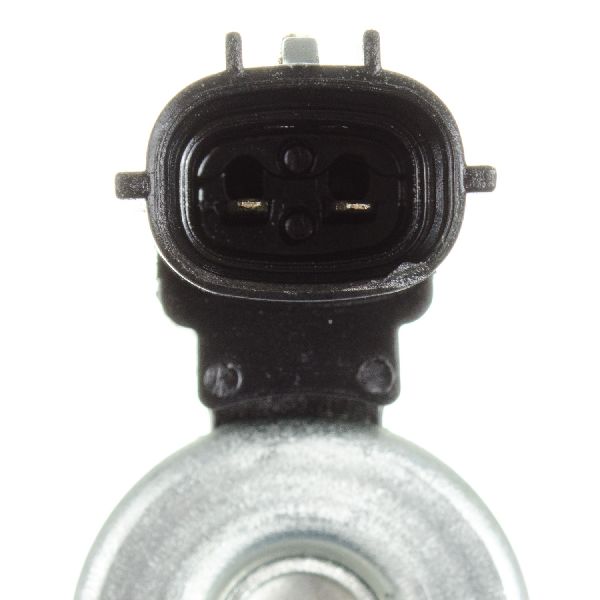
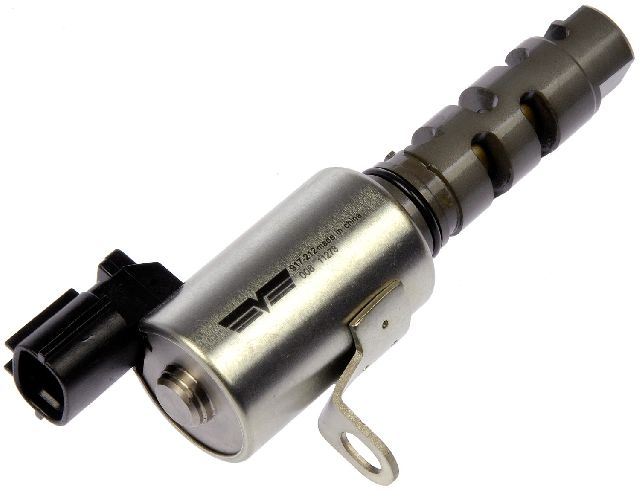
- Engine Variable Valve Timing (VVT) Solenoid / Oil Control Valve
(OEM #15330-0P020 (supersedes 15330-31020))— This solenoid is the most common part to fail. It gets stuck or clogged with oil sludge, preventing it from correctly adjusting the camshaft timing.
Trusted brands: Denso (OEM supplier), Aisin, Dorman (917-212)
OEM price range: $80-$130
Aftermarket price range: $40-$75 - Oil Control Valve Filter
(OEM #15678-46020)— This small, inexpensive screen can get clogged with sludge, restricting oil flow to the OCV. It's recommended to replace this anytime the OCV is serviced.
Trusted brands: Toyota (OEM)
OEM price range: $10-$25
Aftermarket price range: $5-$15
Related Codes That Often Appear With This One
- P0014 — This is the same 'over-advanced' code but for Bank 1. If you swap the OCVs for diagnosis, P0024 will become P0014, confirming a bad OCV. Seeing both at once could indicate a severe oil sludge or pressure problem affecting the whole engine.
- P0025 — This code is for 'Timing Over-Retarded' on the same camshaft (Bank 2 Exhaust). Seeing P0024 and P0025 intermittently can indicate a very sticky OCV or an erratic cam phaser.
- P0017 / P0018 — These are camshaft/crankshaft correlation codes. TSB T-SB-0094-09 lists these alongside P0024 as potential codes when the VVT-i gear is failing.
Technical Service Bulletins (TSBs) & Recalls
- T-SB-0094-09 Rev1: Addresses a ticking noise and/or MIL 'ON' with codes P0014, P0015, P0024, P0025, P0017, or P0018 on 2005-2009 Avalons. The fix may require replacing the exhaust VVT-i gear.
- Limited Service Campaign (LSC) for VVT-i Oil Line: Not a formal TSB but a customer satisfaction campaign to replace a faulty rubber oil line on 2005-2009 models that could rupture.
Platform-Specific Known Issues
- Toyota Technical Service Bulletin T-SB-0094-09 was issued for some 2005-2009 Avalons with the 2GR-FE engine that exhibited a ticking noise and VVT-related codes, including P0024. The fix involved inspecting and potentially replacing the exhaust VVT-i gear assembly, a significant mechanical repair.
- A Limited Service Campaign (LSC) was issued for early models (2005-2009) to replace a rubber VVT-i oil supply line with an all-metal part (15772-31030). The original rubber hose could rupture, causing rapid oil loss and catastrophic engine failure. Owners should verify this has been done.
Mechanic-Grade Diagnostic Values
- Oil Control Valve (OCV) Resistance — expected: 6.9 to 7.9 Ohms at 68°F (20°C). Failure: No reading (open circuit) or a reading significantly outside this range indicates a faulty solenoid coil.
- OCV Power Supply Voltage (at connector, KOEO) — expected: Battery Voltage (approx. 12V). Failure: Low or no voltage indicates a wiring or fuse issue upstream of the OCV.
- Ignition Timing at Idle (with diagnostic terminals shorted) — expected: 8 to 12 degrees BTDC at idle. Failure: Timing that is stuck advanced or does not respond correctly can indicate a VVT system problem.
- VVT Advance Angle (Live Data) — expected: The actual angle should closely match the target angle commanded by the ECM. The code sets when the actual position differs from the desired position by more than a specified amount (e.g., 20 degrees).. Failure: A large, persistent deviation between the target and actual VVT angle for Bank 2 Exhaust points to a problem.
Scan Tool Commands That Help
- Toyota Techstream: Active Test: Control the VVT System (Bank 2) — This bidirectional command allows the technician to manually activate the Bank 2 exhaust OCV. While monitoring engine RPM at idle, activating the solenoid should cause a noticeable stumble or may even stall the engine. If there is no change in engine operation, it strongly suggests a clogged or failed OCV, a clogged oil passage, or a stuck phaser.
- Toyota Techstream: Data List Monitoring — Monitor 'VVT CTRL B2' (VVT control status for Bank 2) and compare the target vs. actual camshaft angles. This is crucial for confirming if the over-advanced condition is constant or intermittent, and under what engine load/RPM conditions it occurs.
Wiring & Ground Locations
- Engine Harness Ground (Bank 2 Head) — A ground wire attachment point on the side of the Bank 2 (front) cylinder head, often located underneath or near the throttle body assembly.. A poor ground at this location can cause erratic sensor readings and incorrect actuator operation, including for the OCV and camshaft position sensor on Bank 2.
- Main Engine Ground (Valve Cover to Frame) — The 2GR-FE grounds to the chassis in two primary spots on the valve covers. One is on the front (Bank 2) valve cover, with the wire typically running to a point on the frame near the strut tower.. Improper grounding of the entire engine can lead to a host of spurious electrical faults and sensor reading errors that can be difficult to trace.
Real Owner Repair Stories
- Reddit r/MechanicAdvice user (2010 Toyota 4Runner (with 2GR-FE engine), 280,000 miles) — P0024 code appeared after a valve cover gasket change, along with other intermittent VVT and sensor codes.
❌ Tried (didn't work) Replaced spark plugs, Replaced ignition coils, Replaced 2 of 4 VVT solenoids (OCVs), Replaced one camshaft position sensor, Replaced broken connectors, Replaced PCV valve, Replaced alternator and battery, Performed multiple oil changes, Cleaned MAF sensor, Inspected OCV filter screens (were clean)
✅ What actually fixed it The user replaced the ECM with a unit from eBay and reprogrammed it. The car ran fine for 30 miles before the same P0024 code returned, indicating the replacement ECM was also faulty or there was a deeper, unresolved wiring issue. - NHTSA ODI #10326139 — An owner reported a VVT-i timing malfunction where the dealer found the oil level one quart low and leaking from the VVT-i line. Diagnostic codes P0024 and P0012 were found, requiring the replacement of both VVT-i cams, cam housings, gears, intake gaskets, and the oil pump.
OEM Part Supersession History
15330-31020→15330-0P020— Part revision and improvement by the manufacturer.
Heads up: The new part number (15330-0P020) is the correct and current replacement for the original. They are interchangeable for this application.VVT-i Oil Line (Rubber/Metal Hybrid)→15772-31030 (All-Metal Line)— The original rubber section of the oil line was prone to rupture, leading to sudden and catastrophic oil loss.
Heads up: Vehicles in the affected range should have the all-metal line. Using a new-old-stock rubber line is a significant risk.
Model Year Variations Within This Range
- 2011-2012: The 2011-2012 models represent a facelift of the third generation. While the 2GR-FE powertrain is fundamentally the same, these later years benefit from refinements and are less likely to have the VVT-i rubber oil line issue from the factory. They also feature updated styling and electronics, like built-in Bluetooth, which are unrelated to this code but distinguish them from the 2005-2010 models.
- 2005-2009: These earlier models are the primary subjects of TSB T-SB-0094-09 for VVT gear ticking and the Limited Service Campaign for the rubber VVT-i oil line. Owners of these years should be especially vigilant about these two specific issues.
Diagnostic Flowchart
Other Known Issues on This Vehicle
Issues unrelated to this code that are worth knowing about as an owner of this generation:
- VVT-i Oil Line Rupture 🔴 High — Common on 2005-2009 models not yet updated. Failure can be sudden and cause catastrophic engine damage due to oil starvation. (Ref: Toyota Limited Service Campaign (LSC) to replace rubber line with all-metal line (P/N 15772-31030).)
- Water Pump Failure 🟠 Medium — Commonly fails between 80k-130k miles. Often presents as a weeping leak or a grinding/rattling noise from the pulley area before total failure.
- Transmission Hesitation/Shudder (U151E/U660E) 🟡 Low — Often reported on 2005-2009 models. Can feel like a hesitation from a stop or a slight shudder at cruising speeds. Often related to software logic and fluid condition rather than mechanical failure. (Ref: Various software updates were released by dealers to address shift quality.)
- Melting/Sticky Dashboard 🟡 Low — Affects 2005-2010 models, especially in hot climates. The dashboard material degrades under UV exposure, becoming shiny, sticky, and soft. (Ref: Toyota had a Warranty Enhancement Program (ZE6) to replace dashboards, but it has since expired.)
- Hard Start / Long Crank 🟡 Low — Some owners report a longer-than-usual crank time before the engine starts, which can be due to a weakening fuel pump check valve over time.
Used vs. New Parts: Buying Guide for This Vehicle
When a used part is the smart pick: For this specific repair, using used parts is generally not recommended. The primary failure parts (OCV, VVT gear) are subject to wear and oil contamination. A used OCV is a significant gamble as it may be clogged or have a limited remaining lifespan. A used VVT gear is only viable if its history and low mileage can be confirmed, which is difficult.
Donor-vehicle mileage cap: roughly under 60000 miles for the part to have meaningful remaining life.
What to inspect on the donor part:
- For an OCV, visually inspect the screen for any metallic debris (a major red flag).
- Ask for the VIN of the donor car to check its service history if possible.
- Avoid parts from engines that show signs of heavy oil sludge or overheating.
OEM-only on this vehicle (don't cheap out):
- VVT-i Camshaft Gear (Phaser): Aftermarket VVT gears for the 2GR-FE have a poor reputation for quality and longevity. Given the labor-intensive nature of the replacement, using a genuine Toyota part is critical to avoid repeat failure.
- Engine Control Module (ECM): While a rare failure, if needed, a new or professionally remanufactured OEM unit is the only reliable option. Used ECMs can be problematic, as seen in repair stories.
Aftermarket brands forum-validated for this vehicle:
- Denso: Denso is the original equipment manufacturer (OEM) for the Oil Control Valves. A Denso-branded part is equivalent to the genuine Toyota part but often costs less.
- Aisin: Aisin is another major OEM supplier for Toyota and is a trusted brand for engine components.
Brands owners have reported issues with on this vehicle:
- Unnamed/white-box brands from online marketplaces should be avoided for the Oil Control Valve. Many forum posts detail cheap aftermarket OCVs failing within weeks or months, or not working correctly out of the box, leading to wasted time and money.
Real Owner Stories
Aggregated from forums and TSBs cited above. Mileages and costs reflect what owners reported in those sources.
2008 Toyota Avalon 3.5L V6
Symptoms: The owner described getting the P0024 code on their vehicle.
What fixed it: Replacing the Bank 2 exhaust Oil Control Valve (OCV).
Source hint: Toyota Nation Forum - "P0024 Code - 2008 Avalon"
2007 Toyota Avalon
Symptoms: An owner reported a "check problem" where the dealer found the oil level was 1 quart low and leaking from the VVT-i line. A scan tool revealed codes P0024 and P0012 for VVT-i timing malfunctions.
What fixed it: According to NHTSA ODI #10326139, the technician replaced both VVT-i cams and cam housings, cam gears, intake gaskets, and the oil pump.
Related OBD-II Codes
Frequently Asked Questions
My 2008 Avalon has a ticking noise and the P0024 code; is there a specific TSB for this?
I heard about a rubber oil line that can burst on the 2GR-FE engine. Does this affect the 2005-2012 Avalon?
Can I test the Bank 2 exhaust OCV myself before buying a new one?
What oil viscosity should I use in my Avalon to prevent VVT-i issues like P0024?
Is there a filter I should check for the VVT system on my 2010 Avalon?
My dashboard is becoming sticky and shiny; was there a program to fix this?
Helpful Videos
![How to Fix TOYOTA P0024 Engine Code in 4 Minutes [1 DIY Method / Only $19.45]](https://img.youtube.com/vi/OAvJr2H5M40/mqdefault.jpg)

We Have This Part in Stock


The information in this article is provided for general reference and educational purposes only. Vehicle specifications, procedures, and part compatibility can vary by production date, trim level, and region. Always consult your vehicle's factory service manual and verify part numbers before purchasing or performing repairs. Safety-critical components such as airbags, seat belts, and braking systems should be installed by a qualified professional.
- Toyota Avalon:
- 🧭 Diagnostic Flowchart
- 🎬 Helpful Videos
- 🛍️ Shop This Part
- What's Unique About the 2005-2012 Toyota Avalon
- Symptoms You May Notice
- Most Likely Causes
- Rare But Worth Checking
- Diagnosis Steps
- Parts You'll Likely Need
- Related Codes That Often Appear With This One
- Technical Service Bulletins (TSBs) & Recalls
- Platform-Specific Known Issues
- Mechanic-Grade Diagnostic Values
- Scan Tool Commands That Help
- Wiring & Ground Locations
- Real Owner Repair Stories
- OEM Part Supersession History
- Model Year Variations Within This Range
- Other Known Issues on This Vehicle
- Used vs. New Parts: Buying Guide for This Vehicle
- Real Owner Stories
- 2008 Toyota Avalon 3.5L V6
- 2007 Toyota Avalon
- Related OBD-II Codes
- Frequently Asked Questions
- 🎟️ Get 5% Off