

P0025 on 2015-2019 Ford Fiesta: Causes and Fixes for Exhaust Camshaft Timing
On a 2015-2019 Ford Fiesta, code P0025 almost always points to a sticking exhaust Variable Camshaft Timing (VCT) solenoid, often caused by low or dirty engine oil. The most common fix is an oil change and replacing the exhaust VCT solenoid (Ford Part No. AE8Z-6M280-A or BE8Z-6M280-A), a part that typically costs between $40 and $80.
- P0025 on a Ford Fiesta is almost always an oil-related issue, either low/dirty oil or a sticking exhaust VCT solenoid.
- Always start by checking and changing the engine oil and filter with the correct 5W-20 grade.
- Replacing the exhaust VCT solenoid (Part No. BE8Z-6M280-A) is the most common repair and is a simple DIY job.
- Swapping the intake and exhaust solenoids is a definitive, no-cost way to confirm a faulty solenoid.
- This engine uses a timing belt, not a chain; if the car is high mileage and the belt service is overdue, it could be the cause.
What's Unique About the 2015-2019 Ford FIESTA
The Fiesta's 1.6L engine features a Twin Independent Variable Camshaft Timing (Ti-VCT) system, which uses oil pressure to adjust the timing of both the intake and exhaust camshafts independently. This system is highly sensitive to engine oil level, viscosity, and cleanliness. Ford has issued service bulletins acknowledging that small debris in the oil can cause the VCT solenoids to stick, which is a primary cause for this code on this platform. TSB SSM 50067 specifically recommends a procedure to cycle the VCT solenoid 10 times using a diagnostic tool to try and clear debris before replacing the part.
Diagnostic Flowchart
Tap your situation to follow the diagnostic path that matches what you're seeing on this vehicle.
Symptoms You May Notice
- Check Engine Light is on
- Rough or unstable idle
- Engine stalling, especially when coming to a stop
- Reduced engine power and poor acceleration
- Decreased fuel economy
- Engine may be difficult to start
- Engine hesitation or sputtering
- Rattling or knocking sounds from the engine bay, particularly at idle
- Replacing the camshaft position sensor. While a sensor can fail, it is more likely to throw a sensor-specific circuit code. P0025 is a mechanical timing correlation code, usually pointing to the oil, solenoid, or timing components.
Most Likely Causes
- Low or Dirty Engine Oil 🔴 High Probability The Ti-VCT system is hydraulically operated and highly dependent on clean oil of the correct viscosity (5W-20 Synthetic Blend) to function properly. Sludge or low oil levels can prevent the VCT solenoid and phaser from adjusting the timing correctly, which is a very common cause for P0025.
How to confirm: Check the engine oil dipstick for level and inspect the oil's color and consistency. If it is low, excessively dark, or appears sludgy, it needs to be changed immediately.
Typical fix: Perform an engine oil and filter change using the manufacturer-specified Ford 5W-20 Synthetic Blend oil. Clear the codes and test drive to see if the issue is resolved.
Est. part cost: $30-$60 - Failing Exhaust VCT Solenoid 🔴 High Probability → Shop Engine Variable Valve Timing (VVT) Solenoid As noted in Ford's Technical Service Bulletin #SSM 50067, these solenoids can stick due to small debris in the engine oil. This is the most common mechanical failure for this code.
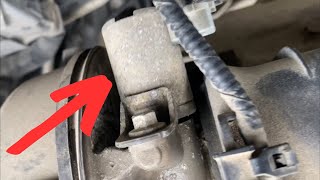
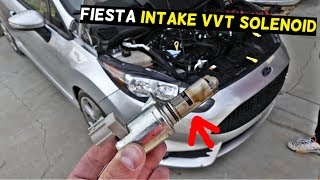
How to confirm: After an oil change, if the code persists, the solenoid is the next logical suspect. A diagnostic test involves swapping the exhaust VCT solenoid (rear of the engine) with the intake VCT solenoid (front of the engine). 🎬 See this video to locate the intake and exhaust solenoids. If the code changes to P0011 or P0012 (related to the intake cam), the solenoid is faulty. The solenoid's internal resistance can also be tested with a multimeter and should be between 7 to 12 ohms.
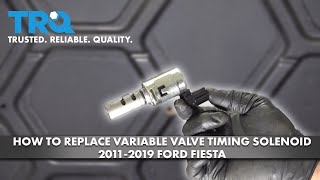
Typical fix: Replace the exhaust VCT solenoid. The part is held by a single 8mm bolt and can be accessed by removing the engine cover. 🎬 Watch: A step-by-step guide to replacing the VCT solenoid. Lightly oil the new solenoid's O-rings before installation.
Est. part cost: $40-$80 - Stretched Timing Belt or Worn Timing Components 🟡 Medium Probability → Shop Engine Timing Chain The 1.6L Ti-VCT engine uses a timing belt, not a chain. While durable, on higher-mileage vehicles (approaching or exceeding the 100,000-mile service interval), the belt can stretch or teeth can wear, causing a constant timing offset that the VCT system cannot correct.
How to confirm: This is a more involved diagnosis requiring removal of the valve cover to inspect the belt for slack and check timing marks. This is typically done after ruling out oil and solenoid issues.
Typical fix: Replace the timing belt, tensioners, and idlers. This is a major service item.
Est. part cost: $200-$400
Rare But Worth Checking
- Damaged Camshaft Phaser: → Shop Engine Camshaft The phaser is the gear-like actuator at the end of the camshaft. If it fails internally or gets stuck, it can cause timing issues that a new solenoid won't fix. This is usually a last resort after other components are checked.
- Clogged Oil Passages: Severe engine sludge can block the small oil passages leading to the VCT solenoid and phaser, starving them of the oil pressure needed to operate. An engine flush may help, but severe cases can require significant disassembly to clean.
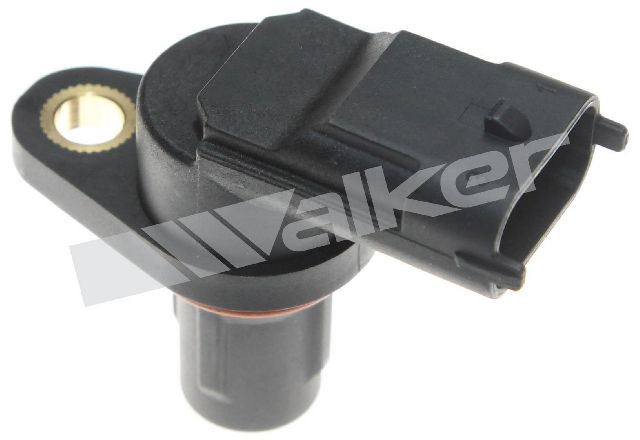
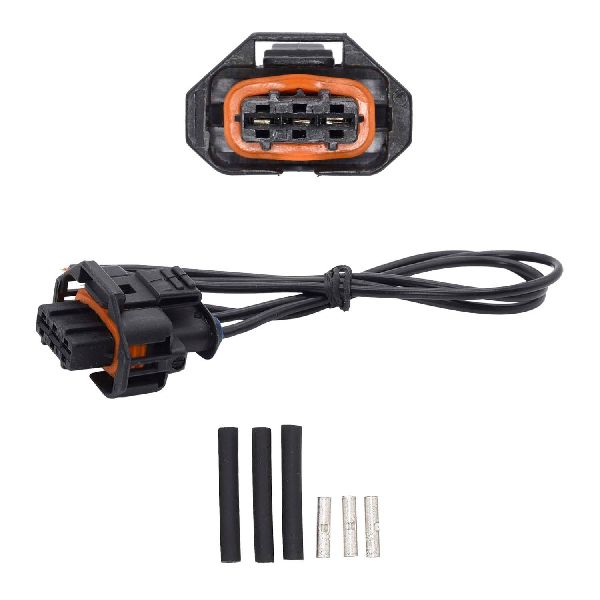
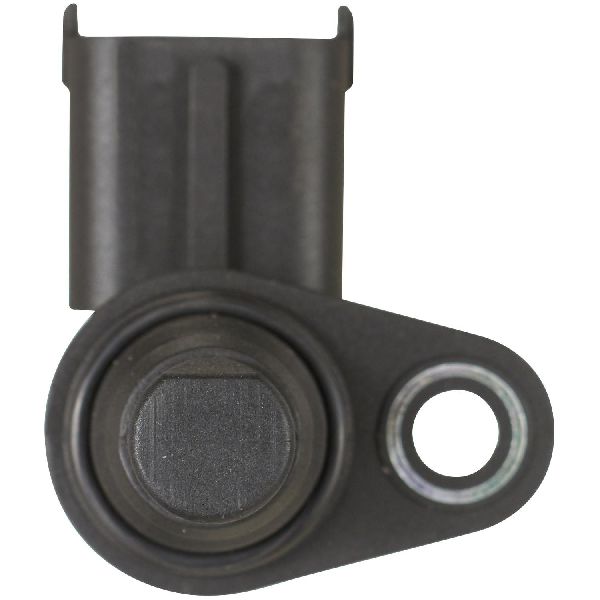
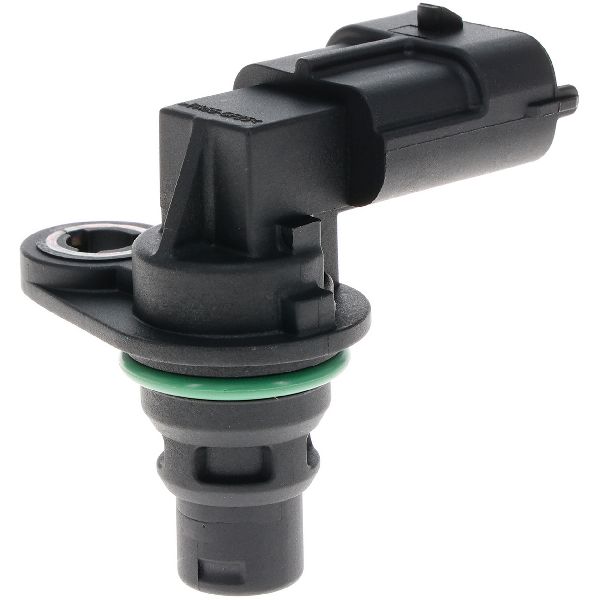
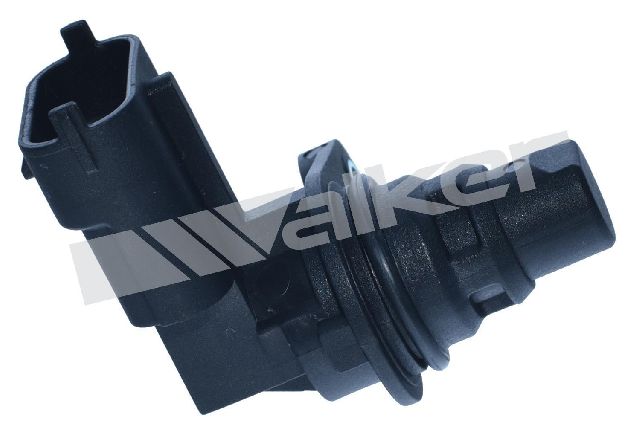
- Faulty Camshaft Position Sensor: → Shop Engine Camshaft Position Sensor While possible, a bad sensor itself is more likely to throw a specific sensor circuit code (e.g., P0340-P0344). However, in rare cases, a failing sensor could provide incorrect data that contributes to a P0025 code.
Diagnosis Steps
- Verify Engine Oil Level and Condition: This is the first and most important step. If the oil is low or dirty, perform an oil and filter change with the correct grade oil (5W-20 Synthetic Blend). Clear the code and drive to see if it returns.
- Scan for Other Codes: Check if any other codes are present that could point to a related issue, such as timing correlation codes (P0016/P0017).
- Inspect VCT Solenoid Wiring: Check the electrical connector and wiring going to the exhaust VCT solenoid for any signs of damage, corrosion, or loose connections.
- Test the VCT Solenoid: The most effective DIY test is to swap the exhaust VCT solenoid (rear of the engine) with the intake VCT solenoid (front). They are identical parts. 🎬 Watch: How to swap and test your VVT solenoids. Clear the codes and run the engine. If the trouble code changes to one related to the intake cam (e.g., P0011, P0012), the solenoid you moved is faulty and needs replacement.
- (Advanced) Command Solenoid On/Off: Per TSB SSM 50067, a scan tool can be used to command the solenoid to cycle 10 times to attempt to clear debris before replacement.
- Check Mechanical Timing: If the oil and solenoid are confirmed to be good, the next step is to investigate the base engine timing. This involves inspecting the timing belt and its components for wear or damage, which is a more advanced repair.
Parts You'll Likely Need
- Exhaust Variable Camshaft Timing (VCT) Solenoid
(OEM #BE8Z-6M280-A (Supersedes AE8Z-6M280-A))— This solenoid is the most common point of failure for this code, often sticking due to oil debris as identified in Ford TSBs. The intake and exhaust solenoids are identical.
Trusted brands: Motorcraft (OEM), Dorman, Delphi, TRQ
OEM price range: $70-$120
Aftermarket price range: $40-$80 - Engine Oil and Filter — Clean oil is essential for the VCT system to function. An oil change is a required first step and may resolve the issue on its own.
Trusted brands: Motorcraft (5W-20 Synthetic Blend), Mobil 1, Castrol
OEM price range: $40-$70
Aftermarket price range: $30-$60
Related Codes That Often Appear With This One
- P0014 — This code is for 'B' Camshaft Position - Timing Over-Advanced (Bank 1). On a Fiesta, this also refers to the exhaust camshaft and can appear if the VCT system is struggling to maintain correct timing, sometimes alternating with P0025.
- P0015 — This is the direct equivalent of P0025 but for Bank 1. Since the Fiesta only has Bank 1, this code may appear interchangeably or in conjunction with P0025 depending on the specific scanner and software version.
- P0016 / P0017 — These codes indicate a Crankshaft/Camshaft correlation error. If the timing belt has stretched or jumped a tooth, these codes will often appear alongside P0025, pointing towards a more serious base timing issue.
Technical Service Bulletins (TSBs) & Recalls
- SSM 50067: Notes that P0025 can be caused by debris causing the VCT solenoid to stick and suggests a diagnostic step to cycle the solenoid before replacement.
- SSM 54366: Mentions updated diagnostic procedures for a group of codes including P0025.
Platform-Specific Known Issues
- Ford Technical Service Bulletin #SSM 50067 specifically notes that various VCT-related DTCs, including P0025, may be caused by 'small debris causing the VCT solenoid to stick'. It advises using a scan tool to cycle the affected VCT solenoid 10 times to attempt to clear debris before component replacement.
- Ford Technical Service Bulletin #SSM 54366 mentions that the diagnostic procedure (Pinpoint Test HK) for this family of codes has been updated in the official workshop manual, indicating it's a well-documented issue.
Mechanic-Grade Diagnostic Values
- VCT Solenoid Internal Resistance — expected: 7.0 to 12.0 Ohms. A measurement on a Fiesta was 7.8 Ohms.. Failure: A reading outside of the specified range (open circuit or short) indicates a faulty solenoid coil.
- Engine Oil Pressure (for VCT diagnosis) — expected: Minimum 15 PSI at idle with the engine at normal operating temperature.. Failure: Pressure below 15 PSI at idle can cause the VCT system to malfunction and set timing codes.
- Scan Tool PID: VCT Advanced Error (VCT_ADV_ERR) — expected: Should hover around 0° during closed-loop operation.. Failure: A deviation greater than plus or minus 5° for an extended period indicates a timing correlation problem.
- Camshaft Position Sensor (CMP) Internal Resistance — expected: ~450 - 485 Ohms.. Failure: A significantly higher or lower resistance reading suggests a failing internal coil.
- VCT Solenoid Connector Voltage (Key On, Engine Off) — expected: Approximately 12V (Battery Voltage) at Pin 1 (Blue/Green wire).. Failure: No voltage indicates a problem with the power supply circuit, likely a blown fuse (F16) or wiring issue.
Scan Tool Commands That Help
- Ford IDS / FORScan / Professional Scan Tool: VCT Solenoid On/Off Command or Duty Cycle Control — As per TSB SSM 50067, cycling the solenoid multiple times (e.g., 10 times) can dislodge small debris that may be causing it to stick. This should be attempted before replacing the solenoid.
- Ford IDS / Professional Scan Tool: Monitor PID: VCT_ADV_ERR (VCT Advance Error) — To diagnose intermittent issues or confirm a timing deviation. While driving, a technician can monitor this PID to see if the error value exceeds +/- 5 degrees when the symptom occurs, confirming a VCT system fault.
Wiring & Ground Locations
- VCT Solenoid Connector — On the VCT solenoid itself, located on the valve cover (exhaust solenoid is at the rear of the engine).. Provides power and control signals. Pin 1 (Blue/Green wire) is power from fuse F16, and Pin 2 is the ground-side control from the PCM. Testing voltage here is a primary electrical diagnostic step.
- G104 (Engine Ground) — Typically located on a stud on the transmission bell housing or a nearby engine block bolt.. A poor main engine ground can cause a variety of electrical issues and erratic sensor readings. While not a direct cause, ensuring all engine grounds are clean and tight is a foundational step in any electrical diagnosis.
Real Owner Repair Stories
- Fiesta Faction Forums (2014 Ford Fiesta) — Check Engine Light with codes P0014 and P0025.
❌ Tried (didn't work) Initial diagnosis pointed towards VCT solenoids.
✅ What actually fixed it The owner replaced both the intake and exhaust VCT solenoids, which resolved both trouble codes. The repair was noted as being simple and taking less than 30 minutes.
OEM Part Supersession History
AE8Z-6M280-A→BE8Z-6M280-A— Likely an internal design or material revision for improved durability and resistance to sticking from oil debris.
Heads up: None found. BE8Z-6M280-A is a direct, backward-compatible replacement for AE8Z-6M280-A.
Helpful Videos
We Have This Part in Stock


The information in this article is provided for general reference and educational purposes only. Vehicle specifications, procedures, and part compatibility can vary by production date, trim level, and region. Always consult your vehicle's factory service manual and verify part numbers before purchasing or performing repairs. Safety-critical components such as airbags, seat belts, and braking systems should be installed by a qualified professional.
- Ford FIESTA:
- 🧭 Diagnostic Flowchart
- 🎬 Helpful Videos
- 🛍️ Shop This Part
- What's Unique About the 2015-2019 Ford FIESTA
- Symptoms You May Notice
- Most Likely Causes
- Rare But Worth Checking
- Diagnosis Steps
- Parts You'll Likely Need
- Related Codes That Often Appear With This One
- Technical Service Bulletins (TSBs) & Recalls
- Platform-Specific Known Issues
- Mechanic-Grade Diagnostic Values
- Scan Tool Commands That Help
- Wiring & Ground Locations
- Real Owner Repair Stories
- OEM Part Supersession History
- 🎟️ Get 5% Off