

P0036 on 2003-2007 Saturn Ion: Causes and O2 Sensor Heater Fixes
This code almost always means the downstream (post-catalytic converter) oxygen sensor has failed. A new sensor costs between $30-$70 for an aftermarket part and is a simple DIY replacement. Before replacing, check the wiring for damage and the 'EMISS' fuse in the underhood fuse box.
- P0036 on a Saturn Ion points to a problem with the heater in the downstream O2 sensor, located after the catalytic converter.
- The most probable cause is a failed O2 sensor, which is a common wear-and-tear item.
- Before buying parts, always perform a quick visual inspection of the sensor's wiring for melting or damage, and check the related fuse (fuse #10, 'EMISS', in the underhood fuse box).
- Replacing the downstream O2 sensor is a beginner-friendly DIY job that requires an O2 sensor socket (usually 22mm or 7/8") and can be done in under an hour.
- Ensure you are replacing the correct sensor; this code is for the *downstream* (post-cat) sensor, not the upstream one.
What's Unique About the 2003-2007 Saturn Ion
The Saturn Ion uses the common GM Ecotec engine family and is built on the GM Delta platform, sharing its basic architecture with the Chevrolet Cobalt and Pontiac G5. This fault is typical for all these vehicles. There are no unique design flaws on the Ion that cause this code; rather, it's a standard failure for an aging emissions component. The most common cause is simply the O2 sensor's internal heater element burning out after years of heat cycles. The downstream sensor is located under the car, just after the catalytic converter, in a relatively easy-to-access location.
Symptoms You May Notice
- Check Engine Light is on
- Failing an emissions test
- Slightly reduced fuel economy 🎬 Watch: A quick overview of common causes and symptoms. (often not noticeable)
- Replacing the upstream (Bank 1, Sensor 1) oxygen sensor instead of the downstream (Bank 1, Sensor 2) sensor.
Most Likely Causes
- Failed Downstream Oxygen Sensor 🔴 High Probability → Shop Oxygen Sensor The internal heater element is a common failure point after many years and thousands of heat cycles. It's a wear-and-tear component.
How to confirm: Disconnect the sensor and use a multimeter to test the resistance between the two heater circuit pins (usually two wires of the same color, black or white). An open circuit (infinite resistance or 'OL') confirms the heater has failed. 🎬 See how to test the heater circuit using a multimeter. A good sensor typically has a resistance between 3 and 20 ohms. A specific GM spec is 3.3-4.1 ohms at 68°F.
Typical fix: Replace the Bank 1, Sensor 2 (downstream) oxygen sensor. Applying anti-seize lubricant to the new sensor's threads is recommended.
Est. part cost: $30 - $90 - Damaged Wiring or Connector 🟡 Medium Probability The wiring harness for the downstream O2 sensor runs under the vehicle and is exposed to heat from the exhaust, road debris, and moisture. Wires can melt on the exhaust pipe, or the connector pins can corrode or get pushed back into the connector housing.
How to confirm: Visually inspect the wiring harness from the sensor to where it enters the cabin. Look for any signs of melting, chafing, corrosion, or broken wires. Unplug the connector and check for clean, straight pins. Ensure no pins have been pushed back into the plastic housing.
Typical fix: Repair the damaged section of the wiring harness or replace the connector pigtail.
Est. part cost: $10 - $30 - Blown Fuse ⚪ Low Probability A short circuit in the O2 sensor's heater element or its wiring can cause the associated fuse to blow as a protective measure.
How to confirm: Check the underhood fuse box for a blown fuse. On the Saturn Ion, this is fuse #10, labeled 'EMISS' (15A). This fuse powers multiple emissions components, so if it's blown, other codes may be present.
Typical fix: Replace the blown fuse. If it blows again immediately, a short circuit exists that must be found and repaired.
Est. part cost: $1 - $5
Rare But Worth Checking
- Faulty Engine Control Module (ECM): → Shop Engine Control Module (ECM) This is extremely rare. The ECM should only be considered after all other possibilities (sensor, wiring, fuses) have been thoroughly tested and ruled out.
Diagnosis Steps
- Read the code with an OBD-II scanner to confirm P0036 is the only code present.
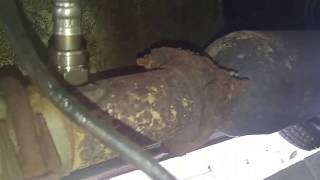
- Visually inspect the downstream O2 sensor's wiring harness and connector. The sensor is located under the car, screwed into the exhaust pipe after the catalytic converter. Look for any signs of melting, burning, chafing, or corrosion. Ensure the connector is securely plugged in.
- Check the underhood fuse box for a blown fuse #10 ('EMISS', 15A). Replace if necessary.
- If the wiring and fuse are okay, disconnect the O2 sensor. Use a multimeter to measure the resistance of the heater circuit on the sensor side (between the two wires of the same color). A reading of infinite resistance (open circuit) or zero resistance (short circuit) indicates a faulty sensor. A good heater circuit typically has a resistance between 3 and 20 ohms.
- With the key on and engine off, check for 12V power on the heater circuit supply wire in the vehicle-side harness connector. For a 2007 Ion, this should be the Pink/Black wire. If power is missing, there is a wiring issue between the fuse box and the sensor.
- Check the ground wire on the vehicle-side harness connector. For a 2007 Ion, this is the Tan/White wire. It should have good continuity to chassis ground.
- If all other steps check out, the issue may be a fault in the ECM's driver circuit, but this is highly unlikely.
Parts You'll Likely Need
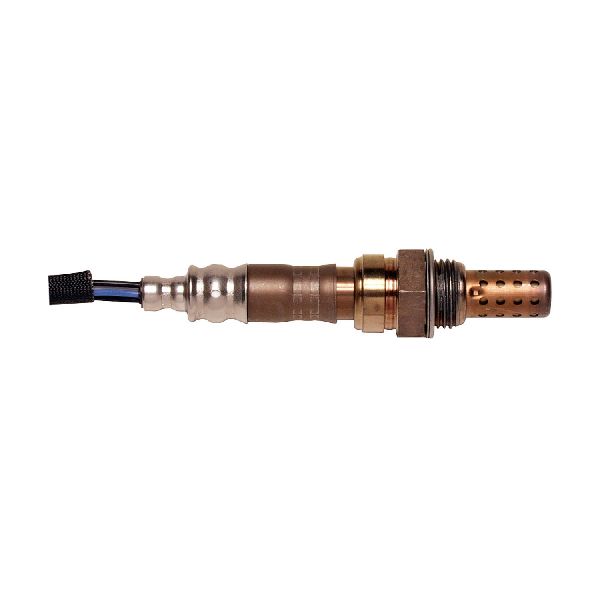
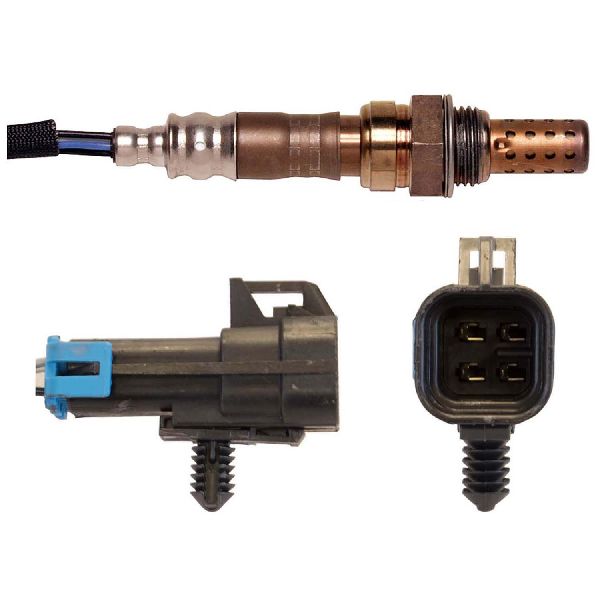
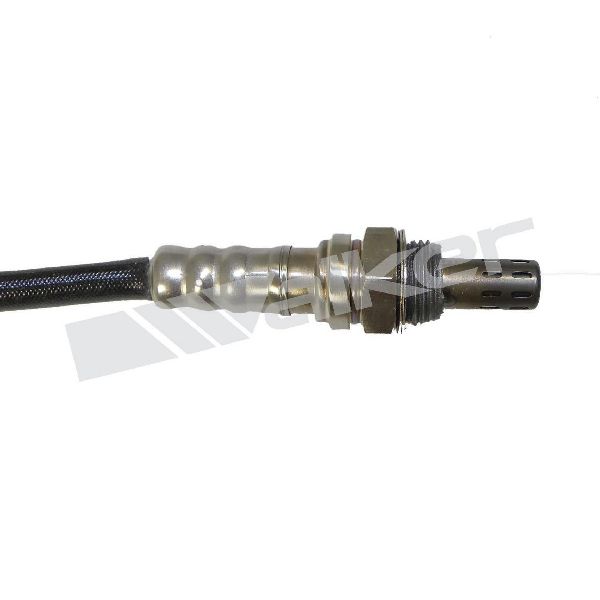
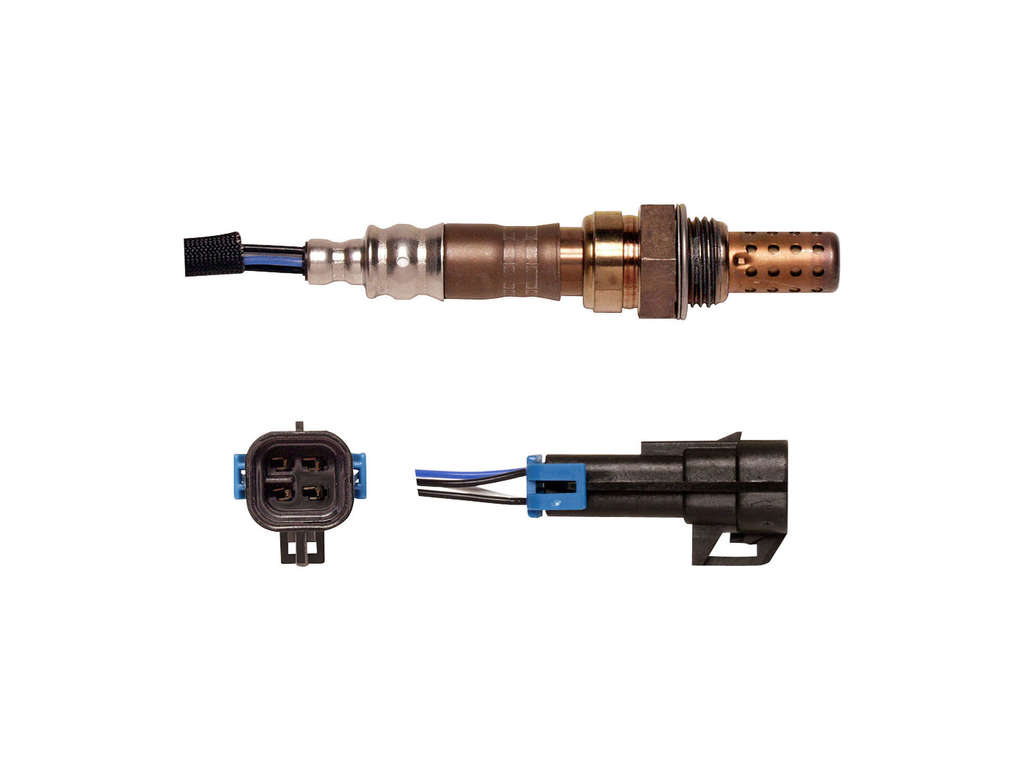
- Downstream Oxygen Sensor (Bank 1, Sensor 2)
(OEM #12578576)— The internal heater element is the most common failure point that triggers code P0036.
Trusted brands: ACDelco (OEM), Denso (e.g., 234-4651), Bosch, NTK
OEM price range: $70-$120
Aftermarket price range: $30-$70
Platform-Specific Known Issues
- Easy Access Location: Unlike some vehicles where the downstream O2 sensor is difficult to reach, on the Saturn Ion it is located in a relatively open area under the car, just past the catalytic converter. This makes DIY replacement more feasible. 🎬 Watch: This step-by-step walkthrough shows how to replace the sensor.
Mechanic-Grade Diagnostic Values
- Downstream O2 Sensor Heater Resistance — expected: 3.3 - 4.1 Ω at 20°C (68°F). Failure: An open circuit ('OL' on multimeter) or a direct short (~0 Ω) indicates a failed heater element.
- Heater Circuit Power Supply Voltage — expected: Battery Voltage (~12V) with Key On, Engine Off. Failure: 0V indicates a blown fuse or an open in the power wire (Pink/Black).
- Heater Circuit Ground — expected: Near 0 Ω resistance to chassis ground. Failure: High resistance indicates a poor ground connection, which can cause the code.
Wiring & Ground Locations
- Fuse #10 (EMISS) — Underhood fuse block, located at the left rear side of the engine compartment.. This 15A fuse provides the 12V power to the O2 sensor heater circuit. If it's blown, the heater will not have power.
- HO2S B1S2 Connector (Harness Side) — Under the vehicle, where the downstream O2 sensor plugs into the main vehicle harness.. For a 2007 Ion, the Pink/Black wire is the 12V power feed, and the Tan/White wire is the ground. The other two wires (Purple/White, Black/White) are for the sensor signal. Knowing these colors is critical for testing the correct circuit.
- G105 — On the lower left rear of the engine, above the starter.. This is a primary engine ground point. While not exclusively for the O2 sensor, a loose or corroded connection here can cause a variety of sensor and actuator issues, including heater circuit faults.
Real Owner Repair Stories
- Saturn Forum user 'lrbraner' (Saturn L-Series (similar GM wiring)) — Persistent O2 sensor heater circuit fault code even after replacing the sensor.
❌ Tried (didn't work) Replacing the oxygen sensor
✅ What actually fixed it The heater circuit pin had pushed back inside the harness-side connector, preventing it from making contact with the new sensor. The user ended up bypassing the connector by direct-wiring the sensor to solve the problem permanently.
OEM Part Supersession History
12565680, 12568221, 12578573→12578576— Standard part consolidation and revision by GM over time.
Heads up: The current part, 12578576, is the correct replacement for all previous numbers for this application.
Model Year Variations Within This Range
- 2003-2004: Used a 5-speed automatic or a CVT (coupe only) as automatic options. Instrument panel was mounted in the center of the dashboard.
- 2005-2007: Received a mid-cycle refresh. A conventional 4-speed automatic (4T45-E) became the only automatic option. Steering, suspension, and interior materials were revised. These changes do not significantly affect the diagnosis of P0036.
- 2007: The 2.2L and 2.4L engines received a slight power and torque increase due to ECU tuning.
Diagnostic Flowchart
Other Known Issues on This Vehicle
Issues unrelated to this code that are worth knowing about as an owner of this generation:
- Electric Power Steering (EPS) Failure 🔴 High — Very common across all model years. Can result in a sudden loss of power assist, making steering very difficult at low speeds. (Ref: GM Safety Recall 14115 / NHTSA 14V153000. GM also offered extended warranties for this part.)
- Timing Chain Tensioner and Guide Failure (2.2L L61) 🔴 High — A known weak point, especially on earlier 2003-2004 models, but can occur on any high-mileage L61. A rattling noise on startup is a key symptom. Failure is catastrophic as it is an interference engine. (Ref: TSB #03-06-01-017 was issued to address an inadequate oiler nozzle design, but no full recall was issued.)
- Ignition Switch Failure 🔴 High — Part of a massive GM recall. The switch can move out of the 'Run' position while driving, shutting off the engine and disabling airbags. (Ref: GM Safety Recall 14299 / NHTSA 14V047000.)
- Cracked Fuel Pump Module Nipple 🟠 Medium — Common in warmer climates. The plastic supply or return port on the fuel pump assembly can crack, causing a fuel leak and strong fuel odor. (Ref: GM Special Coverage 09275C / TSB 09-06-04-033.)
- Corroding Fuel Filter (2003-2004) 🟠 Medium — Affects early models where the external fuel filter body can corrode, leading to a fuel leak. (Ref: GM Safety Recall 03068 / NHTSA 04V003000.)
Used vs. New Parts: Buying Guide for This Vehicle
When a used part is the smart pick: For this repair, a used part is almost never a good idea. The primary cause of P0036 is the O2 sensor's heater burning out, which is a wear-and-tear failure. A used sensor has unknown life remaining and may fail quickly. A used wiring harness pigtail from a junkyard could be a cost-effective repair if only the connector is damaged.
Donor-vehicle mileage cap: roughly under 50000 miles for the part to have meaningful remaining life.
What to inspect on the donor part:
- When sourcing a connector pigtail, inspect the donor vehicle for signs of front-end damage; rear-ended cars are better donors for under-car parts.
- Check the plastic connector for brittleness, cracks, or broken locking tabs.
- Ensure the wires on the pigtail have plenty of length for splicing and show no signs of melting or corrosion.
Aftermarket brands forum-validated for this vehicle:
- Denso
- NTK (NGK)
- Bosch
Brands owners have reported issues with on this vehicle:
- Generic, unbranded sensors from online marketplaces should be avoided, as they are frequently cited in forums for causing immediate or premature failures.
Real Owner Stories
Aggregated from forums and TSBs cited above. Mileages and costs reflect what owners reported in those sources.
2005-2007 Chevrolet Cobalt / Saturn Ion
Symptoms: Check Engine Light on; the fault primarily affected emissions monitoring but did not cause immediate drivability issues.
What fixed it: Cleaning a corroded connector resolved the P0036 code for one user, while others found the internal heater element of the downstream oxygen sensor had burned out and required sensor replacement.
Source hint: Go-Parts owner report
2004 Saturn Ion
Symptoms: Check Engine Light present; visual inspection of the downstream sensor location past the catalytic converter.
What fixed it: Replacement of the downstream O2 sensor using a pipe wrench to remove the old unit and routing the new wire to the harness connector located under the engine.
Source hint: youtube.com repair video
2008 Chevy Cobalt SS
Symptoms: P0036 code triggered; visual inspection revealed physical damage to the sensor wiring.
What fixed it: The wires on the O2 sensor itself had melted together, causing a short; the issue was identified through visual inspection of the harness.
Source hint: youtube.com diagnostic video
Related OBD-II Codes
Frequently Asked Questions
Which fuse should I check for a P0036 code on my Saturn Ion?
Where is the Bank 1, Sensor 2 oxygen sensor located on the Ion for a DIY repair?
What are the specific resistance specs for a new O2 sensor on a GM vehicle like the Ion?
If I have a 2007 Ion, which wires should I test for power and ground at the sensor connector?
Can I use a standard wrench to remove the sensor if I don't have a specialized O2 sensor socket?
Are there any major recalls for the 2003-2007 Saturn Ion I should be aware of while fixing this?
Helpful Videos
We Have This Part in Stock


The information in this article is provided for general reference and educational purposes only. Vehicle specifications, procedures, and part compatibility can vary by production date, trim level, and region. Always consult your vehicle's factory service manual and verify part numbers before purchasing or performing repairs. Safety-critical components such as airbags, seat belts, and braking systems should be installed by a qualified professional.
- Saturn Ion:
- 🧭 Diagnostic Flowchart
- 🎬 Helpful Videos
- 🛍️ Shop This Part
- What's Unique About the 2003-2007 Saturn Ion
- Symptoms You May Notice
- Most Likely Causes
- Rare But Worth Checking
- Diagnosis Steps
- Parts You'll Likely Need
- Platform-Specific Known Issues
- Mechanic-Grade Diagnostic Values
- Wiring & Ground Locations
- Real Owner Repair Stories
- OEM Part Supersession History
- Model Year Variations Within This Range
- Other Known Issues on This Vehicle
- Used vs. New Parts: Buying Guide for This Vehicle
- Real Owner Stories
- 2005-2007 Chevrolet Cobalt / Saturn Ion
- 2004 Saturn Ion
- 2008 Chevy Cobalt SS
- Related OBD-II Codes
- Frequently Asked Questions
- 🎟️ Get 5% Off