

P0037 on 2005-2010 Scion tC: Heater Circuit Fixes for Bank 1 Sensor 2
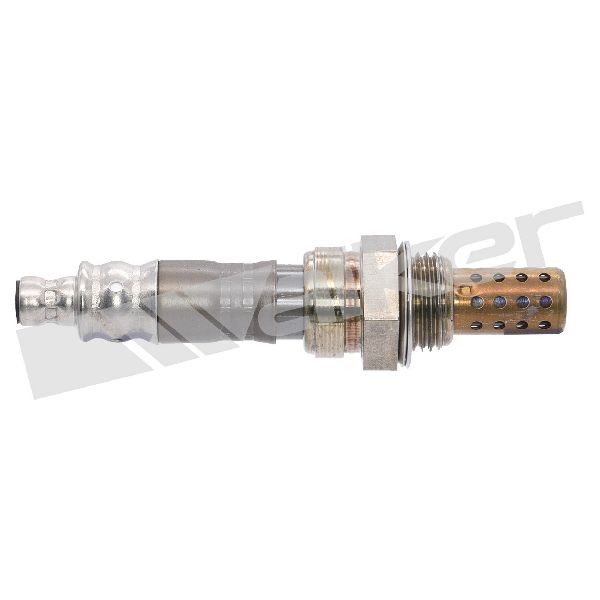
On a 2005-2010 Scion tC, code P0037 almost always means the downstream oxygen sensor (the one after the catalytic converter) has failed. The most likely fix is replacing this sensor. Expect to pay $50-$80 for a quality aftermarket part (like Denso) or $120-$170 for an OEM sensor. It's a straightforward DIY job (2/5 difficulty), but the sensor can be seized in the exhaust pipe.
- P0037 on your Scion tC points directly to the heater circuit for the rear (downstream) oxygen sensor.
- The most probable cause is a failed O2 sensor. Don't replace anything else until you've tested it.
- Before buying a new sensor, take 5 minutes to check the 20A 'A/F HEATER' fuse in the engine bay fuse box.
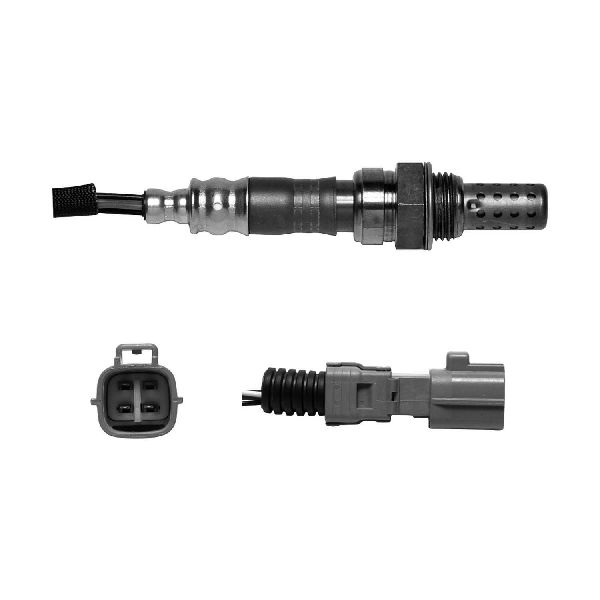
- When replacing the sensor, use a quality brand like Denso (part # 234-4209 is the direct-fit downstream sensor) to avoid doing the job twice.
- This is a DIY-friendly repair, but be prepared for a seized sensor. Use plenty of penetrating oil and the correct O2 sensor socket.
What's Unique About the 2005-2010 Scion tC
The 2.4L 2AZ-FE engine in the first-generation Scion tC is a simple inline-four, so it only has one exhaust bank (Bank 1), which simplifies diagnosis. The P0037 code is very common on these and other Toyota/Scion models of this era, and the cause is overwhelmingly a worn-out heater element in the original downstream O2 sensor. While wiring issues are possible, the sensor itself is the primary point of failure after many years and heat cycles. Owners report that using a quality replacement brand like Denso (often the original equipment manufacturer) is crucial to prevent the code from returning. A common challenge during repair is the sensor seizing in the exhaust bung, often requiring penetrating oil, heat, and a specialized O2 sensor socket for removal.
Symptoms You May Notice
- Check Engine Light is on
- Failing an emissions test
- Slight decrease in fuel economy (often not noticeable)
- Rough idling or hesitation, particularly on cold starts
- Replacing the upstream (Bank 1, Sensor 1) oxygen sensor. This code is specific to the downstream (Sensor 2) heater circuit.
- Replacing the sensor without checking the 'A/F HEATER' fuse first.
Most Likely Causes
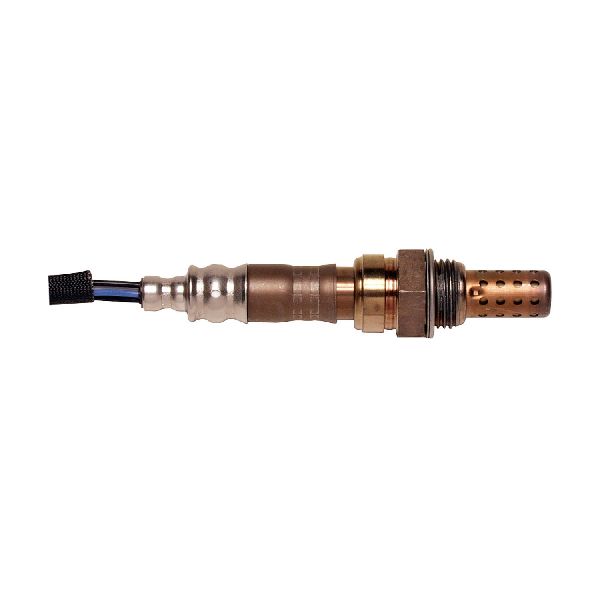
- Failed Downstream Oxygen Sensor 🔴 High Probability → Shop Oxygen Sensor The internal heater element of the O2 sensor is a common wear item that fails after many years and thousands of heat cycles. It's the most likely cause on a vehicle of this age.
How to confirm: With the engine off, disconnect the sensor and use a multimeter to test the resistance between the two heater pins (usually the two same-colored wires, often black on Denso sensors). An open circuit (infinite resistance) or a reading far outside the typical 1.8-3.4 ohm range (at 68°F/20°C) for this engine family indicates a failed heater.
Typical fix: Replace the Bank 1, Sensor 2 (downstream) oxygen sensor. Applying penetrating oil (like PB Blaster) to the threads and letting it soak before attempting removal is highly recommended to prevent stripping the sensor or damaging the exhaust pipe.
Est. part cost: $50 - $170 - Blown A/F Heater Fuse 🟡 Medium Probability A short in the sensor or its wiring can cause the fuse to blow as a protective measure.
How to confirm: Locate the main fuse box in the engine compartment. Find the 20A fuse labeled 'A/F HEATER' and visually inspect it or test for continuity with a multimeter. This fuse protects the heater circuits for both the upstream and downstream sensors.
Typical fix: Replace the blown fuse. If it blows again immediately, you have a short circuit in the wiring or one of the oxygen sensors that must be found and repaired.
Est. part cost: $1 - $5 - Damaged Wiring or Connector ⚪ Low Probability The wiring harness for the downstream sensor runs under the car and is exposed to road debris, water, and exhaust heat, which can cause it to become brittle, frayed, or shorted to the chassis over time. Damage is also common after installing aftermarket exhaust components like headers.
How to confirm: Visually inspect the entire length of the wiring from the O2 sensor to where it enters the cabin. Look for melted insulation, chafing, corrosion in the connector pins, or breaks. A continuity test with a multimeter from the connector to the ECM can also identify a broken wire.
Typical fix: Repair the damaged section of the wire or replace the connector pigtail. Ensure the repair is properly insulated and secured away from the hot exhaust.
Est. part cost: $10 - $30
Rare But Worth Checking
- Faulty Engine Control Module (ECM): → Shop Engine Control Module (ECM) This is extremely rare. The ECM's internal driver for the heater circuit can fail. This should only be considered after all other possibilities (sensor, fuse, wiring) have been definitively ruled out by a professional.
Diagnosis Steps
- Read the code with an OBD-II scanner to confirm P0037 is present.
- Check the 20A 'A/F HEATER' fuse in the engine bay fuse box. If it's blown, replace it and see if the code returns. If it blows again, suspect a short circuit in the sensor or wiring.
- If the fuse is good, safely raise the vehicle and secure it on jack stands.
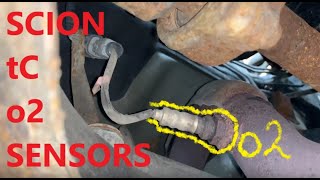
- Locate the downstream O2 sensor (Bank 1, Sensor 2) on the exhaust pipe, after the catalytic converter. The connector is typically located inside the vehicle, under the center console or carpet, requiring interior trim removal to access. 🎬 Watch this step-by-step walkthrough of the downstream sensor replacement.
- Visually inspect the sensor's wiring harness and connector for any signs of melting, chafing, or corrosion.
- Disconnect the sensor. With the key in the 'ON' position (engine off), use a multimeter to check for ~12V power at the heater circuit pin in the vehicle-side connector.
- On the sensor itself, measure the resistance across the two heater pins (typically the two wires of the same color). A healthy sensor for a 2AZ-FE engine should read a low resistance, specifically between 1.8 and 3.4 ohms at 68°F (20°C). An open circuit (infinite resistance) confirms the sensor's heater is broken and the sensor needs replacement.
- If the sensor is confirmed bad, apply penetrating oil to the threads where it screws into the exhaust pipe and let it soak before attempting removal with a 22mm or 7/8" O2 sensor socket.
- If wiring, fuse, and sensor resistance all test good, the issue may be intermittent or, in very rare cases, a problem with the ECM.
Parts You'll Likely Need
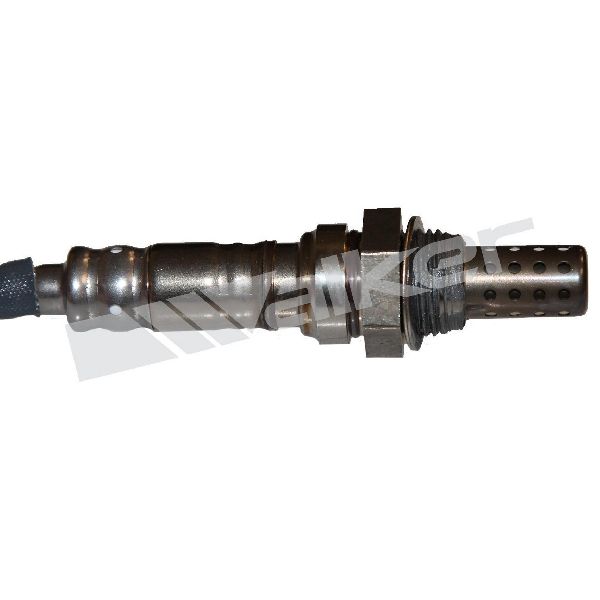
- Downstream Oxygen Sensor (Bank 1, Sensor 2)
(OEM #89465-21060, 89465-21070)— This is the most common cause of P0037, as the internal heater element fails over time. It is the complete and direct fix in most cases. Part number 89465-21060 may be superseded by 89465-21070.
Trusted brands: Denso (OEM supplier, Part #234-4209 is a commonly cited direct fit), NGK/NTK, Bosch
OEM price range: $120-$170
Aftermarket price range: $50-$110 - 20A A/F Heater Fuse — Should always be checked before replacing the sensor, as a short circuit can blow this fuse, causing the code.
Trusted brands: Generic Mini Fuse
OEM price range: $1-$5
Aftermarket price range: $1-$5 - Oxygen Sensor Socket Set — A specialized socket with a cutout for the wire is often necessary for removing and installing the sensor, especially if it is seized or in a tight location.
Trusted brands: Lisle, OEMTOOLS, GearWrench
Aftermarket price range: $15-$40
Platform-Specific Known Issues
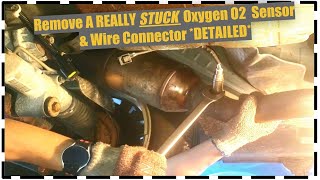
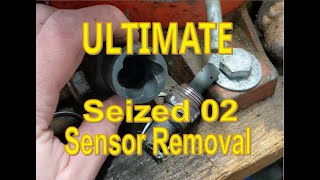
- Seized O2 Sensor: → Shop Oxygen Sensor Due to age and constant exposure to extreme heat cycles, the downstream O2 sensor frequently seizes in the exhaust pipe's bung. Owners report needing to use significant amounts of penetrating oil (soaking overnight is recommended), a torch to heat the bung, and a high-quality, six-point O2 sensor socket with a long breaker bar to remove it. In some cases, the sensor is so stuck that it gets destroyed during removal. 🎬 See this expert method for removing a severely seized sensor.
- Interior Connector Location: On the first-generation Scion tC, the electrical connector for the downstream O2 sensor is not under the vehicle. The harness passes through a grommet in the floor pan, and the connector is located inside the cabin, under the center console area, requiring removal of some interior trim panels to access.
Mechanic-Grade Diagnostic Values
- Downstream O2 Sensor (B1S2) Heater Resistance — expected: 11 - 16 Ohms at 68°F (20°C) is a common Toyota specification. Some sources cite a broader 4-10 Ohm range. A reading of infinite resistance (open circuit) confirms failure.. Failure: A reading of OL (Open Loop/infinite resistance) on a multimeter, or a value significantly outside the specified range.
- ECM Heater Circuit Current Threshold (P0037 Trigger) — expected: Current draw should be above 0.3 Amps when the heater is commanded on by the ECM.. Failure: The ECM will set code P0037 if the measured current is less than 0.3 Amps.
- Voltage at O2 Sensor Connector (Heater Power Pin) — expected: Approximately 12V (battery voltage) with Key On, Engine Off.. Failure: Significantly less than 12V or 0V indicates a problem with the A/F Heater fuse, relay, or wiring harness.
Scan Tool Commands That Help
- Toyota Techstream: Active Test -> Control the Injection Volume for A/F Sensor — While not a direct test of the heater, a technician can use Techstream to artificially alter the fuel mixture (e.g., +12.5% to -12.5%) and observe the reaction of both the upstream A/F sensor and the downstream O2 sensor. A lazy or non-responsive Sensor 2, even after warm-up, can support the diagnosis of a failed sensor.
- Toyota Techstream: Data List -> O2S B1S2 — To monitor the live voltage output of the downstream sensor. After the engine is warm, a healthy downstream sensor should show a relatively stable voltage, while the upstream sensor fluctuates rapidly. If the downstream sensor voltage is stuck or erratic after the heater should have warmed it up, it points to a sensor failure.
Wiring & Ground Locations
- Engine Ground — On the 2AZ-FE, a critical ground point is located on the left side of the cylinder head.. While not directly for the O2 sensor, a poor engine block ground can cause a host of floating voltages and erratic sensor readings across the engine management system. Some owners have reported that improving the main engine ground resolved mysterious electrical issues.
- A/F HEATER Fuse — In the main fuse box in the engine compartment. On a 2007 tC, this is typically a 20A fuse labeled 'EFI' which powers the MFI/SFI system, including the O2 sensor heaters.. This fuse provides the 12V power to the heater element. If it's blown, the heater will not operate, immediately triggering P0037. It is a primary check before condemning the sensor.
Real Owner Repair Stories
- Reddit user in r/SciontC (Scion tC (year not specified, but first generation)) — No-start condition, multiple electrical issues.
❌ Tried (didn't work) Replacing multiple components with no success.
✅ What actually fixed it The user discovered the vehicle had a very poor ground system. Adding a supplementary 4-gauge ground wire directly from the negative battery terminal to the engine block (specifically a starter bolt) resolved the persistent, hard-to-diagnose electrical problems.
OEM Part Supersession History
89465-21060→89465-21070— Standard part number update/revision by Toyota.
Heads up: The newer part number 89465-21070 is the correct and current replacement for all 2005-2010 Scion tC models.
Model Year Variations Within This Range
- 2005-2006 vs 2007-2010: The 2AZ-FE engine had known issues with excessive oil consumption due to piston ring design, primarily in earlier models (pre-2007). While this doesn't directly cause P0037, excessive oil burning can contaminate and shorten the life of oxygen sensors and catalytic converters.
Diagnostic Flowchart
Used vs. New Parts: Buying Guide for This Vehicle
When a used part is the smart pick: For this repair, a used part is almost never a good choice. The oxygen sensor is a wear-and-tear component with a finite lifespan. A used sensor from a junkyard has unknown remaining life and may fail shortly after installation. A used wiring connector pigtail could be a viable option if only the connector is damaged.
Donor-vehicle mileage cap: roughly under 30000 miles for the part to have meaningful remaining life.
What to inspect on the donor part:
- For a connector pigtail: check for brittle plastic, corrosion on pins, or any signs of melting.
- Avoid any sensor that shows heavy carbon fouling, white deposits (from coolant/oil burn), or physical damage to the sensor tip or wiring.
OEM-only on this vehicle (don't cheap out):
- Oxygen Sensor
Aftermarket brands forum-validated for this vehicle:
- Denso (OEM supplier)
- NGK/NTK
Brands owners have reported issues with on this vehicle:
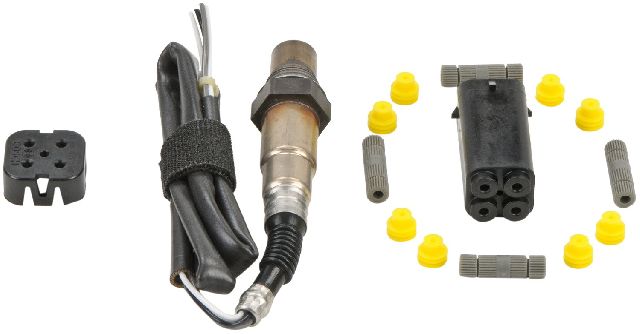
- Universal sensors that require splicing wires. While the Denso 234-4209 is technically a 'universal' type, it is a high-quality part. However, many cheaper 'universal' sensors from unknown brands are poorly calibrated and fail quickly. It is critical to use the direct-fit connector version whenever possible to avoid wiring errors.
Real Owner Stories
Aggregated from forums and TSBs cited above. Mileages and costs reflect what owners reported in those sources.
Scion tC
Symptoms: Check Engine Light was on. Initially had code P0606 and other rear O2 sensor codes for high and low voltage. After clearing the codes, P0037 appeared. The car continued to drive perfectly.
What fixed it: Owner ordered a replacement Denso downstream O2 sensor to fix the issue.
Source hint: Reddit r/SciontC
2006 Scion tC 2.4L 2AZ-FE
Symptoms: Check Engine Light was on with code P0037.
What fixed it: Resolved the code by replacing the downstream sensor with a Denso part.
Source hint: YourScionTC.com forums thread titled 'p0037 cel code'
Scion tC
Symptoms: Check Engine Light on with both P0037 (Heater Circuit Low) and P0138 (Circuit High Voltage) codes present.
What fixed it: Replacing the downstream O2 sensor fixed both codes.
Source hint: ClubScionTC.com thread titled 'P0037 and P0138 O2 Sensor Codes'
Scion tC 1G
Symptoms: Check Engine Light on with code P0037.
What fixed it: Multiple owners confirmed that replacing the downstream (post-catalytic converter) oxygen sensor resolved the code.
Source hint: ScionLife.com thread titled 'p0037 help'
Related OBD-II Codes
Frequently Asked Questions
Where is the electrical connector for the downstream O2 sensor on my 2005-2010 Scion tC?
I'm trying to replace the downstream O2 sensor on my tC and it's completely stuck. Is this normal?
Which fuse should I check first for a P0037 code on my Scion tC?
What brand of replacement O2 sensor is recommended for the 2.4L Scion tC?
What is the correct resistance for the downstream O2 sensor's heater on my 2AZ-FE engine?
Do other cars with the 2.4L 2AZ-FE engine, like the Toyota Camry, also have this P0037 problem?
Helpful Videos

We Have This Part in Stock


The information in this article is provided for general reference and educational purposes only. Vehicle specifications, procedures, and part compatibility can vary by production date, trim level, and region. Always consult your vehicle's factory service manual and verify part numbers before purchasing or performing repairs. Safety-critical components such as airbags, seat belts, and braking systems should be installed by a qualified professional.
- Scion tC:
- 🧭 Diagnostic Flowchart
- 🎬 Helpful Videos
- 🛍️ Shop This Part
- What's Unique About the 2005-2010 Scion tC
- Symptoms You May Notice
- Most Likely Causes
- Rare But Worth Checking
- Diagnosis Steps
- Parts You'll Likely Need
- Platform-Specific Known Issues
- Mechanic-Grade Diagnostic Values
- Scan Tool Commands That Help
- Wiring & Ground Locations
- Real Owner Repair Stories
- OEM Part Supersession History
- Model Year Variations Within This Range
- Used vs. New Parts: Buying Guide for This Vehicle
- Real Owner Stories
- Scion tC
- 2006 Scion tC 2.4L 2AZ-FE
- Scion tC
- Scion tC 1G
- Related OBD-II Codes
- Frequently Asked Questions
- 🎟️ Get 5% Off