

P0089 on 2009-2016 Audi A4 2.0L TFSI: Fuel Pressure Regulator Performance Causes and Fixes
On the 2009-2016 Audi A4 2.0L TFSI, code P0089 is most often caused by a failing High-Pressure Fuel Pump (HPFP) or a worn cam follower. Inspecting the cam follower is a critical first step, as ignoring it can lead to catastrophic engine damage. A new follower is about $50, while a new HPFP can cost $300-$500. Diagnosis with a VW/Audi-specific scan tool like VCDS is crucial to monitor requested vs. actual fuel pressure.
- For code P0089 on a 2.0L TFSI engine, the very first step should always be to inspect the HPFP cam follower. This is a cheap part that can prevent thousands in repairs.
- Do not replace any parts without diagnosis. Use a scan tool capable of reading live data to compare requested versus actual fuel pressure for both the high and low-pressure systems.
- A failing cam follower can quickly destroy the much more expensive High-Pressure Fuel Pump and even the camshaft itself.
- If replacing the HPFP, it is highly recommended to replace the cam follower at the same time, regardless of its apparent condition.
What's Unique About the 2009-2016 Audi A4
The 2.0L TFSI engine (EA888 Gen 2) in the B8/B8.5 generation A4 has a known weakness in its high-pressure fuel system. Unlike many port-injected cars, the mechanical High-Pressure Fuel Pump (HPFP) is driven by the camshaft via a small component called a cam follower. This follower is a known wear item, and its failure is a primary cause of P0089 on these specific vehicles. While the earlier EA113 engine in the B7 generation had more severe and frequent cam follower issues, it remains a critical inspection point for this generation before condemning the more expensive pump. A complete failure can destroy both the HPFP and the intake camshaft, leading to a multi-thousand-dollar repair.
Generation note: The 2009-2016 model years cover the Audi A4 B8 generation (2009-2012) and the B8.5 facelift (2013-2016). While both use the 2.0L TFSI engine, there can be minor variations in part numbers. However, the fundamental design of the high-pressure fuel system and the common causes for P0089 are consistent across this entire range. Notably, the earlier 2009-2011 models are more susceptible to oil consumption issues which can indirectly affect engine health.
Symptoms You May Notice
- Sudden loss of power, especially during acceleration or under boost
- Engine hesitation or stumbling
- Rough or unstable idle
- Engine stalling, sometimes at idle or red lights
- Difficulty starting the engine
- Reduced fuel economy
- Check Engine Light illuminated
- Noticeable fuel smell in the engine oil, indicating the HPFP is leaking into the crankcase
- Replacing the fuel pressure sensor when the actual problem is the HPFP or cam follower.
- Replacing the expensive HPFP without first inspecting the inexpensive cam follower.
Most Likely Causes
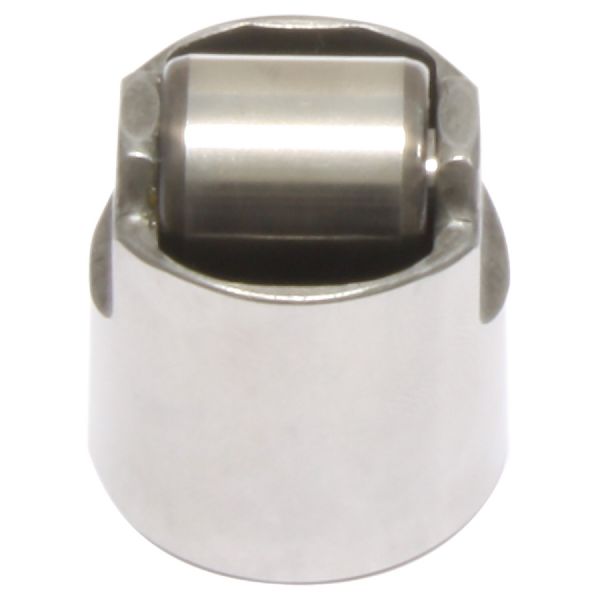
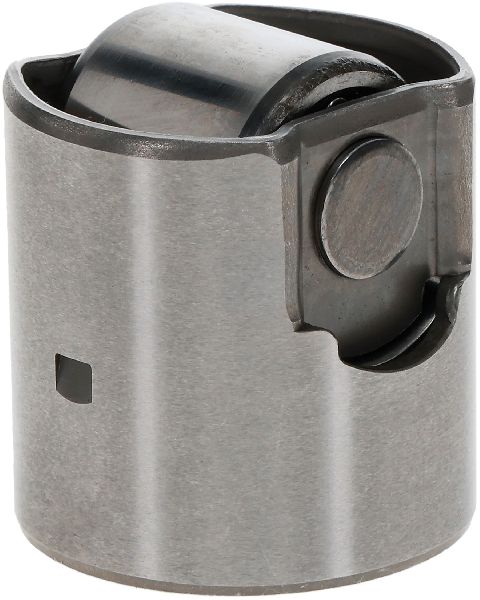
- Worn High-Pressure Fuel Pump (HPFP) Cam Follower 🔴 High Probability → Shop Engine Valve Tappet The cam follower is a known wear item on TFSI engines. It is a small metal cup that rides on a camshaft lobe to actuate the HPFP. Over time, its protective coating wears away, causing it to fail. While the issue was more severe on the previous generation (B7) engine, it is still a primary failure point on the B8/B8.5.
How to confirm: Remove the HPFP from the cylinder head and visually inspect the cam follower. Look for a hole worn through the center or significant scoring on its surface. This should be the first check. There are numerous DIY videos showing this process. 🎬 Watch this quick 5-minute HPFP replacement walkthrough
Typical fix: Replace the cam follower. This is a relatively simple and inexpensive job that can prevent catastrophic damage to the HPFP and camshaft.
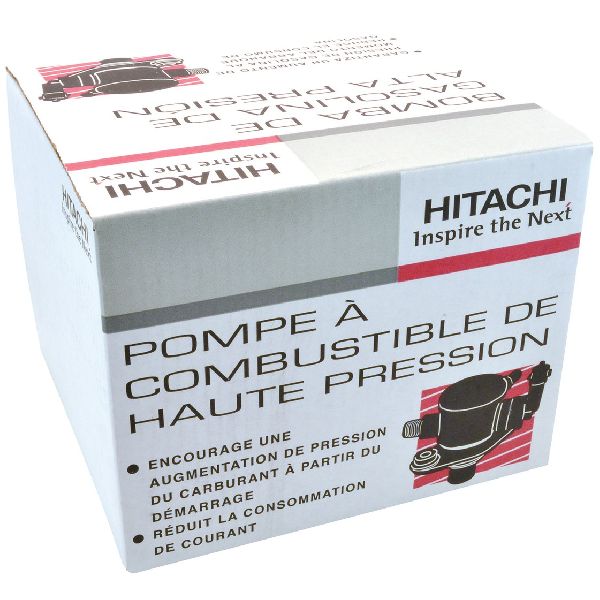
Est. part cost: $40-$60 - Failing High-Pressure Fuel Pump (HPFP) 🔴 High Probability → Shop Fuel Pump The HPFP is a mechanical pump that can fail internally, especially if the cam follower has worn through, which damages the pump's plunger. It's a common failure point leading to P0089. The original pumps are typically made by Hitachi or Bosch.
How to confirm: Use a diagnostic tool like VCDS or OBDeleven to log requested vs. actual high fuel pressure readings (Measuring Block 106 or Advanced Measuring Values). If the actual pressure cannot keep up with the requested pressure under load, and the cam follower is intact, the pump is likely failing.
Typical fix: Replace the High-Pressure Fuel Pump and the cam follower at the same time. It is highly recommended to replace the follower whenever the pump is removed.
Est. part cost: $300-$550 - Faulty Fuel Pressure Sensor (G247) 🟡 Medium Probability → Shop Fuel Pressure Sensor
How to confirm: Monitor the fuel pressure readings on a scan tool. If the readings are erratic, jump around implausibly, are stuck at a specific value, or don't change with engine load, the sensor may be at fault. One owner on Reddit reported a shop diagnosed this after seeing fluctuating readings that were 'all over the place'.
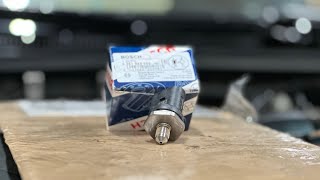
Typical fix: Replace the fuel pressure sensor located on the high-pressure fuel rail. 🎬 See how to replace the fuel rail pressure sensor
Est. part cost: $70-$150 - Weak Low-Pressure Fuel Pump (LPFP) ⚪ Low Probability → Shop Fuel Pump The in-tank LPFP supplies fuel to the HPFP. If it cannot provide sufficient volume and base pressure (target is 4.0 to 6.0 bar), the HPFP will be starved of fuel and cannot generate the required high pressure.
How to confirm: Use a diagnostic tool to monitor the low-pressure fuel system's requested vs. actual pressure and the pump's duty cycle (VCDS Measuring Block 106). A duty cycle consistently over 60-70% at idle suggests the pump is working too hard to maintain pressure and may be failing.
Typical fix: Replace the in-tank low-pressure fuel pump.
Est. part cost: $250-$400
Rare But Worth Checking
- Clogged Fuel Filter: → Shop Fuel Filter While less common to be the sole cause, a severely clogged fuel filter can restrict flow to the HPFP, contributing to low-pressure symptoms. It's often replaced as preventative maintenance during fuel pump diagnosis. One user on a Golf GTI forum (with a similar engine) replaced their filter as part of chasing a P0089 code. NHTSA ODI #11490502 notes an instance where an owner replaced the fuel pressure filter and regulator, yet the P0089 code persisted.
- Internal Fuel Line Deterioration: → Shop Fuel Line In one documented case, the rubber lining of a low-pressure fuel hose deteriorated internally, creating a flap that intermittently blocked fuel flow, causing a P0089 code that was difficult to diagnose.
- Worn Camshaft Lobe: → Shop Engine Camshaft If a worn cam follower is ignored for too long, it can destroy the lobe on the intake camshaft that drives the HPFP. This is a very expensive repair requiring camshaft replacement. NHTSA ODI #10605840 describes a case where the camshaft showed wear and required replacement to correct P0089 and P2293 codes.
Diagnosis Steps
- Connect a high-quality OBD-II scanner (like VCDS or OBDeleven) to read the fault codes and view live data.
- Using the scanner, monitor Measuring Block 106 (or Advanced Measuring Values) to log 'Fuel high pressure: specified value' and 'Fuel high pressure: actual value'. Compare the two at idle and during a test drive under load.
- Relieve fuel pressure and carefully remove the High-Pressure Fuel Pump (HPFP) from the cylinder head. Be prepared for some fuel spillage.
- Visually inspect the cam follower for any signs of wear, scoring, or a hole in the center. If any wear is present, replace it immediately. Also inspect the tip of the HPFP plunger for damage.
- If the cam follower is intact, reinstall the HPFP (with a new O-ring) and use the scan tool to monitor low-pressure fuel pump duty cycle (VCDS MVB 106). A duty cycle consistently above 60-70% at idle points towards a weak in-tank pump or clogged filter.
- If high pressure is erratic but low pressure is stable, suspect the high-pressure fuel sensor (G247).
- If the cam follower has failed, carefully inspect the lobe on the intake camshaft for scoring or damage before installing a new follower and pump.
- Inspect all fuel lines for visible leaks or damage.
Parts You'll Likely Need
- High-Pressure Fuel Pump Cam Follower
(OEM #06D109309C)— This is a critical and common wear item on the 2.0T TFSI engine. Its failure is a primary cause of P0089 and can lead to much more expensive damage.
Trusted brands: INA, Genuine VW/Audi
OEM price range: $50-$60
Aftermarket price range: $40-$50 - High-Pressure Fuel Pump (HPFP)
(OEM #06H127025Q (verify by VIN))— The pump itself can fail mechanically, often as a result of a failed cam follower. It is the second most common cause of P0089. This part number supersedes previous versions like 06H127025P, 06H127025N, and 06H127025M.
Trusted brands: Bosch, Hitachi, Genuine VW/Audi
OEM price range: $450-$550
Aftermarket price range: $300-$450 - Fuel Rail Pressure Sensor
(OEM #06J906051D (verify by VIN))— This sensor provides the pressure readings to the ECM. If it fails, it can send incorrect data, triggering the P0089 code even if the mechanical parts are working correctly.
Trusted brands: Bosch, Genuine VW/Audi
OEM price range: $120-$150
Aftermarket price range: $70-$100
Related Codes That Often Appear With This One
- P0087 — This code means 'Fuel Rail/System Pressure - Too Low.' It often appears with P0089 when the primary issue is a failure to build enough pressure, such as from a worn cam follower or failing HPFP.
- P2293 — This code for 'Fuel Pressure Regulator 2 Performance' is very similar to P0089 and points to the same set of problems within the high-pressure fuel system. Forum posts for similar VW/Audi engines often show these two codes appearing together. NHTSA ODI #10595445 notes that these codes together can indicate cam follower, camshaft, or HPFP issues.
- P310B — This code for 'Low Fuel Pressure Regulation: Fuel Pressure Outside Specification' is another common companion code that points to the low-pressure side of the system struggling to supply the HPFP.
Technical Service Bulletins (TSBs) & Recalls
- TSB 2027306/5: While for the related P0088 code on a Q5, this TSB is relevant as it details the diagnostic procedure for testing the G24
Mechanic-Grade Diagnostic Values
- Low-Pressure Fuel Pump Duty Cycle at Idle — expected: ~50%. Failure: A value consistently above 60-70% indicates the pump is struggling to supply the HPFP, pointing to a failing LPFP or a clogged filter.
- Low-Pressure Fuel System Pressure — expected: 4.0 to 6.0 bar (58 to 87 PSI). Failure: Pressure below 4.0 bar indicates a problem with the in-tank fuel pump or filter.
- High-Pressure Fuel Rail at Idle (Warm Engine) — expected: ~40-50 bar (580-725 PSI). Failure: Significantly lower pressure (e.g., 6-10 bar) or pressure that doesn't hold steady points to a failing HPFP or worn cam follower.
- High-Pressure Fuel Rail Under Load (WOT) — expected: Up to 110 bar (1595 PSI) or higher. Failure: If the 'Actual' pressure cannot meet the 'Specified' pressure under load, the HPFP is likely failing (assuming the low-pressure side is healthy).
- Fuel Pressure Sensor (G247) Signal Voltage (Key On, Engine Off) — expected: ~0.5V. Failure: A reading significantly higher than 0.5V (or showing high pressure when there is none) indicates a faulty sensor.
- Fuel Pressure Regulating Valve (N276 on HPFP) Resistance — expected: 1.0 to 5.0 Ω. Failure: A reading outside this range indicates a faulty solenoid on the HPFP.
- G247 Sensor Wiring Harness Resistance — expected: Less than 1.5 Ω between sensor connector and ECM pins. Failure: Higher resistance indicates a wiring issue like corrosion or a break.
Scan Tool Commands That Help
- VCDS (VAG-COM) / OBDeleven: Engine -> Measuring Blocks -> Group 103, 106, 140 — These groups are essential for diagnosing P0089. Group 106 shows low-pressure pump duty cycle and high pressure. Group 140 directly compares 'Requested' vs. 'Actual' high-pressure fuel rail pressure, which is the most critical data for identifying an HPFP or sensor issue.
- VCDS (VAG-COM) / OBDeleven: Engine -> Advanced Measuring Values — For newer UDS-protocol controllers where Measuring Blocks are not available. This allows for simultaneous logging of specified vs. actual high pressure, low pressure, and pump duty cycles to get a complete picture of fuel system performance.
Wiring & Ground Locations
- G247 Sensor Connector — On the end of the high-pressure fuel rail, which is located under the plastic intake manifold.. This 3-pin connector provides the G247 sensor with a 5V reference, ground, and returns the signal voltage to the ECM. Corrosion or a loose connection here can cause erratic readings and trigger P0089.
- Engine Block to Chassis Ground — A primary ground strap runs from the engine/gearbox to the chassis frame rail. Another important ground is located on the cylinder head, near the coolant pipe, running to the ABS module bracket.. The HPFP's N276 regulator and the G247 sensor rely on a stable ground reference. A corroded or loose engine ground can cause erratic voltage readings and actuator behavior, mimicking a sensor or pump failure.
- Fuse for Fuel Pressure Regulating Valve (N276) — In the fuse holder in the engine compartment, often designated as Fuse 8 on fuse holder B (SB8), rated at 10A.. This fuse supplies power to the N276 valve on the HPFP, which the ECM uses to control high-side fuel pressure. A blown fuse will prevent pressure regulation and can set a P0089 code.
Real Owner Repair Stories
- AudiWorld Forums (2006 Audi A4 B7 2.0T) — P0089 code, severe lack of acceleration (RPM would not exceed 3k under load).
❌ Tried (didn't work) Replaced fuel filter, Replaced cam follower, Inspected HPFP (looked okay), Replaced low pressure fuel sensor, Was about to replace high pressure fuel sensor
✅ What actually fixed it The user went against a mechanic's advice to replace the HPFP and instead replaced the in-tank low-pressure fuel pump (LPFP), which resolved the code and performance issues. - Reddit r/Audi (Audi A4 B7 2.0T) — P0089 CEL. The code would appear intermittently, more often in winter, but then became constant.
❌ Tried (didn't work) Replaced the cam follower
✅ What actually fixed it A diagnostic shop found that the fuel pressure sensor readings were 'all over the place.' The owner replaced the high-pressure fuel sensor (G247) and the problem was resolved. - YouTube - 'B7 A4 Update & P0089 Fix' (Audi A4 B7 2.0T (modified)) — Persistent P0089 code with fuel cuts, causing a complete loss of fuel pressure in the rail.
❌ Tried (didn't work) Upgraded in-tank low-pressure fuel pump (Walbro 340), Installed an Audi R8 fuel pump controller, Replaced fuel filter, Replaced low pressure sensors
✅ What actually fixed it The rubber low-pressure fuel hose connecting to the inlet of the HPFP had deteriorated internally, creating a flap-like blockage that would intermittently cut off fuel supply. Replacing this specific hose fixed the issue.
OEM Part Supersession History
06H127025M, 06H127025N, 06H127025P→06H127025Q— Revisions by the manufacturer (Hitachi/Bosch) to improve reliability and address internal sealing issues.
Heads up: While older part numbers may be found, it is critical to install the latest revision (or an equivalent aftermarket part referencing the latest revision) to ensure longevity.
Diagnostic Flowchart
Other Known Issues on This Vehicle
Issues unrelated to this code that are worth knowing about as an owner of this generation:
- Excessive Oil Consumption 🔴 High — Very common, especially on 2009-2011 models. Can start as early as 50,000 miles. Caused by faulty piston ring design. (Ref: A class-action lawsuit led to an extended warranty and a multi-stage TSB to address the issue, culminating in piston/ring replacement. This program is likely expired for most vehicles.)
- Timing Chain Tensioner Failure 🔴 High → Shop Engine Timing Chain — Common on 2009-2012 models with the original tensioner design. Failure can be sudden and cause catastrophic engine damage. Later models have an updated part, but chain stretch can still occur at higher mileage (80k+ miles). (Ref: No recall, but a well-documented issue in the community. An updated tensioner (P/N 06K109467K) is the standard fix.)
- PCV Valve Failure 🟠 Medium — The diaphragm in the PCV (oil separator) frequently tears, causing a large vacuum leak, rough idle, misfire codes (P0300-P0304), and a whistling/honking noise.
- Intake Valve Carbon Buildup 🟠 Medium — As a direct-injection engine, fuel does not wash over the intake valves. This leads to significant carbon buildup over 40,000-60,000 miles, causing misfires, hesitation, and reduced performance.
- Water Pump / Thermostat Housing Failure 🟠 Medium — The water pump and thermostat are integrated into a single housing made of plastic which is prone to cracking and leaking coolant, often after 60,000-80,000 miles.
Used vs. New Parts: Buying Guide for This Vehicle
When a used part is the smart pick: A used High-Pressure Fuel Pump (HPFP) can be a cost-effective option if sourced from a reputable recycler that guarantees it came from a running, driving vehicle with no fuel system codes. It is not recommended for the cam follower or sensors due to their low cost and high importance as wear items.
Donor-vehicle mileage cap: roughly under 80000 miles for the part to have meaningful remaining life.
What to inspect on the donor part:
- Verify the donor vehicle's mileage and ensure it was a running vehicle.
- Inspect the electrical connector for any signs of corrosion or damage.
- Check the tip of the pump's plunger for any scoring or mushrooming, which would indicate it was run with a failed cam follower.
- Ensure the low-pressure inlet and high-pressure outlet fittings are clean and undamaged.
OEM-only on this vehicle (don't cheap out):
- Cam Follower: Given the low cost (~$50) and critical nature of this part, only use a Genuine VW/Audi or OEM supplier like INA. The risk of catastrophic engine damage from a failed aftermarket follower is too high.
Aftermarket brands forum-validated for this vehicle:
- HPFP: Bosch, Hitachi (often the original OEM suppliers).
- HPFP Internals Upgrade: 034Motorsport and Integrated Engineering (IE) are well-regarded brands for performance piston upgrade kits.
- Fuel Pressure Sensor: Bosch.
- Cam Follower: INA.
Brands owners have reported issues with on this vehicle:
- Unnamed, no-brand 'white box' HPFPs and sensors from online marketplaces should be avoided due to inconsistent quality control and high failure rates.
Real Owner Stories
Aggregated from forums and TSBs cited above. Mileages and costs reflect what owners reported in those sources.
2006 Audi A4 2.0T FSI
Symptoms: P0089 code present; owner noted the importance of checking the cam follower to avoid a worn camshaft lobe.
What fixed it: Checking the cam follower as the first diagnostic step to prevent neglect-related camshaft damage.
Source hint: AudiWorld Forums - 'My very own P0089 code'
Volkswagen GTI (MKV) FSI
Symptoms: Experienced both P0089 and P2293 codes simultaneously.
What fixed it: Replaced the cam follower as a first step.
Source hint: GOLFMKV.com - 'P0089 and P2293'
Volkswagen GTI (MKV) FSI
Symptoms: Chased a 'mysterious' P0089 code for a year; previously replaced fuel filter, a sensor on the HPFP, and the cam follower without success.
What fixed it: Deeper diagnosis into the low-pressure side of the fuel system.
Source hint: Reddit r/GolfGTI - 'Mysterious P0089 Code (MKV FSI)'
Audi A4 Quattro
Symptoms: An owner reported a Check Engine Light (CEL) for P2293 and P0089, which indicated potential issues with the cam follower, camshaft, or HPFP (NHTSA ODI #10595445).
What fixed it: Diagnostic inspection of the high-pressure fuel system components.
Source hint: NHTSA ODI #10595445
Audi A4
Symptoms: An owner noted that despite putting in a new fuel pressure regulator and fuel pressure filter, the P0089 and P2293 codes returned (NHTSA ODI #11490502).
What fixed it: Ongoing diagnosis of the fuel/propulsion system.
Source hint: NHTSA ODI #11490502
Related OBD-II Codes
Frequently Asked Questions
I have a 2009-2016 Audi A4 with P0089; what is the first thing I should check?
Does TSB 2027306/5 apply to my fuel pressure issues?
What diagnostic values should I look for in VCDS to confirm a failing HPFP?
Can a problem with the in-tank pump cause the P0089 code on my A4?
Is there a specific part number for the timing chain tensioner I should be aware of while fixing fuel issues?
My A4 has a fuel smell in the engine oil along with P0089. What does that mean?
Helpful Videos

We Have This Part in Stock


The information in this article is provided for general reference and educational purposes only. Vehicle specifications, procedures, and part compatibility can vary by production date, trim level, and region. Always consult your vehicle's factory service manual and verify part numbers before purchasing or performing repairs. Safety-critical components such as airbags, seat belts, and braking systems should be installed by a qualified professional.
- Audi A4:
- 🧭 Diagnostic Flowchart
- 🎬 Helpful Videos
- 🛍️ Shop This Part
- What's Unique About the 2009-2016 Audi A4
- Symptoms You May Notice
- Most Likely Causes
- Rare But Worth Checking
- Diagnosis Steps
- Parts You'll Likely Need
- Related Codes That Often Appear With This One
- Technical Service Bulletins (TSBs) & Recalls
- Mechanic-Grade Diagnostic Values
- Scan Tool Commands That Help
- Wiring & Ground Locations
- Real Owner Repair Stories
- OEM Part Supersession History
- Other Known Issues on This Vehicle
- Used vs. New Parts: Buying Guide for This Vehicle
- Real Owner Stories
- 2006 Audi A4 2.0T FSI
- Volkswagen GTI (MKV) FSI
- Volkswagen GTI (MKV) FSI
- Audi A4 Quattro
- Audi A4
- Related OBD-II Codes
- Frequently Asked Questions
- 🎟️ Get 5% Off